It's time to upgrade your browser

Your current browser is no longer supported on llbean.com. Please upgrade to one of the following for a smoother, safer shopping experience with us:

Silk Undergarments

Browse silk undergarments and compare available styles to find what suits your wardrobe. Check each item’s fabric composition, sizing and care instructions to help narrow your selection.
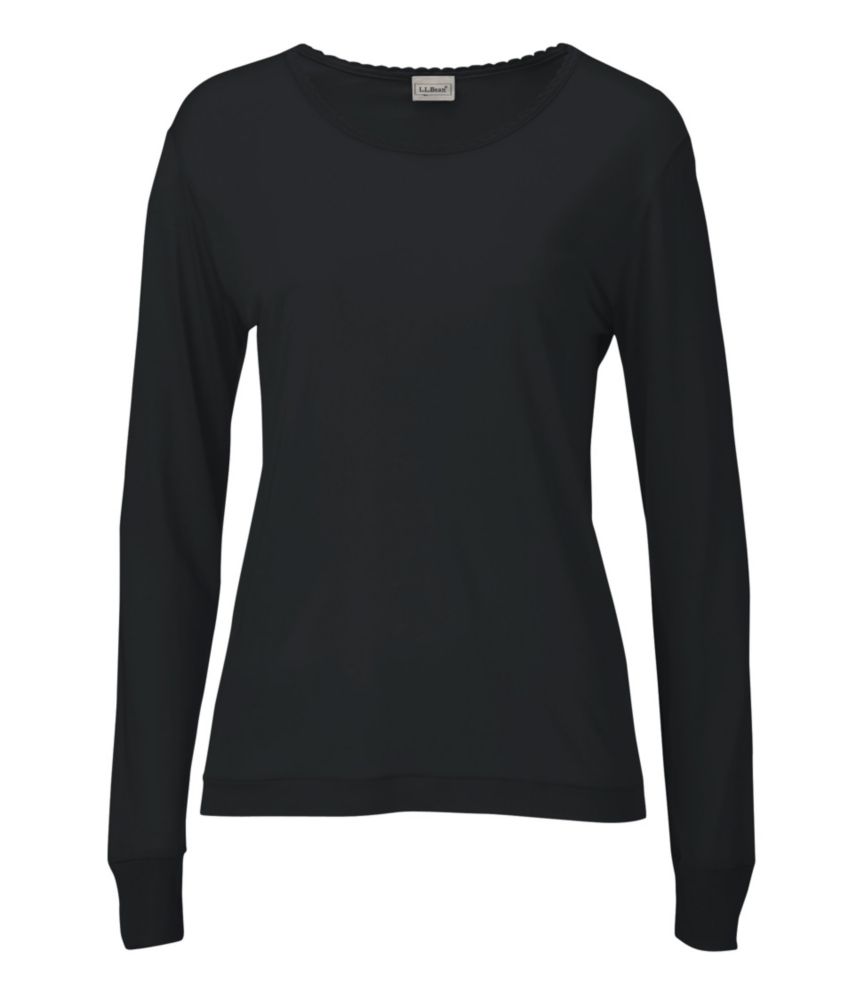
Women's Silk Underwear, Scoopneck
L.L.Bean Women's Silk Underwear, Scoopneck
A black silk long-sleeve undershirt offering comfortable warmth without bulk, perfect as a first layer.
(639)
$54.95 $45.99
SALE
What customers like:
Great fit
Lightweight
Warmth
Silky feel
Comfortable
$54.95 $45.99
SALE
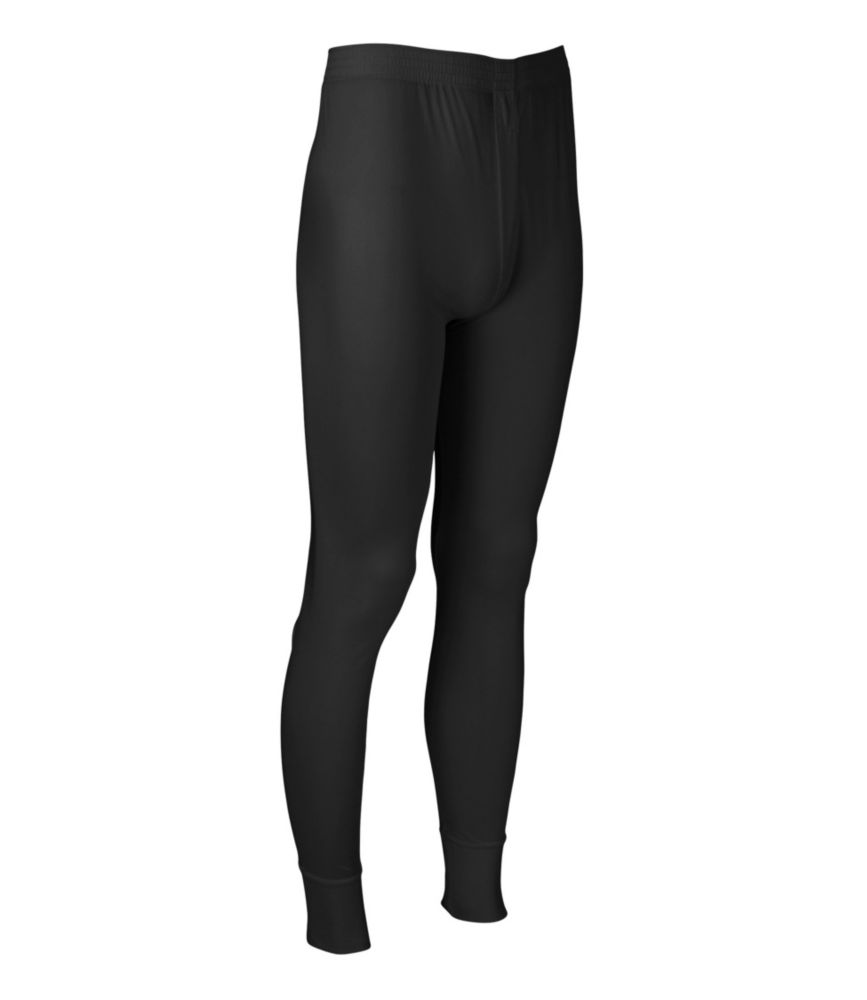
Men's Silk Underwear, Pants
L.L.Bean Men's Silk Underwear, Pants
A strong, lightweight black silk base layer offering warmth and comfort without added bulk.
(486)
$54.95 $39.99
SALE
What customers like:
Great fit
Quality
Warmth
Comfortable
Versatile for weather
$54.95 $39.99
SALE
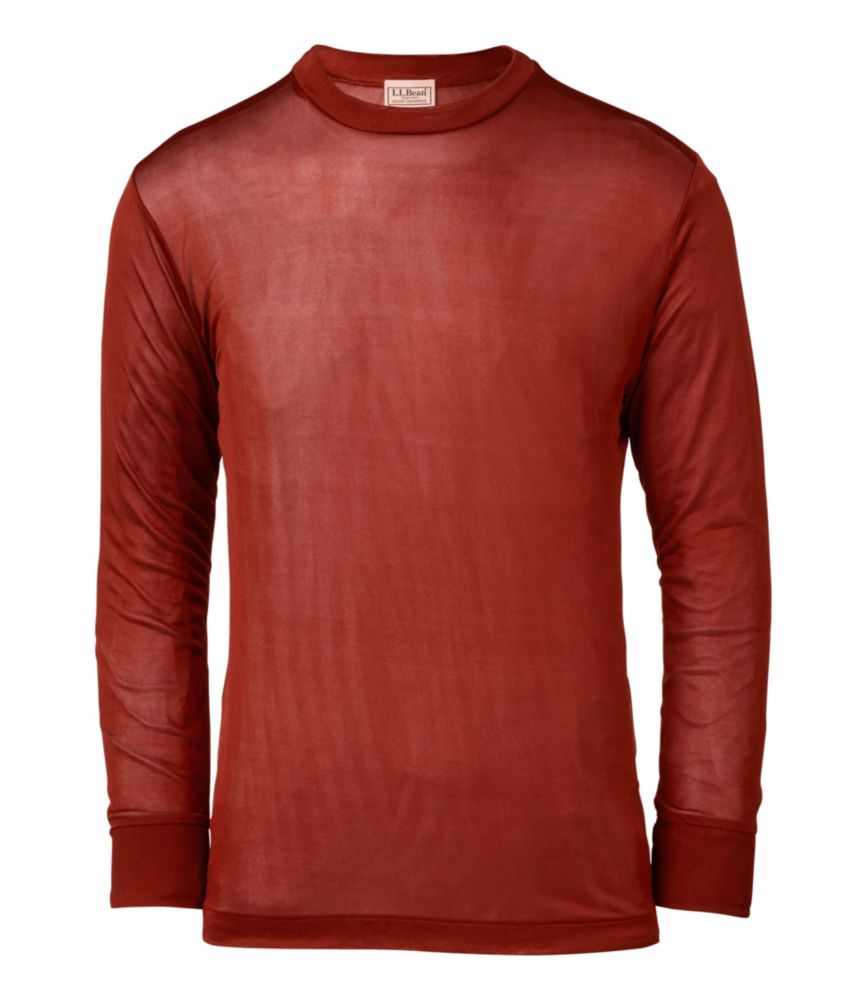
Men's Silk Underwear, Crewneck
L.L.Bean Men's Silk Underwear, Crewneck
A lightweight red silk crewneck base layer offering strong warmth and comfort without bulk.
(410)
$54.95 $39.99
SALE
What customers like:
Fast drying
Provides warmth
Feels like real silk
Comfortable fit
Easy to clean
$54.95 $39.99
SALE
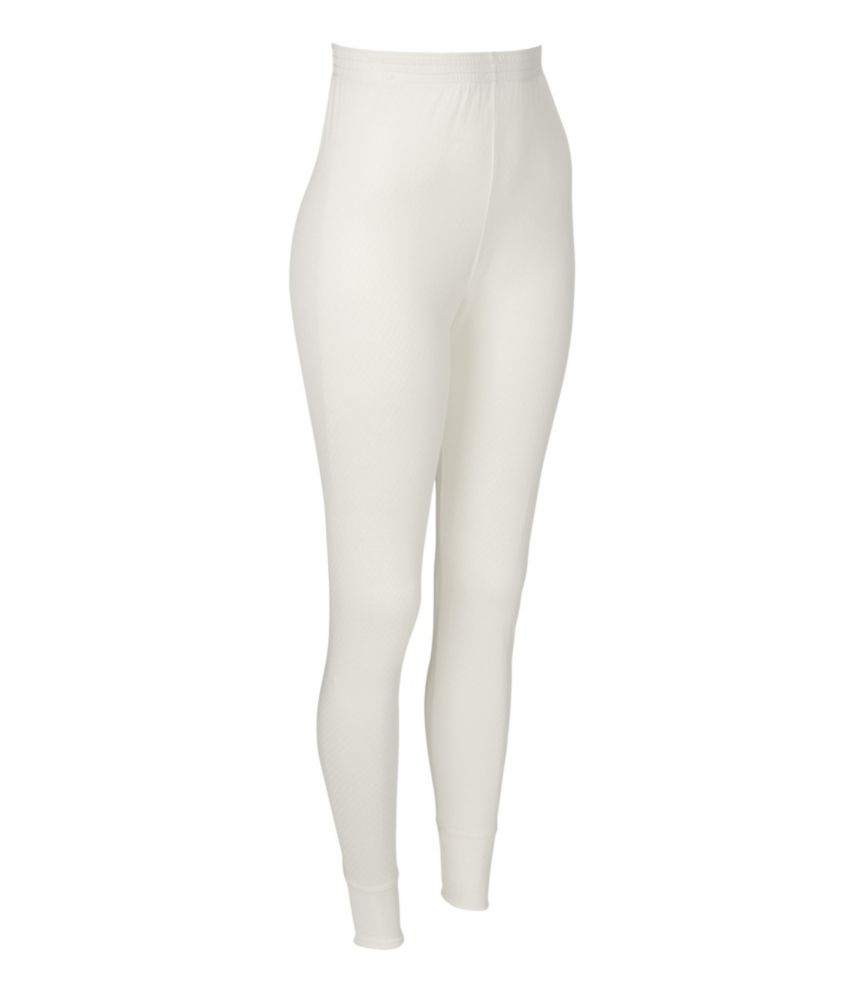
Women's Silk Pointelle, Pants
L.L.Bean Women's Silk Pointelle, Pants
A pair of virtually weightless cream silk pants with a feminine pointelle-knit and elasticized waist.
(881)
$69.95 $58.99
SALE
What customers like:
Comfort
Light weight
Warmth
Softness
Good fit
$69.95 $58.99
SALE

Silk Undergarments

Silk undergarments are a wardrobe choice defined by silk, with individual styles distinguished by their cut, proportions and finishing details. The fabric is part of the decision, but personal preference matters just as much: a neckline you like, a sleeve length that feels familiar and a silhouette that suits your taste. Some shoppers favor an uncomplicated look, while others pay closer attention to decorative details. Neither approach needs to be elaborate. A carefully chosen garment can reflect the same sense of personal style as the rest of a wardrobe, even when its details remain mostly personal. When comparing silk undergarments, the individual fabric description is the place to understand the stated silk content rather than relying on a photograph or a category name alone. Images are more useful for examining shape: the depth of a neckline, the width of a waistband, the line of a hem or the placement of a seam. Those details help distinguish one design from another without making assumptions about how it will fit. Front and back views can also reveal proportions that are easy to overlook in a single image. A simple design may appeal because of its restraint; a more detailed design may feel closer to your usual style. Color preference is equally personal, whether the goal is consistency with familiar favorites or a different look. There is no need for every piece in a wardrobe to match, and no single silhouette defines silk undergarments. What matters is that the garment’s appearance, stated composition and proportions make sense together for the person choosing it. That combination gives the selection a clear purpose without asking a fabric name to answer every question. The appeal is in the whole garment, from its overall shape to the smallest visible detail, rather than in one feature considered on its own.

Fit brings those design details into clearer focus. A size label is a starting point, while the size chart and fit description offer more useful context for an individual choice. Taking measurements according to the chart’s directions helps keep the comparison consistent, especially when a familiar size name does not tell the whole story. Different cuts can have different proportions, so it is worth considering garment length, sleeve length and waist placement separately instead of treating fit as one overall measurement. A person who likes a closer silhouette may make a different choice from someone who prefers more room, even when their measurements are similar. Neither preference is more correct; it simply changes which details deserve attention. Think about a favorite garment already in your drawer—not as a substitute for the size chart, but as a reference for the shapes you tend to choose. You might notice that its neckline sits at a particular point, that its sleeves end where you like them or that its waistband has a familiar width. Those observations turn a broad preference into something more concrete. Where garment measurements are provided, they can add another useful point of comparison, provided the measuring method is the same. The relationship between body measurements and garment measurements matters, too; they describe different things and should not be treated as interchangeable. Shoppers comparing categories can also explore Men's Undergarments while keeping the same attention on each garment’s own sizing information. An existing wardrobe offers helpful clues, but the final choice still rests on the details of the design being considered. A different neckline or a different body length can change a preference even when the labeled size stays the same. Giving those proportions a little attention makes the selection more personal and less dependent on habit. The result is a decision grounded in clear information: the measurements supplied, the shape shown and the fit you actually prefer.

Care requirements deserve a place in that decision as well. Silk undergarments should be considered alongside the instructions provided for the individual garment, rather than a single care routine assumed to suit everything carrying the silk name. Washing, drying and any other care directions belong together; one detail should not be taken out of context and treated as the complete routine. Before choosing, consider whether those instructions fit the way you manage clothing at home. A designated place for garments with different care requirements can make their labels easier to keep track of, and leaving the care information accessible avoids relying on memory later. Durability is another consideration best approached through the garment’s actual construction and condition rather than broad expectations about the category. Stitching, seams, hems and edges are useful details to examine in close-up photographs and again when assessing a garment in person. Look at how those elements are finished, and distinguish visible construction details from assumptions about how long something will last. Over time, an occasional check of seams and hems can help identify a loose thread or an area that needs attention. Storage is worth thinking about, too: a designated drawer or shelf keeps personal garments separate from belongings with exposed hooks or rough edges. These are small household considerations, but they are part of choosing clothing thoughtfully. When selecting silk undergarments for someone else, knowledge of that person’s preferred size, cut and care routine is more useful than a guess based on appearance. A familiar silhouette can be a helpful reference, while the recipient’s own preferences should guide the finer details. For a personal purchase, the same principle applies. Start with what you genuinely like, then give the fabric information, fit details and care label equal attention. Silk undergarments are a personal choice, and a considered selection brings those practical details together with a style that feels like your own.

FAQs