It's time to upgrade your browser

Your current browser is no longer supported on llbean.com. Please upgrade to one of the following for a smoother, safer shopping experience with us:

Shoes For Mechanics

Browse shoes for mechanics with your shop’s footwear requirements in mind. Compare styles, sizing and listed features across the selection, and check individual product details against your workplace guidelines to narrow down the right pair for your workday.
Read More
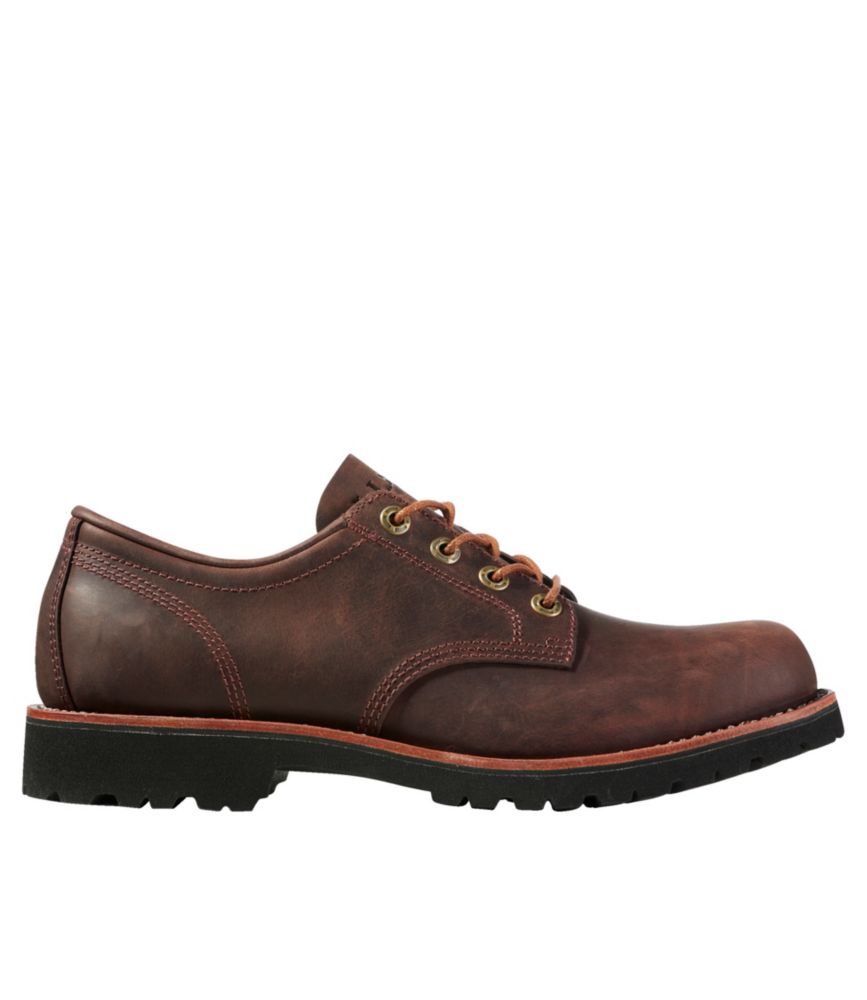
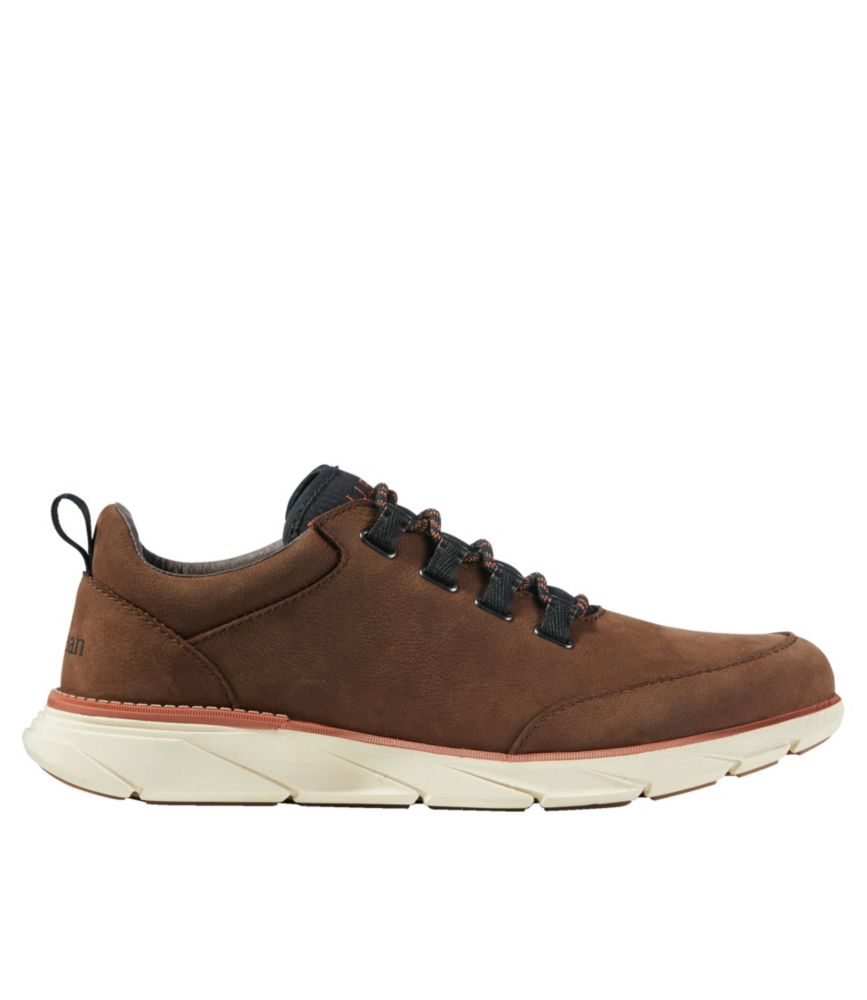
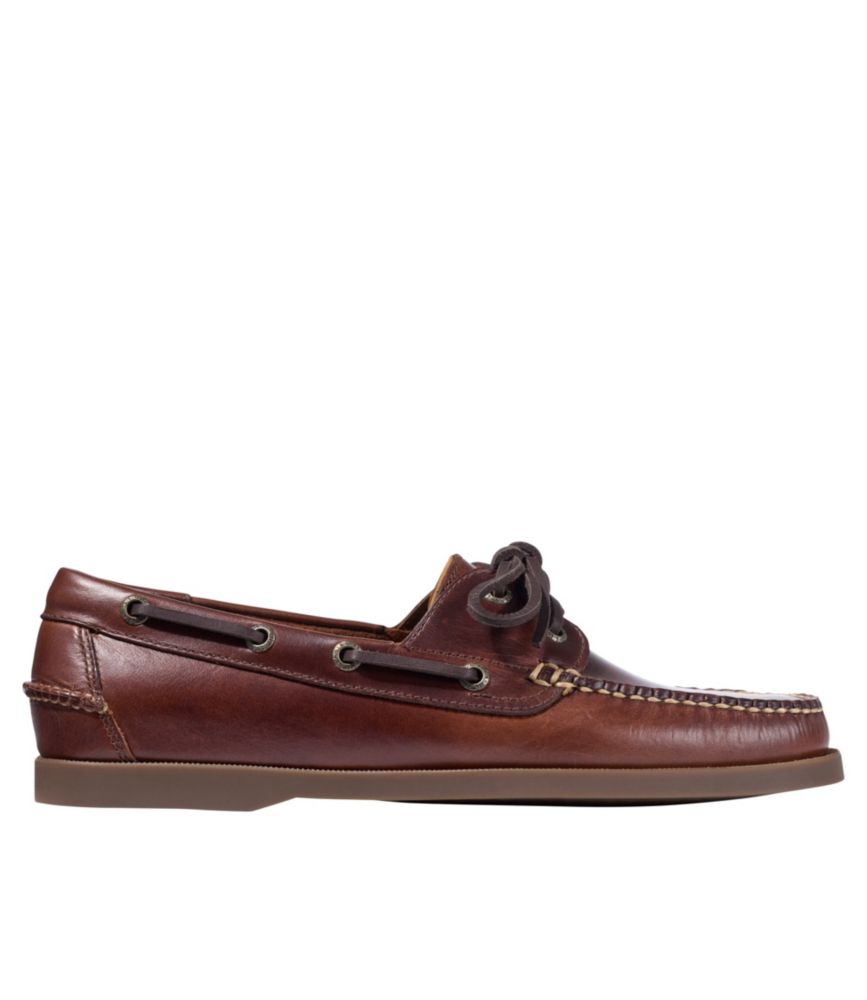
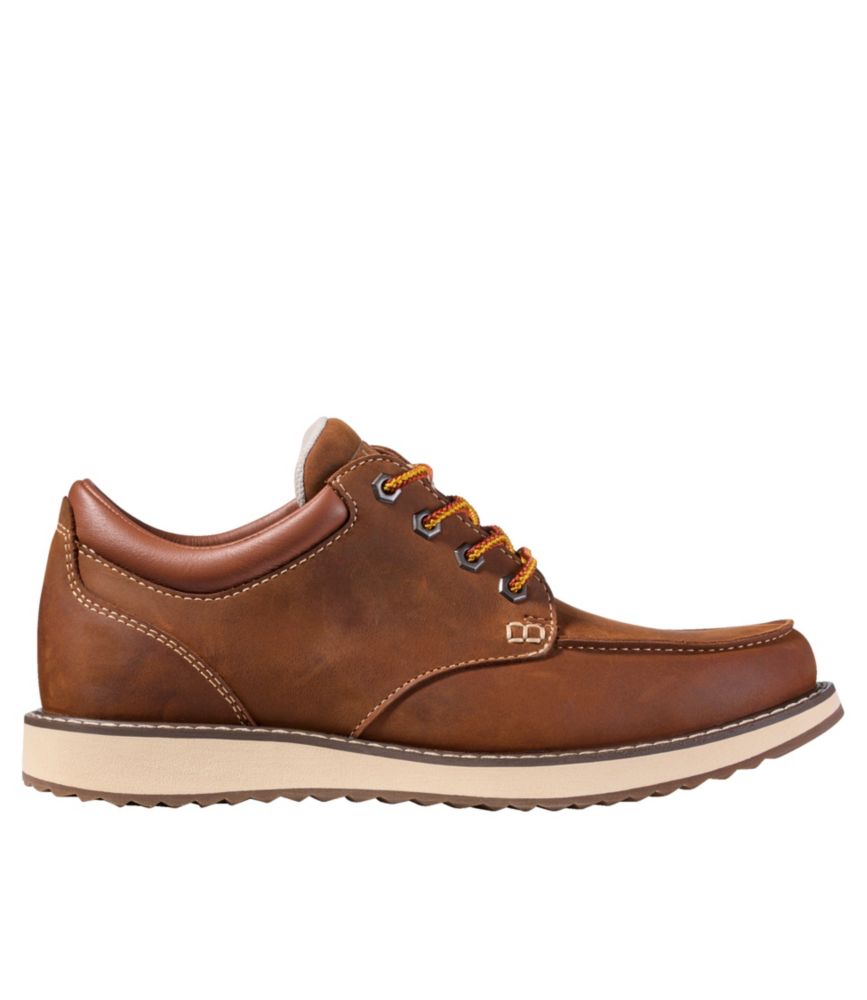
Men's Stonington Oxford Shoes, Plain Toe
L.L.Bean Men's Stonington Oxford Shoes, Plain Toe
A rugged deepest brown leather shoe with sneaker-like comfort, water-resistant Nor'easter leather, and molded rubber outsole.
(681)
$140 $140
SALE
What customers like:
Attractive color
Versatile design
Comfortable out of the box
True to size
Non-slip soles
$140 $140
SALE
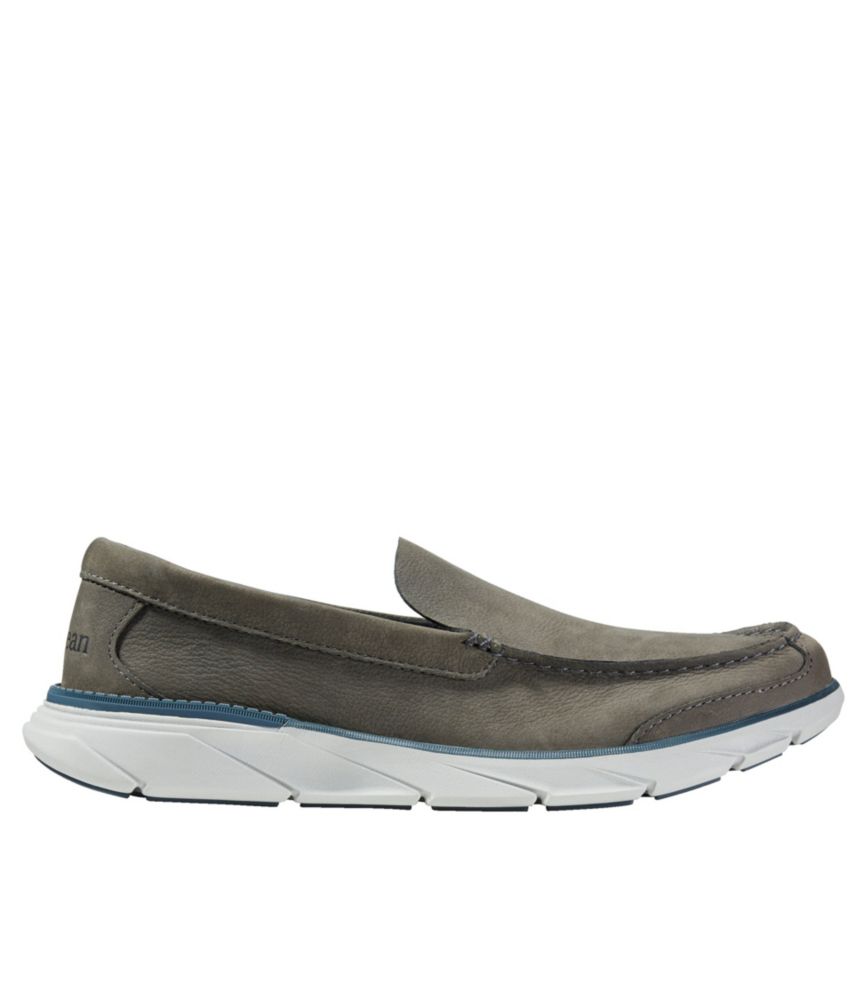
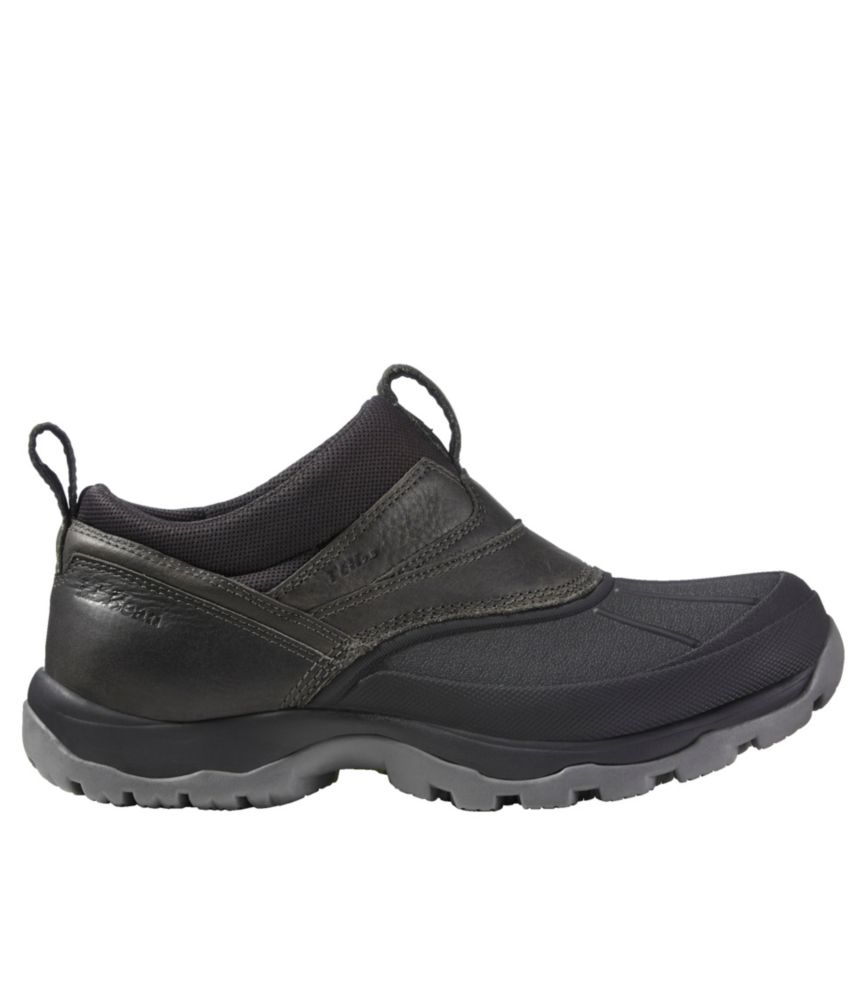
Men's Kennebec Slip-On Shoes
L.L.Bean Men's Kennebec Slip-On Shoes
A versatile dark earth leather slip-on with athletic comfort, True Comfort footbed, and VertiGrip outsole.
(238)
$130 $89.99
SALE
What customers like:
High quality
Nice looking
Attractive color
Perfect fit
Comfortable
$130 $89.99
SALE
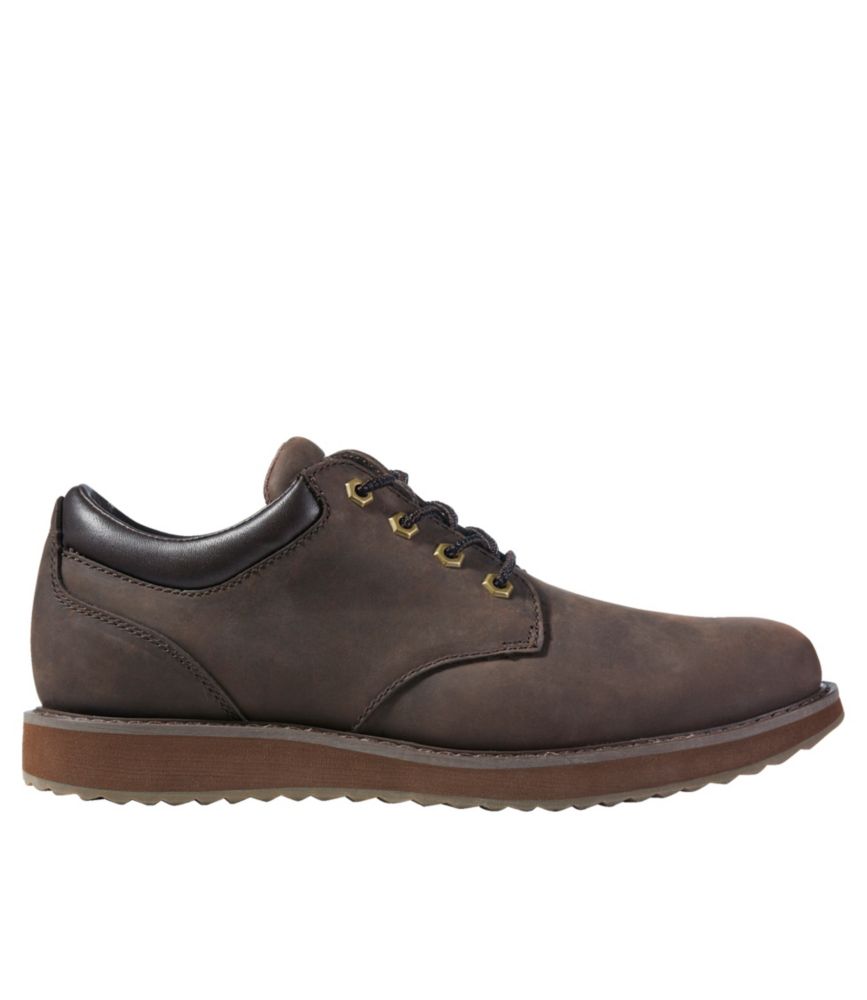
Men's Kennebec Oxford Shoes
L.L.Bean Men's Kennebec Oxford Shoes
A versatile dark earth leather oxford with athletic comfort, anti-odor footbed, and reliable traction.
(207)
$130 $89.99
SALE
What customers like:
Great fit
High quality
Comfortable wear
Versatile style
Dressy look
$130 $89.99
SALE

Shoes For Mechanics

Shoes for mechanics belong in a working wardrobe shaped by the details of the job, from the shop’s dress requirements to personal preferences about fit and style. A neighborhood repair business, a dealership service department, and a home garage can have different expectations, even when the work involves familiar tools and similar tasks. That makes the setting a useful starting point when considering footwear. The shoes someone wears while restoring an older vehicle on weekends may not meet an employer’s requirements for a professional service bay. Appearance alone cannot establish that distinction; the footwear description and the workplace’s written requirements are the details that matter. Within those boundaries, personal taste still has a place. An understated look may appeal to someone who likes a simple work wardrobe, while a more distinctive shape may better reflect another person’s style. Shoes sit alongside work pants, shirts, and other everyday essentials, so their proportions and overall appearance deserve consideration as part of the whole outfit. Picture the familiar routine: keys on the counter, work clothes laid out, and footwear waiting by the door before an early start. A thoughtful choice belongs in that routine without requiring a completely different approach to getting dressed. For shoppers comparing this collection with the broader Work Shoes category, the same priorities apply: clear product information, an appropriate fit, and alignment with the actual workplace. No single silhouette or style label answers every mechanic’s needs. Experience, employer guidance, and individual preference each contribute something different to the decision. This collection offers a starting point for that comparison, with the understanding that any job-specific requirement needs confirmation in the individual footwear details rather than an assumption based on the category name. It is a practical distinction for experienced technicians and newcomers alike, and one that keeps the choice grounded in the work rather than the look alone.

Fit brings the decision down to a more personal level. A familiar shoe size is a useful reference, but it does not tell the whole story about how a different shape will feel on the foot. Length, width, and the room around the toes, heel, and top of the foot all contribute to the overall fit. The socks someone normally wears to work are part of that picture, too; trying footwear with a noticeably different pair may give an incomplete impression. Any inserts normally worn should also be accounted for according to the footwear’s instructions and sizing information. A careful fit check includes both feet, with attention to pressure, unwanted movement, and whether the toes feel crowded. Standing still gives only one impression, while taking a few steps and sitting down can reveal other details about the fit. These ordinary observations are more useful than assuming a style will feel different simply because it looks familiar. For a mechanic, a footwear choice is often part of an established work-clothing routine, and small preferences can be surprisingly specific. One person may have a clear idea of how shoes should look beneath the hem of work pants; another may care most about having enough room for a preferred pair of socks. Neither preference needs to be treated as universal. Size guidance and measurements provide a better basis for comparison than choosing by appearance or relying entirely on the size of an older pair. When replacing well-worn shoes, it can help to separate what was liked about the original fit from changes that happened over time. A stretched or heavily worn pair is not necessarily a reliable model for how replacement footwear should fit at the start. The goal is an informed choice based on the wearer’s feet, the listed sizing details, and the requirements of the job—not a promise that any one shape will suit everyone.

Materials, construction, care, and durability are also part of the comparison, but those details are most meaningful at the individual shoe level. A photograph can show color and shape; it cannot establish everything about a material, explain its maintenance, or confirm whether the footwear meets a particular workplace rule. Written descriptions provide the context needed to make those distinctions. For mechanics, that separation between appearance and documented information is especially important when work requirements are specific. Care instructions deserve attention before purchase as well as afterward, since the recommended routine may differ from the one used for other footwear at home. Cleaning methods should follow the directions for the shoe rather than a general household habit or a treatment left over from another pair. The same applies to drying and storage: the stated guidance is a better reference than guesswork. Durability is worth considering in terms of the actual footwear and the conditions it encounters, rather than as a fixed lifespan that can be promised across a collection. Regular checks for visible wear, changes in fit, or damaged components can help identify when a pair needs closer attention. Where workplace requirements apply, those remain part of deciding whether footwear should stay in service. Shoes can also be a thoughtful gift for a mechanic, an apprentice beginning a new role, or a family member who enjoys vehicle projects, provided the recipient’s preferences and requirements are known. This is a category where a little conversation can be more valuable than a surprise. An accurate size, a sense of the wearer’s preferred style, and clarity about any employer requirements make the choice more personal and better informed. Someone who spends weekends sorting parts beside a project car may approach footwear differently from someone dressing for a service department each morning. Respecting those differences keeps the focus where it belongs: on the person wearing the shoes. Considered that way, shoes for mechanics are not simply another piece of work clothing, but a purchase best made with attention to everyday routines, clear details, and individual needs.
Read More

FAQs