It's time to upgrade your browser

Your current browser is no longer supported on llbean.com. Please upgrade to one of the following for a smoother, safer shopping experience with us:

Running Shoe Size

Find your running shoe size, then compare available styles to narrow your options. Check each pair’s sizing information and any fit notes before choosing—your usual shoe size is a starting point, but fit can vary by style.
Read More
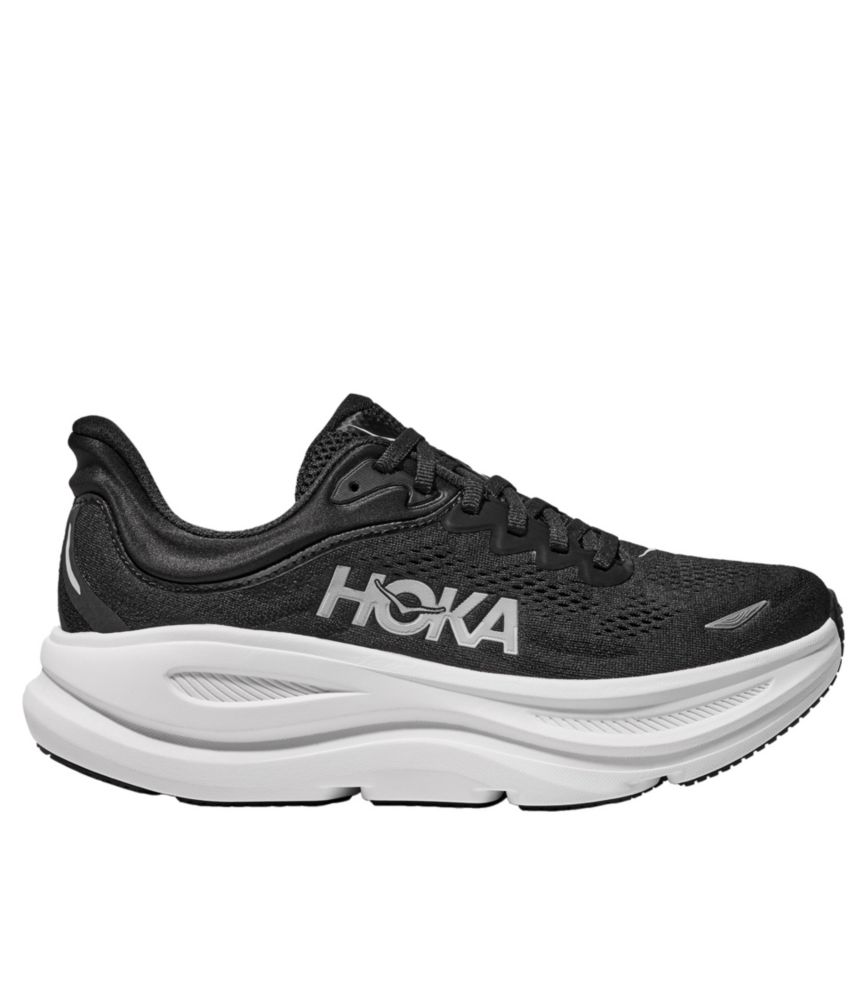
Men's HOKA Bondi 9 Running Shoes
HOKA Men's HOKA Bondi 9 Running Shoes
A black running shoe with unmatched cushioning, reflective details, and eco-friendly mesh for everyday comfort.
(0)
$174.95 $174.95
SALE
$174.95 $174.95
SALE
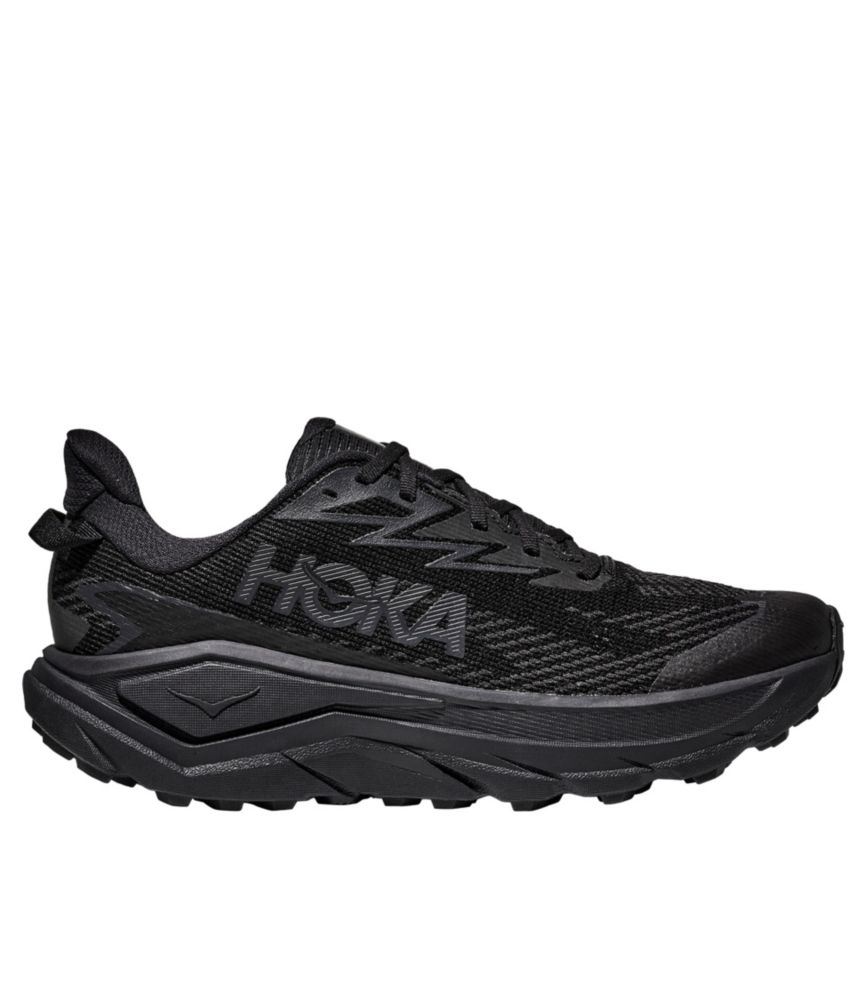
Men's HOKA Challenger 8 Trail Shoes, GORE-TEX
HOKA Men's HOKA Challenger 8 Trail Shoes, GORE-TEX
A black trail running shoe with GORE-TEX waterproofing, cushioned EVA midsole, and durable mesh upper.
(0)
$165 $165
SALE
$165 $165
SALE
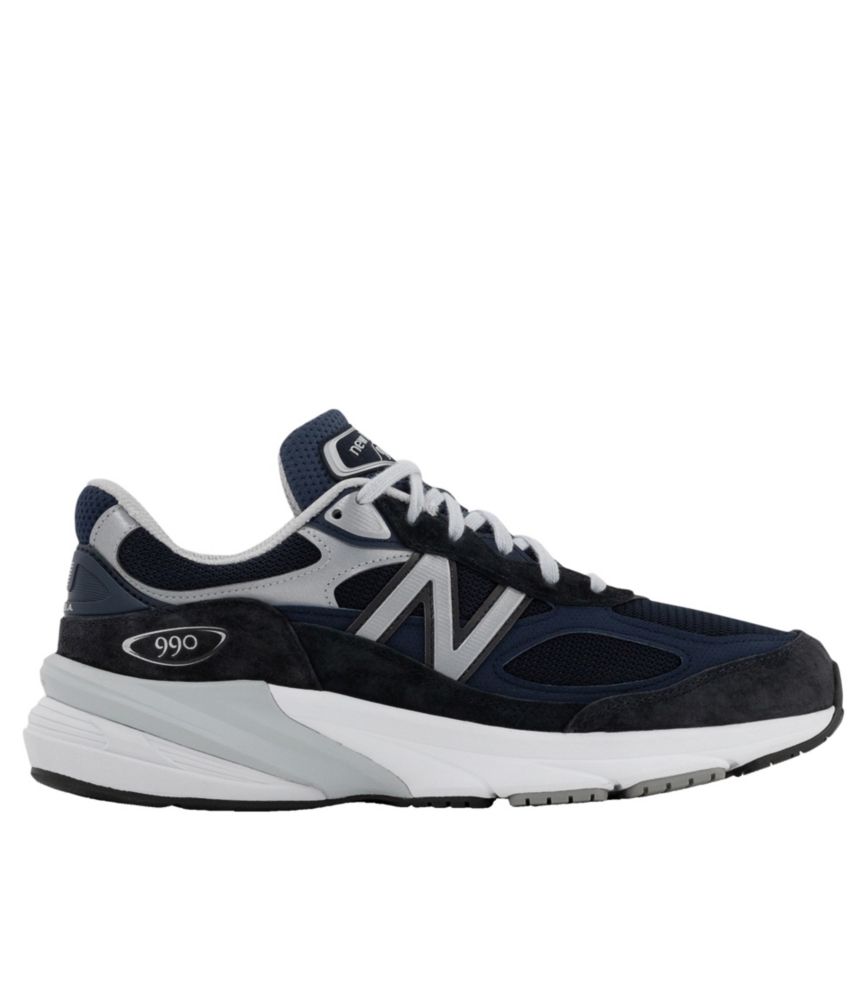
Men's New Balance 990V6 Running Shoes
New Balance Men's New Balance 990V6 Running Shoes
A classic multi-color sneaker featuring breathable mesh, pigskin leather, and all-day cushioning with reliable stability.
(0)
$199.95 $199.95
SALE
$199.95 $199.95
SALE
Men's New Balance 574V3 Walking Shoes
New Balance Men's New Balance 574V3 Walking Shoes
A versatile walking shoe with a breathable suede-and-mesh upper and durable rubber outsole for all-day comfort.
(0)
$89.99 $89.99
SALE
$89.99 $89.99
SALE
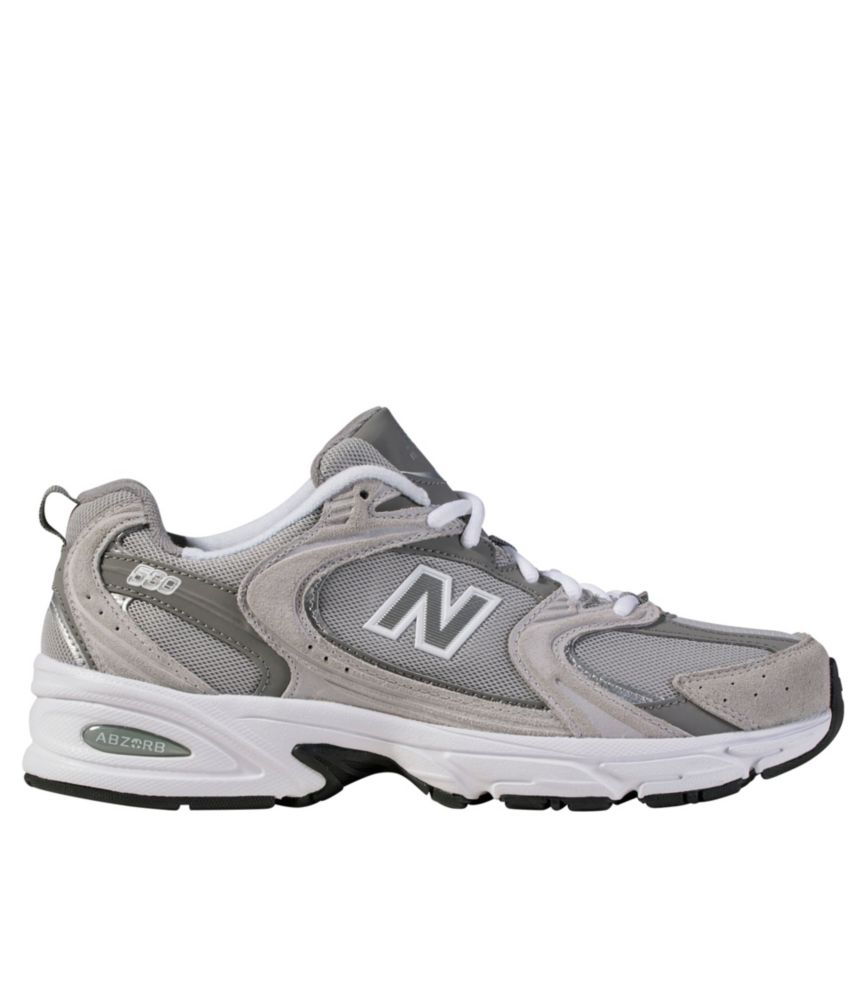
Adults' New Balance 530 Running Shoes
New Balance Adults' New Balance 530 Running Shoes
A modern running shoe featuring a white breathable mesh upper, synthetic overlays, and ABZORB cushioning.
(0)
$99.99 $99.99
SALE
$99.99 $99.99
SALE
Men's HOKA Transport 2 Shoes
HOKA Men's HOKA Transport 2 Shoes
An ultra-comfortable gray athleisure shoe with recycled polyester, water-repellent finish, and eco-friendly Vibram outsole.
(0)
$150 $150
SALE
$150 $150
SALE
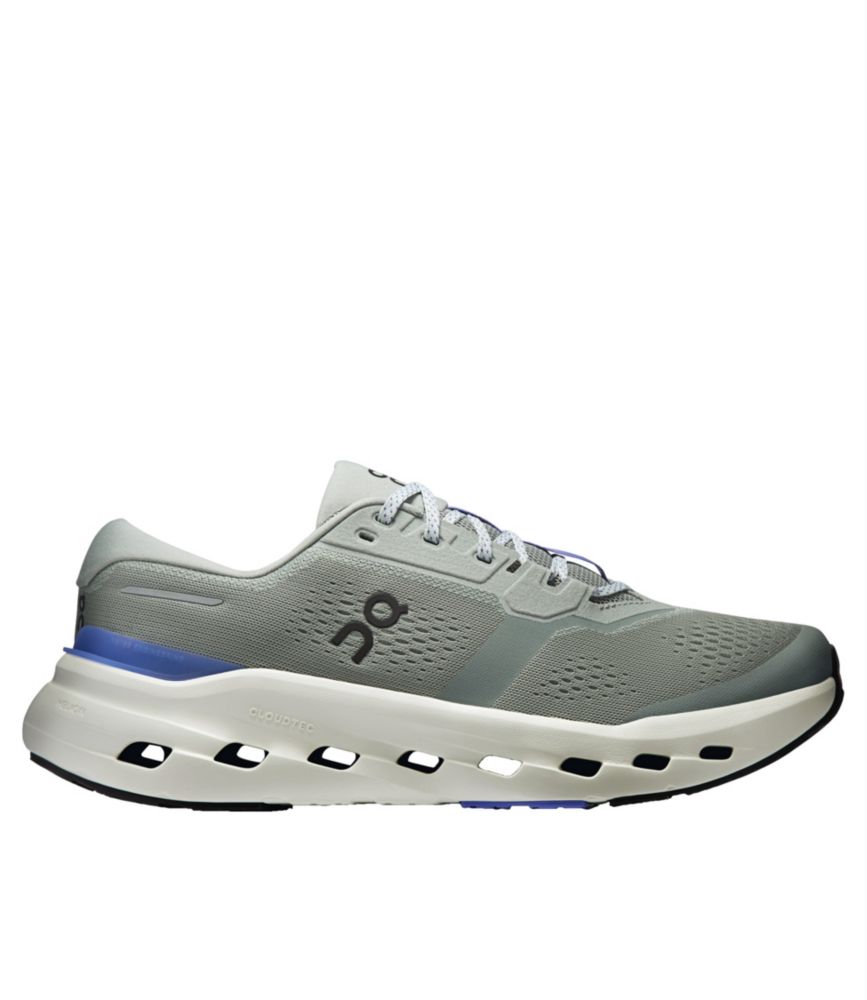
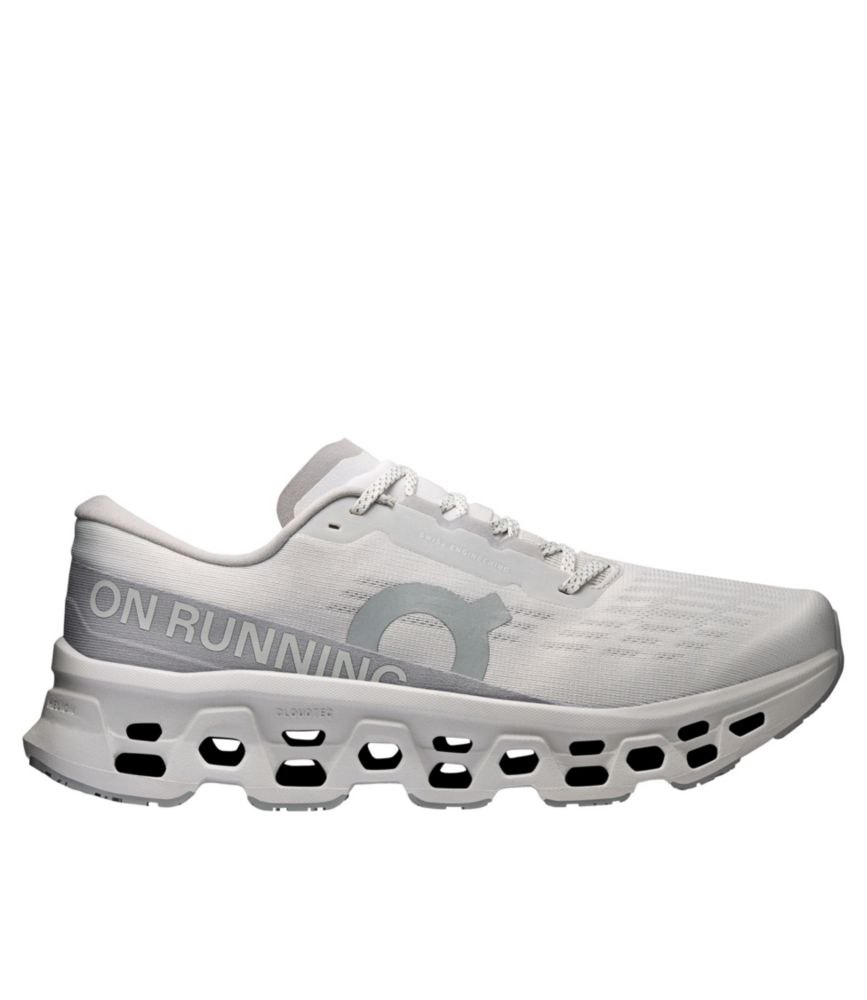
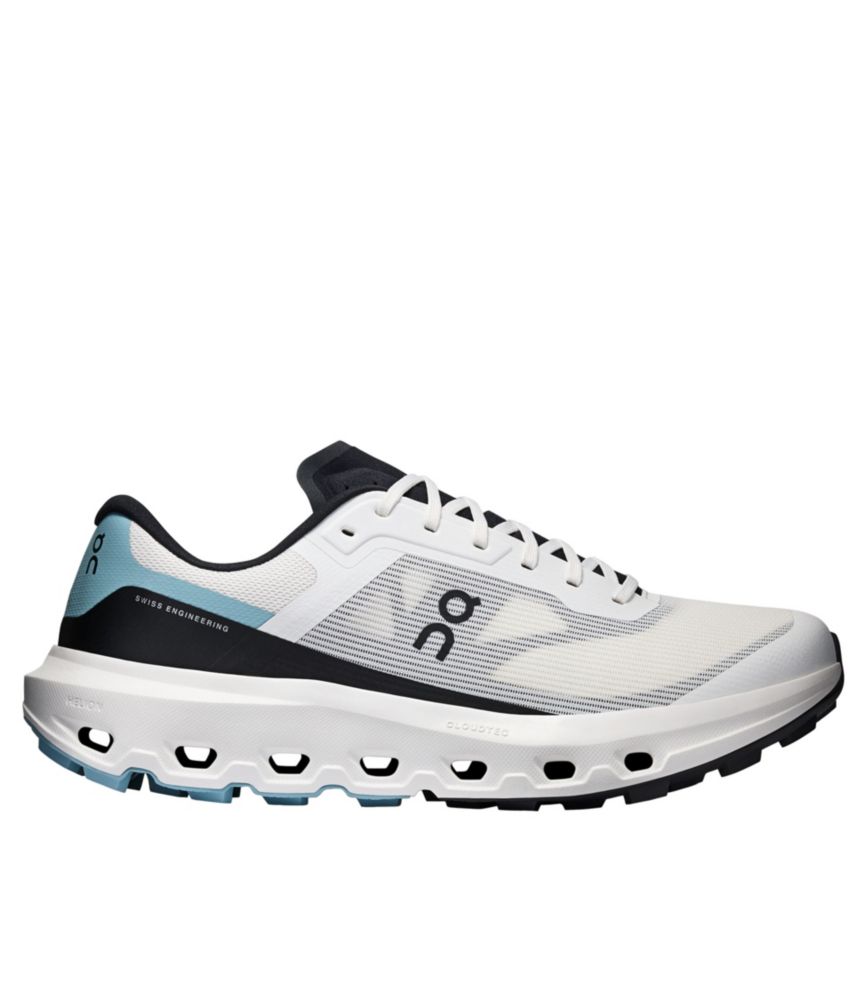
Men's On Cloudmonster 3 Running Shoes
On Men's On Cloudmonster 3 Running Shoes
A gray engineered mesh running shoe with triple-layer cushioning and durable rubber outsole for high performance.
(0)
$190 $190
SALE
$190 $190
SALE
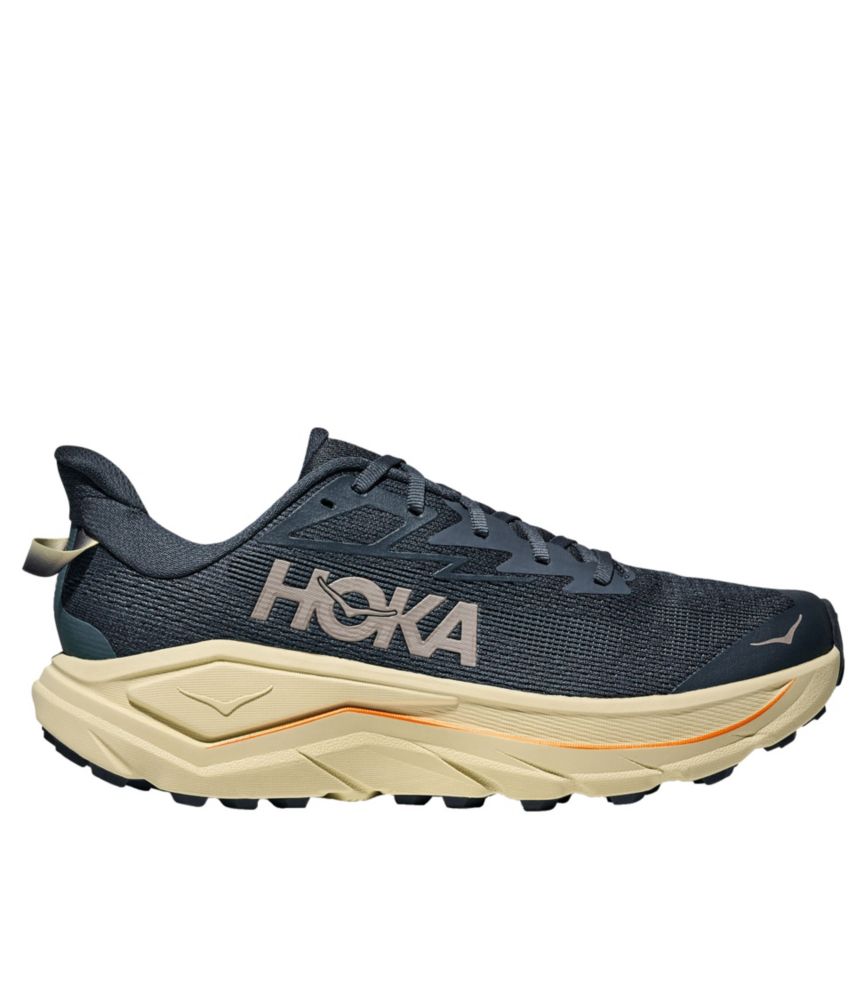
Men's HOKA Challenger 8 Trail Shoes
HOKA Men's HOKA Challenger 8 Trail Shoes
A lightweight blue trail running shoe with cushioned EVA midsole and durable, recycled mesh upper.
(0)
$150 $150
SALE
$150 $150
SALE
Men's 1985 Mountain Classic Sneakers
L.L.Bean Men's 1985 Mountain Classic Sneakers
A water-resistant black sneaker with suede, recycled nylon, and rugged VertiGrip rubber outsole for outdoor traction.
(0)
$110 $79.99
SALE
$110 $79.99
SALE
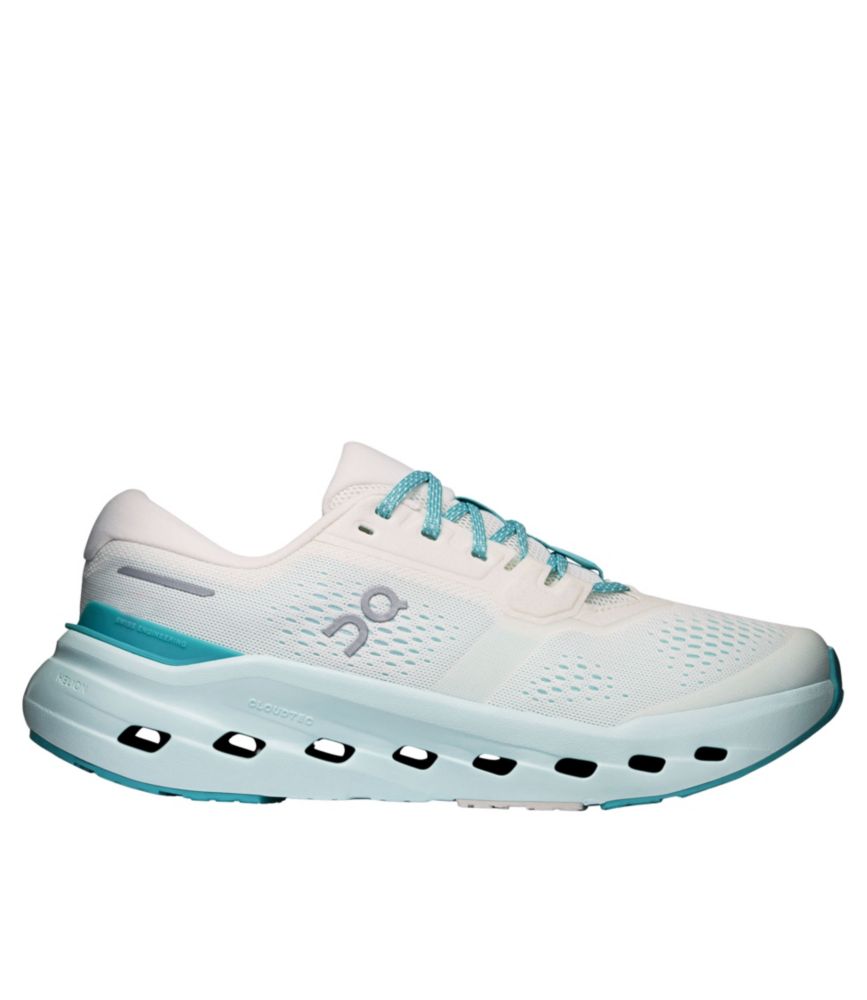
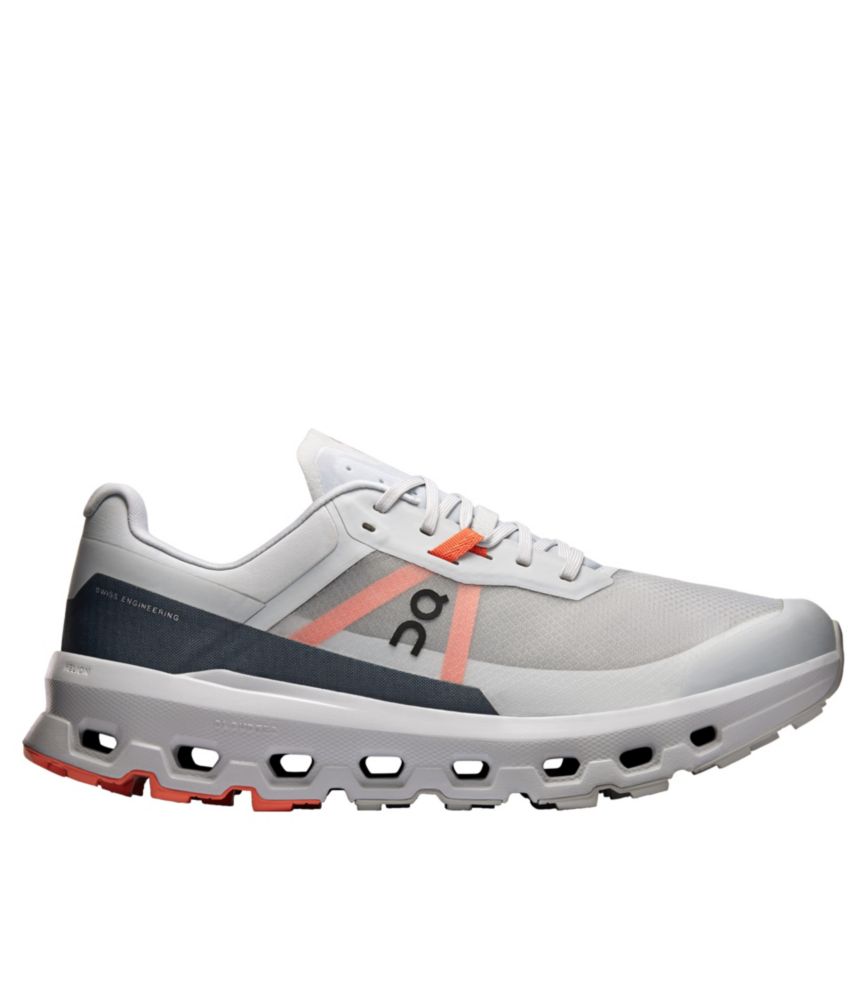
Men's On Cloudsurfer Trail 2 Running Shoes
On Men's On Cloudsurfer Trail 2 Running Shoes
A lightweight gray trail running shoe with cushioned Helion™ midsole and Missiongrip™ rubber outsole for superior grip.
(0)
$170 $170
SALE
$170 $170
SALE
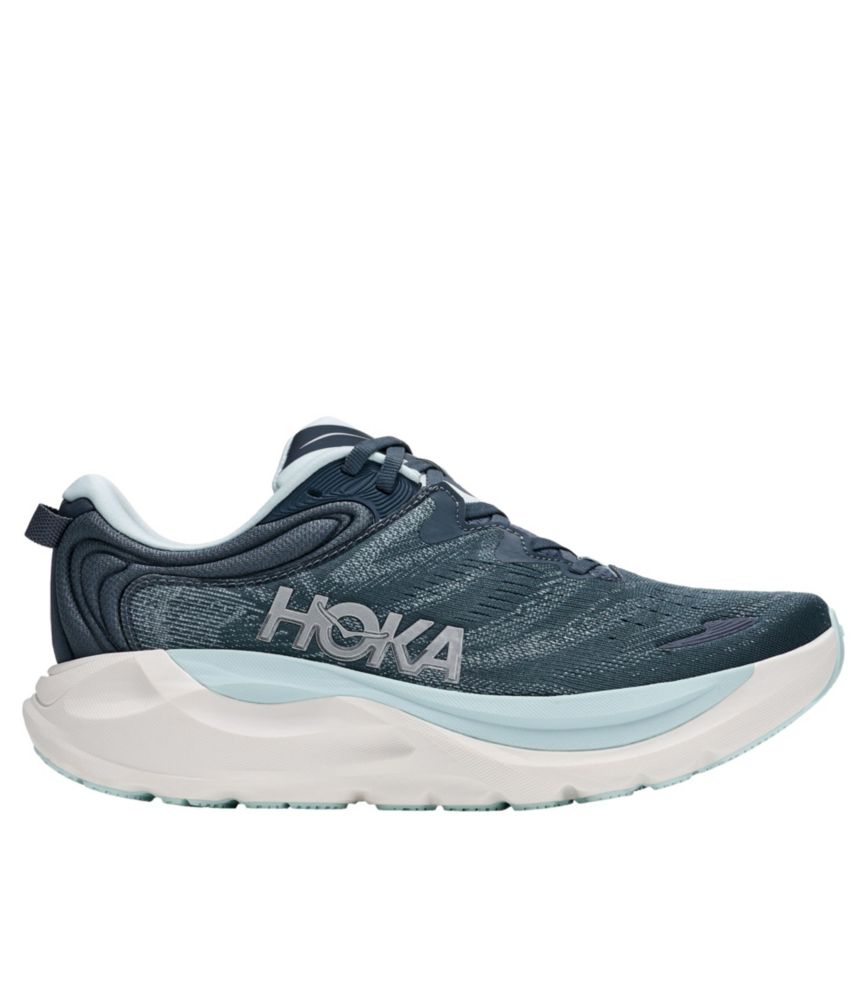
Men's HOKA Gaviota 6 Running Shoes
HOKA Men's HOKA Gaviota 6 Running Shoes
A blue running shoe with breathable mesh upper, exceptional cushioning, and enhanced support for daily miles.
(0)
$175 $175
SALE
$175 $175
SALE
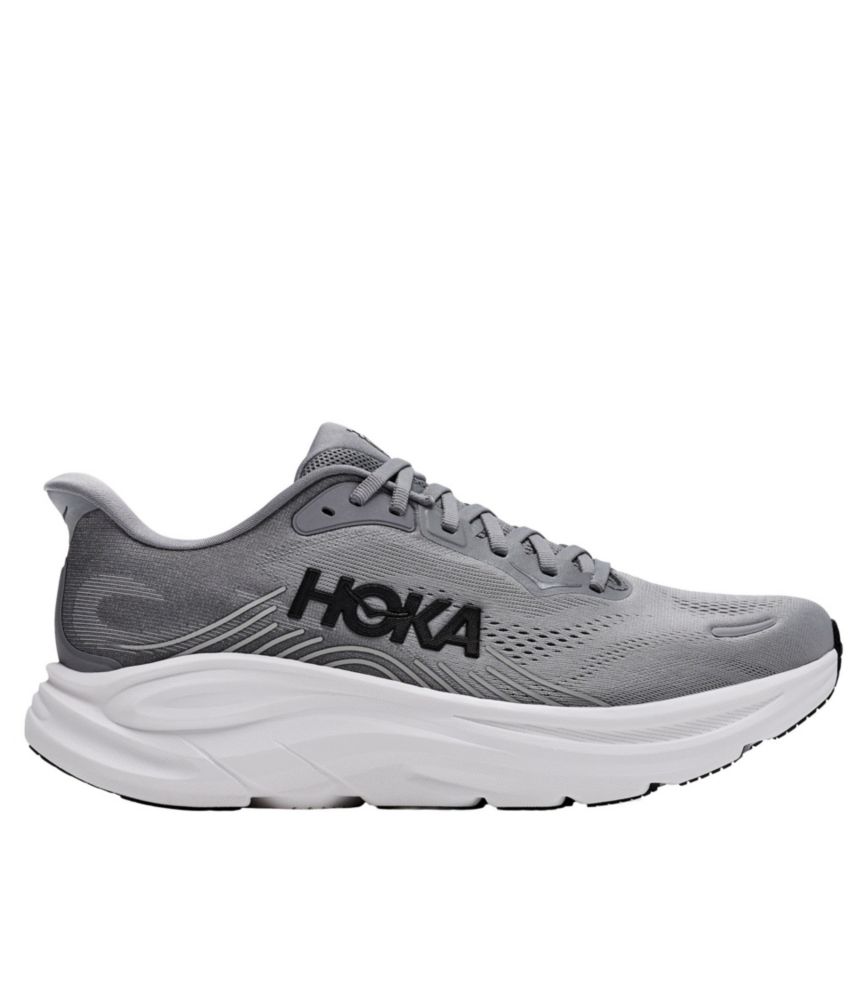
Men's HOKA Clifton 11 Running Shoes
HOKA Men's HOKA Clifton 11 Running Shoes
A gray running shoe featuring a breathable mesh upper, plush EVA foam cushioning, and durable rubber outsole.
(0)
$155 $155
SALE
$155 $155
SALE

Running Shoe Size

Running shoe size is a starting point for finding the right fit, not a promise that every pair with the same number will feel alike. Length, width, toe shape, and the space around the middle of the foot all contribute to how a shoe fits. A familiar size from an everyday pair can help narrow the selection, but running shoes deserve a separate fit check. Some people find that a half size larger than their casual shoes gives them the room they prefer; others need a different width or a different shoe shape rather than a longer size. Going up a half or full size is not a rule that works for everyone. A common starting point is about a thumb’s width of space between the longest toe and the front of the shoe while standing, with enough room for the toes to spread naturally. That space should not come at the expense of a heel that repeatedly slips or a foot that slides forward inside the shoe. The middle of the shoe should feel comfortably held rather than squeezed, and the heel should stay seated during a brief indoor walk. These details make size more useful as a shopping filter: the number brings together relevant choices, while the actual fit helps distinguish between them. For someone returning to running, replacing a familiar pair, or choosing running shoes for the first time, there is value in considering size afresh instead of automatically repeating a past purchase. Even a well-liked pair can become a less reliable reference after extended wear changes its shape. The best comparison combines the labeled size of an existing shoe, the way that shoe fits, and current foot measurements. Together, those details provide a clearer picture than a size number alone and help make a broad selection easier to consider.

Foot measurements bring useful context to a running shoe selection, especially when the choice falls between two sizes. Measuring both feet matters because they may differ in length or width; the larger foot generally sets the starting point, followed by checking that both shoes fit well. Measurements taken later in the day can help account for normal changes in foot size. Standing on a hard, level surface with weight distributed evenly gives a more useful reference than measuring while seated. The socks intended for running belong in the fit check, too, since a different sock thickness can change how much space is left inside the shoe. Anyone who regularly wears an insert should also account for the room it takes up rather than assessing fit without it. A size chart can connect those measurements to the sizing system used for a particular pair, but the chart’s instructions deserve a close look: foot length and the length of the shoe itself are not interchangeable measurements. US, UK, and European numbers also should not be treated as though they follow a single universal conversion. Within US sizing, men’s and women’s numbers refer to different scales, so matching the numeral alone does not establish an equivalent fit. Width labels add another layer of information, and their meanings can vary across sizing categories. A shopper browsing Men's Size 9 Running Shoes, for example, can use that size as a focused starting point while still comparing width and shape. When the length seems right but the sides feel crowded, a wider option may be more appropriate than simply adding length. When there is excess space through the middle of the foot, tightening the laces harder is not always the answer. The fit should feel balanced from front to back, without relying on an unusually tight lace adjustment to keep the foot in place. This is particularly helpful when two neighboring sizes each seem close but neither feels quite right.

Beyond the measurements, choosing among running shoes is a matter of connecting the fit with the person who will wear them. Someone replacing a pair after years of buying the same size may have different preferences from someone making room for a first regular run with a friend. Both can benefit from noticing small details during a try-on: whether the longest toe approaches the front when taking a step, whether the little toe presses against the side, and whether one heel moves more than the other. Trying both shoes with the laces adjusted normally makes those differences easier to spot. A shoe that feels too short or crowded at the outset should not be chosen on the assumption that wear will correct the size. Likewise, extra length is not automatically extra room where it is needed; the shape around the toes and the overall width still matter. Product descriptions are the place to compare stated materials, construction, intended running use, and care requirements without assuming that shoes grouped under the same size share those details. Size alone does not describe a shoe’s materials or establish its durability, and appearance cannot settle those questions either. Care instructions are worth considering before choosing a pair, particularly for someone who prefers a straightforward routine. Following the instructions provided for the shoes is more dependable than assuming that every pair can be washed or dried the same way. For a gift recipient, an exact size from a recently worn pair is helpful background, but knowing the preferred width and any recurring fit concerns adds important context. A partner might know that one foot needs more toe room, while a family member might remember that a previous pair felt loose at the heel. Those everyday observations can be more useful than guessing from an everyday shoe size. Color and overall style can help narrow the final choice, but neither needs to take priority over the way the shoes fit. A considered running shoe selection brings together the labeled size, clear measurements, individual preferences, and the details supplied for each pair, leaving room for personal style without overlooking the basics.
Read More

FAQs