It's time to upgrade your browser

Your current browser is no longer supported on llbean.com. Please upgrade to one of the following for a smoother, safer shopping experience with us:

Rugby Style Sweatshirts

Rugby style sweatshirts offer a casual take on the classic rugby shirt, with a timeless, sport-inspired look. Browse the selection and compare fit, sizing and design details to find a style that feels right for you.
Read More
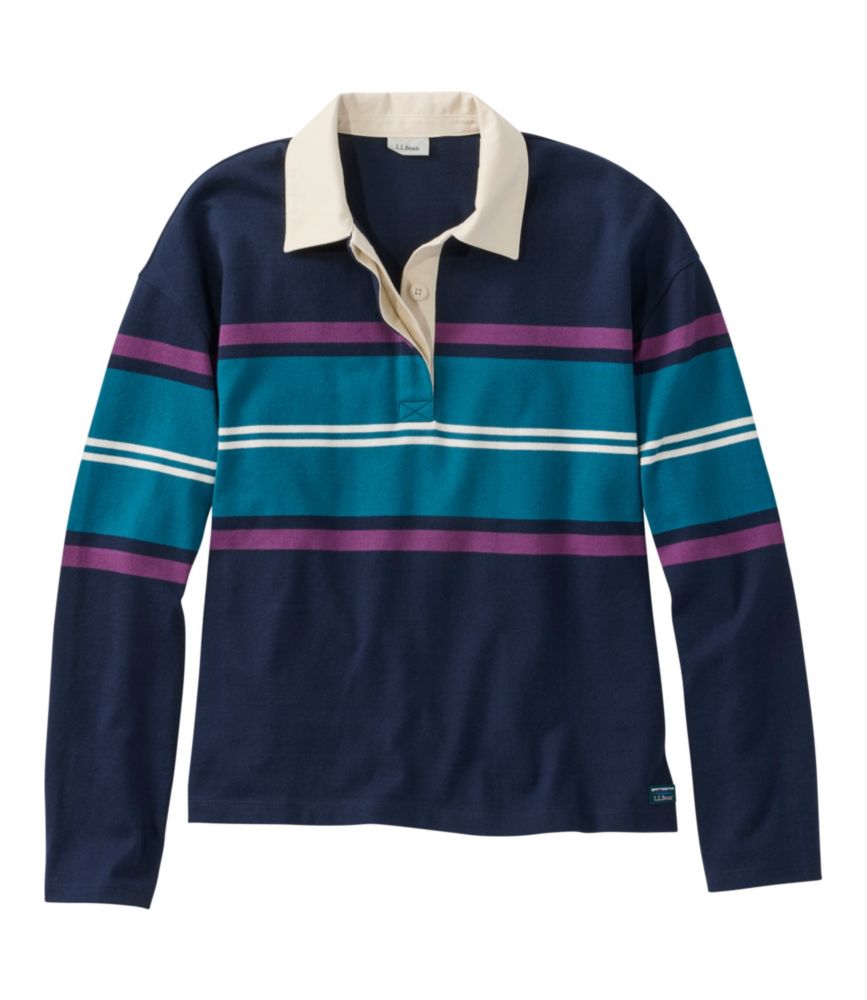
Men's Bean's Vintage Soft Rugby, Mockneck, Chest Stripe
L.L.Bean Men's Bean's Vintage Soft Rugby, Mockneck, Chest Stripe
A blue jersey-knit cotton mockneck rugby shirt with bold chest stripes and ribbed trim for softness.
(0)
$79.95 $59.99
SALE
$79.95 $59.99
SALE
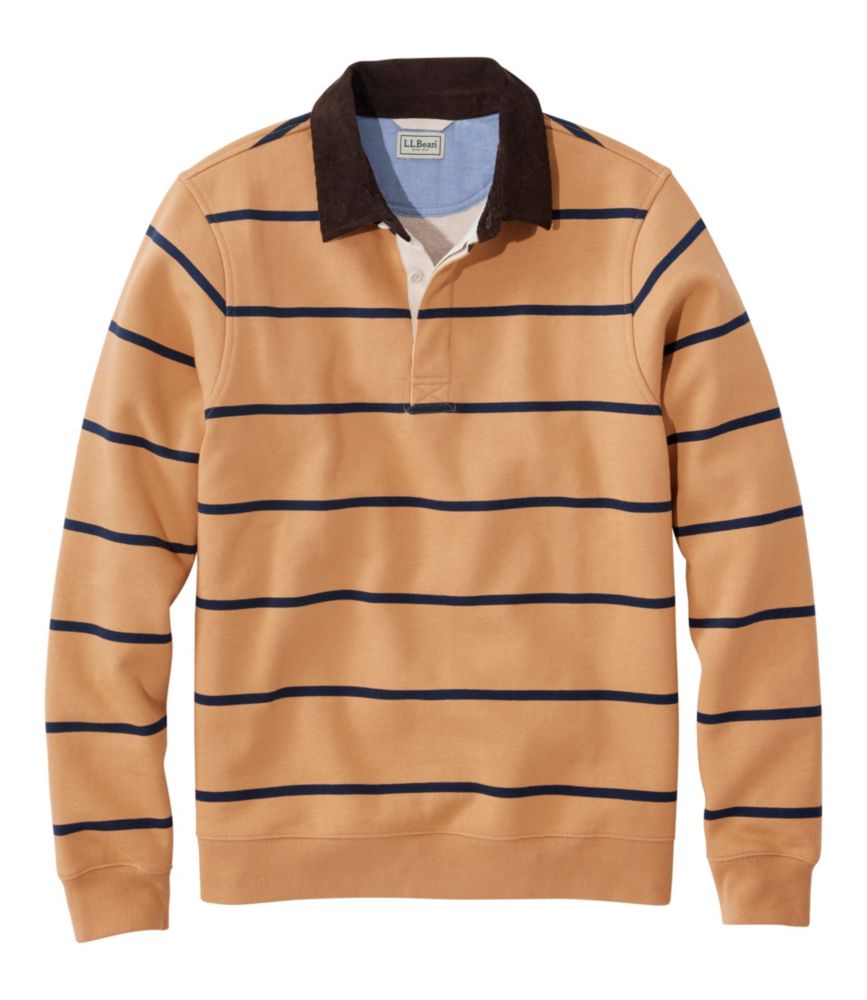
Men's Mariner Sweatshirt, Stripe
L.L.Bean Men's Mariner Sweatshirt, Stripe
A brown cotton-blend sweatshirt featuring classic stripes, a corduroy collar, and exceptionally soft brushed interior.
(0)
$89.95 $75.99
SALE
$89.95 $75.99
SALE
Men's Bean's Vintage Soft Rugby, Stripe
L.L.Bean Men's Bean's Vintage Soft Rugby, Stripe
A multi-color jersey-knit cotton rugby shirt with a twill collar and authentic vintage-inspired details.
(0)
$79.95 $79.95
SALE
$79.95 $79.95
SALE
Men's Bean's Vintage Soft Rugby, Stripe Embroidered
L.L.Bean Men's Bean's Vintage Soft Rugby, Stripe Embroidered
A multi-color jersey-knit cotton rugby shirt with varsity stripes, twill collar, and embroidered logo.
(0)
$79.95 $67.99
SALE
$79.95 $67.99
SALE
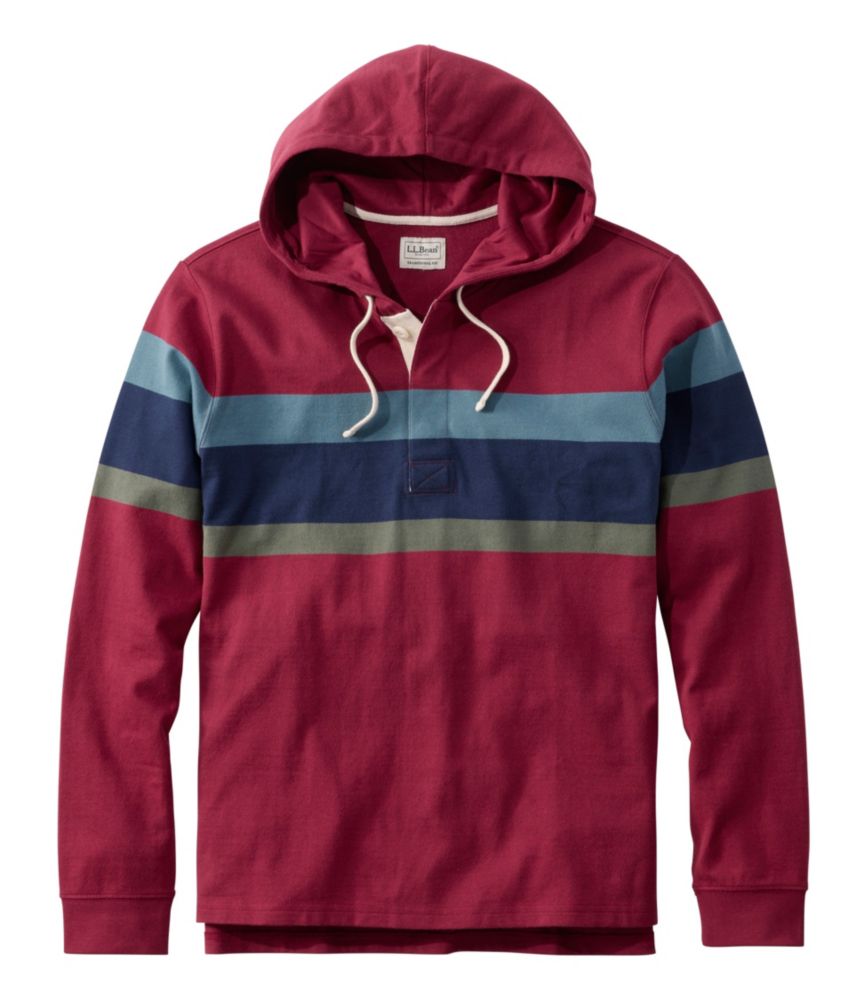
Men's Bean's Vintage Soft Rugby, Chest Stripe
L.L.Bean Men's Bean's Vintage Soft Rugby, Chest Stripe
A vintage-style rugby shirt in blue jersey-knit cotton, offering a relaxed fit and extra softness.
(0)
$79.95 $38.99
SALE
$79.95 $38.99
SALE
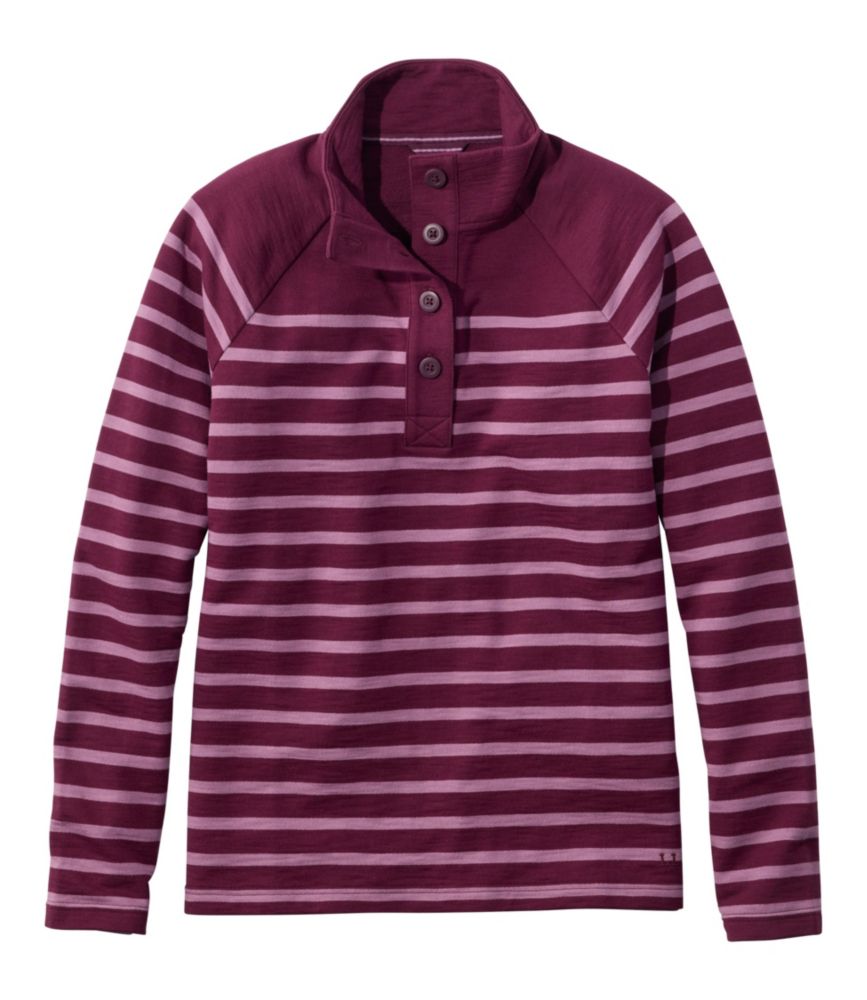
Women's Peaks Island Button Mockneck, Stripe
L.L.Bean Women's Peaks Island Button Mockneck, Stripe
A lightweight orange striped mockneck sweatshirt in 100% French terry cotton with rugby-inspired style.
(0)
$89.95 $49.99
SALE
$89.95 $49.99
SALE

Rugby Style Sweatshirts

Rugby style sweatshirts draw on a recognizable sporting tradition: bold stripes, distinctive necklines, and an unfussy approach to design. The appeal is in the balance between the familiar sweatshirt shape and details associated with the classic rugby shirt. Historically, rugby jerseys used contrasting colors and clear patterns to distinguish one team from another, giving the style a strong visual identity that carried beyond the sport itself. In clothing inspired by that tradition, broad horizontal bands, contrasting collars, and short button plackets remain familiar reference points. Not every interpretation includes all of those elements. A design can suggest rugby heritage through its proportions or color placement just as clearly as through an allover stripe. That variety gives the category its character, from understated interpretations to patterns that make the sweatshirt the centerpiece of an outfit. The distinction between rugby-inspired style and team clothing is worth keeping in mind: an athletic reference does not have to include a crest, a number, or allegiance to a particular club. For someone drawn to classic sportswear without prominent graphics, the design itself can provide all the identity needed. A contrasting neckline draws attention toward the face, while repeated stripes establish a rhythm across the body and sleeves. Smaller details, such as the depth of a placket or the placement of a chest stripe, can change the overall impression considerably. Rugby style sweatshirts are best understood as a design category rather than a single, standardized silhouette. Their shared thread is an enduring sportswear influence, expressed through different combinations of shape, pattern, and detail. The broader Rugby Apparel category provides another point of reference for that tradition, particularly for shoppers comparing the look of rugby-inspired sweatshirts with the familiar features of rugby shirts.

Much of the difference between rugby-inspired designs comes down to visual proportion. A wide stripe creates a different effect from a narrow one, and a sharply contrasting collar stands out more than a neckline that follows the main color of the sweatshirt. Neither approach is more authentic to an individual wardrobe; the better choice is the one that reflects the shapes and patterns someone already enjoys. A person whose closet is mostly solid colors may appreciate the clear graphic character of broad stripes, while someone who regularly wears patterned clothing may prefer a quieter interpretation. Color relationships matter as much as individual shades. Strong contrast makes the pattern more prominent, while colors closer in tone place more emphasis on the garment’s outline and neckline. Photos showing the front, back, and sleeves can help reveal how those elements work together, especially when a stripe continues across more than one section. Fit deserves the same attention as pattern, because two sweatshirts with similar design details can have very different proportions. Size names alone do not describe the position of a shoulder seam, the length of a sleeve, or where the hem falls. The listed fit description and size chart provide a more useful starting point, particularly when compared with measurements from a sweatshirt that already fits as preferred. Someone who likes a closer outline may make a different choice from someone who favors a roomier shape, even when both choose the same general style. Shoulder placement, body length, and sleeve shape all contribute to the finished look. A collar may appear more prominent on a shorter silhouette, while a broader body can give the stripe pattern more visual space. Product photography can offer perspective, but the stated measurements and fit information are the better reference for an individual choice. Together, those details make it easier to distinguish a sweatshirt that simply features stripes from one whose proportions and design feel right for the person wearing it.

The rugby reference describes appearance, not a uniform specification for everything beneath it. Materials, construction, and care requirements are details to compare in each product description rather than infer from a collar, stripe, or sweatshirt label. Shoppers with an established preference for a particular fabric composition can use the listed information to narrow their choices without relying on photographs to suggest how something will feel. The same distinction matters when considering durability: a traditional sporting look is not, by itself, evidence of a particular level of wear resistance. Construction details and stated care directions offer more useful information than the visual association with the sport. Before choosing, it is worth checking whether those care directions fit the recipient’s usual routine, especially when the sweatshirt is intended as a gift. A familiar size, a favorite pattern scale, and a preferred neckline are practical clues that can make a gift feel thoughtfully chosen. Someone who repeatedly reaches for striped tops may welcome another interpretation of that pattern, while a person who prefers minimal detailing may appreciate a less pronounced rugby reference. There is no need for the recipient to follow the sport to enjoy its design heritage. Personal style is the stronger connection, whether that means an affection for traditional athletic clothing or simply a preference for a sweatshirt with a little more visual definition. For an existing wardrobe, the most useful comparison is often with favorite pieces rather than an imagined complete outfit. Notice whether those favorites share a similar body length, a clear contrast at the neckline, or a consistent balance between pattern and solid color. Those preferences help give a new choice a familiar place without requiring every detail to match. Rugby style sweatshirts offer a distinctive expression of classic sportswear, with enough variation in their design language to feel individual rather than uniform. The lasting appeal lies in that recognizable combination of sporting roots, straightforward styling, and character carried through the details.
Read More

FAQs