It's time to upgrade your browser

Your current browser is no longer supported on llbean.com. Please upgrade to one of the following for a smoother, safer shopping experience with us:

Removable Traction for Winter Running

Find removable traction for winter running with your running shoes in mind. Check individual product details for sizing, footwear compatibility and how each option attaches to help choose the right match.
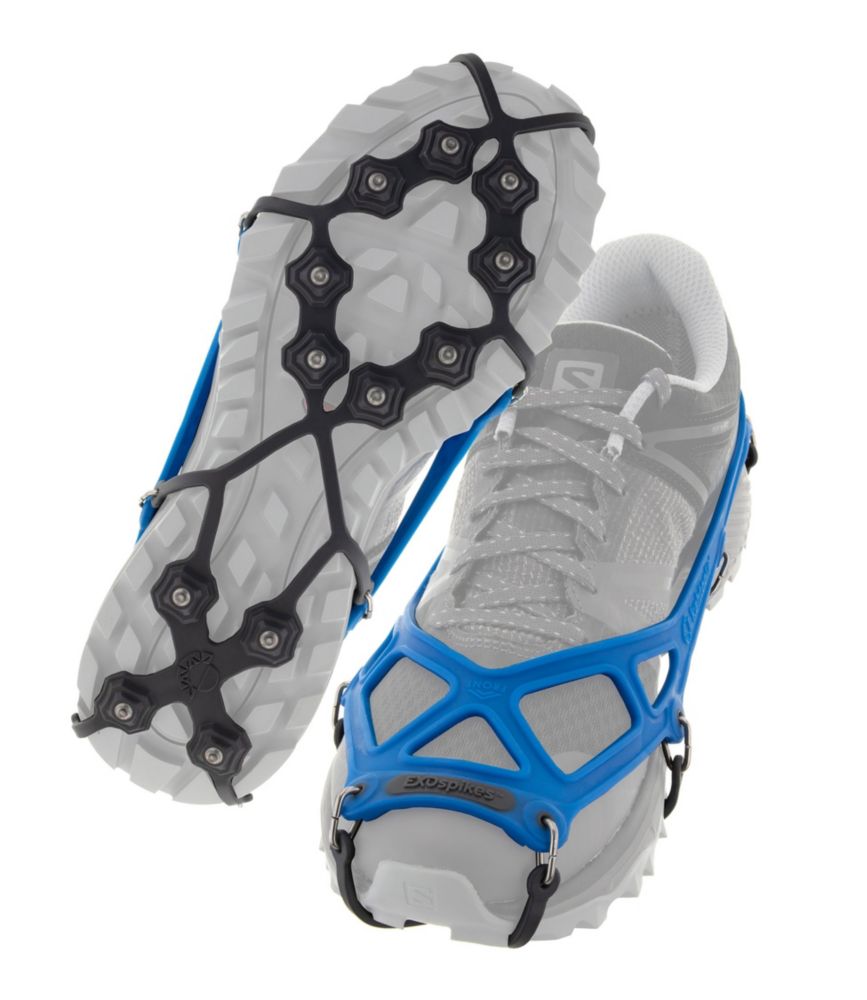
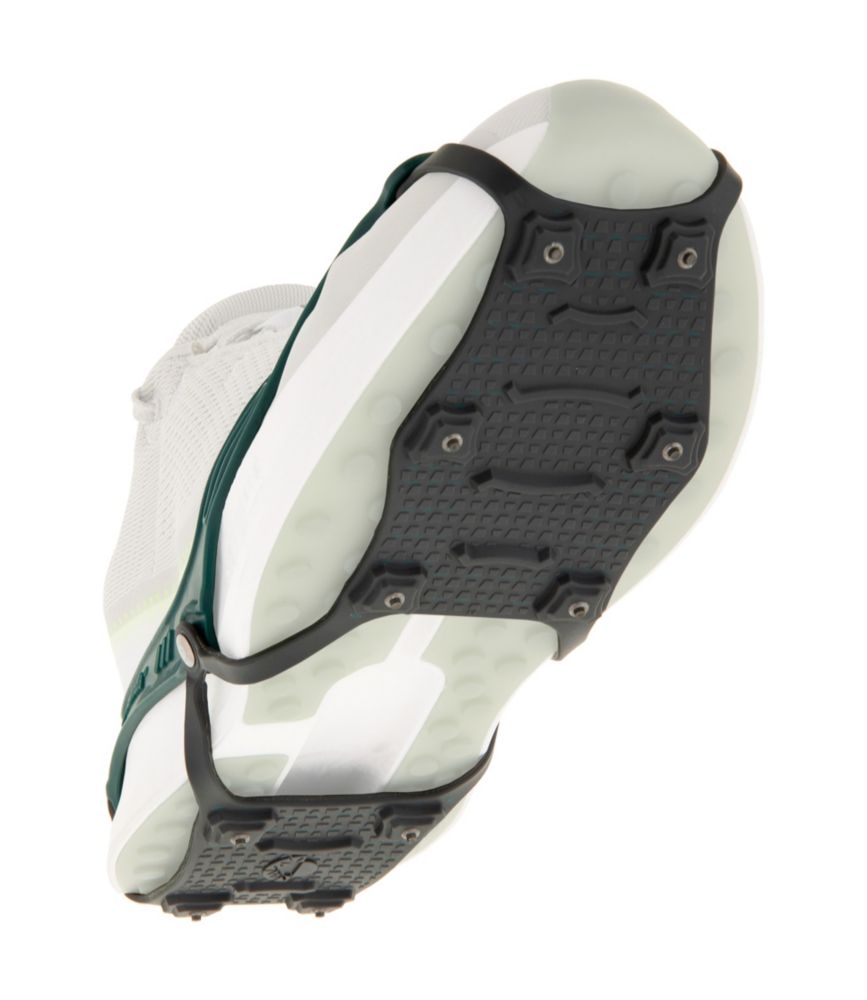
Adults' Kahtoola EXOspikes Footwear Traction
Kahtoola Adults' Kahtoola EXOspikes Footwear Traction
Blue aluminum traction cleats with 12 tungsten carbide spikes per foot and a secure elastomer harness.
(0)
$79.95 $79.95
SALE
$79.95 $79.95
SALE
Kahtoola NANOspikes V2 Footwear Traction
Kahtoola Kahtoola NANOspikes V2 Footwear Traction
A lightweight plastic traction system with 10 tungsten carbide spikes per foot for reliable ice grip.
(0)
$69.95 $69.95
SALE
$69.95 $69.95
SALE
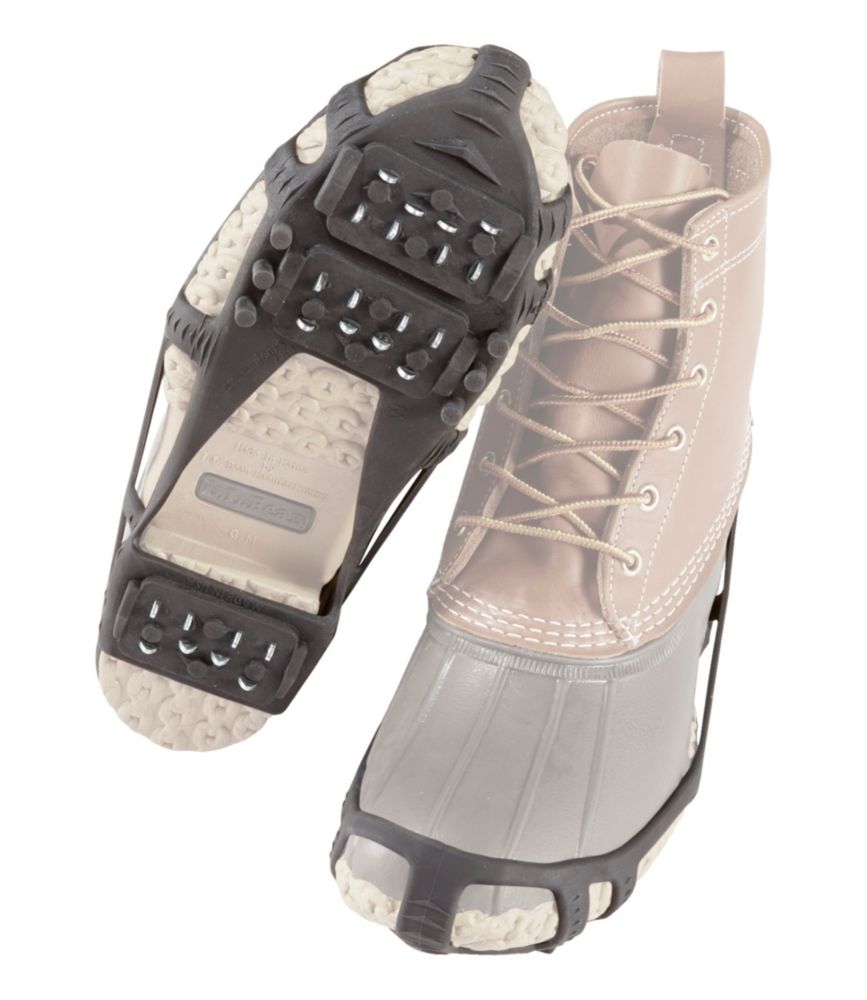
Adults' Stabilicers Walk Traction Device
Black traction cleats with case-hardened steel studs and latex-free elastomer, slipping easily over most footwear.
(2,275)
$39.95 $39.95
SALE
What customers like:
Improves safety
Easy to apply
Durable
Great traction
Prevents slipping
$39.95 $39.95
SALE
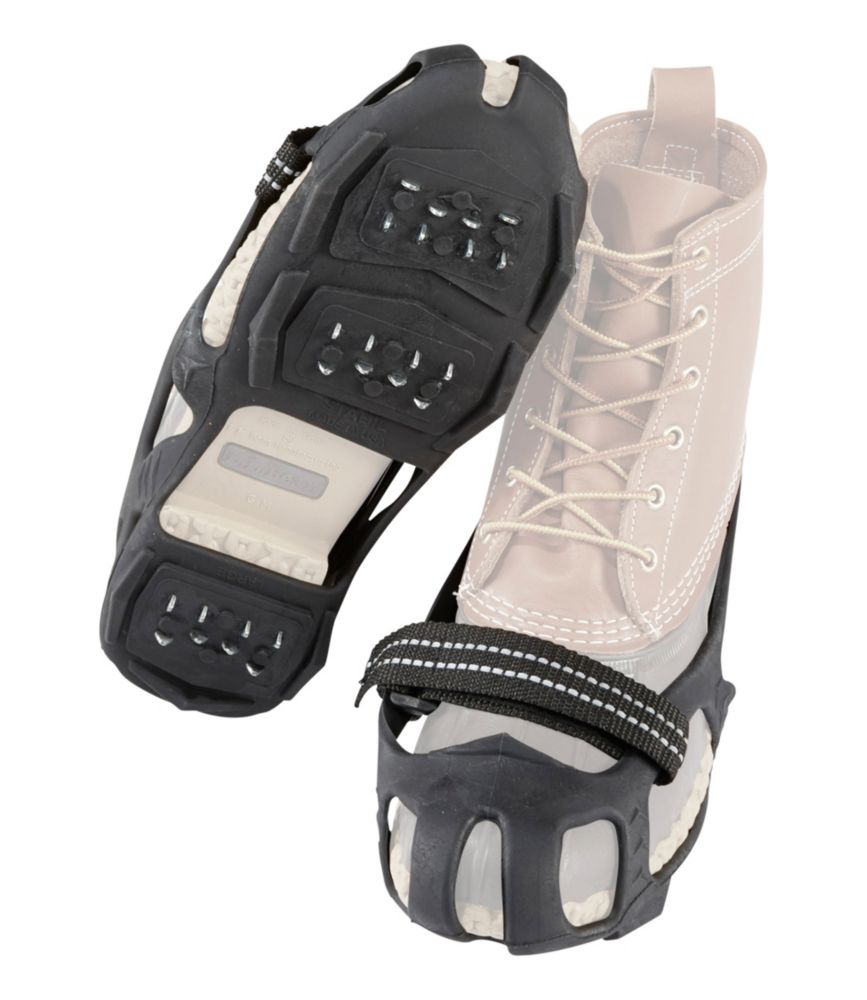
Adults' Stabilicers Bean Traxx Traction Device
L.L.Bean Adults' Stabilicers Bean Traxx Traction Device
A black traction device with durable TPE construction, heat-treated steel cleats, and secure stay-put bindings.
(590)
$44.95 $44.95
SALE
What customers like:
Well-made design
Easy to attach
Enhanced safety
Secure fit
Excellent traction
$44.95 $44.95
SALE
Kahtoola MICROspikes Footwear Traction
Kahtoola Kahtoola MICROspikes Footwear Traction
A black traction system with 12 stainless-steel spikes per foot for grip on icy, snowy terrain.
(172)
$89.95 $89.95
SALE
What customers like:
Provides warmth
Flexible design
Good fit
Nice color
Keeps feet dry
$89.95 $89.95
SALE
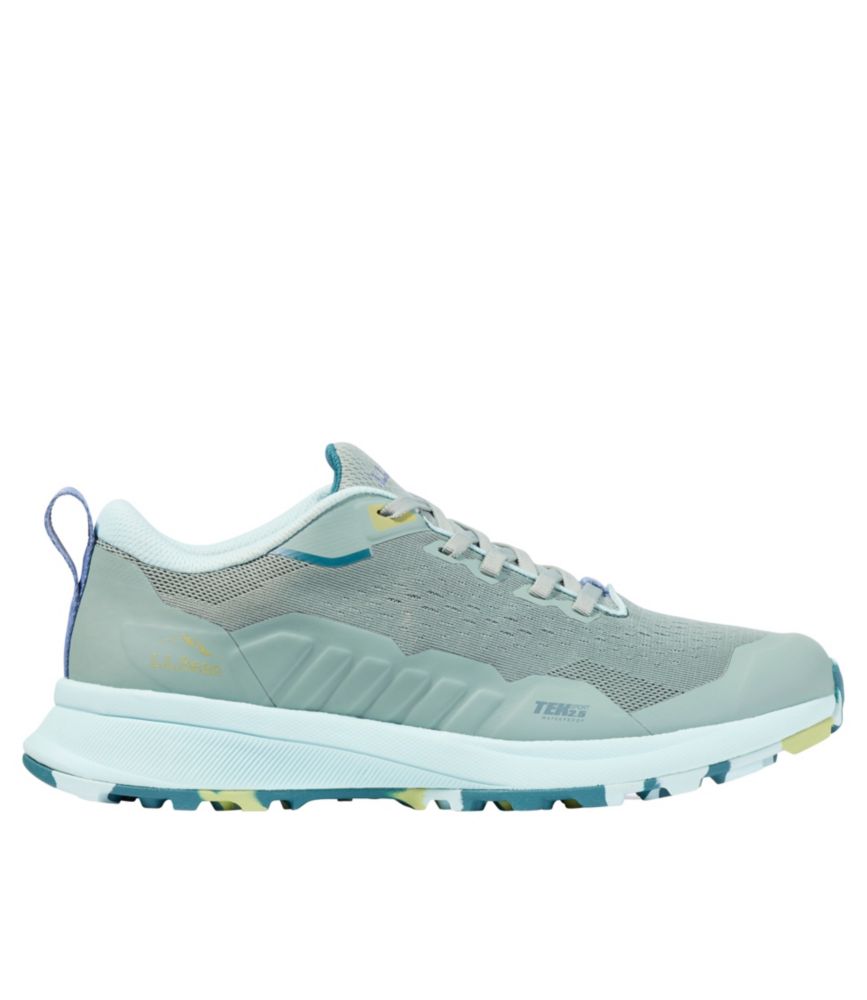
Women's Elevation Trail Shoes, Waterproof
L.L.Bean Women's Elevation Trail Shoes, Waterproof
A green waterproof trail shoe with recycled-mesh upper, rock plate and grippy rubber outsole for wet-weather traction.
(0)
$130 $130
SALE
$130 $130
SALE
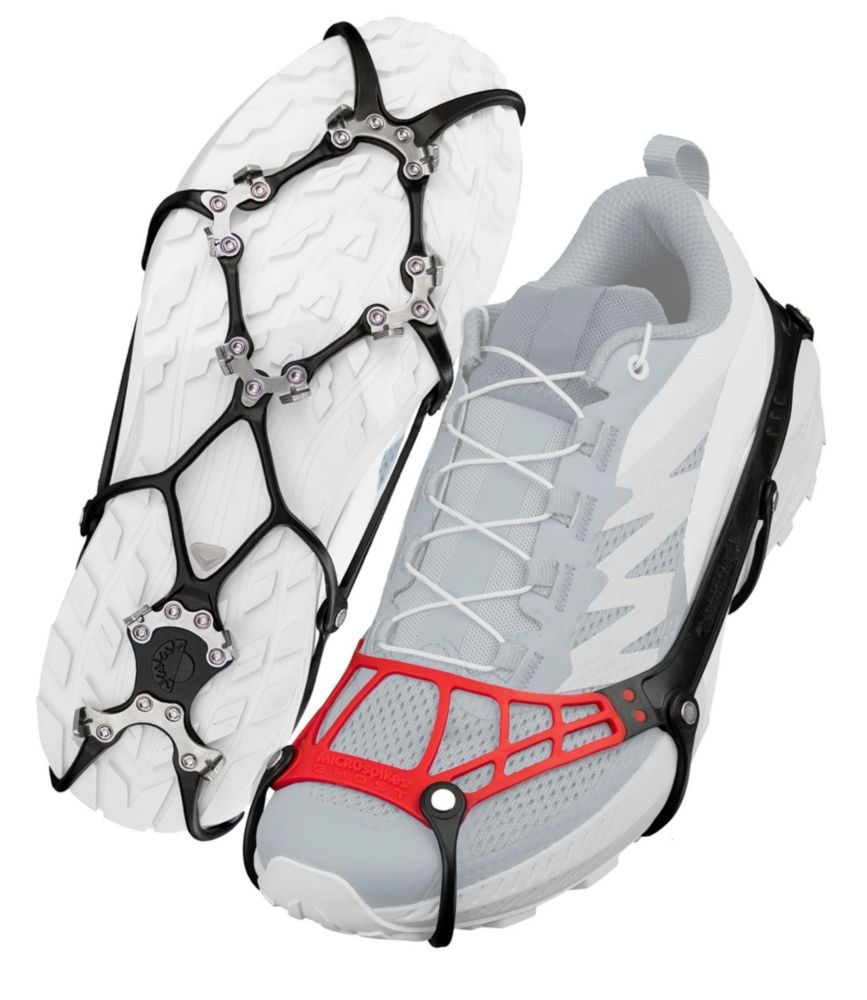
Kahtoola MICROspikes Ghost Footwear Traction
Kahtoola Kahtoola MICROspikes Ghost Footwear Traction
A red traction system with 12 stainless-steel spikes and lightweight elastomer harness for snow and ice.
(0)
$109.95 $109.95
SALE
$109.95 $109.95
SALE

Removable Traction for Winter Running

Winter running brings a different character to familiar routes: bare branches over a neighborhood street, a quieter stretch past the park, and the simple satisfaction of keeping a favorite routine going. Removable traction for winter running belongs in that seasonal gear conversation, with the choice centered on the running footwear it will accompany and the use described by its manufacturer. This collection puts that category in focus for runners considering what belongs alongside the shoes already waiting by the door. A short neighborhood loop and a longer planned run can be equally meaningful parts of someone’s week, but they do not make every equipment choice interchangeable. The relevant details are the ones that connect a traction design to the runner’s actual footwear, intended activity and preferences. For someone who runs before the household gets busy, equipment decisions may revolve around an established morning routine. For another runner, a weekend outing with a friend may be the occasion that brings winter running gear into consideration. Neither situation calls for choosing by appearance alone. A clear description of intended use is more useful than a general winter label, especially when comparing equipment that may look similar at a glance. Removable traction is a distinct part of the overall setup, not a reason to assume that every winter route or surface is suitable for running. Conditions and individual product directions still deserve attention each time a run is planned. The appeal of browsing a focused collection is the opportunity to keep the comparison relevant: traction intended for winter running, considered in relation to the shoes, routines and choices of the person who will use it. That keeps the emphasis on a thoughtful match rather than on adding equipment without a clear purpose.

Fit is an important part of that match, and the useful details go beyond recognizing a familiar size on a label. Any stated footwear requirements, measurements and sizing guidance should be considered together, using the running shoes that will actually be worn rather than a different pair kept nearby. A usual shoe size can be a starting point for reading a size chart, but the manufacturer’s guidance is the reference for a particular traction design. For a runner who alternates between pairs of shoes, compatibility with one pair should not simply be assumed to carry over to another. The same care applies when choosing for someone else: knowing which running shoes the recipient uses is more helpful than knowing only an approximate size. Materials and construction also belong in the comparison, without assuming that every design uses the same components or has the same requirements. Those specifics are best understood through the individual product information, alongside directions for fitting, removal and care. Photographs can show appearance, while written details provide context that a picture alone cannot supply. For anyone comparing several choices, it helps to distinguish a stated feature from an expectation based on how something looks. An attachment that appears familiar, for example, is still worth reviewing according to its own directions. Durability deserves the same thoughtful attention. Construction information, care requirements and any manufacturer-provided inspection guidance are more useful than judging expected service life by appearance alone. The goal is not to find the longest feature list; it is to understand what a design is intended for and what ownership involves. A runner who likes to read through equipment details may approach that comparison differently from someone replacing familiar gear, but both benefit from clear sizing, intended-use and care information. Those practical considerations give the selection a place in an existing running routine, rather than leaving the decision at a broad description such as winter gear.

Care and storage are part of the picture after the choice is made. Manufacturer directions should determine how removable traction is cleaned, inspected and put away, since a method used for another piece of equipment may not apply. Keeping those directions accessible makes them easier to consult when a care question comes up, whether after a run or before returning to winter running later on. A regular place for running equipment can also give the routine a familiar rhythm: shoes beside the door, the day’s plans settled, and the relevant gear accounted for before heading out. That ordinary household setting is often where the most useful buying considerations become clear. Someone sharing a small entryway may think carefully about where equipment will be kept; someone who keeps detailed notes on running gear may pay particular attention to care and inspection information. These are personal preferences, not reasons to assume that one design serves every runner. Removable traction can also be a considered gift for a person who has specifically expressed an interest in winter running equipment. In that case, knowing the recipient’s footwear and preferences matters more than choosing something that merely looks appropriate to the season. A gift connected to an established interest can feel personal, but fit-dependent equipment is best selected with enough information to make the choice meaningful. For a separate winter footwear category, explore Winter Boots With Traction. Within this collection, the focus remains on removable traction for winter running and the details that help distinguish an appropriate match. Whether the purchase is for an established routine or a carefully considered gift, the strongest starting point is the same: the intended runner, the actual footwear and the manufacturer’s information. Together, those details keep the decision grounded in how the equipment is meant to be used and cared for.

FAQs