It's time to upgrade your browser

Your current browser is no longer supported on llbean.com. Please upgrade to one of the following for a smoother, safer shopping experience with us:

Polyester Tunics

Shop polyester tunics for a longer-length alternative to a standard top. Explore the selection and compare fabric content, fit and length in each product’s details to find a tunic that suits your wardrobe and preferred silhouette.

Read More
Women's Airlight Knit Pullover
L.L.Bean Women's Airlight Knit Pullover
A black polyester quilted pullover that wicks moisture, dries quickly, and offers UPF 50+ protection.
(3,934)
$79.95 $79.95
SALE
What customers like:
Good quality
Lightweight
Warm
Comfortable
Flattering style
$79.95 $79.95
SALE
Women's Ridgeknit Crossneck Pullover
L.L.Bean Women's Ridgeknit Crossneck Pullover
A purple textured pullover in a stretchy polyester blend with moisture-wicking, quick-drying comfort and a funnelneck.
(731)
$89.95 $89.95
SALE
$89.95 $89.95
SALE
Women's VentureStretch Ottoman-Rib Pullover, Cropped
L.L.Bean Women's VentureStretch Ottoman-Rib Pullover, Cropped
A tan cropped performance pullover in recycled polyester with UPF 50+, moisture-wicking stretch, and drawcord hem.
(0)
$59.95 $19.99
SALE
$59.95 $19.99
SALE
Women's Ridgeknit Crewneck Pullover
L.L.Bean Women's Ridgeknit Crewneck Pullover
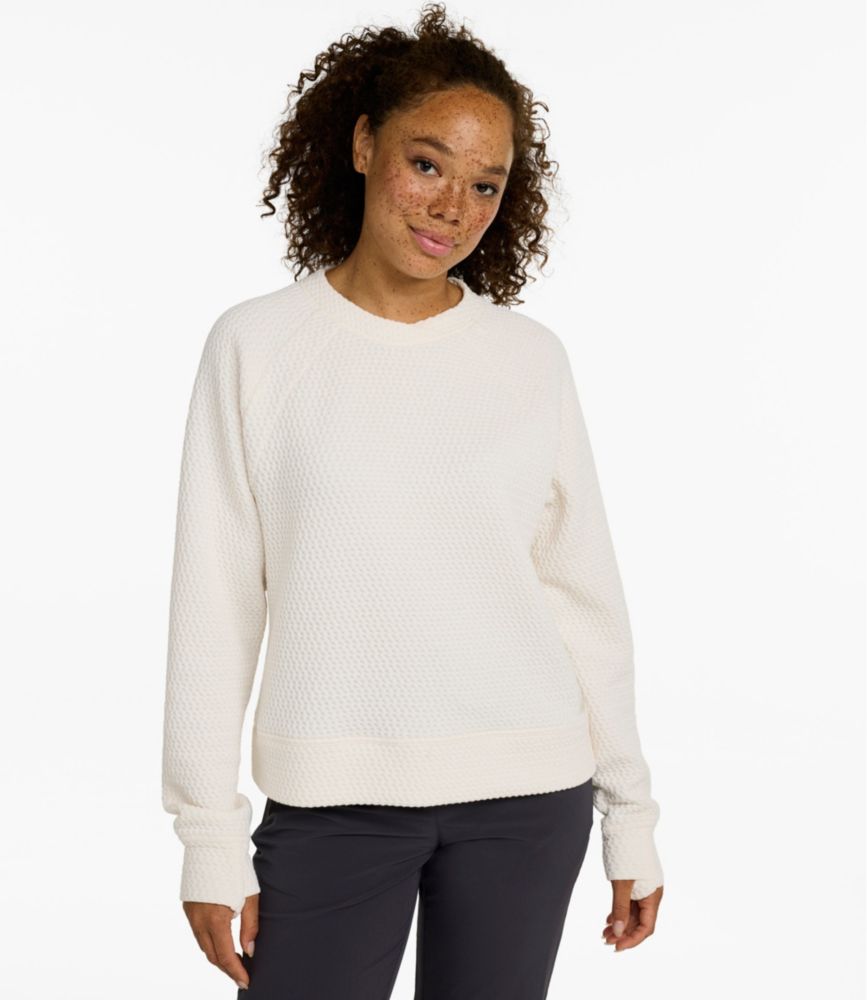
A white polyester-blend pullover with UPF 50+, four-way stretch, moisture-wicking fabric, and thumbholes.
(0)
$79.95 $79.95
SALE
$79.95 $79.95
SALE
Women's VentureStretch Ottoman 1/4 Zip Pullover
L.L.Bean Women's VentureStretch Ottoman 1/4 Zip Pullover
A purple polyester-blend quarter-zip pullover with UPF 50+ protection, moisture-wicking stretch, and a zippered chest pocket.
(0)
$79.95 $64.99
SALE
$79.95 $64.99
SALE
Women's Mountainside Micro Waffle Pullover
L.L.Bean Women's Mountainside Micro Waffle Pullover
A purple waffle-knit pullover in recycled polyester blend with moisture-wicking, quick-drying stretch and a kangaroo pocket.
(0)
$69.95 $54.99
SALE
$69.95 $54.99
SALE

Polyester Tunics

Polyester tunics combine a familiar fiber with the distinctive proportions of a longer top. The tunic silhouette is generally defined by a hem that extends below the waist, although its exact length and shape vary from garment to garment. That longer line gives the style its character: the eye follows the top from the neckline through the hem, making length, proportion and finishing details especially noticeable. Polyester identifies the fiber, while the full composition belongs in each garment’s description or fiber-content label. The name alone does not describe the fabric’s texture, thickness or appearance, so those individual details help distinguish one tunic from another. The same is true of shape. A straight silhouette has a different outline from one with a defined waist or a hem that widens gradually, even when both are described as tunics. Necklines also contribute to the overall impression. A rounded neckline creates a different frame from a V-shaped or split neckline, while a collar adds another visual element. Sleeve length, cuff shape and the placement of seams can change how the proportions come together without changing the essential identity of the top. Surface details deserve attention, too: a solid color emphasizes the silhouette, while a print introduces pattern and scale. These are useful distinctions for anyone drawn to longer tops but looking for a particular expression of personal style. The appeal is not tied to one body shape, age or way of dressing. Some people prefer an uncomplicated outline with few visible details; others enjoy a more defined neckline, an interesting hem or a pattern that becomes the focal point. Polyester tunics offer a category to explore through those individual preferences, with the garment’s actual description and measurements providing the clearest picture of its design. Looking beyond the category name makes room for the details that turn a general style preference into a more personal choice.

Fit is especially important with a tunic because the relationship between body length and garment length changes the entire silhouette. A hem that reaches the upper thigh on one person may sit nearer the hip on someone with a longer torso. Product photography provides a useful impression, but a stated length, when provided, is a more concrete point of comparison. Measuring a favorite top from the same reference points can help put that number in context. Shoulder placement, bust measurements and the cut through the waist and hips matter alongside overall length; a longer top is not necessarily a looser top. A straight-cut tunic and a shaped tunic can have similar lengths but look quite different through the body. The intended fit description is therefore worth considering separately from the size label. Sleeve proportions deserve the same attention, including where the sleeve ends and how closely the cuff follows the wrist or arm. Hem shape adds another distinction. A level hem creates a continuous horizontal line, while a curved or uneven hem changes the outline at the sides or back. If side openings are part of the design, their placement is another detail to note rather than assume. When putting an outfit together, the longer silhouette can be the starting point for deciding how much volume or definition feels right. A narrower shape below the hem emphasizes the tunic’s length; a fuller shape creates a different balance. Neither approach needs to follow a rule about who should wear it. The useful question is whether the proportions reflect the look the wearer enjoys. A simple neckline can leave the focus on the garment’s shape, while a more detailed neckline may become the main visual feature. Small differences like these help make comparisons meaningful, especially when two tops appear similar at first glance. For people who already know they prefer longer tops, comparing familiar measurements and design details can be more helpful than relying on a silhouette name alone.

Care and construction are part of that comparison, too, without needing to make assumptions about every polyester garment. The care label is the reference for washing, drying and any pressing instructions, including directions that apply to trim or other components. Those details belong to the finished garment, not just its main fiber. When reviewing a tunic, checking its care requirements alongside its measurements gives a fuller picture of what ownership involves. A garment’s description may also explain its construction, closures or finishing, offering details that are not always clear in a photograph. For durability considerations, those individual construction details are more useful than a broad promise based on polyester alone. Close-up images, when provided, can help show seam placement, neckline finishing, cuffs and the hem. A clear look at the back is helpful as well, since front and back lengths or shaping may differ. These practical details sit naturally beside the more personal choices of color, pattern and proportion. A tunic does not need elaborate decoration to feel distinctive; a particular neckline, a well-considered outline or a pattern in a scale the wearer enjoys may be enough. Someone building around familiar favorites might gravitate toward similar proportions, while someone looking for a different silhouette may focus on a change in length or shaping. The Polyester Shirts collection provides another point of comparison for those considering a broader range of top silhouettes. Within polyester tunics, the longer profile remains the defining feature, with each garment’s specifications filling in the important differences. The most useful choice brings together a preferred shape, suitable measurements and care requirements that fit the owner’s preferences. That keeps the focus on the actual garment and the person wearing it: a straightforward approach to finding a longer top with a sense of personal style.
Read More

FAQs