It's time to upgrade your browser

Your current browser is no longer supported on llbean.com. Please upgrade to one of the following for a smoother, safer shopping experience with us:

Nylon Tunics

Explore nylon tunics for the longer silhouette of a tunic top in a style that feels like you. Compare lengths and sizing to find your preferred fit, and check each product’s fabric composition and care details before choosing.
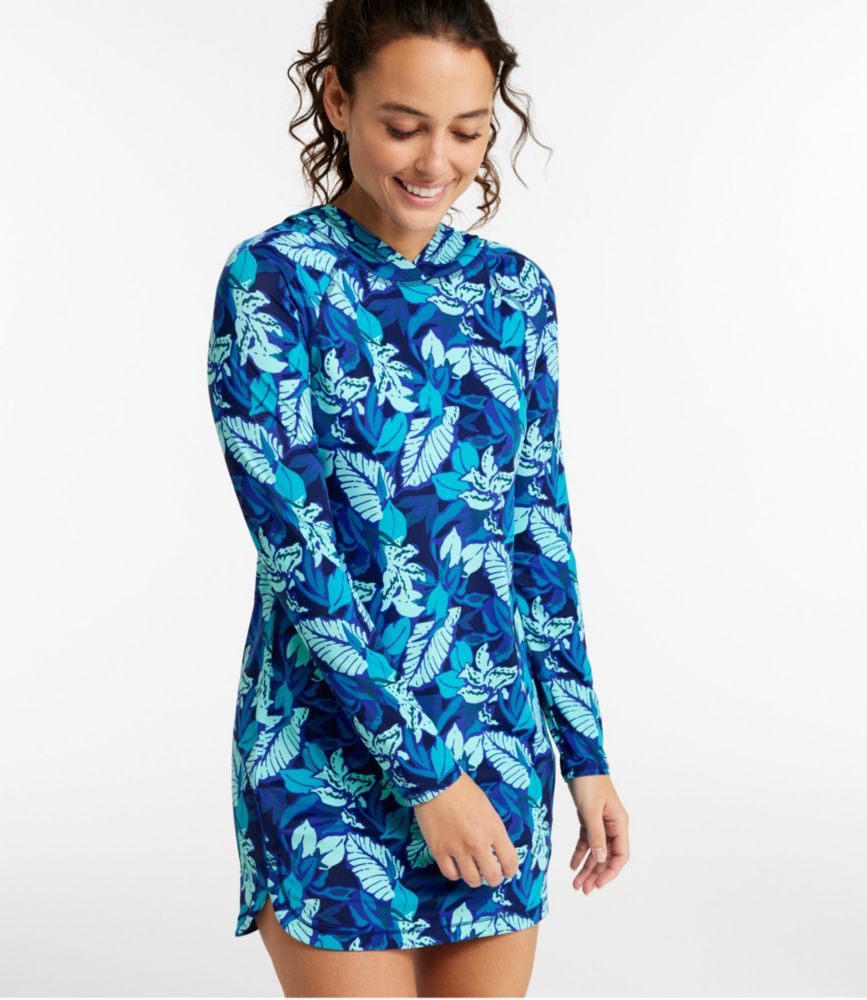
Women's SunSmart® UPF 50+ Sun Shirt, Hooded Tunic Print
L.L.Bean Women's SunSmart® UPF 50+ Sun Shirt, Hooded Tunic Print
A printed hooded swim tunic in recycled nylon blend with UPF 50+ protection and quick-drying comfort.
(0)
$79.95 $31.99
SALE
$79.95 $31.99
SALE
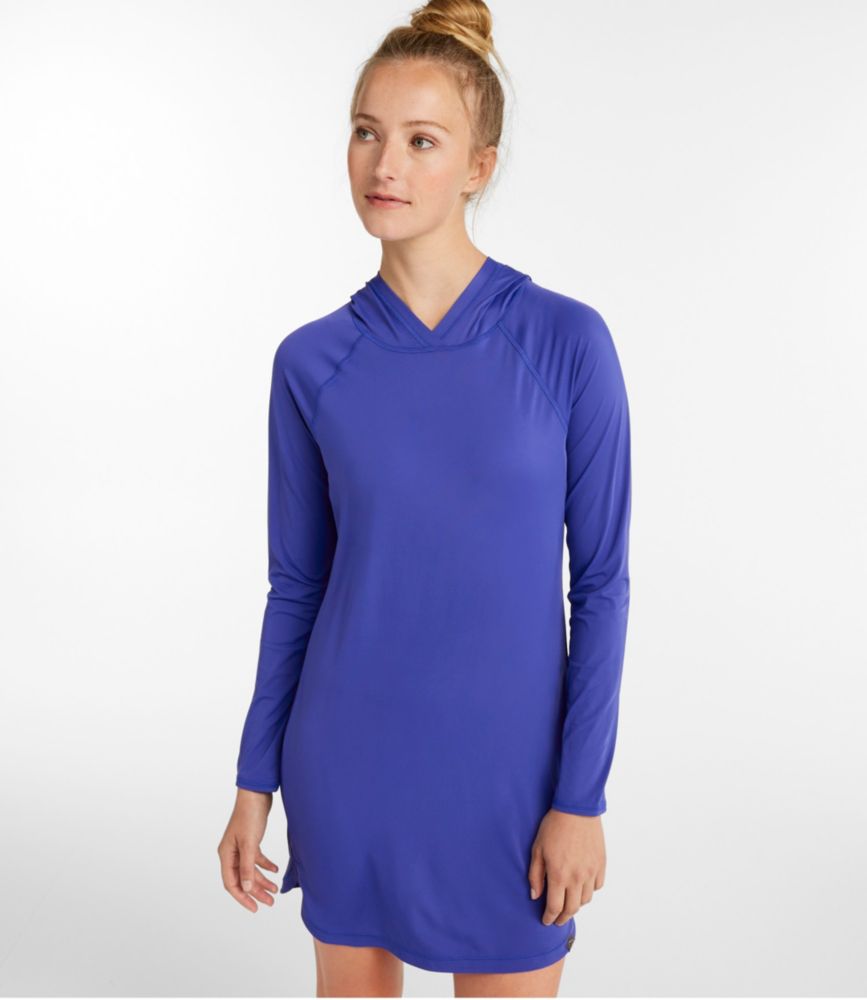
Women's SunSmart® UPF 50+ Sun Shirt, Hooded Tunic
L.L.Bean Women's SunSmart® UPF 50+ Sun Shirt, Hooded Tunic
A blue hooded sun shirt in recycled nylon blend with UPF 50+, moisture-wicking, quick-drying comfort.
(0)
$79.95 $39.99
SALE
$79.95 $39.99
SALE
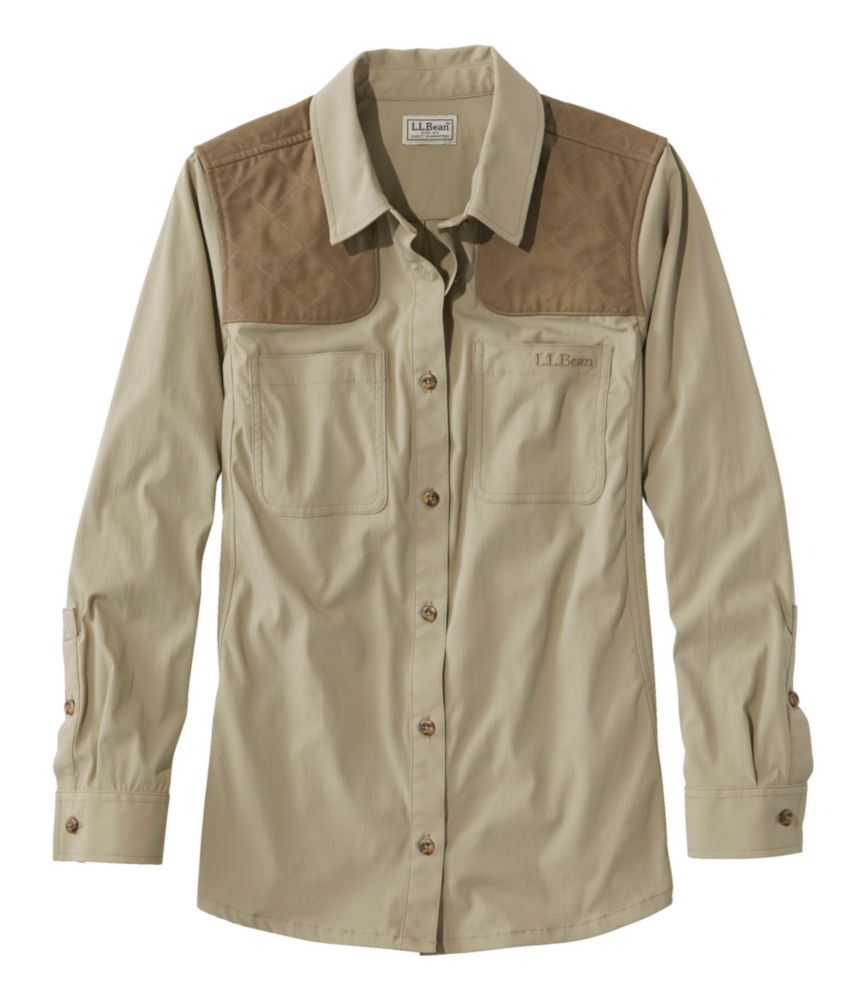
Women's Stretch Upland Field Shirt
L.L.Bean Women's Stretch Upland Field Shirt
A women's stretch nylon field shirt with cotton overlay, chest pockets, and briar-resistant rugged construction.
(22)
$89.95 $89.95
SALE
What customers like:
High-quality material
Durable construction
Well-finished details
$89.95 $89.95
SALE
Women's No Fly Zone Explorer Shirt
L.L.Bean Women's No Fly Zone Explorer Shirt
A pink insect-repellent nylon explorer shirt with UPF 50+ protection, roll-up sleeves, and easy-care seersucker fabric.
(0)
$89.95 $89.95
SALE
$89.95 $89.95
SALE
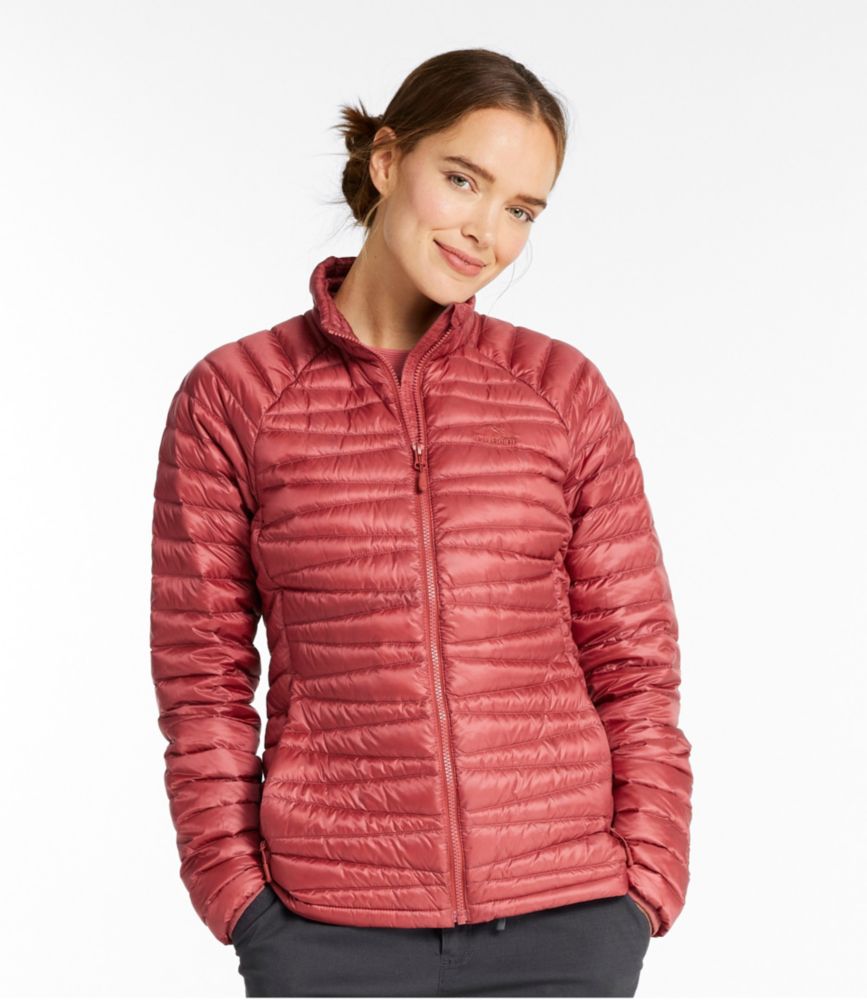
Women's Ultralight 850 Down Sweater
L.L.Bean Women's Ultralight 850 Down Sweater
An orange ultralight down jacket with 850-fill water-repellent insulation, recycled nylon, and packable, wind-resistant warmth.
(1,069)
$230 $230
SALE
What customers like:
Flattering fit
Lightweight
Warm and cozy
Great color
Comfortable
$230 $230
SALE

Nylon Tunics

Nylon tunics bring together a familiar material and a longer-top silhouette, with plenty of room for personal style in the details. Nylon identifies a fiber used in the garment; tunic describes its shape and length. Those two words provide a starting point, but the individual description tells more about the neckline, sleeves, proportions, and overall fit. A tunic generally has a longer line than a standard top, although the exact hem placement depends on both the garment and the person wearing it. The same measured length can fall differently on two people with different heights or torso proportions, making actual measurements more useful than a photograph alone. Comparing the listed length with a favorite top, measured from the same starting point, gives a familiar reference. Notice where that favorite top ends in relation to the hips and how much longer or shorter the preferred tunic would be. Shoulder placement matters, too: a defined shoulder seam creates a different outline from a dropped shoulder, while the sleeve shape contributes to the overall proportion. For a closer-fitting silhouette, bust and hip measurements deserve attention together, particularly when the hem extends below the fullest part of the hips. For a roomier look, the size chart and fit description are better starting points than automatically choosing a larger size. A larger size changes several dimensions at once, including the shoulders and neckline, rather than simply adding width through the body. Personal preference completes the picture. Some people favor a straight outline, others prefer more definition through the waist, and others like a shape that gradually widens toward the hem. None of these approaches is the single right way to wear a tunic. The most useful choice is one whose proportions match the look the wearer already enjoys, whether that means a neatly defined shape or a more relaxed line.

The appeal of a nylon tunic also lies in how its longer proportions work with the rest of an outfit. A straight-leg pant creates one kind of balance, while a narrower pant places more emphasis on the outline of the top. Wider pants can create a fuller silhouette from shoulder to hem, especially when the tunic itself has a generous shape. These are visual choices rather than rules, and a favorite pair of pants is often the best place to begin. Picture the two pieces together: where the tunic ends, how much of the pant remains visible, and whether the overall outline feels familiar or introduces a different proportion. A front, back, or side view can reveal details that are easy to miss when considering length alone. Where a style includes a curved hem or side openings, those details affect the visible line of the garment and its relationship to the layer beneath. Necklines add another point of distinction. A more open neckline draws attention toward the collarbone, while a higher neckline creates a more enclosed frame around the face. Sleeve length and width also influence the balance between the upper and lower halves of an outfit. Color and pattern can be considered in the same practical way: a shade already repeated in a wardrobe may be simpler to coordinate than one that calls for an entirely different combination. A familiar pattern scale can make a different silhouette feel more personal without changing the whole outfit. For another interpretation of the longer-top shape, Knit Tunics provide a related category to explore. Comparing silhouettes across categories can clarify whether the strongest preference is for a particular length, neckline, sleeve shape, or degree of fullness. That kind of attention keeps the focus on individual taste rather than treating every tunic as interchangeable. A thoughtful wardrobe does not require every top to have the same outline; a few well-chosen variations can give familiar combinations a different character.

Material information and care directions round out the choice of a nylon tunic. The full fiber-content listing is more informative than the category name alone, since it identifies the garment’s composition rather than leaving the details to assumption. Nylon content by itself does not establish a particular weight, texture, amount of stretch, or care routine. Those details belong to the individual garment description and label. Someone who prefers a particular feel can use a familiar top as a reference, then compare any stated fabric details before deciding. The same approach applies to care: a routine that suits one garment should not automatically be carried over to another simply because both contain nylon. Read the directions for washing, drying, and ironing, including any instructions about closures or decorative details. A preference for machine washing, air drying, or another care method is worth considering alongside fit and appearance, rather than after a top has become part of the wardrobe. Storage deserves the same individual attention; the garment’s instructions are the starting point when choosing between folding and hanging. Questions about durability are also best considered at the garment level, using the available construction information instead of treating the fiber name as a promise about how every tunic will wear. Details such as seam finishing, hems, and any fastenings provide more specific points of comparison when they are described. For a gift, a recipient’s favorite longer top can offer useful clues about preferred length, neckline, and silhouette, while a known size and care preference can make the choice more personal. The goal is not to guess a whole new style for someone, but to recognize what already feels like them. Whether choosing for a familiar wardrobe or giving a thoughtful gift, nylon tunics are best considered as individual designs: longer tops whose appeal comes from the combination of proportion, detail, and personal preference, with the product information supplying the specifics that the category name cannot.

FAQs