It's time to upgrade your browser

Your current browser is no longer supported on llbean.com. Please upgrade to one of the following for a smoother, safer shopping experience with us:

Polyester Sandals

Shop polyester sandals and compare material composition, sizing and fit to find the right pair for you. Check each style’s product details to see where polyester is used and how the sandal is constructed.
Read More
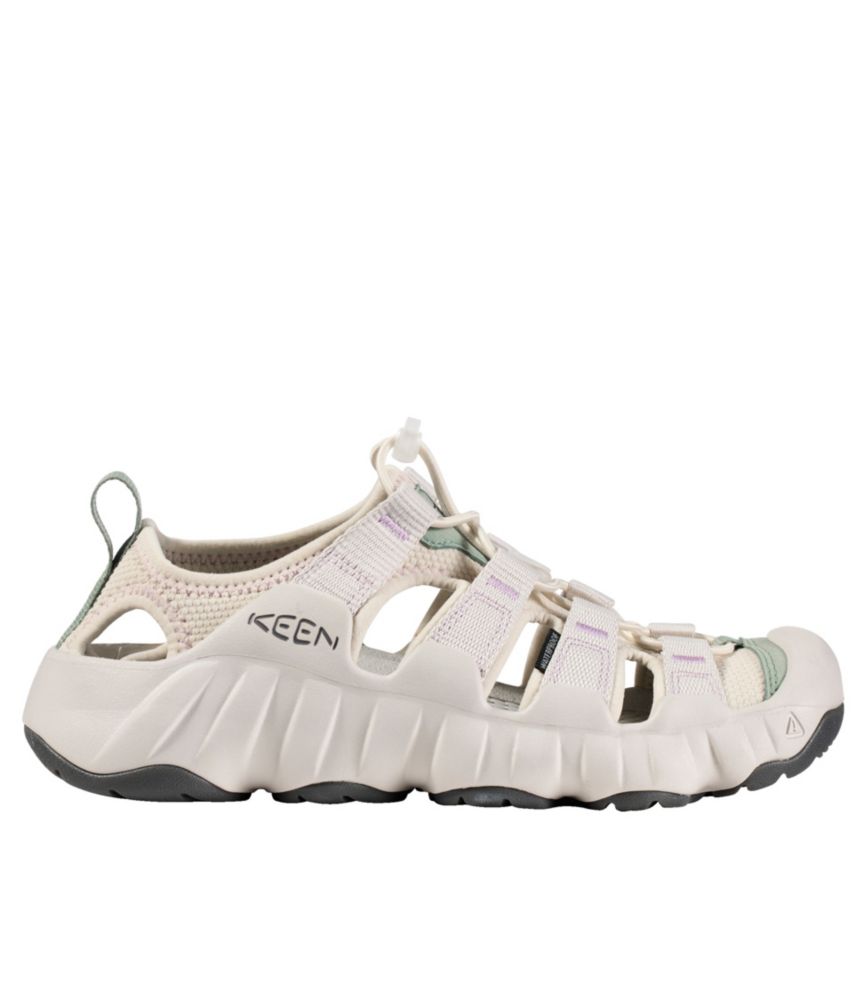
Women's Keen Hyperport H2 Sandals
Keen Women's Keen Hyperport H2 Sandals
A white polyester sandal with quick-dry lining, foam cushioning, and grippy rubber traction.
(0)
$120 $120
SALE
$120 $120
SALE
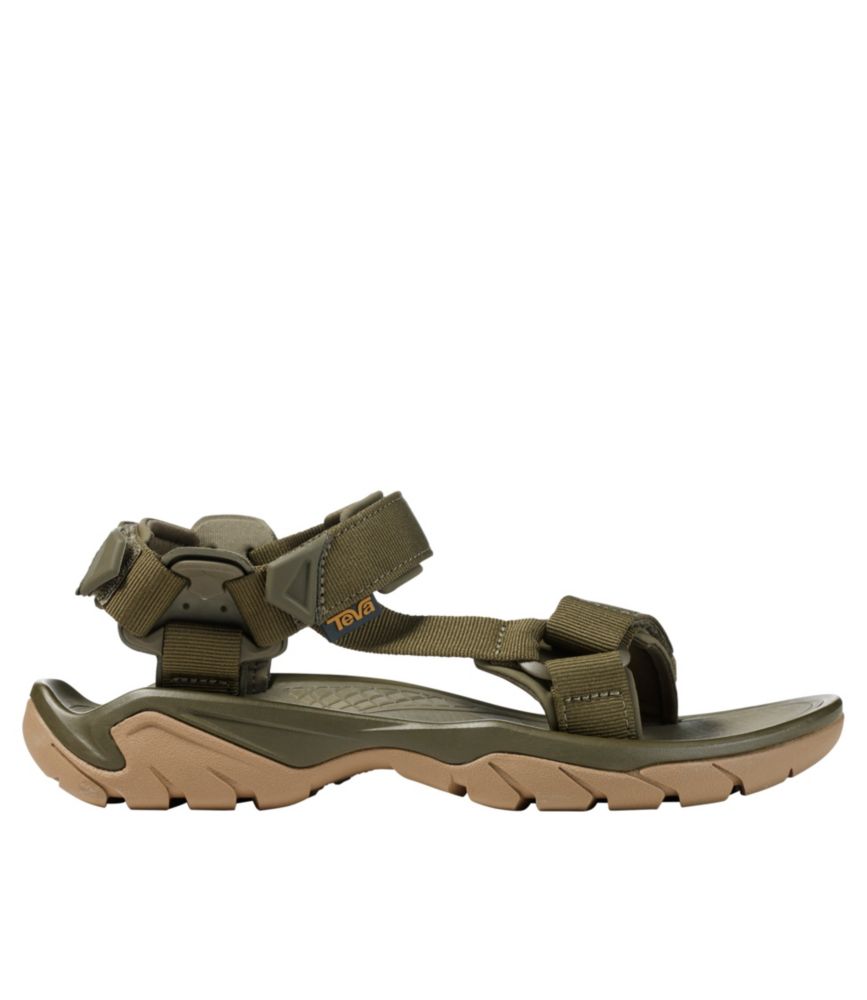
Men's Teva Terra Fi 5 Universal
Teva Men's Teva Terra Fi 5 Universal
A green rubber sandal with quick-drying polyester uppers, cushioned support, and grippy wet-dry traction.
(116)
$120 $120
SALE
$120 $120
SALE
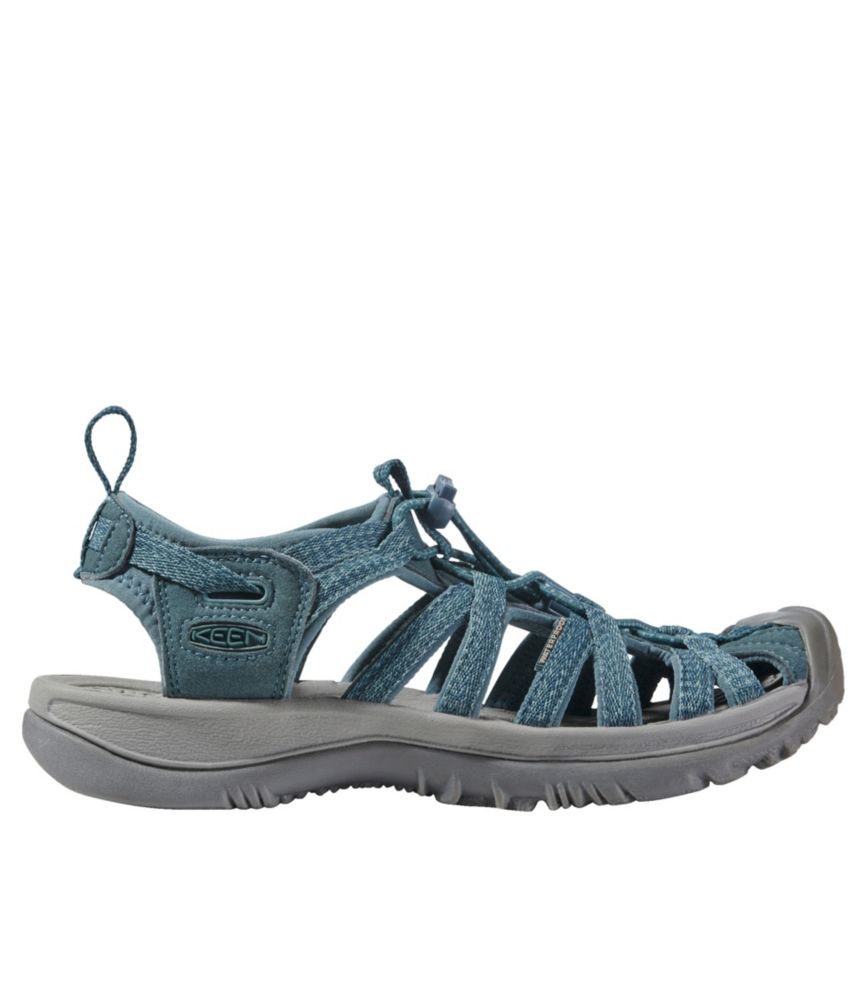
Women's Keen Whisper Sandals
Keen Women's Keen Whisper Sandals
A blue quick-drying sandal with polyester webbing, neoprene lining, EVA cushioning, odor protection, and reliable drainage.
(608)
$120 $120
SALE
What customers like:
Great fit
Useful features
Stylish design
Durable
Perfect for beach walking
$120 $120
SALE
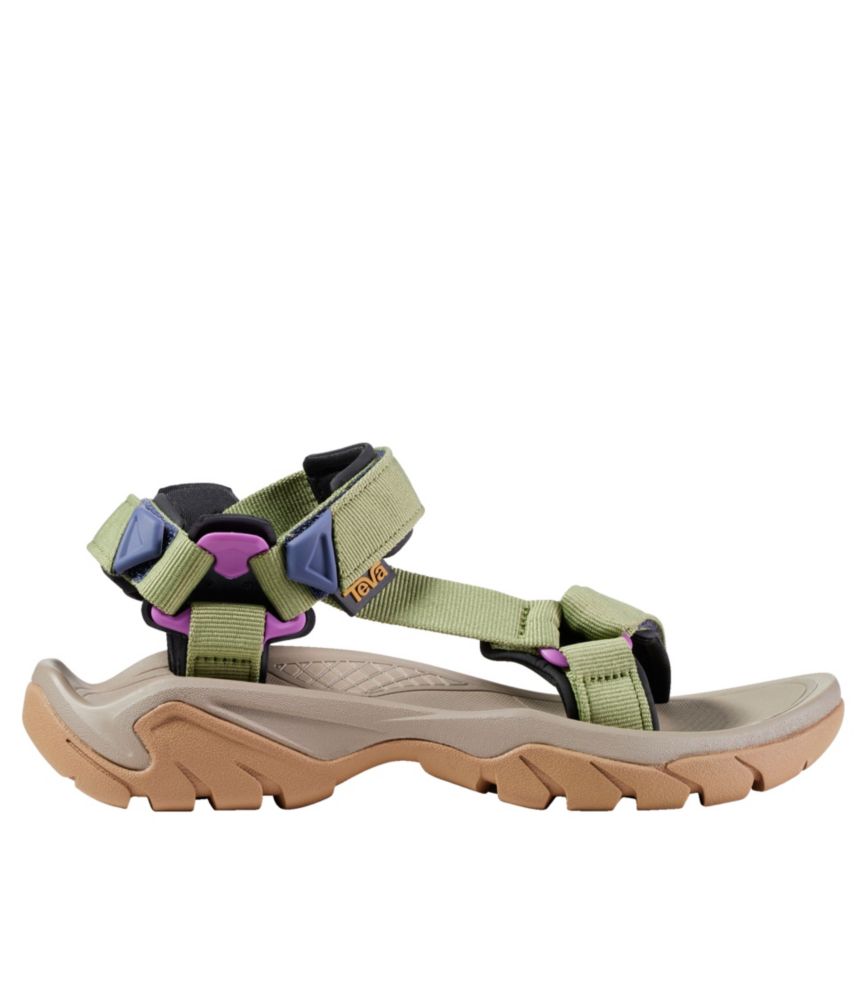
Women's Teva Terra Fi 5 Universal Sandals
Teva Women's Teva Terra Fi 5 Universal Sandals
A green all-terrain sandal with recycled quick-dry webbing, cushioned support, adjustable closures and rugged traction.
(0)
$110 $110
SALE
$110 $110
SALE
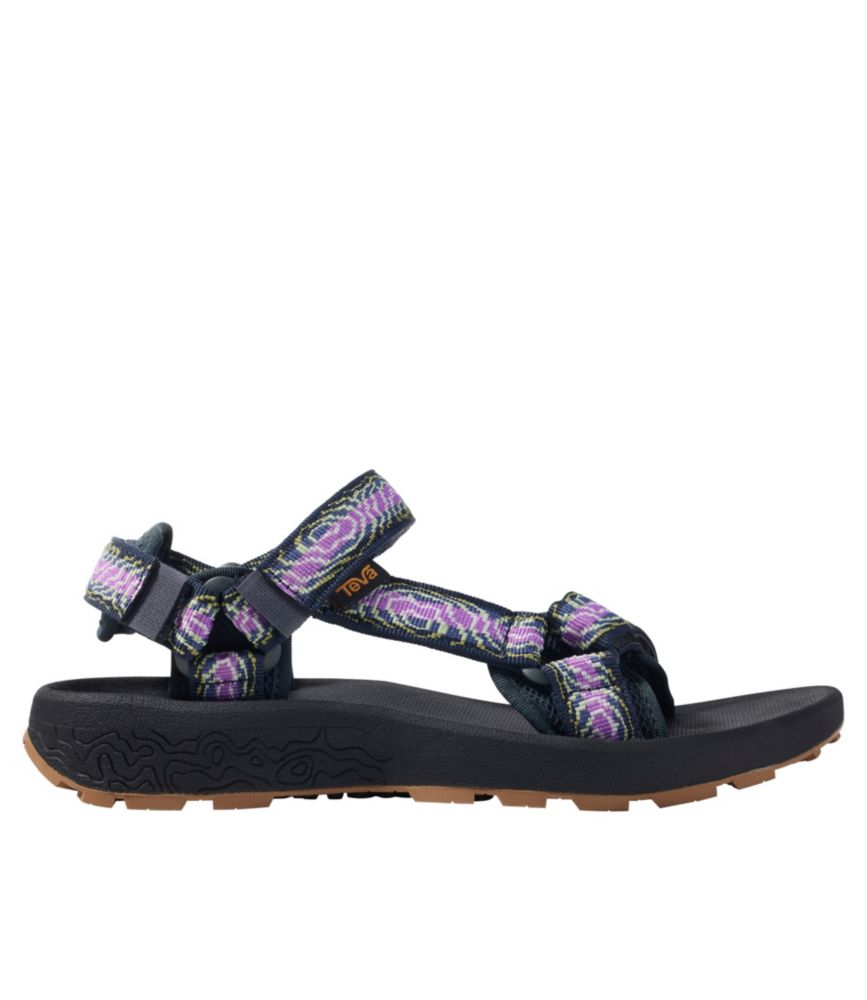
Women's Teva Hydratrek Sandals
Teva Women's Teva Hydratrek Sandals
A purple river-ready sandal with wet-grip rubber outsole, recycled-plastic webbing, and lightweight recycled-EVA midsole.
(0)
$85 $85
SALE
$85 $85
SALE
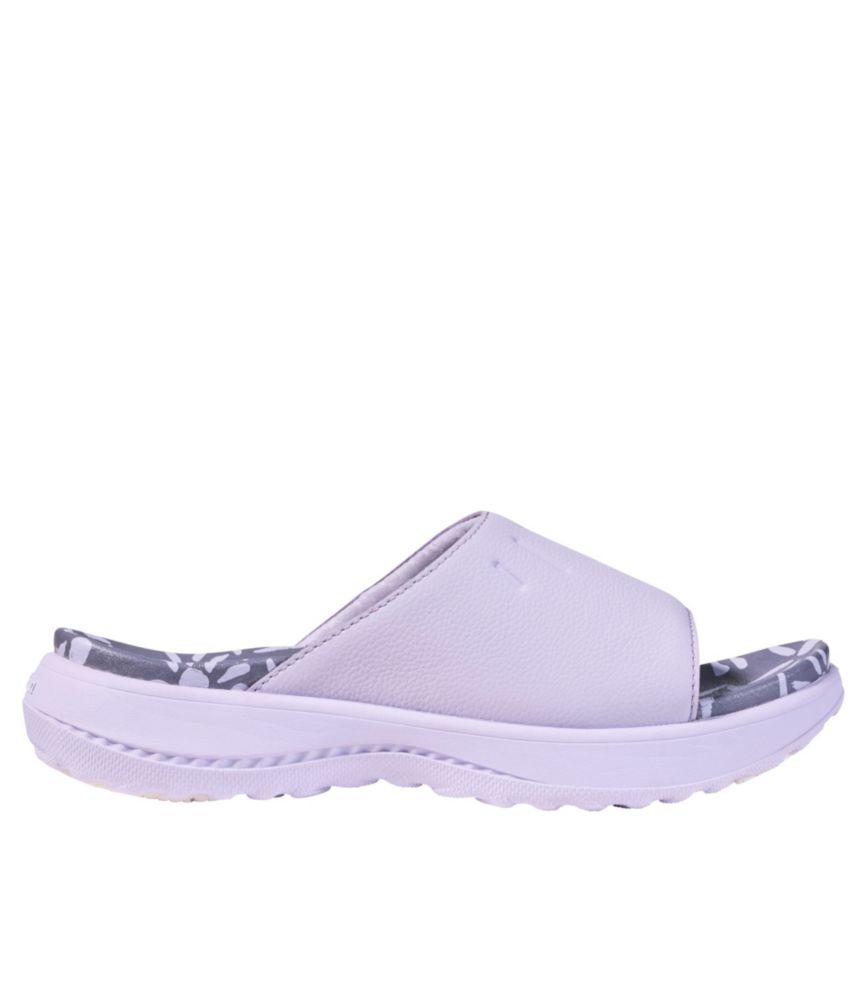
Women's Freeport Slides
L.L.Bean Women's Freeport Slides
A versatile purple leather sandal with cushioned anatomical footbed and grippy rubber outsole for all-day comfort.
(0)
$79.95 $39.99
SALE
$79.95 $39.99
SALE

Polyester Sandals

Polyester sandals bring a familiar footwear shape together with a material that can appear in different parts of the design. The term describes sandals that include polyester, rather than a promise that every component is made from it. A material description is therefore a useful starting point: it can help distinguish polyester used in straps or other upper components from the construction of the sandal as a whole. That distinction matters because the material name alone does not explain how a pair will fit, feel, or perform. Two designs with polyester in their construction may have different shapes, fastening arrangements, and care requirements. Looking at the complete description gives a clearer picture than relying on the category name or a photograph alone. Style is another part of that picture. The arrangement of the straps, the outline of the sole, and the amount of the foot left uncovered all contribute to a sandal’s appearance. A simple silhouette may appeal to someone who prefers understated footwear, while a more detailed strap arrangement may suit a different personal style. Neither approach needs to be complicated; the most useful comparison is with footwear the wearer already enjoys. Notice which shapes look familiar, which details feel appealing, and which designs would fit naturally into an existing wardrobe. Someone who favors clean lines might begin with the overall profile, while someone with a particular fit preference might look first at where the straps cross the foot. Polyester sandals are best understood through these individual details, with material, shape, and personal preference considered together. For anyone comparing other footwear categories that include the same material, Polyester Boots offers another point of reference, though the full construction and fit of each design still deserve separate attention.

Fit deserves particular attention with sandals because the relationship between the foot, straps, and sole is easy to see but not always easy to judge from an image. Start with the measurements and sizing information provided for the design, rather than assuming that a familiar shoe size will translate exactly. Length is only one consideration. Width, the shape of the toe area, and the placement of straps can all influence whether the proportions suit the wearer. When trying on a pair, look at where the heel and toes sit in relation to the edges, then notice how the foot rests across the widest part of the sole. Toes should not need to curl to keep the sandal in place, and straps should not create obvious pressure. If a design has adjustable closures, check the adjustment instructions and consider where those closures sit after fastening. An adjustment feature is a detail to evaluate, not a guarantee that every foot shape will find the right fit. A few unhurried steps during a permitted indoor try-on can reveal something a still photograph cannot: whether the heel shifts, a strap rubs, or the foot moves toward an edge. Compare the fit on both feet, and follow the retailer’s try-on and return requirements. Intended use belongs in the comparison as well, but it should come from the individual sandal’s stated purpose, not from assumptions about polyester. A material label does not establish suitability for a particular activity or setting. Match the description to the wearer’s plans and look for explicit information about any feature that matters to those plans. This approach is especially helpful when choosing a gift. Knowing the recipient’s usual size is a start, but knowing their preferred sandal shape, fit, and fastening style makes the choice more personal. A well-chosen pair should reflect the person receiving it, rather than asking them to adapt to an unfamiliar style.

Care and durability also depend on the whole sandal, not simply the presence of polyester. Different components can have different care requirements, so the instructions supplied with the footwear should take priority over general advice for polyester fabric. Before cleaning, check whether the directions call for a particular method, identify anything that should be avoided, and note how the sandals should be dried. Do not assume that a method used for polyester clothing is appropriate for footwear. The same caution applies to cleaning products: a familiar household cleaner is not automatically suitable for every part of a sandal. Following the stated directions keeps care straightforward and avoids guesswork about how the components should be treated. Between cleanings, an occasional close look at strap attachment points, closures, and the underside can help reveal changes that deserve attention. A fraying edge, a fastening that no longer closes as intended, or a visibly worn area is worth assessing according to the manufacturer’s guidance. None of these details can be predicted from the material name alone, and no single material description establishes how long a pair will last. Construction, fit, frequency of wear, and the way the footwear is used and cared for all belong in a realistic assessment of durability. For that reason, useful product information is specific: it identifies where polyester is used, explains the fit, describes the construction, and provides clear care directions. Photographs can complement those details by showing the shape from several angles, but written specifications remain important when an attribute cannot be confirmed visually. Comparing sandals on those terms helps keep the decision grounded in what matters to the wearer. The aim is not to find the longest list of features, but to find a design whose stated details align with personal preferences and needs. With a clear understanding of the materials, a thoughtful fit check, and attention to the supplied care instructions, choosing polyester sandals becomes a more informed, personal decision.
Read More

FAQs