It's time to upgrade your browser

Your current browser is no longer supported on llbean.com. Please upgrade to one of the following for a smoother, safer shopping experience with us:

Pine Furniture

Explore pine furniture to find pieces that fit your space and complement your home’s style. Compare dimensions, finishes and design details in each product listing, keeping your room’s layout and existing furniture in mind.

Pine Point Chair
L.L.Bean Pine Point Chair
A gray hardwood armchair with a stain-resistant slipcover, supportive steel springs, and high-density foam cushions.
(0)
$1600 $1600
SALE
$1600 $1600
SALE
Pine Point Ottoman
L.L.Bean Pine Point Ottoman
A tan hardwood ottoman with stain-resistant slipcover, supportive foam cushioning, and versatile footrest or extra seating.
(0)
$700 $700
SALE
$700 $700
SALE
Pine Point Sofa
L.L.Bean Pine Point Sofa
A blue two-seat sofa with a hardwood frame, slipcover fabric, and supportive high-resiliency foam cushions.
(0)
$3000 $3000
SALE
$3000 $3000
SALE
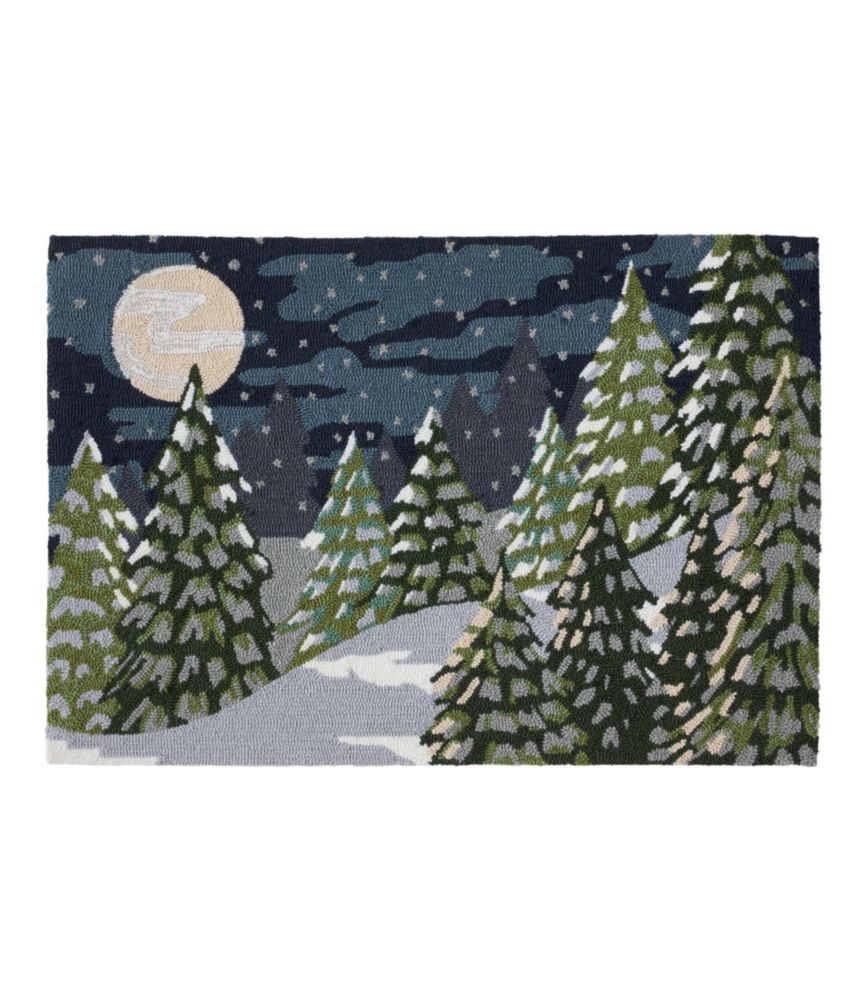
Indoor/Outdoor Vacationland Rug, Treeline Pine
L.L.Bean Indoor/Outdoor Vacationland Rug, Treeline Pine
An indoor/outdoor accent rug with a vibrant pine-tree motif, crafted from colorfast polyester-acrylic yarns.
(0)
$59.95 $59.95
SALE
$59.95 $59.95
SALE

Pine Furniture

Pine furniture brings the distinctive character of pine into a home, offering an easy starting point for a space that feels personal rather than perfectly matched. Its visual appeal often centers on grain, knots and variations in tone—the details that give an individual design its own expression. Those characteristics can contribute to a rustic look, but pine does not belong to just one decorating style. Shape, proportions and finish all influence whether furniture feels traditional, understated or more contemporary. A simple outline can put the emphasis on the pine itself, while a more detailed silhouette can create a different impression against the same backdrop. This makes it helpful to consider the whole design instead of choosing by material name alone. Against softly colored walls, the appearance of pine can become a quiet focal point; beside patterned surroundings, a restrained furniture shape can give the eye somewhere to rest. Neither approach requires a room to follow a strict theme. A home can bring together family favorites, artwork collected over time and furniture chosen for its individual character without everything sharing an identical finish. The connection may be a similar scale, a repeated line or a color that appears in several places. For a more cohesive look, pay attention to the undertones visible in product photographs and how they relate to the finishes already in the room. A photograph is a useful starting point, though lighting and screen settings can affect how a color appears. The product description provides additional context for understanding the finish. Pine furniture is most interesting when its character feels like part of the setting, not an attempt to make every surface look alike. There is room for contrast, whether that means a crisp outline against a softly patterned wall or a more expressive grain pattern within an otherwise simple arrangement. The result can feel considered and welcoming without looking overly coordinated.

Scale deserves as much attention as style, especially when furniture will join an established room. Width, depth and height each change the way a design relates to its surroundings, and a photograph alone cannot show how those proportions will feel in a particular home. A broad silhouette may look balanced against an open wall yet appear crowded beside substantial existing furniture. A taller profile can draw attention upward, while a lower one may leave more of the wall visible. These are visual relationships rather than rules: the right balance depends on the room and the people who share it. Before settling on a size, compare the listed dimensions with the actual space, including nearby trim, door openings and the routes people take through the room. Marking the footprint on the floor can make the depth easier to understand than a measurement on a screen. It also helps reveal whether the surrounding arrangement still has enough breathing room. Think about sightlines, too. Furniture seen from a doorway may make a different impression than it does when viewed straight on, and its relationship to nearby windows or artwork can change the overall composition. Practical details belong in the decision alongside these visual considerations. Construction information, dimensions and care directions help distinguish one design from another; the word pine alone does not describe every part of a piece or establish its durability. For care, follow the directions provided for the particular furniture and its finish rather than assuming that a method suited to another piece will be appropriate. Keep those instructions accessible so cleaning and upkeep remain consistent. The finish deserves attention in its own right, both for the look it creates and for the care it requires. Taking time with these details makes the choice more complete, connecting the appearance that first caught attention with the measurements and maintenance information that matter after furniture becomes part of the home.

Pine furniture can also be part of a room that evolves gradually, with each addition contributing something distinct. There is no need to repeat the same grain pattern or exact shade throughout a space. A shared sense of proportion can provide continuity even when finishes differ, while a repeated shape can connect furniture that otherwise has little in common. For someone drawn to a simpler look, the most useful distinction may be between quiet outlines and decorative detail rather than between traditional and contemporary labels. The Modern Furniture page offers another point of reference when considering the overall direction of a room. Looking across styles can help clarify which lines, proportions and details feel most at home with existing surroundings. Personal preference matters more than making a space fit a single category. A framed landscape, a favorite family photograph or a familiar wall color may provide a stronger starting point than a decorating label. Notice what those surroundings have in common, then consider whether the furniture should echo that character or introduce a deliberate contrast. Furniture can be a meaningful gift, too, although its size and personal nature make a shared decision especially worthwhile. For a housewarming or another milestone, discussing dimensions, preferred finishes and the recipient’s existing furnishings helps keep the gesture centered on their home and taste. A surprise is less important than choosing something they genuinely want to live with. Whether the decision is for a first home, an established household or someone close, the same considerations remain useful: how the pine looks, how the design relates to the room and what the individual care instructions require. Those details keep the focus on the furniture itself rather than on a passing decorating idea. The appeal lies in finding a design whose character feels familiar from the start, while leaving plenty of room for the home around it to keep changing.

FAQs