It's time to upgrade your browser

Your current browser is no longer supported on llbean.com. Please upgrade to one of the following for a smoother, safer shopping experience with us:

Outdoor Gear Bibs

Browse outdoor gear bibs and compare styles, sizing and fit to narrow down your options. Check individual product descriptions for construction details, features and care instructions to help you choose the right pair.
Read More
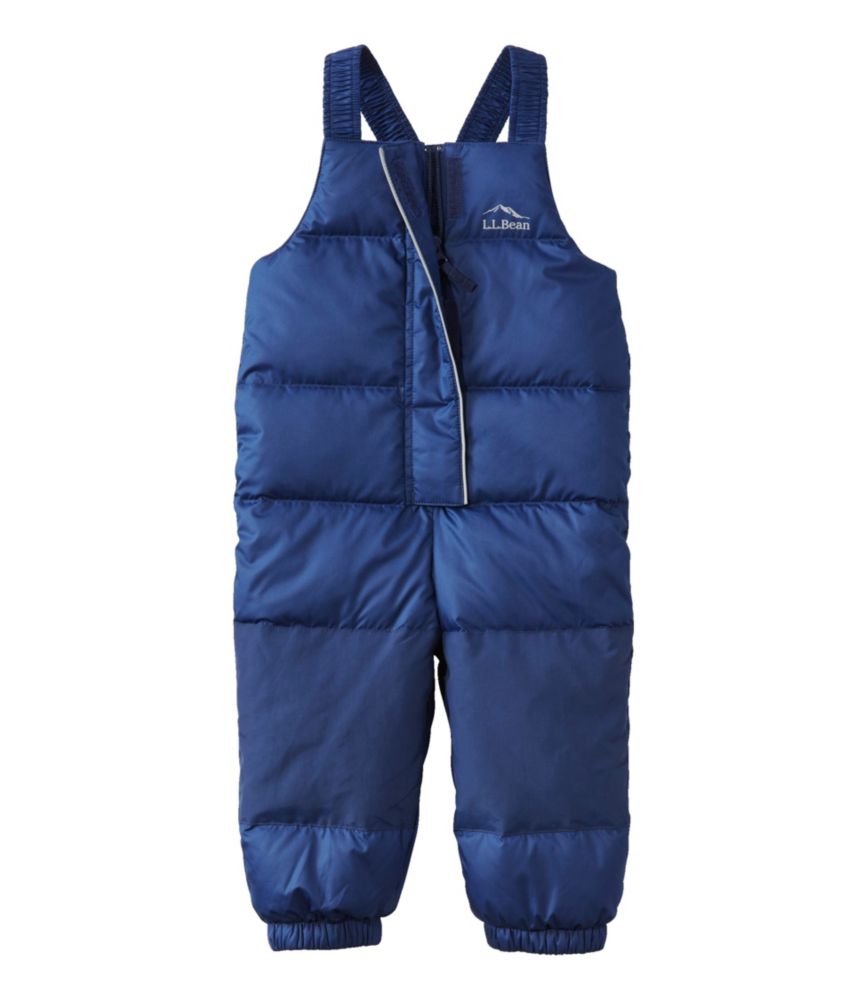
Infants' and Toddlers' L.L.Bean Down Snow Bibs
L.L.Bean Infants' and Toddlers' L.L.Bean Down Snow Bibs
A pair of ultrawarm, water-repellent snow bibs with DownTek insulation and cozy fleece lining for toddlers.
(0)
$99.95 $74.99
SALE
$99.95 $74.99
SALE
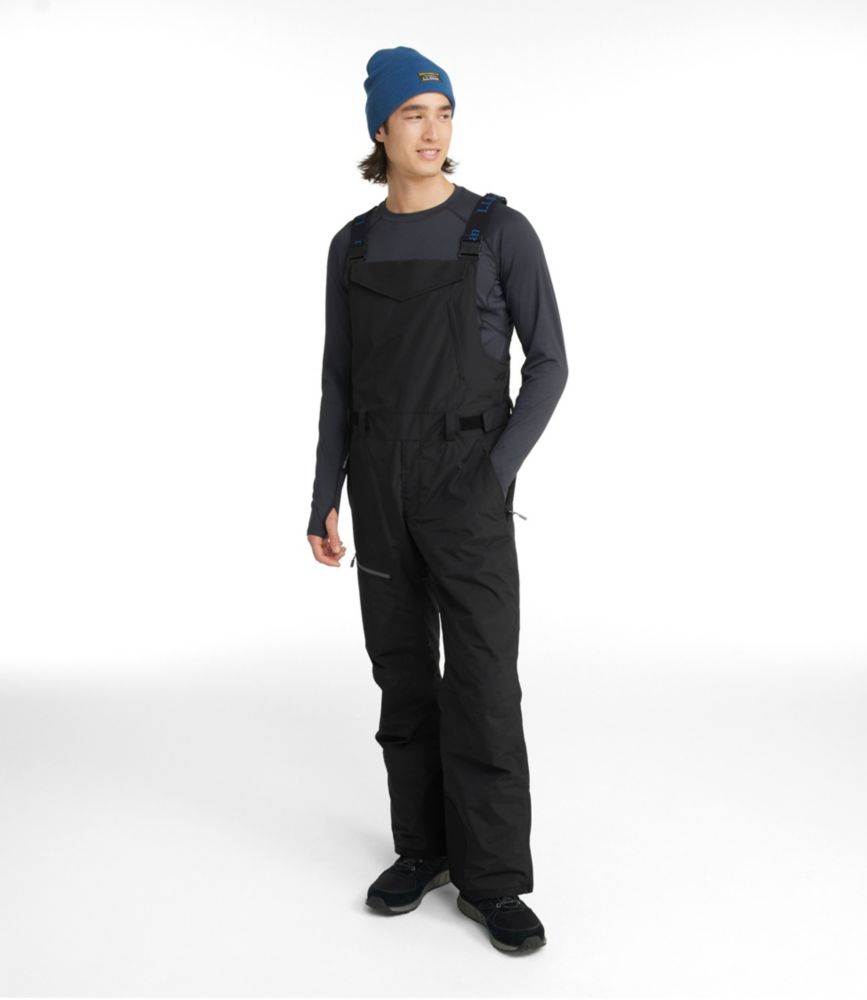
Men's Wildcat Bib Pant
L.L.Bean Men's Wildcat Bib Pant
A pair of black, waterproof, and windproof bib pants with PrimaLoft® Silver insulation and multiple pockets.
(0)
$220 $220
SALE
$220 $220
SALE
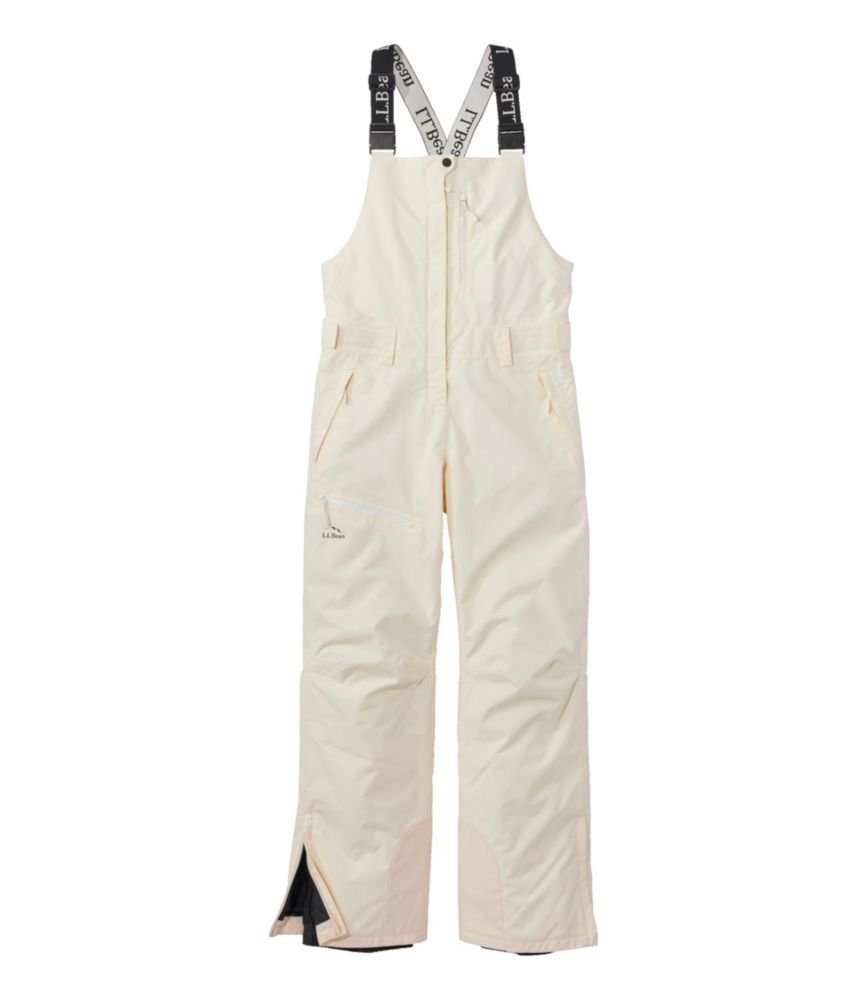
Women's Wildcat Bib Pants
L.L.Bean Women's Wildcat Bib Pants
Ankle-to-chest coverage bib pants with waterproof recycled nylon shell and PrimaLoft® Silver insulation.
(0)
$220 $220
SALE
$220 $220
SALE
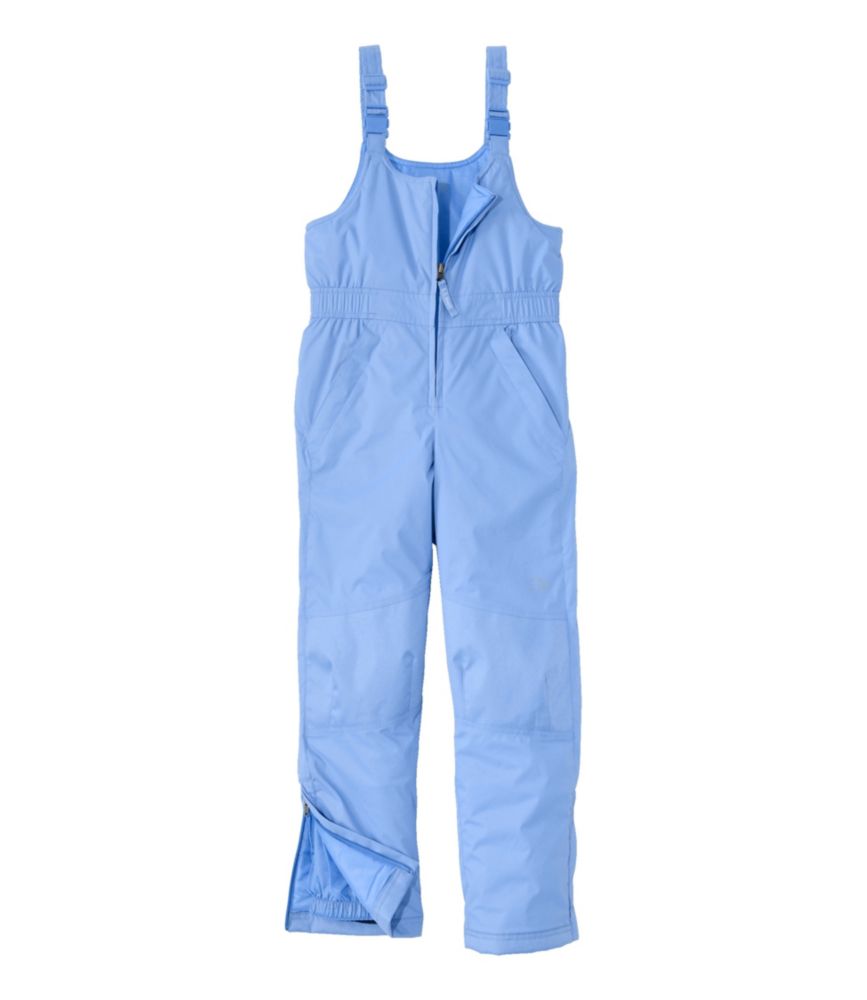
Kids' Cold Buster Snow Bibs
L.L.Bean Kids' Cold Buster Snow Bibs
A blue, wind- and water-resistant snow bib with Thinsulate insulation and reinforced knees, seat, and cuffs.
(453)
$99.95 $99.95
SALE
$99.95 $99.95
SALE
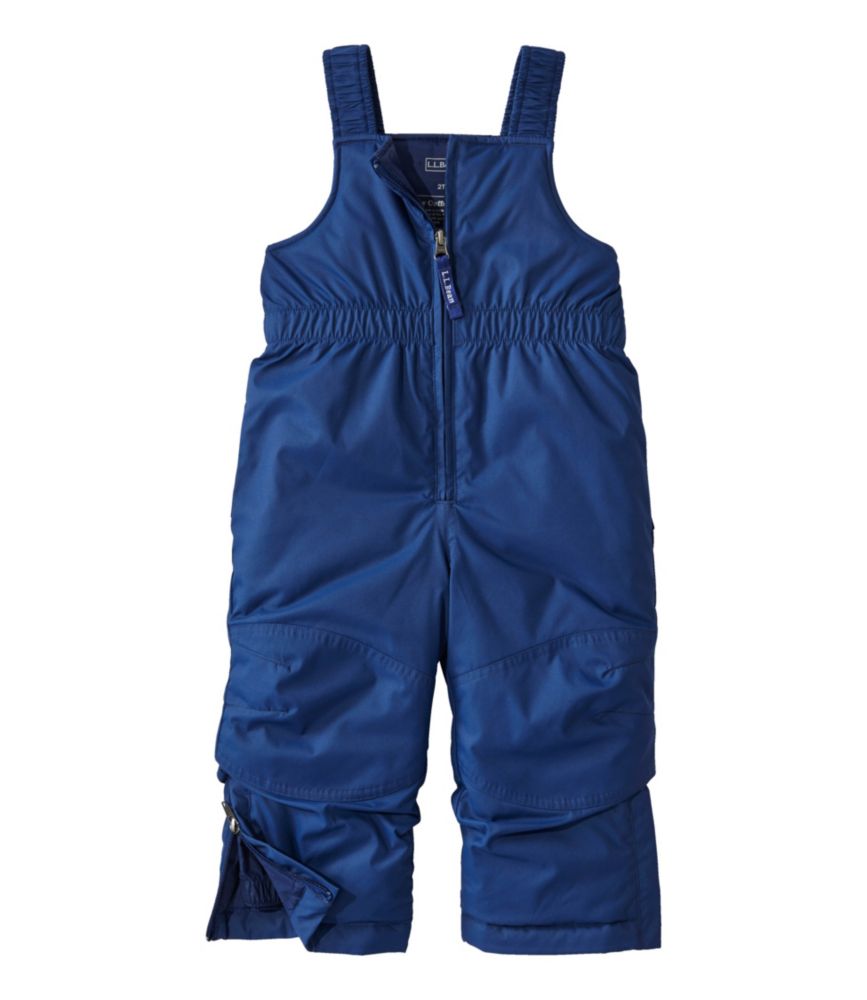
Toddlers' Cold Buster Snow Bibs
L.L.Bean Toddlers' Cold Buster Snow Bibs
A pair of deepest blue toddler snow bibs with 3M™ Thinsulate™ insulation and reinforced durability.
(0)
$74.95 $74.95
SALE
$74.95 $74.95
SALE

Outdoor Gear Bibs

Outdoor gear bibs have a distinctive place in an outdoor wardrobe, with a recognizable bib-front shape and shoulder straps that set them apart from waist-high pants. That familiar silhouette brings a straightforward, outdoorsy character to a collection, while the details of each design give shoppers meaningful points of comparison. The category name is a starting point rather than a complete description: fit, construction, care requirements, and the intended purpose of a particular design all deserve a closer look. For someone choosing a first pair, the appeal may begin with the style itself. For someone replacing a familiar pair, the most important details may be the proportions and arrangement that already feel right. Both approaches leave room for personal preference, whether that means a simple appearance or a more defined shape. Outdoor gear bibs can be considered alongside the clothing already in a wardrobe, with attention to how the full outfit looks and fits rather than how any one piece appears on its own. A favorite shirt, a familiar jacket, and the footwear worn most often provide useful reference points when comparing silhouettes. Product photographs can help show the relationship between the bib front, waist, and leg, while written descriptions supply details that photographs cannot establish. A front view alone does not tell the whole story; back and side views, when provided, offer additional perspective on the overall design. The strongest choice is not necessarily the one with the longest description or the greatest number of details. It is the one whose stated characteristics match the shopper’s preferences. With outdoor gear bibs, a thoughtful comparison begins with that distinction: an appealing look draws attention, but the information attached to each design helps turn a broad interest into a well-considered choice.

Fit is an important part of comparing bibs because the shape extends beyond the waist. A familiar pants size offers a reference, but the size chart and fit notes associated with a design provide a better basis for choosing. Waist, hip, and inseam measurements each describe a different part of the fit, and any additional measurements supplied deserve the same attention. The relationship between the upper section and the legs matters as much as the appearance of either section separately. Two people who wear the same pants size may prefer different proportions through the torso, so a size label alone cannot settle every fit question. Comparing current measurements with the listed chart keeps the decision grounded in information rather than habit. It also helps to distinguish between the shape shown in a photograph and the fit described in the accompanying text. A straight-looking leg, for example, does not establish how much room a particular wearer will have through the hips. When trying on bibs, ordinary movements such as sitting in a chair, standing, and bending to tie a shoe can reveal more about personal fit than a still view in the mirror. The clothing worn underneath should reflect the outfit the shopper actually has in mind, rather than an unfamiliar combination chosen only for the fitting. Strap and closure details, where described, are also worth considering as part of that overall preference. Some shoppers place the greatest emphasis on the upper-body proportions; others begin with inseam length or the shape of the leg. Neither approach replaces the full fit picture. For those exploring a related category, Hiking Bibs offers another place to browse, with the same importance placed on the descriptions and fit information attached to each design. A clear sense of preferred proportions makes comparisons more useful and keeps the focus on what feels right for the individual.

Materials, construction, and care are equally important considerations, but they are best understood through the information provided for each design rather than assumptions about outdoor gear bibs as a whole. Fabric composition identifies what a garment is made from; the accompanying description explains any stated characteristics. Neither a photograph nor a category name can substitute for those details. A textured appearance, a substantial-looking shape, or a particular finish should not be treated as proof of durability or a specific capability. Shoppers who place special importance on long-term wear can look for explicit construction information and assess it alongside their own expectations. Intended use deserves that same attention: the purpose stated in a product description is a more dependable reference than an impression drawn from styling alone. Care instructions add another practical dimension to the decision. Before choosing, it is worth knowing whether the stated routine fits comfortably into the household’s usual approach to clothing care. After purchase, the garment’s own label should remain the reference for washing, drying, and any other treatment, rather than a routine borrowed from a similar-looking piece. These details may seem less noticeable than silhouette, but they help establish what ownership will involve. They also matter when bibs are being considered as a gift. A recipient who already enjoys the style may have clear preferences about fit, proportions, and care, making those familiar choices more useful than a guess based on appearance. Knowing a current size and a preferred inseam can provide a helpful starting point, while attention to the recipient’s existing wardrobe adds a personal touch. For a partner, family member, or friend, the thoughtfulness lies in recognizing those everyday preferences. Whether selected as a gift or as part of a personal wardrobe, outdoor gear bibs invite a balance of timeless style and careful comparison. The most satisfying decision brings the recognizable appeal of the bib silhouette together with clear information about the particular design, leaving room for the wearer’s own sense of style.
Read More

FAQs