It's time to upgrade your browser

Your current browser is no longer supported on llbean.com. Please upgrade to one of the following for a smoother, safer shopping experience with us:

Nylon Waders

Shop nylon waders and compare available sizes and styles to find the right pair for you. Review each option’s construction details and sizing information to help narrow your choice.
Read More
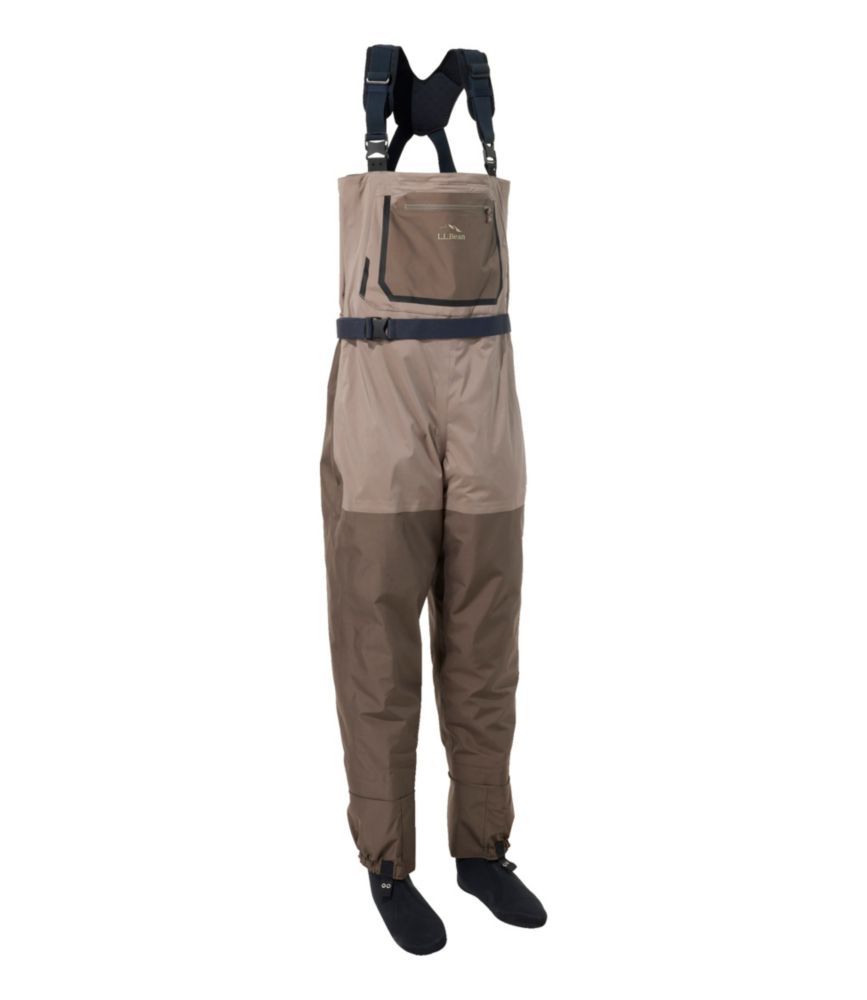
Men's Double L Stockingfoot Waders with Super Seam
L.L.Bean Men's Double L Stockingfoot Waders with Super Seam
A durable gray wader with advanced seam technology, breathable nylon, and neoprene booties for anglers.
(0)
$330 $330
SALE
$330 $330
SALE
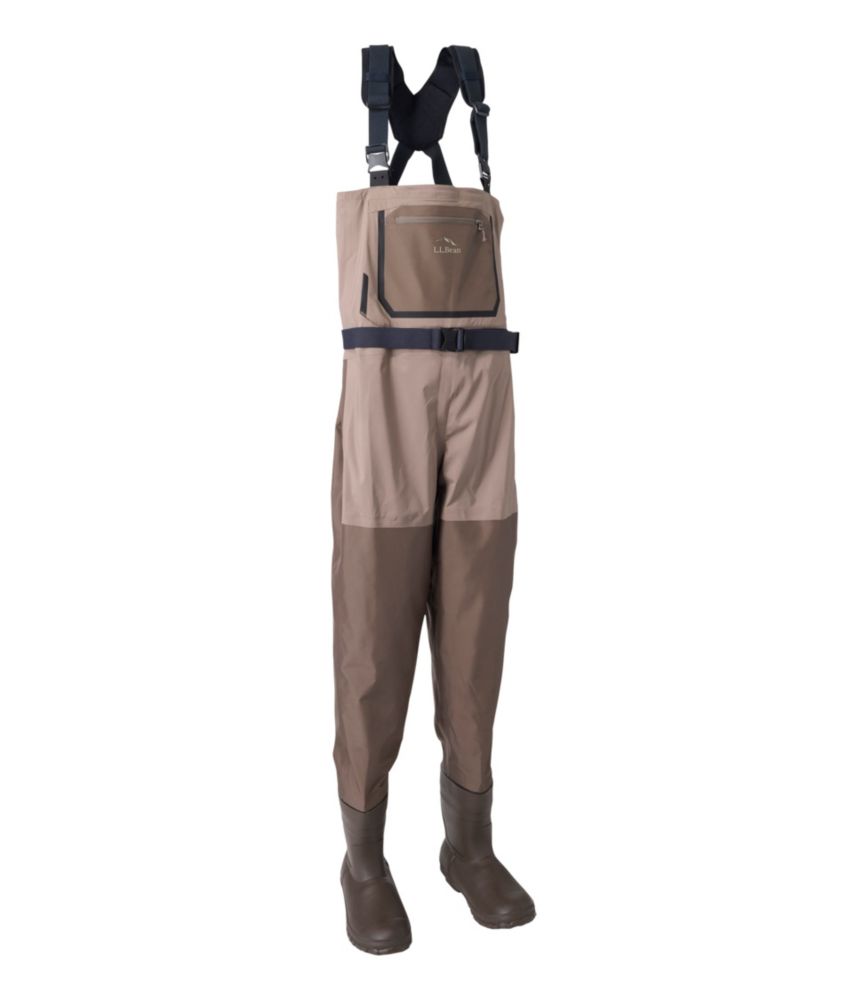
Men's Double L Boot-Foot Waders
L.L.Bean Men's Double L Boot-Foot Waders
A durable gray wader with Thinsulate™-insulated boots and advanced seam technology for superior strength.
(0)
$500 $500
SALE
$500 $500
SALE
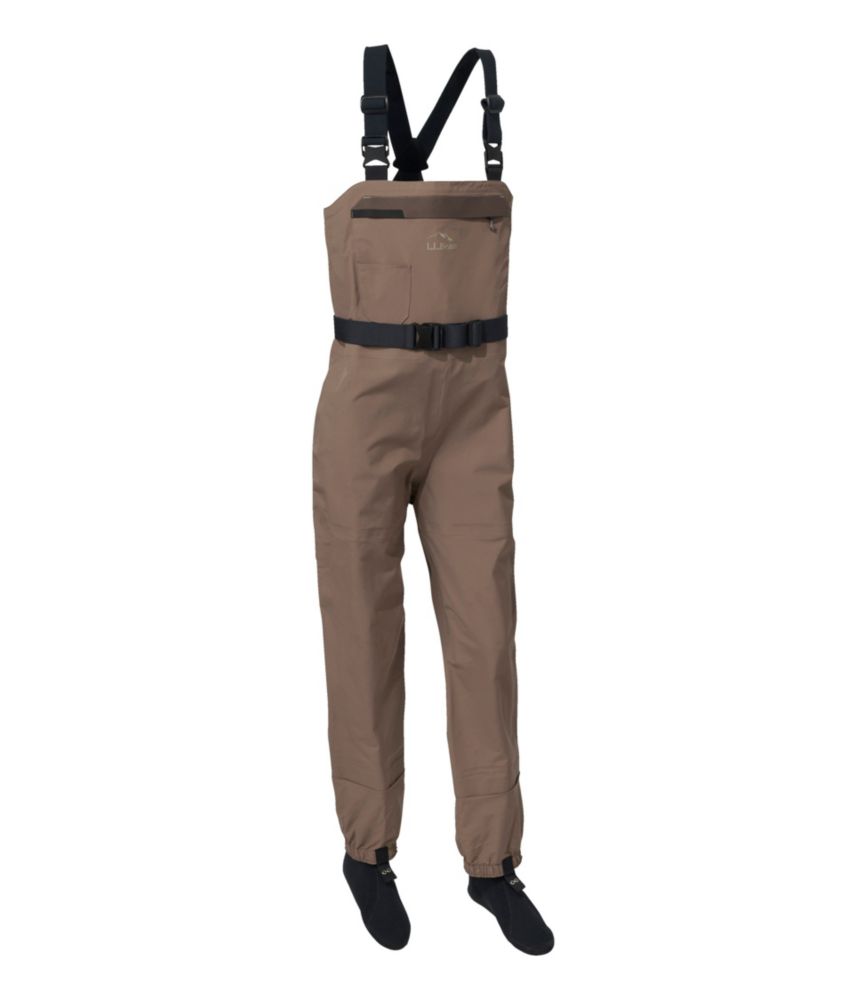
Women's Double L Stockingfoot Waders with Super Seam
L.L.Bean Women's Double L Stockingfoot Waders with Super Seam
A durable, breathable gray wader with Super Seam Technology, designed for women's comfort and mobility.
(0)
$330 $330
SALE
$330 $330
SALE
Men's L.L.Bean Rapid River Pro Boot-Foot Wader
L.L.Bean Men's L.L.Bean Rapid River Pro Boot-Foot Wader
A waterproof, earth-toned wader with Thinsulate™-insulated boots and ultra-durable, stretch polyester construction.
(0)
$600 $600
SALE
$600 $600
SALE
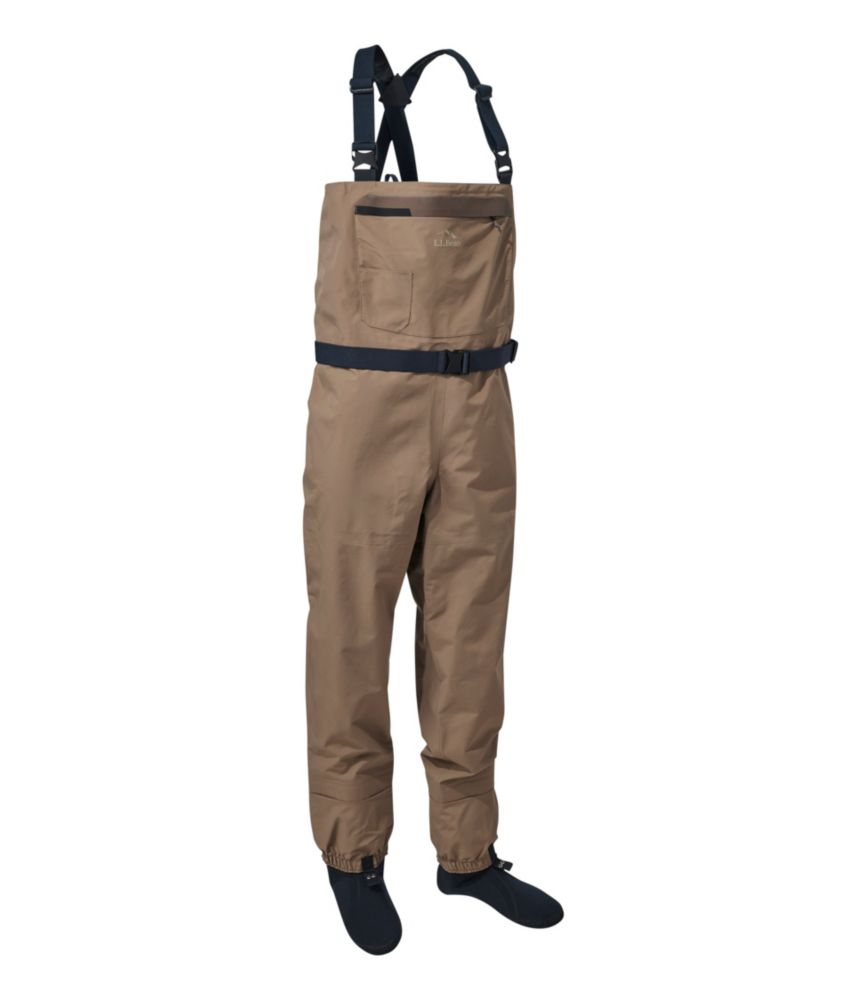
Men's L.L.Bean Rapid River Pro Stockingfoot Waders with Super Seam
L.L.Bean Men's L.L.Bean Rapid River Pro Stockingfoot Waders with Super Seam
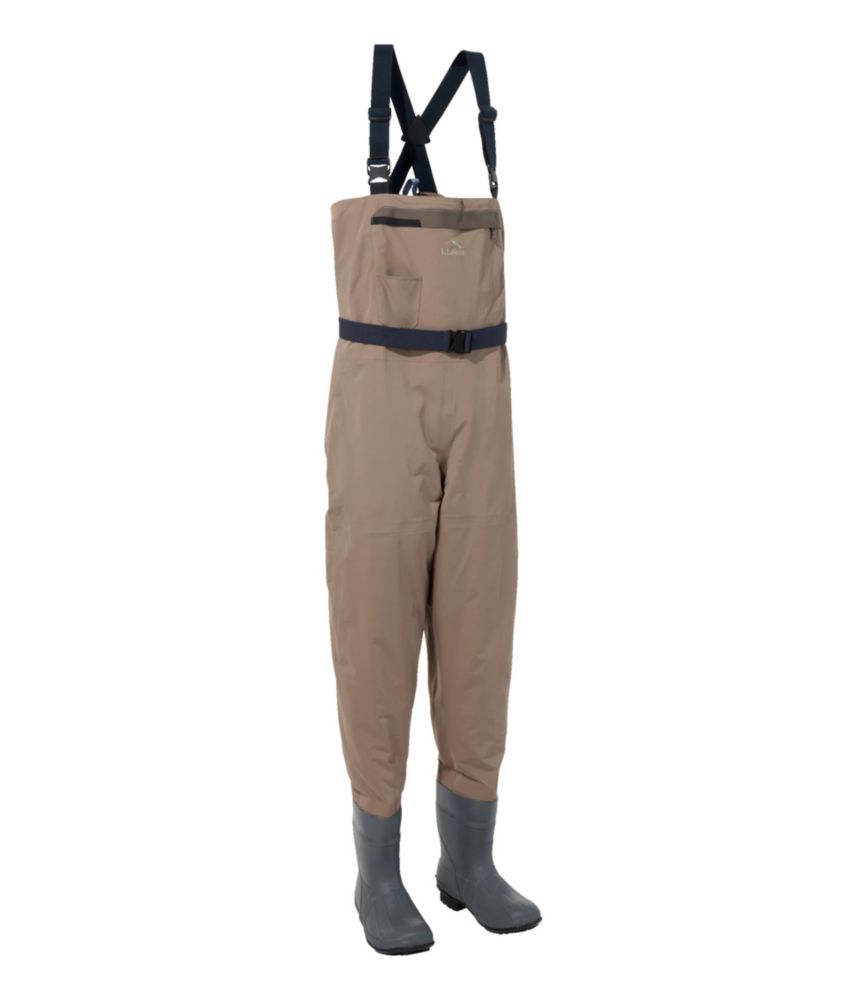
A durable brown wader with stitchless seams, stretch polyester, and neoprene booties for serious anglers.
(0)
$440 $440
SALE
$440 $440
SALE

Nylon Waders

Nylon waders bring a clear material focus to a category where fit, construction details, and personal preferences all deserve a closer look. Nylon is a fabric designation, not a complete description of a finished garment, so the most useful comparisons begin with the full material information rather than the name alone. A shell, lining, and other components may have separate descriptions, and each deserves attention when deciding whether a pair matches personal preferences. The same goes for overall shape: garment height, upper-body proportions, leg measurements, and foot sizing can all influence the choice. Rather than assuming that a familiar pants or shoe size tells the whole story, start with the measurements and sizing directions supplied for the pair being considered. A tape measure, the clothing expected to be worn underneath, and a few minutes spent checking the chart provide a more useful starting point than a size label by itself. Someone with a longer torso may have different fit priorities from someone of the same height with a longer inseam. Likewise, two people who wear the same shoe size may not need the same garment size. Look at how the size chart accounts for those differences, including whether foot measurements and body measurements are listed separately. Nylon waders are easier to compare when the information is considered as a whole: the stated fabric composition, the cut, the dimensions, and the care requirements. Familiarity with another pair can be helpful, but measurements remain important even when the size name looks the same. For shoppers considering how different sizing options relate to their measurements, Men's Waders offers another relevant category to explore. The goal is a considered choice based on the actual garment details, not assumptions about what a material name or size designation must mean.

Fit deserves particular attention because waders involve more measurements than a simple waist-and-inseam combination. Begin with the maker’s measuring method and check every dimension requested, keeping the tape level and following any directions about what to wear while measuring. Avoid adding extra inches automatically; a size chart may already account for the intended fit. If measurements fall between sizes, look for specific sizing advice rather than treating sizing up as a universal answer. Overall height, chest, waist, hips, inseam, and foot dimensions may all be relevant, depending on the design. Where adjustable elements are listed, consider their stated range without assuming they can correct a mismatch elsewhere. An adjustment at the upper body, for example, does not replace checking leg length. During a try-on, the clothing and socks intended to be worn underneath belong in the fitting process, too. Stand naturally, sit down, bend the knees, and notice where the garment pulls or gathers. Excess fabric at one point and tension at another can reveal a proportion mismatch that is easy to miss when standing still. Pay attention to the torso as well as the legs, and assess any attached footwear according to the supplied fit directions. These are practical observations rather than reasons to expect every design to fit everyone alike. Personal preferences matter, but they work best alongside the measurements: someone may prefer a different amount of room than a companion with otherwise similar dimensions. For a first pair, taking notes on measurements can make comparisons less confusing. For a replacement pair, identify what felt right about the previous fit and what did not, then compare those observations with the new size information. A gift calls for the same care. Waders are a personal choice, so a recipient’s current measurements, preferred fit, and expressed interest are more useful than a guess based on everyday clothing. Sharing the selection process can make the gift thoughtful without leaving an important sizing decision to chance.

Care and construction information help complete the picture when comparing nylon waders. Nylon alone does not establish how a finished garment should be cleaned, dried, stored, or repaired; those directions depend on the complete design and its components. Read the supplied care information before choosing, especially if a familiar cleaning routine is part of the decision. Check whether the directions call for a particular cleaning method, identify products to avoid, or specify drying and storage arrangements. Household laundry habits should not automatically carry over to waders, and instructions for a previous pair should not stand in for the current label. A little planning makes those details easier to accommodate: consider where cleaning would take place, where the garment could be dried as directed, and where it would be stored without ignoring the maker’s recommendations. Durability also deserves a specific, measured assessment rather than a broad conclusion based on nylon content. Look for clear descriptions of construction and any documented testing, keeping each statement tied to the design it describes. Photographs can help show the placement of seams and other components, but written specifications are the better place to confirm details that cannot be established by appearance alone. If repair information is provided, review the approved approach before applying a patch, adhesive, or treatment. Follow any inspection instructions as part of ongoing care, and seek clarification when the directions do not address a concern. Intended use should likewise come from the garment’s stated purpose, not from a photograph or a general impression of the category. Match that description to the recipient’s or wearer’s plans, and consult the accompanying instructions for any limitations and additional equipment requirements. This keeps the decision grounded in practical details without asking the material name to answer every question. A satisfying choice brings those considerations together: nylon composition that is clearly described, measurements that have been checked, a fit assessed thoughtfully, and care directions that make sense for the person who will own the waders. Taking time with those details makes the comparison more personal and the final selection better informed.
Read More

FAQs