It's time to upgrade your browser

Your current browser is no longer supported on llbean.com. Please upgrade to one of the following for a smoother, safer shopping experience with us:

Lightweight Waders

Find lightweight waders and compare the available options by style, size and fit. As you narrow your choices, check each product’s weight, sizing guidance and listed features to see how the options differ.
Read More
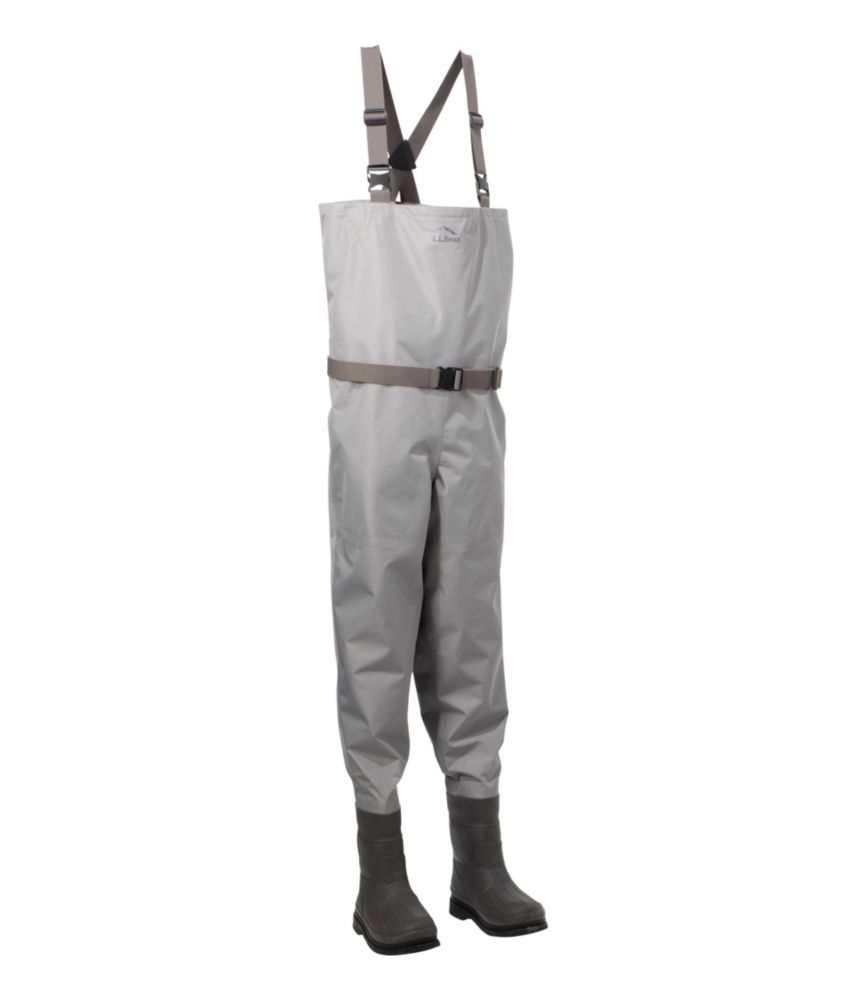
Men's Double L Boot-Foot Waders
L.L.Bean Men's Double L Boot-Foot Waders
A durable gray wader made from waterproof nylon with insulated rubber boots and extra-strong stitchless seams.
(0)
$500 $500
SALE
$500 $500
SALE
Women's Double L Stockingfoot Waders with Super Seam
L.L.Bean Women's Double L Stockingfoot Waders with Super Seam
A durable, breathable gray wader with Super Seam Technology, designed for women's comfort and mobility.
(0)
$330 $330
SALE
$330 $330
SALE
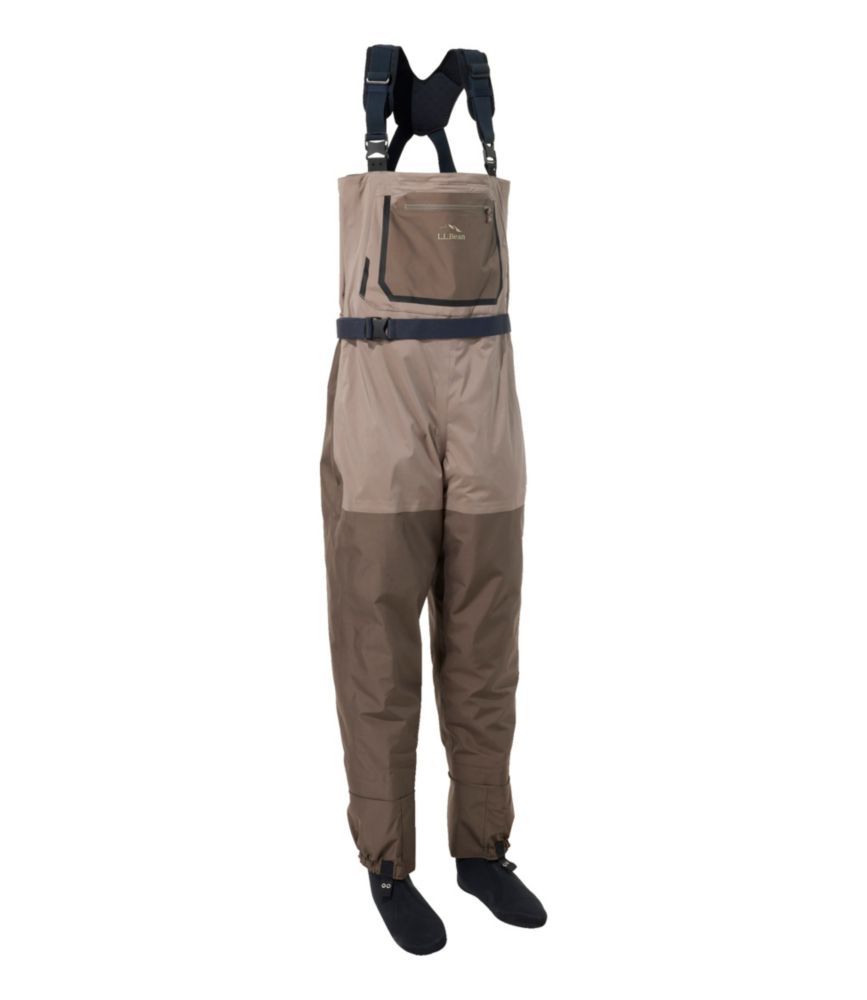
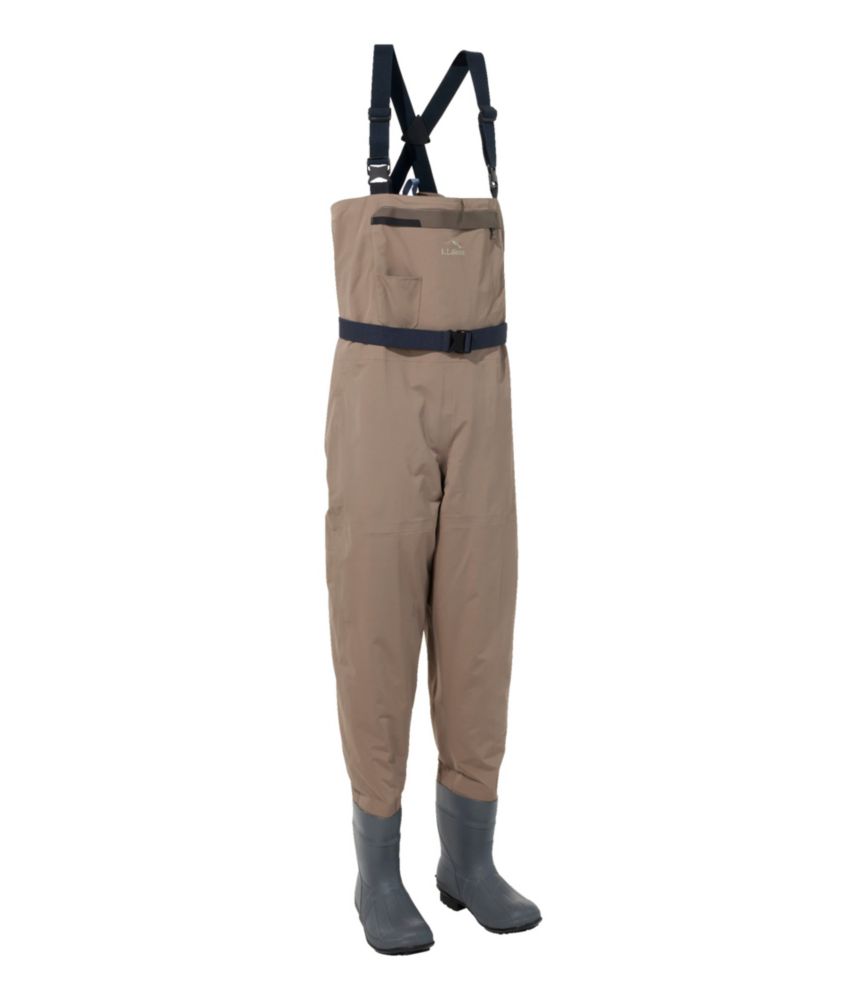
Men's L.L.Bean Rapid River Pro Stockingfoot Waders with Super Seam
L.L.Bean Men's L.L.Bean Rapid River Pro Stockingfoot Waders with Super Seam
A brown waterproof wader with stitchless seams and neoprene booties for ultimate angling performance.
(0)
$440 $440
SALE
$440 $440
SALE
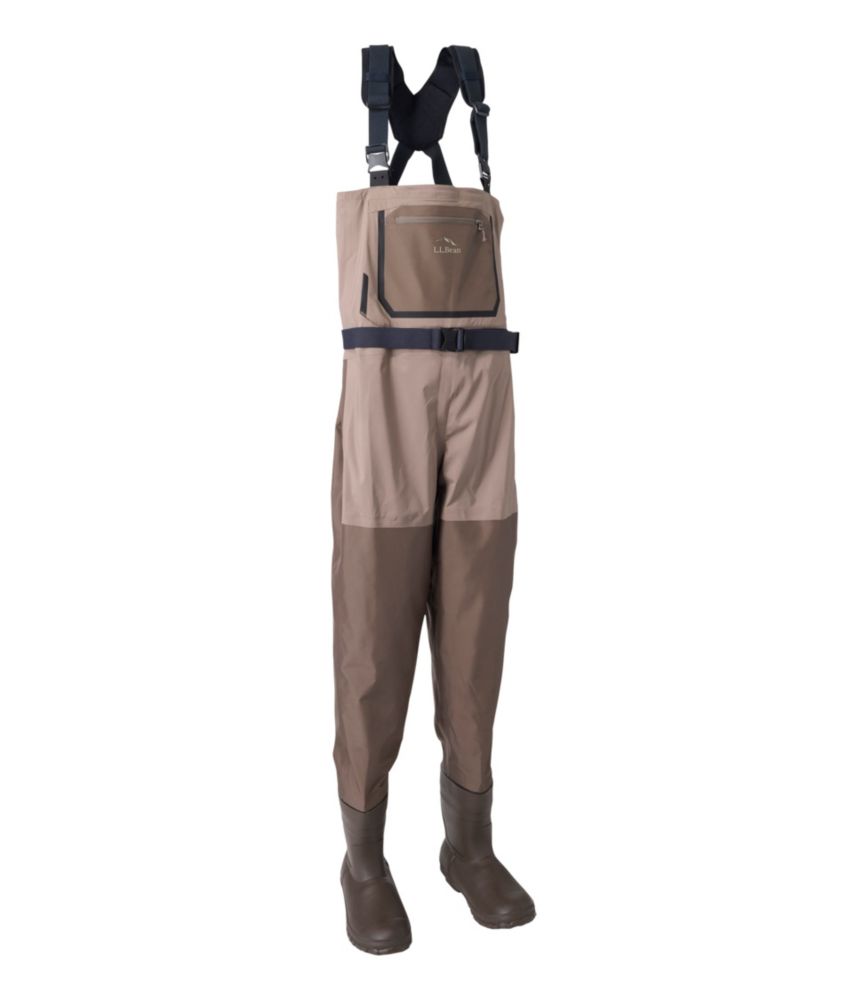
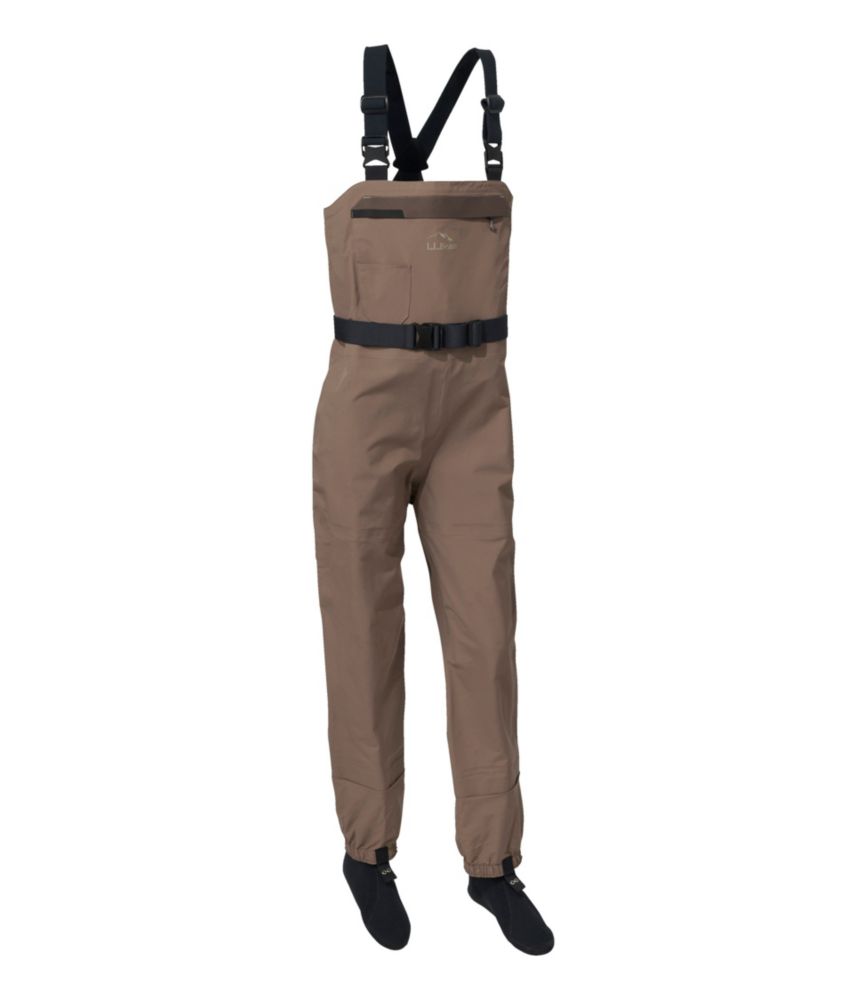
Men's L.L.Bean Rapid River Pro Boot-Foot Wader
L.L.Bean Men's L.L.Bean Rapid River Pro Boot-Foot Wader
A waterproof, earth-tone wader with stitchless seams, insulated boots, and ultra-durable four-layer polyester fabric.
(0)
$600 $600
SALE
$600 $600
SALE
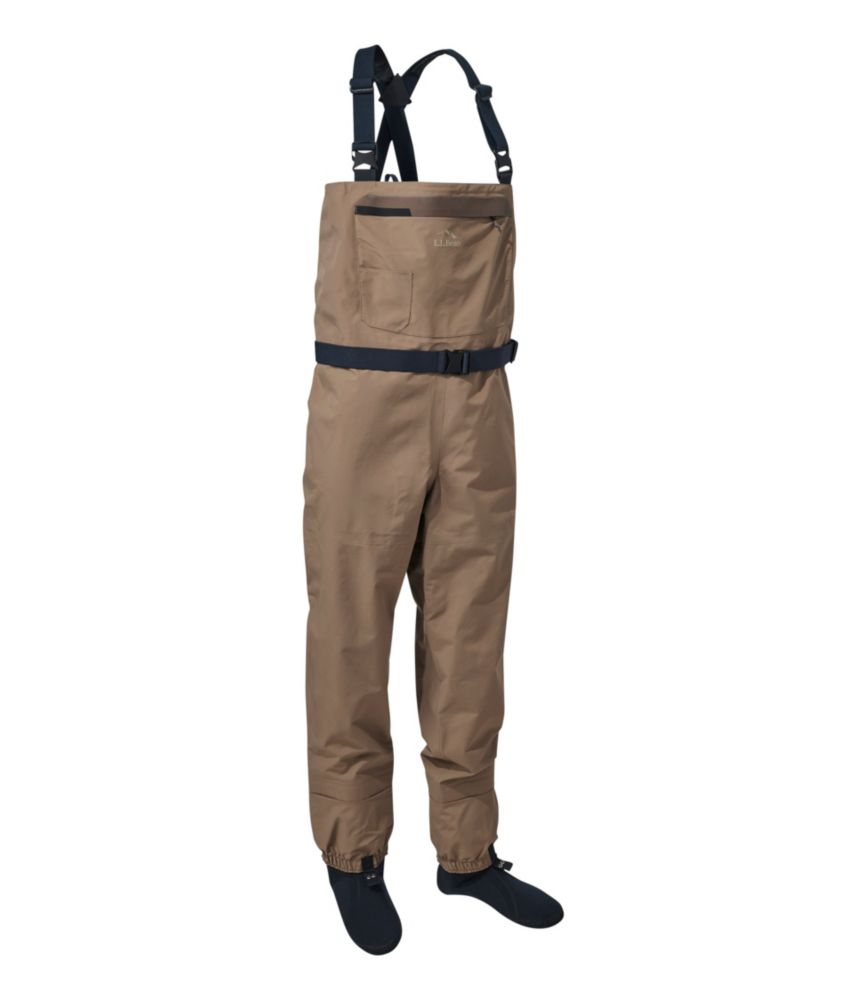
Men's Double L Stockingfoot Waders with Super Seam
L.L.Bean Men's Double L Stockingfoot Waders with Super Seam
A durable gray wader with advanced seam technology, breathable nylon fabric, and neoprene booties.
(0)
$330 $330
SALE
$330 $330
SALE
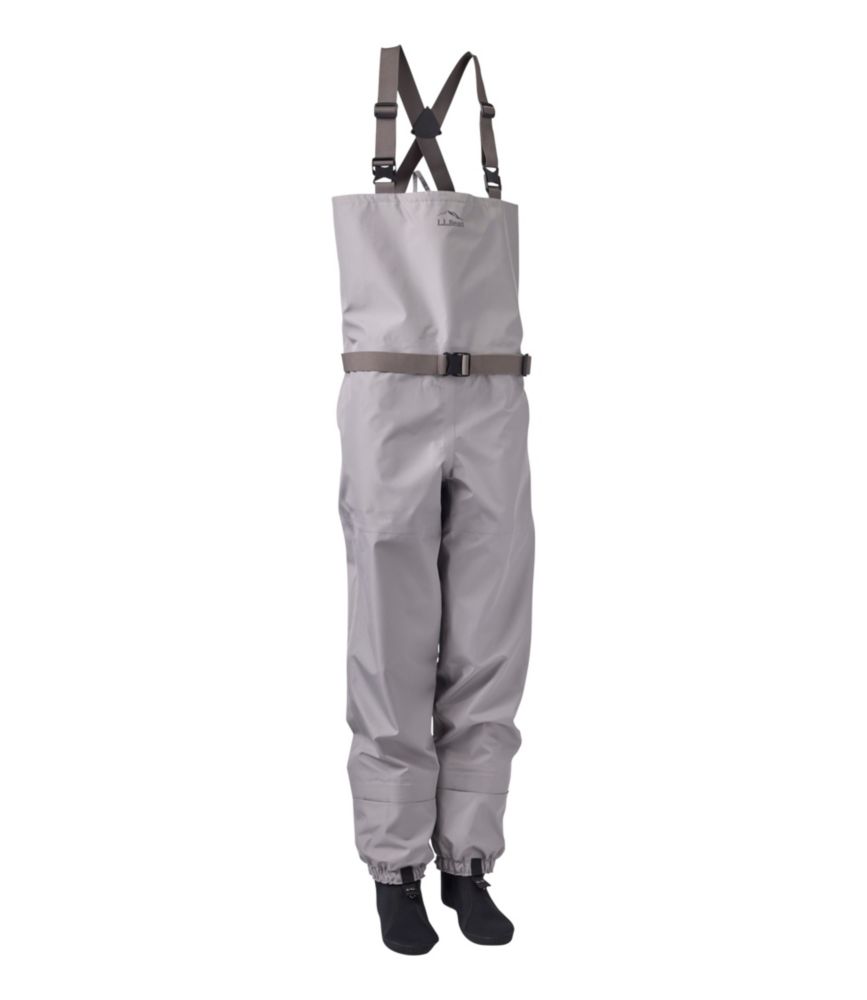
Men's Angler II Stockingfoot Wader with Super Seam®
L.L.Bean Men's Angler II Stockingfoot Wader with Super Seam®
A gray waterproof wader made from durable polyester with stitchless Super Seam® technology and neoprene booties.
(0)
$240 $240
SALE
$240 $240
SALE
Men's Angler II Boot-Foot Wader with Super Seam®
L.L.Bean Men's Angler II Boot-Foot Wader with Super Seam®
A gray waterproof polyester wader with stitchless seams, felt soles for traction, and a zippered pocket.
(0)
$400 $400
SALE
$400 $400
SALE

Lightweight Waders

Lightweight waders bring a clear priority to the search for outdoor gear: weight matters in the overall choice. That focus provides a useful starting point, but the word lightweight is only one part of a product’s description. Actual weight, sizing, construction details, and care requirements give the category more context and help distinguish one design from another. A listed weight is most useful when it identifies the size measured and what is included in the measurement; without those details, two numbers may not offer a direct comparison. Likewise, lightweight does not automatically mean compact, and weight alone does not establish how a pair will feel when worn. The full description matters more than a single adjective. For someone replacing a familiar pair, the best reference may already be close at hand: the size label, measurements, and fit preferences associated with gear they know well. Perhaps the previous pair had the right overall proportions but an awkward fit through the torso, or perhaps its sizing left too much guesswork between two options. Those details make the next choice more personal and more precise. For a first pair, clear measurements and straightforward product information provide a better foundation than assumptions based on everyday clothing sizes. This collection brings the focus back to lightweight waders while leaving room for individual preferences about fit, design, and ownership. Shoppers comparing sizing categories can also explore Men's Waders as part of that search. The goal is not simply to find the lowest number on a specification sheet. It is to find a pair whose documented details align with the wearer’s measurements and expectations, with no need to guess what a broad category name includes. That combination of a clear priority and careful comparison makes a large gear decision feel more manageable.

Fit deserves attention of its own because a size label cannot describe every proportion. Height, chest, waist, inseam, and foot measurements may all be relevant, depending on the design and the information provided in its size chart. A familiar letter size is a starting point rather than a substitute for those measurements, particularly when comparing different sizing systems. Someone with a longer torso may have different fit priorities from someone of the same height with a longer inseam, and two people who wear the same everyday pants size may reach different conclusions about the same pair of waders. The clothing intended to be worn underneath also belongs in that comparison, following the product’s own sizing guidance rather than automatically choosing a larger size. Picture a tape measure laid across a table beside a written list of measurements: a few concrete numbers can make a description considerably easier to interpret. Any footwear sizing information should receive the same attention, including whether separate measurements or compatibility details are provided. Design photographs can add context, but they do not replace a size chart or establish how a particular size will fit. Written information about adjustments, dimensions, and included components is especially useful when those details are difficult to see. Personal preference matters here, too. One wearer may be replacing a pair with familiar proportions, while another is reconsidering what felt right about an earlier choice. Neither approach requires treating lightweight as a promise about every aspect of the wearing experience. It remains the defining emphasis of the category, while fit is a separate decision grounded in the individual. For a gift, this distinction is particularly important. A recipient’s current measurements, preferred sizing category, and exact model preferences offer more useful direction than height alone. Sharing the selection can be a thoughtful part of the gift, especially for someone who knows exactly how they like their gear to fit.

Materials, construction, care, and durability are connected considerations, but none can be determined from the lightweight label alone. Fabric composition and construction information belong to the individual product description, where they can be considered alongside the stated weight rather than treated as qualities shared by every pair. Details about seams, components, and any documented testing can add substance to that description when provided. They should not be inferred from a photograph or from the appearance of the fabric. A lighter listed weight does not, by itself, establish a shorter or longer service life, just as a heavier weight is not a substitute for verified information about construction. Intended use also needs to come from the individual product’s stated purpose; a category name is not enough to establish suitability for every activity or setting. That distinction keeps the choice grounded in what is actually described. Care is another part of ownership worth understanding before settling on a pair. Cleaning methods, drying directions, storage recommendations, and repair guidance can differ, so the supplied instructions remain the reference for each product. A familiar routine used for other outdoor gear should not automatically carry over. At home, keeping the care information with the product details makes it easier to revisit the correct instructions without relying on memory. A place to keep those records, a clear understanding of the care process, and attention to any stated limitations all help make ownership more straightforward. For a household choosing gear together, these practical details can be just as relevant as the first comparison of weights and sizes. The appeal of lightweight waders starts with a specific preference, but a satisfying choice depends on the complete picture: documented weight, appropriate measurements, clearly described construction, and care requirements the owner understands. Keeping those considerations together allows the collection to serve as a focused starting point rather than a shortcut around the details. The result is a more informed selection, shaped by the person who will wear the waders and supported by the information supplied for the pair they choose.
Read More

FAQs