
It's time to upgrade your browser

Your current browser is no longer supported on llbean.com. Please upgrade to one of the following for a smoother, safer shopping experience with us:

Living Room Sofas

Explore living room sofas with your room’s size, layout and style in mind. Compare dimensions and design details to find a sofa that complements your other furniture, offers the seating you need and leaves room to move around.
Read More
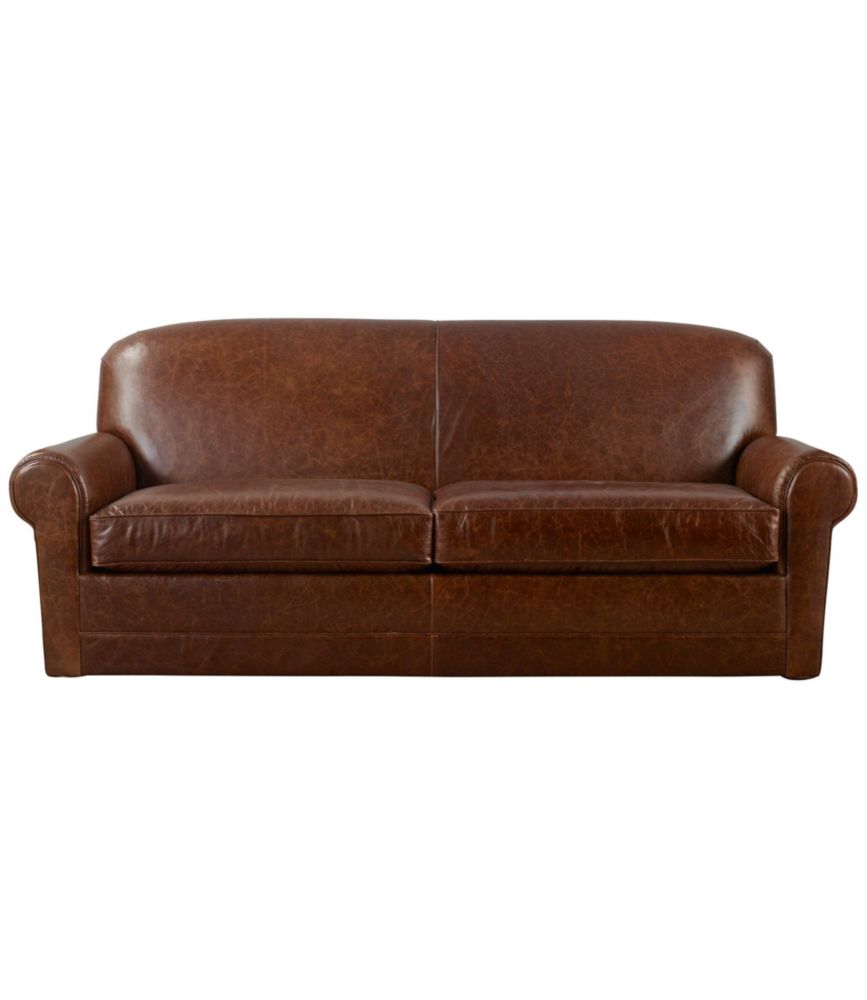
Bean's Leather Lodge Sofa
L.L.Bean Bean's Leather Lodge Sofa
A brown leather sofa with high-density foam cushions, solid kiln-dried hardwood framing, and supple burnished finish.
(0)
$4500 $4500
SALE
$4500 $4500
SALE
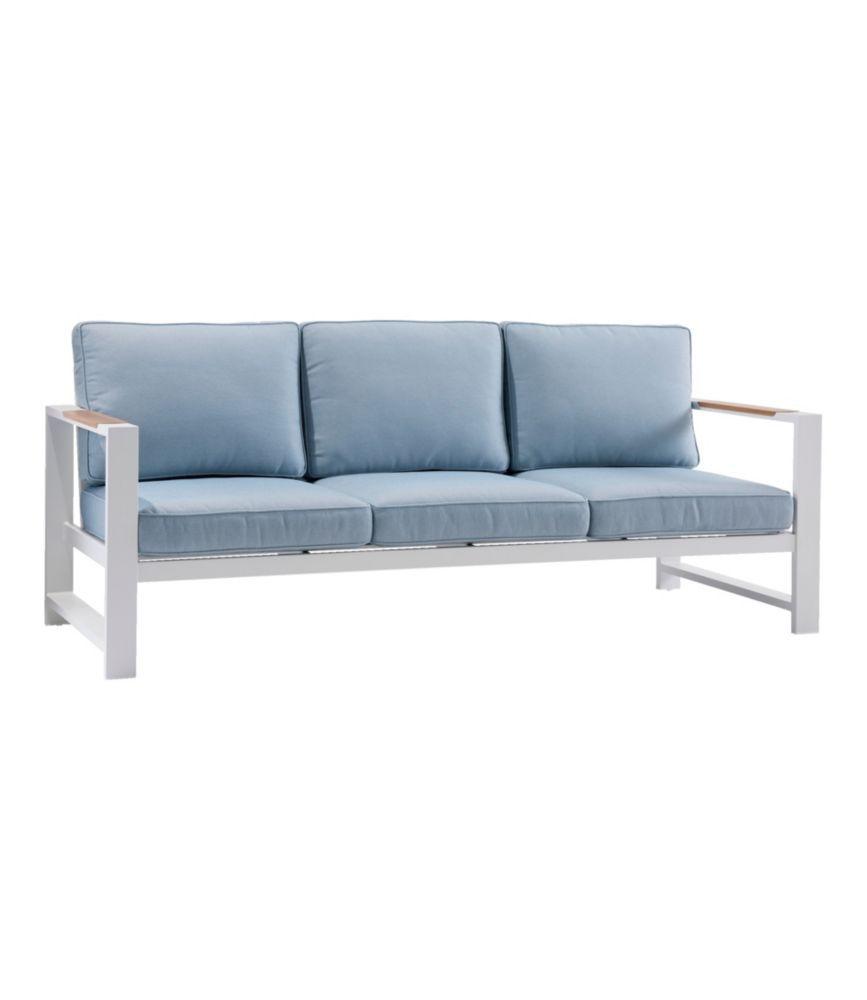
White Aluminum Deep Seating Sofa with Blue Cushions
Outdoor Interiors White Aluminum Deep Seating Sofa with Blue Cushions
An outdoor deep-seating sofa with a white powder-coated aluminum frame and light blue Olefin cushions.
(0)
$1300 $1300
SALE
$1300 $1300
SALE
Pine Point Sofa
L.L.Bean Pine Point Sofa
A tan two-seat sofa with a hardwood frame, solution-dyed polypropylene slipcover, and supportive high-density foam cushions.
(0)
$3000 $3000
SALE
$3000 $3000
SALE
Pine Point Sofa
L.L.Bean Pine Point Sofa
A gray two-seater sofa with a hardwood frame, slipcover fabric, steel springs, and resilient foam cushions.
(0)
$3000 $3000
SALE
$3000 $3000
SALE
Pine Point Sofa
L.L.Bean Pine Point Sofa
A blue two-seater sofa with a hardwood frame, steel springs and high-density foam cushions.
(0)
$3000 $3000
SALE
$3000 $3000
SALE

Living Room Sofas

Living room sofas help establish the look and arrangement of a room, making dimensions, proportions and personal style useful starting points for choosing one. A sofa often becomes the largest visual element in a seating area, so its relationship to the rest of the room matters as much as its appearance on its own. The line of the back, the shape of the arms and the amount of visible space beneath the frame all contribute to that impression. A low profile can leave more of the wall visible, while a taller silhouette draws greater attention to the seating area. Rounded shapes introduce a different character than straight, tailored lines; neither approach needs to match every other furnishing to feel at home. The most natural-looking rooms often have a few shared details rather than an entire matching set. A sofa’s outline might echo the shape of a nearby chair, or its color might pick up a quieter shade in a rug or a favorite print. Existing architectural details offer another starting point: broad windows, built-in shelves, an open doorway or a fireplace can all influence where a sofa belongs and how prominent it feels. In a room with many small decorative objects, a simpler silhouette may provide visual balance. In a spare room, a more defined shape can give the arrangement a clear focal point. Personal belongings keep that setting from feeling impersonal—a stack of well-loved books, a photograph from a family trip or a lamp that has moved from home to home. Choosing a sofa with those surroundings in mind helps connect a substantial furniture decision to the familiar details already present. Timeless style does not require a room without personality. It comes from an arrangement that feels considered, with enough consistency to look intentional and enough individuality to reflect the people who live there.

The dimensions of living room sofas deserve attention beyond the width shown in a description. Overall depth determines how far a sofa extends into the room, and overall height affects its relationship to windows, wall art and furniture behind it. Seat measurements describe a different part of the piece, so distinguishing seat depth from overall depth makes comparisons more meaningful. Arm width also influences the relationship between the outside dimensions and the seating area. These details become clearer when viewed against an actual floor plan rather than an empty space imagined from memory. A sofa that appears modest against a blank wall may occupy a much larger share of a room once a coffee table, an armchair and the route to a doorway are included. Painter’s tape on the floor can outline the listed footprint and make those relationships easier to see. Walking through the room with that outline in place often reveals details that a measurement alone misses: a cabinet door that needs room to open, a narrow turn beside a bookcase or a path that crosses directly through the seating area. Rugs add another layer of proportion, especially where one room opens into another without a dividing wall. The relationship between the sofa, the rug’s edges and the surrounding furniture helps define the arrangement. Coordinating a sofa with living room tables also involves comparing heights and footprints, not just choosing similar finishes or shapes. A side table beside a broad arm creates a different visual relationship than the same table beside a narrow one. Delivery access belongs in these measurements, too. Door openings, hallways, stair turns and elevator interiors can affect whether a chosen piece can reach its intended location. Comparing those spaces with the listed delivery dimensions and any stated assembly information gives a fuller picture before a decision is made.

Color, texture and the details of daily household life bring another perspective to living room sofas. A room rarely contains just one shade or finish, and a sofa does not need to repeat the most obvious color in the space. It can relate to the background of a patterned rug, a subtle tone in wall art or the contrast between light walls and darker furniture. Daylight and household lighting can change how a color appears, so viewing a physical sample in the intended room provides a useful point of comparison when a sample is part of the selection process. Texture deserves the same attention: a close-up view can reveal details that are difficult to judge in a photograph of an entire room. Upholstery, construction and care information are also important parts of an individual sofa’s description, particularly when comparing pieces that look similar at first glance. The listed care directions establish how that particular upholstery should be treated; appearance alone is not a reliable basis for choosing a cleaning method. A removable cover, for example, should not be assumed to be machine washable without instructions saying so. Keeping the supplied care information with household records makes it easier to refer back to the appropriate directions later. Assembly details, where provided, can also clarify what is involved in setting the sofa in place. Beyond those practical considerations, the surrounding arrangement can remain personal and uncomplicated. A favorite throw folded over one end, a few cushions chosen in relation to the room and a table placed with intention can connect the sofa to what is already there. There is no need for every decorative detail to arrive at once. Living rooms often take shape gradually as belongings move, photographs change and furniture finds its place. A thoughtfully chosen sofa gives that evolving room a clear starting point, grounded in its dimensions, its appearance and the details that matter to the household.
Read More

FAQs