It's time to upgrade your browser

Your current browser is no longer supported on llbean.com. Please upgrade to one of the following for a smoother, safer shopping experience with us:

Layering Tops for Winter

Find layering tops for winter to bring your seasonal wardrobe together. As you browse, consider where each top will sit in your layers, and compare fit and sizing details to choose pieces with the amount of room you prefer.
Read More
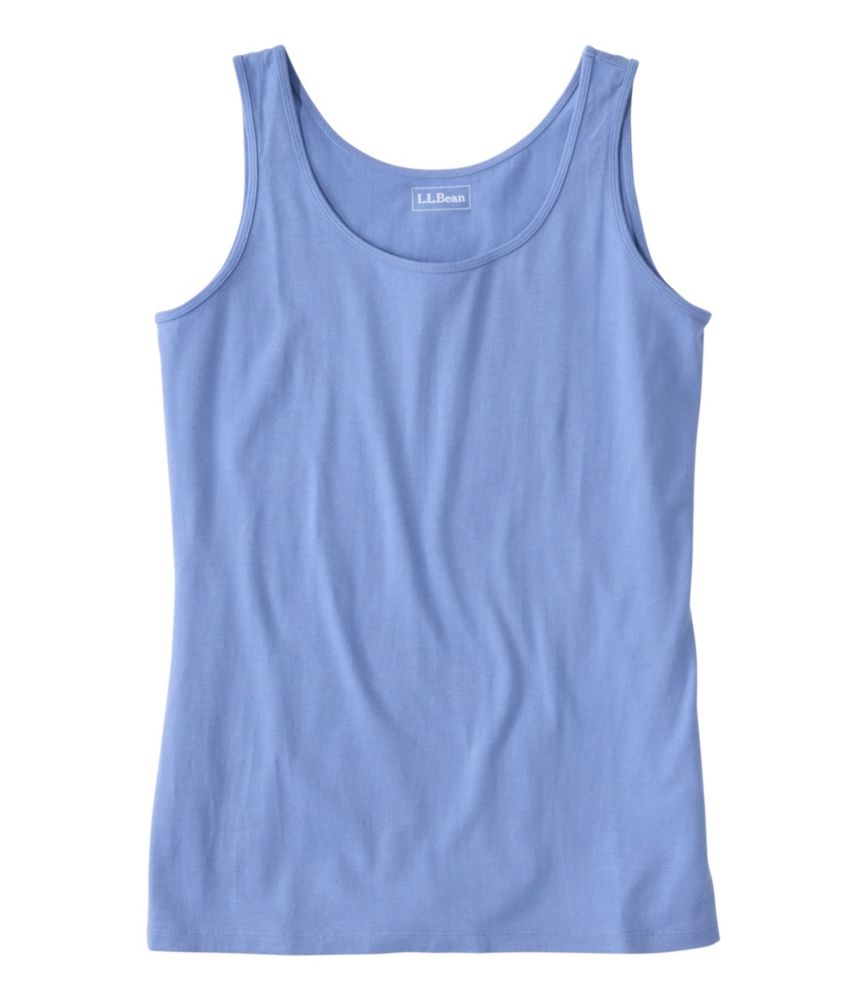
Women's Bean's Layering Tank
L.L.Bean Women's Bean's Layering Tank
A fitted blue cotton-blend tank designed for smooth, comfortable layering under shirts and sweaters.
(2,729)
$22.95 $22.95
SALE
$22.95 $22.95
SALE
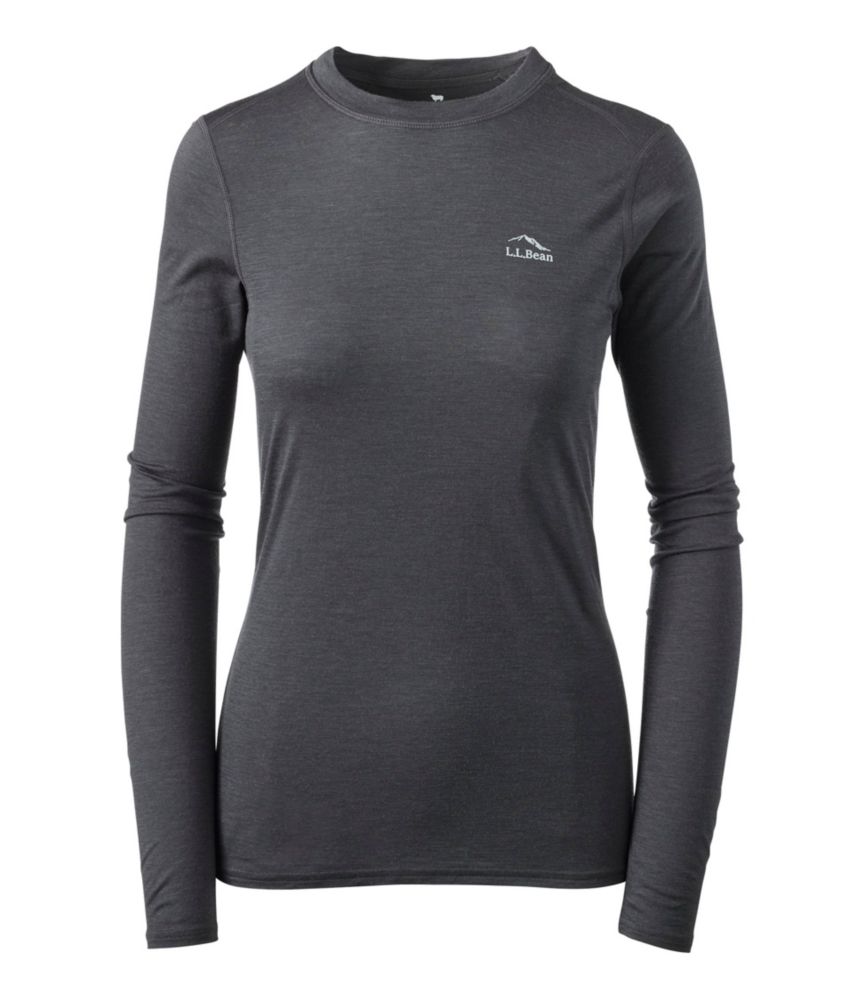
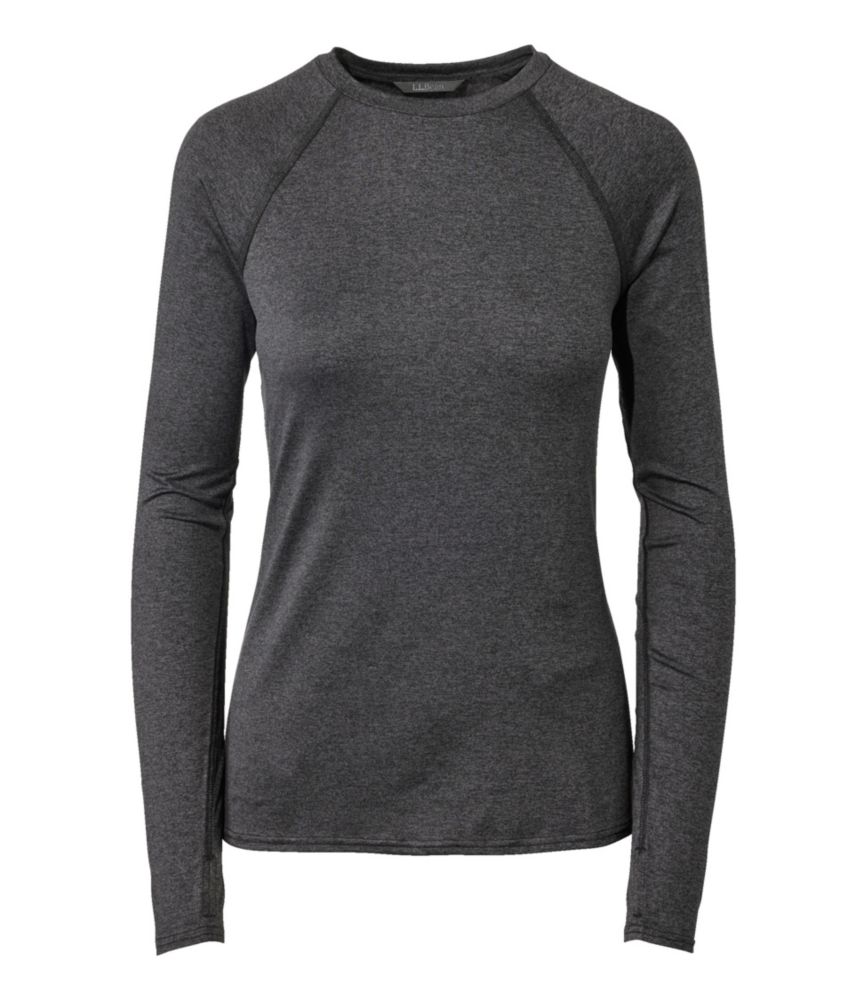
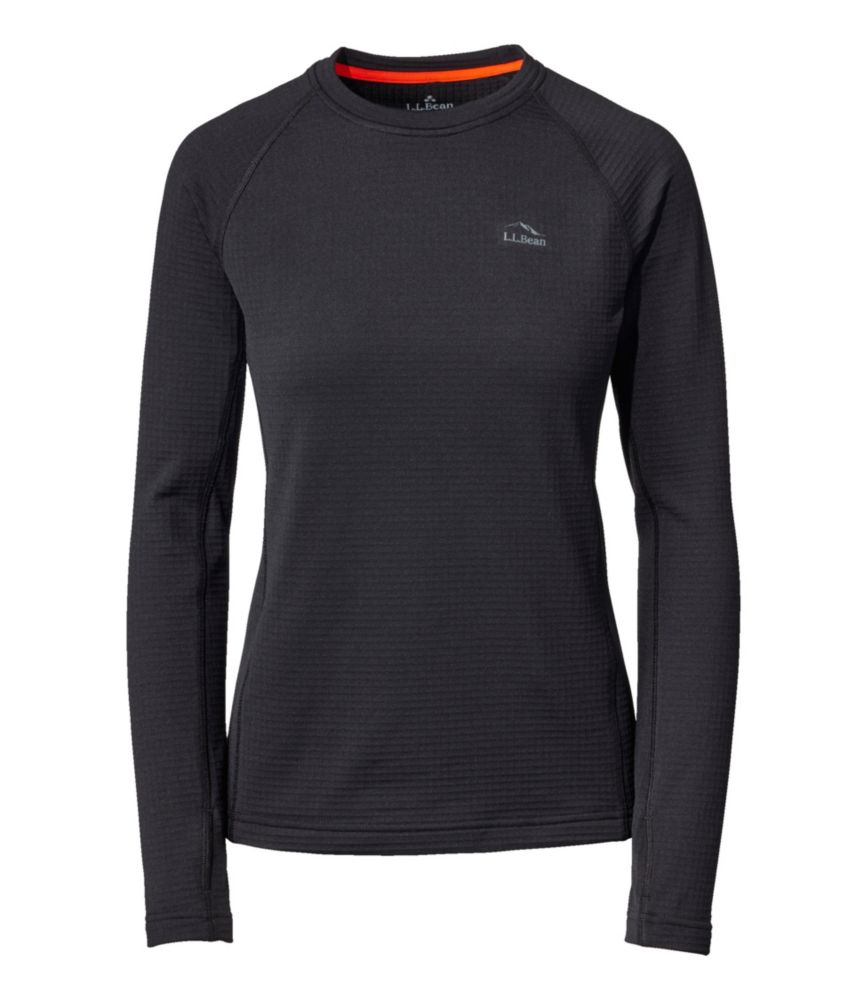
Women's L.L.Bean Simple Soft Base Layer, Crew
L.L.Bean Women's L.L.Bean Simple Soft Base Layer, Crew
A lightweight, dark black synthetic base layer crewneck with moisture-wicking, quick-dry fabric and thumbholes.
(127)
$54.95 $54.95
SALE
What customers like:
Great fit
Smooth fabric
Softness
Dino style
Material
$54.95 $54.95
SALE
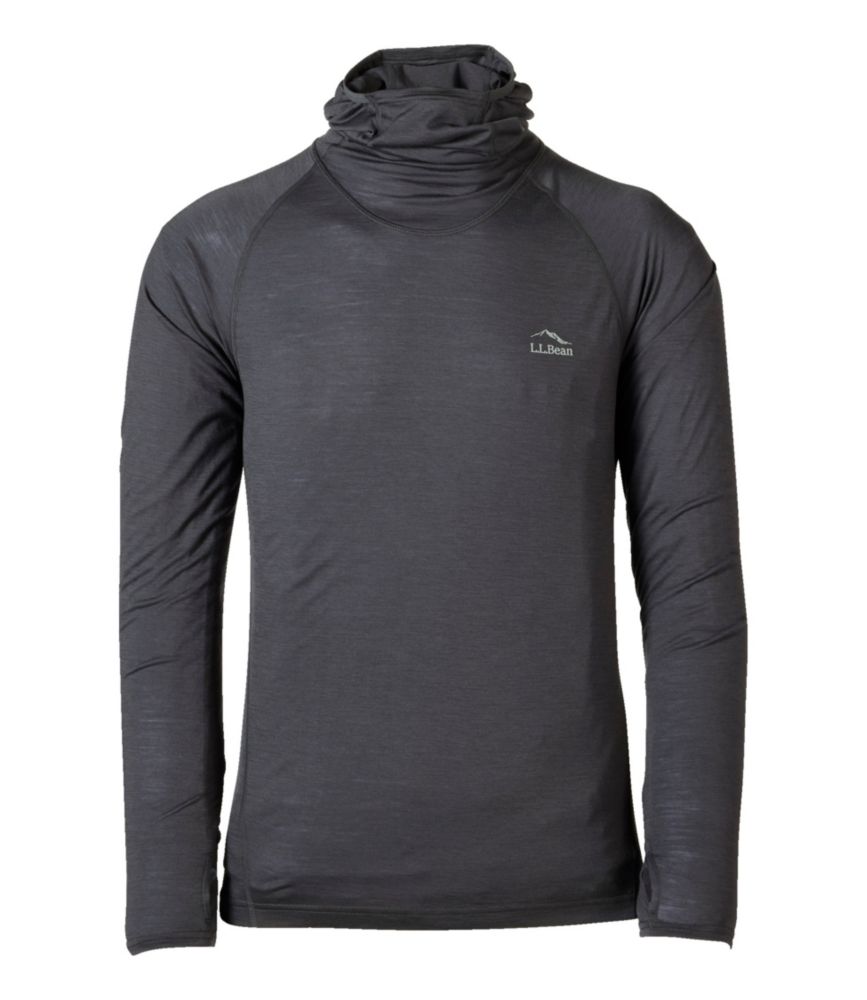
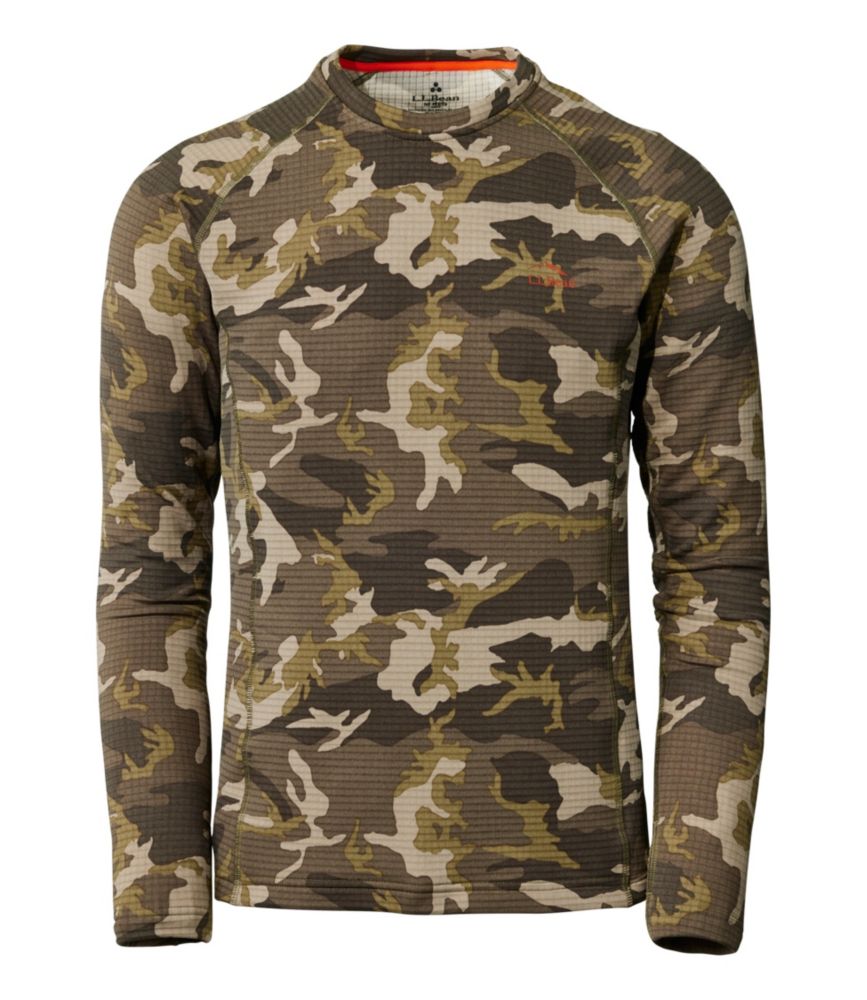
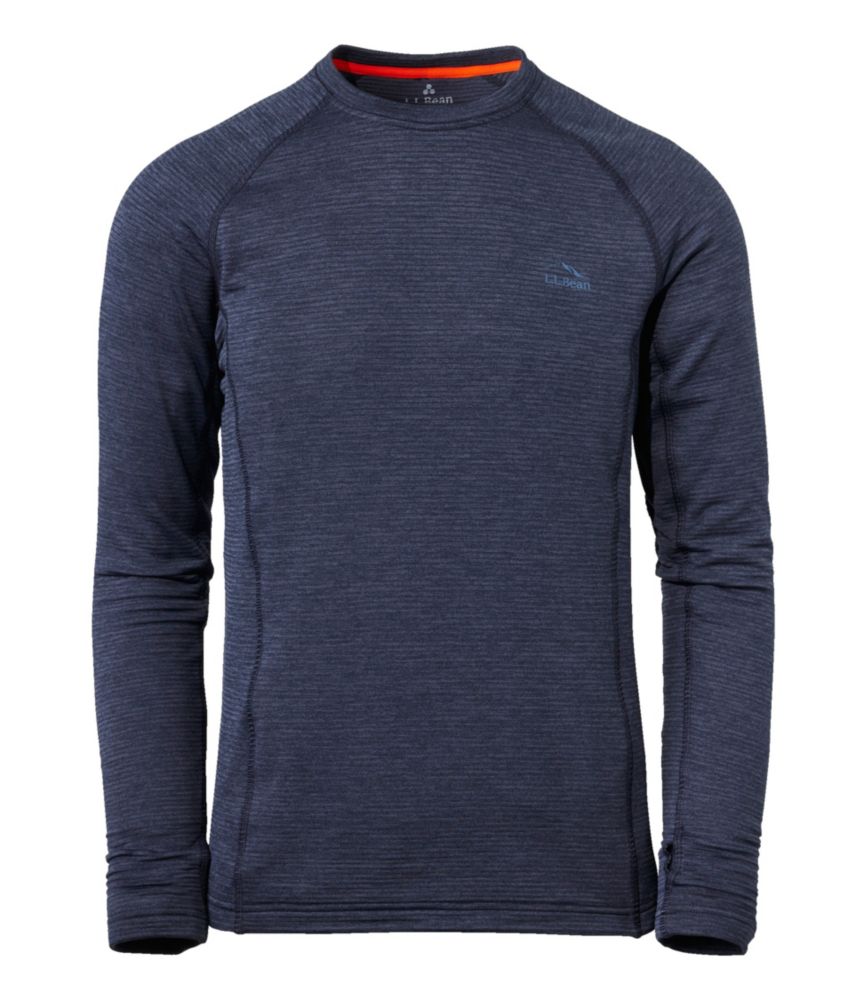
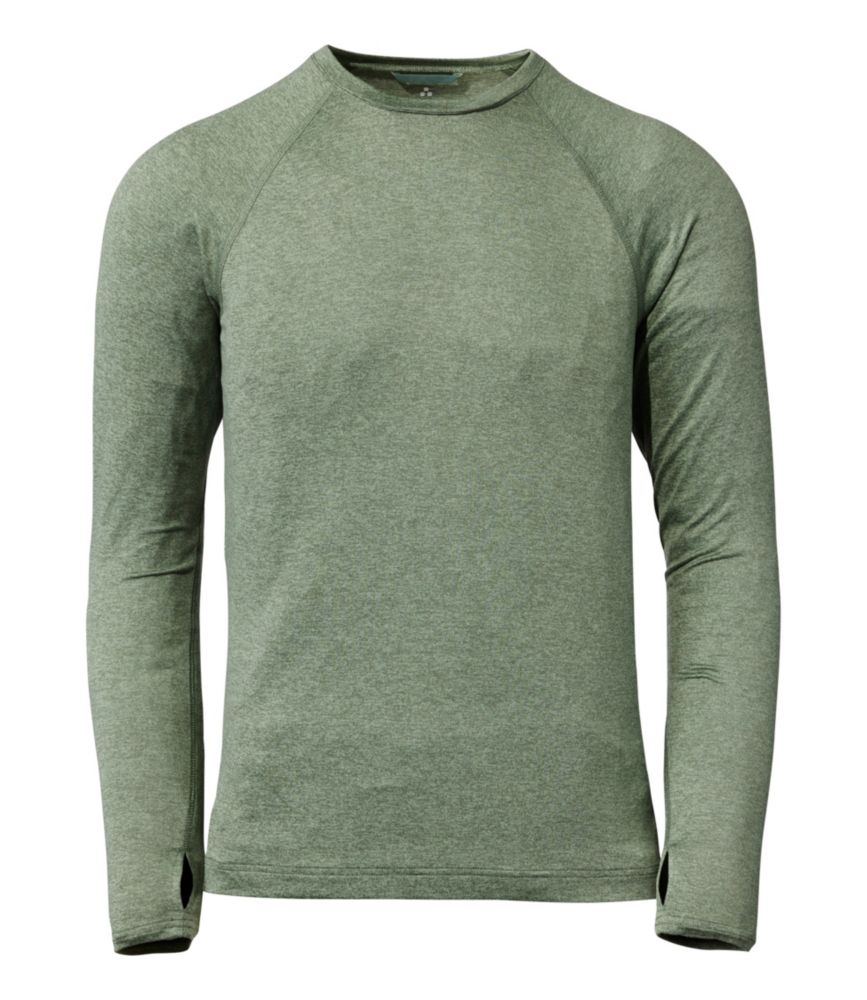
Men's L.L.Bean Simple Soft Base Layer, Crew
L.L.Bean Men's L.L.Bean Simple Soft Base Layer, Crew
A lightweight, moisture-wicking synthetic base layer crewneck with thumbholes, perfect for everyday warmth and comfort.
(0)
$54.95 $54.95
SALE
$54.95 $54.95
SALE
Women's LLB Simple Soft Base Layer Camisole
L.L.Bean Women's LLB Simple Soft Base Layer Camisole
A lightweight pink camisole in a soft, moisture-wicking synthetic blend for comfortable everyday layering.
(0)
$39.95 $39.95
SALE
$39.95 $39.95
SALE
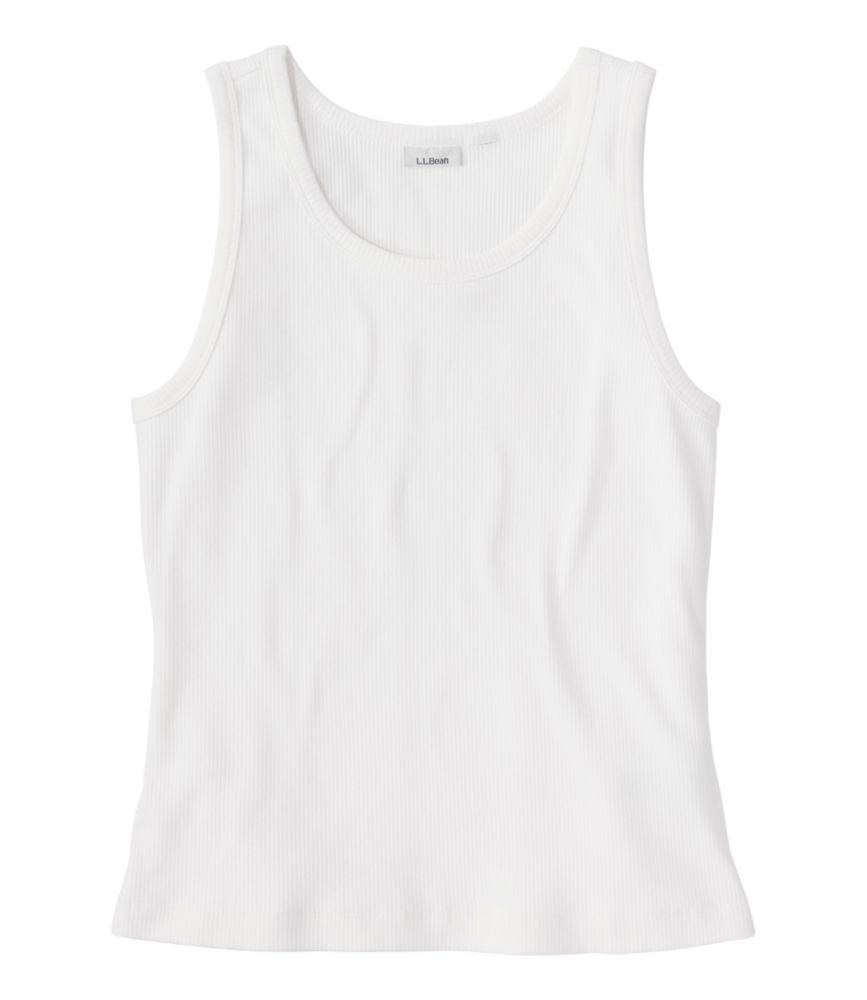
Women's Bean's Ribbed Layering Tank
L.L.Bean Women's Bean's Ribbed Layering Tank
A soft white ribbed tank in a cotton-modal-spandex blend, perfect for comfortable layering.
(0)
$29.95 $29.95
SALE
$29.95 $29.95
SALE

Layering Tops for Winter

Layering tops for winter bring a wardrobe together through the details that show: a neckline above another layer, a sleeve at the wrist, a hem that adds a different proportion. During the cooler months, these pieces become part of the familiar rhythm of getting dressed, with personal style guiding how each combination takes shape. Some people prefer a close, neat outline beneath their other clothing; others favor a more relaxed arrangement with a little more length and an intentionally visible lower layer. Neither approach calls for a completely different wardrobe. Often, the starting point is a favorite color, a familiar silhouette, or a combination that already feels like you. A top in a similar shade to the rest of an outfit creates a quiet, coordinated look, while a contrasting neckline gives the same arrangement a distinct focal point. Deeper shades, pale neutrals, and nature-inspired colors offer different ways to express that preference without making the overall look complicated. Proportion matters just as much as color. A shorter top changes where the eye settles, while a longer one can become a deliberate part of the layered outline. Necklines deserve attention, too, particularly when more than one will be visible. A small difference in shape or height can make two otherwise similar combinations look quite different. The appeal of winter layering is partly in those possibilities: familiar clothing can take on another character simply by changing what sits underneath or over it. For a broader look at the category, Layering Tops offers another starting point for considering these wardrobe relationships. The most personal choices tend to connect with what someone already likes wearing, rather than asking them to adopt a whole new style. That makes a thoughtfully chosen top a meaningful addition to a winter wardrobe, whether the preference is understated, colorful, traditionally outdoorsy, or somewhere in between.

Fit is an important distinction when comparing winter layering tops, because a size label alone does not describe the way several pieces of clothing will sit together. Shoulder placement, sleeve shape, body length, and the cut through the torso all contribute to the overall silhouette. The intended fit of an individual top is a more useful reference than assuming every layer should be tight or every outer layer should be oversized. Someone who likes a defined outline may pay particular attention to the amount of room through the body, while someone who enjoys a relaxed look may care more about how the hem falls. Sleeve length has a visual role as well: cuffs that remain out of sight create a different finish from cuffs deliberately shown below another sleeve. These are small choices, but they are often what separates a combination that looks intentional from one that never quite feels right. A favorite top already in the wardrobe can provide a practical point of comparison for measurements and proportions. Its length, shoulder line, and neckline offer concrete references that are easier to interpret than a size name in isolation. Individual size charts and fit descriptions help put those preferences into context without suggesting that one shape suits everyone. Material information also belongs in that comparison, alongside personal preferences about fabric feel and care. The composition listed for an individual top provides a clearer basis for choosing than its appearance in a photograph, and the care label identifies the routine that particular piece requires. Durability is another consideration best approached through the details of an individual garment, including its construction and care information, rather than through assumptions about an entire category. For someone building a smaller, carefully considered wardrobe, the relationship between a top and the clothing already owned may be especially important. A familiar neckline, a preferred sleeve shape, or a well-chosen length can give a new addition a clear place among established favorites.

Winter layering tops can also reflect the different ways people like to approach their wardrobes. One person may enjoy repeating a few trusted color combinations, while another likes changing the visible details each time they get dressed. A shared closet rail might hold both approaches: neatly grouped neutrals on one side, a more varied mix of shades and shapes on the other. The category leaves room for that individuality without making a layered look feel like a formula. For people who enjoy an outdoorsy aesthetic, the visual character might come from woodland shades, simple lines, or a combination that feels familiar alongside the rest of their winter clothing. Others may prefer a more understated arrangement, with closely related colors and only a narrow edge of the lower layer showing. Intended use remains a matter for the individual garment’s description; the category name alone does not establish which activities a particular top is designed for. That distinction is useful when a purchase needs to serve a specific purpose rather than simply add another styling option. As a gift, a layering top is most thoughtful when it reflects the recipient’s established preferences. A frequently worn neckline, a color that appears throughout their wardrobe, or a known preference for a particular fit provides a better starting point than guessing from size alone. Care preferences matter here, too, especially for someone who values a straightforward clothing routine. Checking the individual care directions before choosing helps connect the gift with the way that person looks after their wardrobe. For personal purchases and gifts alike, there is value in taking the whole combination into account: how much of the top will show, where its hem will fall, and whether its shape complements the layers around it. Those details give winter layering its everyday character. Rather than relying on a single prescribed look, a well-considered selection supports a wardrobe that feels recognizable and personal, with room to rearrange familiar pieces as the cooler season unfolds.
Read More

FAQs