It's time to upgrade your browser

Your current browser is no longer supported on llbean.com. Please upgrade to one of the following for a smoother, safer shopping experience with us:

Jackets For Construction

Explore jackets for construction with your workday in mind. Compare styles and sizing, consider the fit over your usual work clothes, and review each jacket’s listed features against your jobsite’s requirements to help narrow your choices.
Read More
Men's Insulated 3-Season Bomber Hooded Jacket
L.L.Bean Men's Insulated 3-Season Bomber Hooded Jacket
A windproof, water-resistant bomber jacket with fleece lining, insulated sleeves, and an adjustable hood.
(1,125)
$130 $130
SALE
What customers like:
Fits well
Good quality
Warmth
Versatile
Comfortable
$130 $130
SALE
Men's Warm-Up Jacket, Fleece Lined
L.L.Bean Men's Warm-Up Jacket, Fleece Lined
A rust orange, fleece-lined jacket with water and wind resistance, featuring multiple zippered pockets and Thinsulate™ insulation.
(9,237)
$99.95 $99.95
SALE
What customers like:
Well-made
Warmth
Versatile
Comfortable
Good fit
$99.95 $99.95
SALE
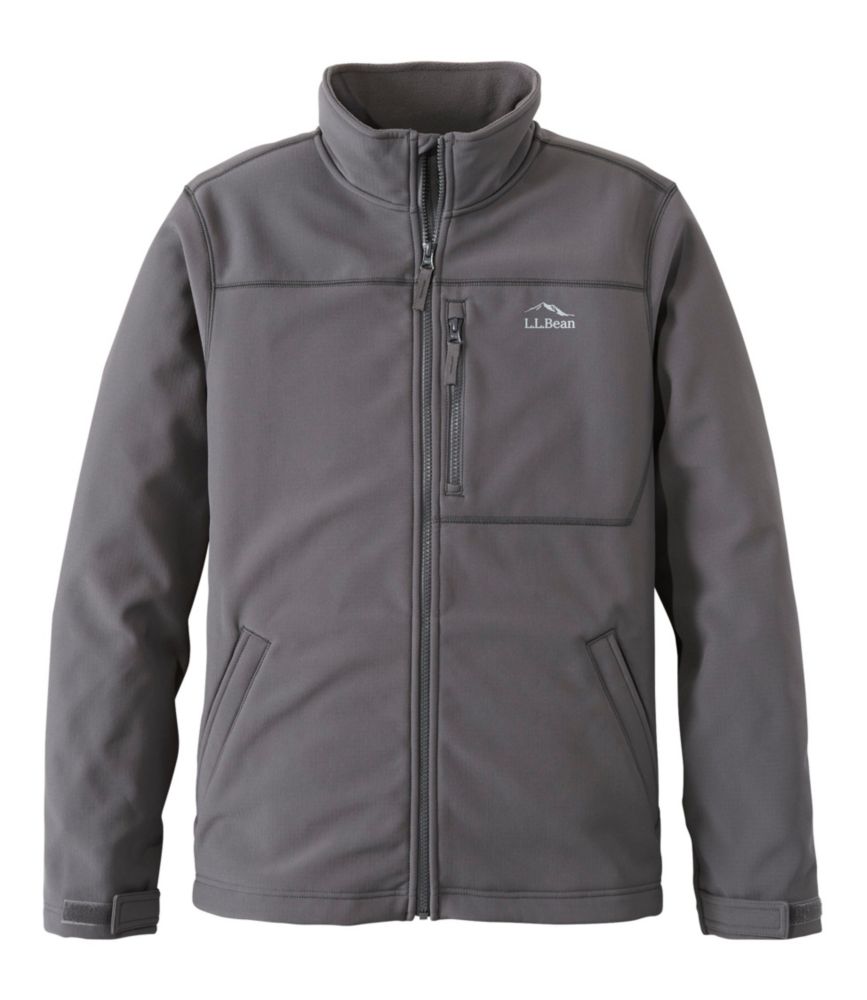
Men's Bean's Windproof Softshell Jacket
L.L.Bean Men's Bean's Windproof Softshell Jacket
A stylish, windproof softshell jacket in alloy gray with breathable AirShield® technology and soft fleece lining.
(724)
$120 $120
SALE
What customers like:
Good quality
Lightweight
Well constructed
Windproof and water-resistant
Comfortable fit
$120 $120
SALE
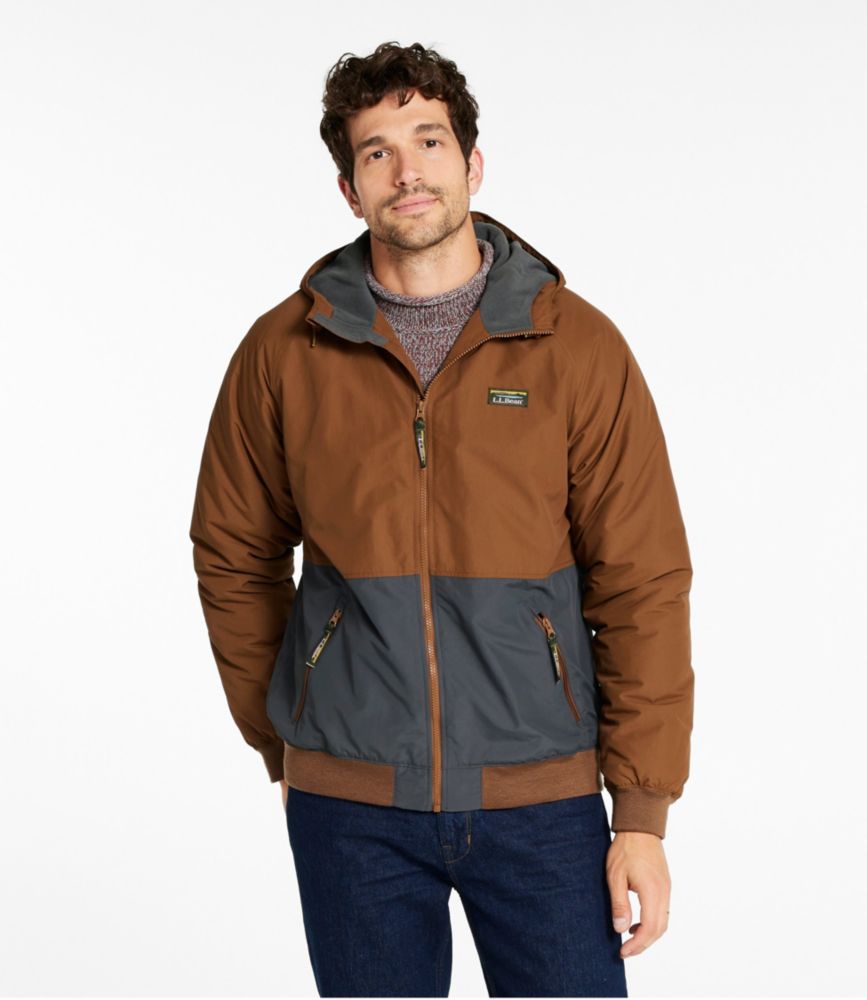
Men's Insulated 3-Season Bomber Hooded Jacket, Colorblock
L.L.Bean Men's Insulated 3-Season Bomber Hooded Jacket, Colorblock
A windproof, water-resistant bomber jacket with recycled polyester fleece lining and ColdShield™ insulation for 3-season wear.
(263)
$130 $130
SALE
What customers like:
Great fit
High quality
Waterproof
Excellent warmth
$130 $130
SALE
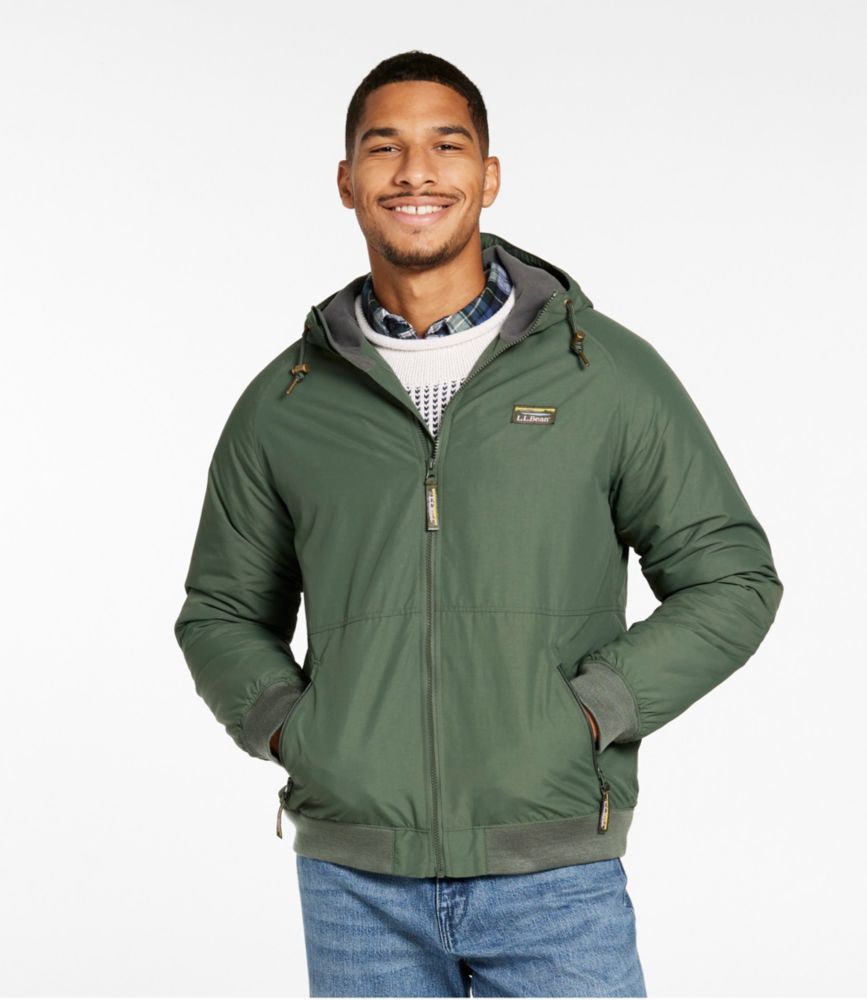
Men's Warm-Up Jacket, Flannel-Lined
L.L.Bean Men's Warm-Up Jacket, Flannel-Lined
A flannel-lined, water-resistant jacket in carbon navy, offering wind protection and comfort for three seasons.
(1,025)
$99.95 $99.95
SALE
What customers like:
Water-resistant
Perfect for spring or fall
Zip-up pockets
Good quality material
Good fit
$99.95 $99.95
SALE
Men's Cresta Stretch Rain Jacket
L.L.Bean Men's Cresta Stretch Rain Jacket
An ocean blue, waterproof nylon rain jacket with four-way stretch and adjustable hood for optimal mobility.
(530)
$180 $180
SALE
What customers like:
Lightweight and easy to pack
Durable and well made
True to size
Great color options
Comfortable fit
$180 $180
SALE
Men's Maine Guide Zip-Front Jac-Shirt with PrimaLoft, Plaid
L.L.Bean Men's Maine Guide Zip-Front Jac-Shirt with PrimaLoft, Plaid
A plaid wool/nylon jac-shirt with PrimaLoft insulation, perfect for layering in cool or cold weather.
(303)
$250 $250
SALE
What customers like:
Very comfortable
Durable construction
Excellent warmth
$250 $250
SALE
Men's Maine Guide Zip-Front Jac-Shirt
L.L.Bean Men's Maine Guide Zip-Front Jac-Shirt
A versatile wool/nylon jac-shirt in loden, perfect for layering or wearing alone year-round.
(126)
$190 $190
SALE
$190 $190
SALE
Men's Maine Guide Zip-Front Jac-Shirt with PrimaLoft
L.L.Bean Men's Maine Guide Zip-Front Jac-Shirt with PrimaLoft
A warm, windproof wool/nylon jac-shirt with PrimaLoft Silver lining, ideal for layering in cold weather.
(117)
$240 $240
SALE
What customers like:
Very warm
Good fit
Comfortable to wear
$240 $240
SALE

Jackets For Construction

Choosing a jacket for construction starts with the person wearing it and the requirements of the job. An early arrival at the site, a conversation with a crew member and a stop at the supply counter can all be part of the same morning, but no two workdays look exactly alike. This Jackets For Construction selection offers a starting point for comparing options with your own routine in mind. Before narrowing your choices, check your employer’s clothing requirements, then review each jacket’s description and sizing information. A jacket’s appearance alone does not establish that it meets a jobsite standard, and ordinary outerwear should not be treated as a substitute for required protective equipment. Once those requirements are clear, the choice becomes more personal: the cut you prefer, the length that feels right and the details you like to have close at hand.

Fit deserves particular attention when choosing a jacket for work. Start with current measurements and the size chart for the individual item rather than relying only on the size you usually buy. Think about the clothes you expect to wear underneath, and compare the listed measurements with a jacket you already own and like. Sleeve length, shoulder fit and where the hem falls are useful points of comparison, especially if you have found that one cut suits you better than another. When trying a jacket on, wear your usual work layers and check the fit while sitting, reaching and bending. Look closely at the listing’s photographs and details, too. If pockets are shown, consider their placement rather than simply counting them; a place for a small notebook matters only if you can reach it when you need it. Check how the front closes, whether the fit is adjustable and what the care instructions require. These are practical distinctions worth weighing before settling on a style.

For someone buying their own jacket, familiar preferences are often the best starting point. You may favor a straightforward silhouette, a particular collar shape or a color that fits naturally with the rest of your work clothing. There is value in choosing something that feels like your style rather than selecting it solely because it looks the part. As a gift for someone who works in construction, a jacket calls for a little advance knowledge: their measurements, preferred fit and workplace requirements are more helpful than a guess based on their occupation. A well-worn favorite hanging by the door can offer clues about the length and cut they tend to reach for, though it is still worth confirming their current size. Whether you are shopping for yourself or someone close to you, compare the individual listings carefully and let the job’s requirements and the wearer’s preferences lead the decision.

Read More

FAQs