It's time to upgrade your browser

Your current browser is no longer supported on llbean.com. Please upgrade to one of the following for a smoother, safer shopping experience with us:

Insulated Leather Winter Boots

Find insulated leather winter boots that suit your style and fit preferences. As you browse, compare each pair’s insulation details and sizing guidance to narrow your choices, and check the leather care instructions so you know what to expect.
Read More
Women's Kangaroo Upland Insulated Hunting Boot
L.L.Bean Women's Kangaroo Upland Insulated Hunting Boot
A durable, lightweight brown kangaroo leather hunting boot with waterproof TEK 2.5 membrane and Primaloft insulation.
(0)
$260 $260
SALE
$260 $260
SALE
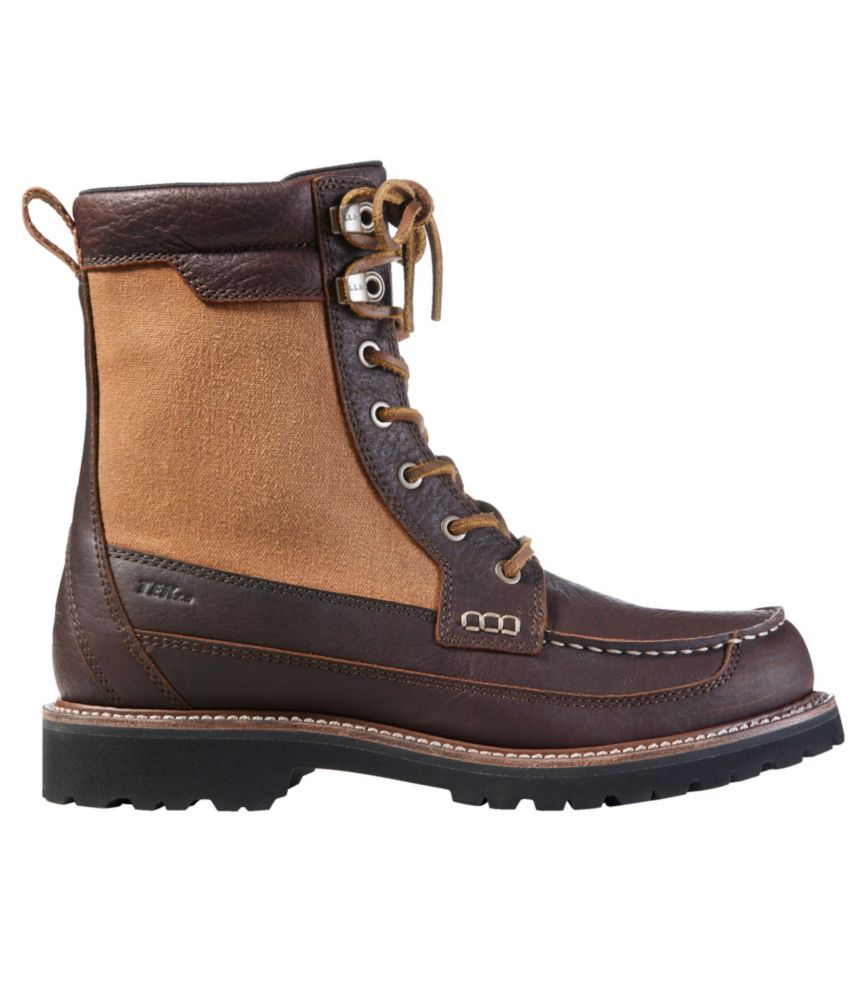
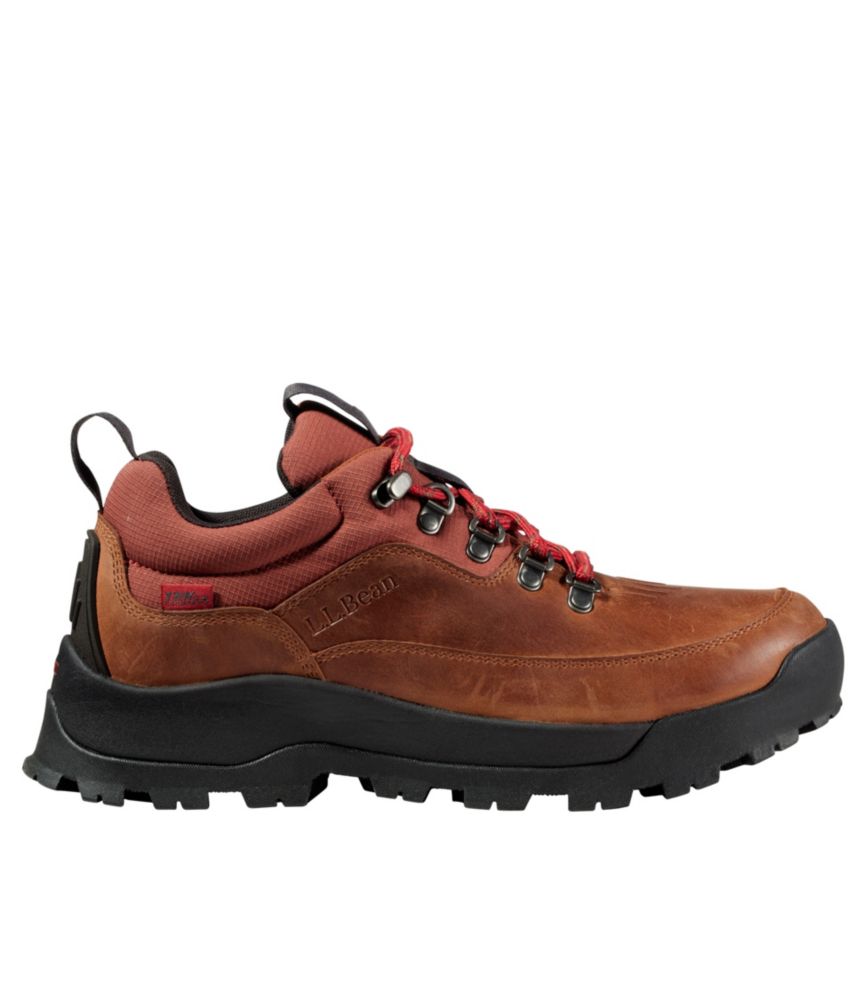
Men's Urban Storm Shoes, Waterproof Insulated
L.L.Bean Men's Urban Storm Shoes, Waterproof Insulated
A rugged, waterproof, and insulated shoe with leather upper and rubber outsole, perfect for harsh weather.
(0)
$150 $150
SALE
$150 $150
SALE
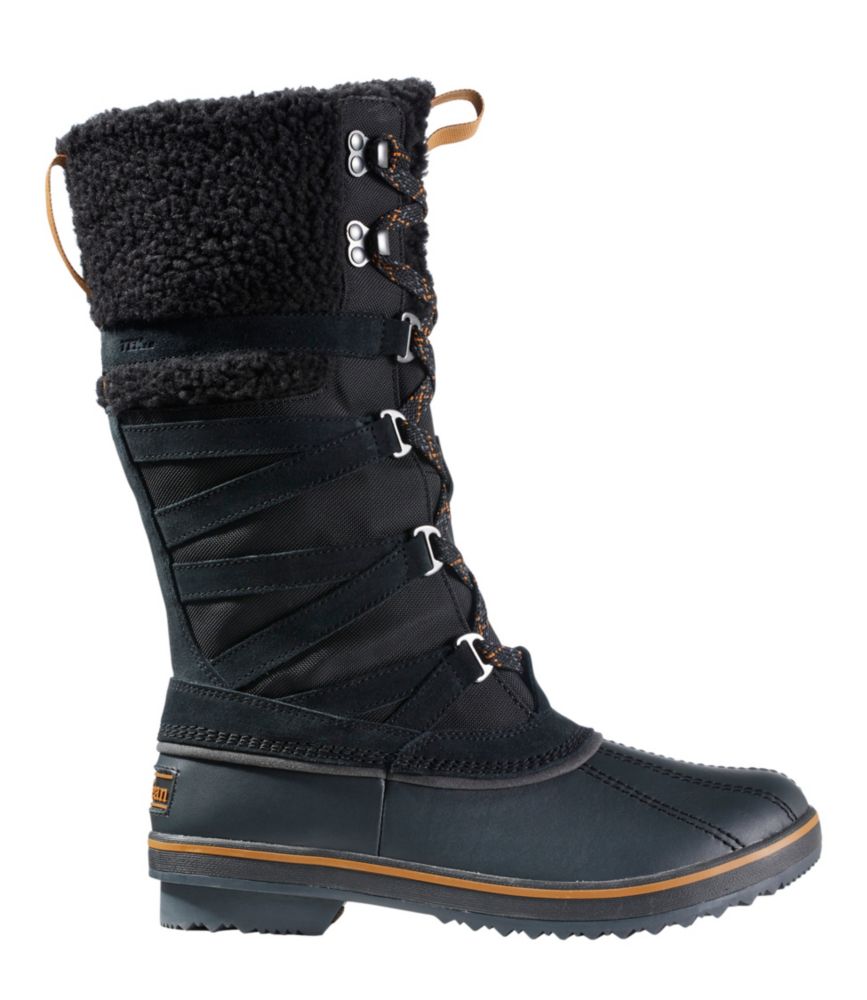
Women's Rangeley Insulated Pac Boots, Tall
L.L.Bean Women's Rangeley Insulated Pac Boots, Tall
A stylish black snow boot with faux fur cuff, PrimaLoft® insulation, and waterproof leather upper.
(0)
$200 $200
SALE
$200 $200
SALE
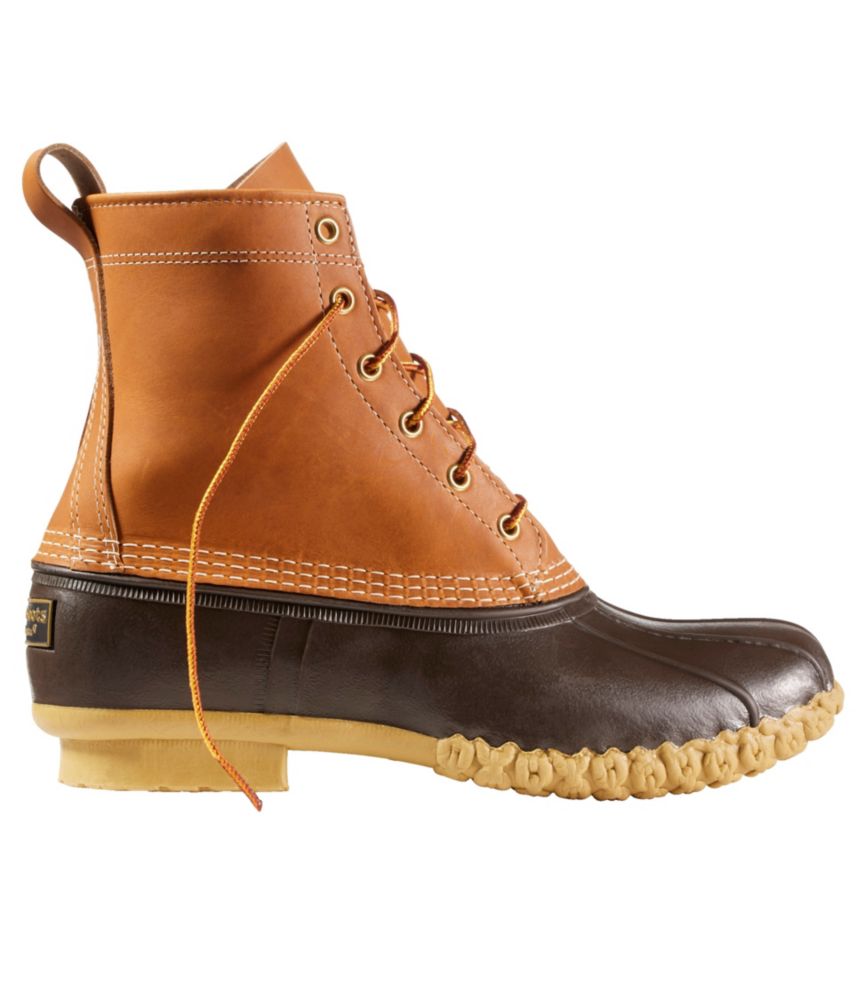
Women's Bean Boots, 8" Insulated
L.L.Bean Women's Bean Boots, 8" Insulated
A weather-ready brown leather boot with waterproof rubber bottom and 200g insulation for cozy warmth.
(0)
$180 $180
SALE
$180 $180
SALE
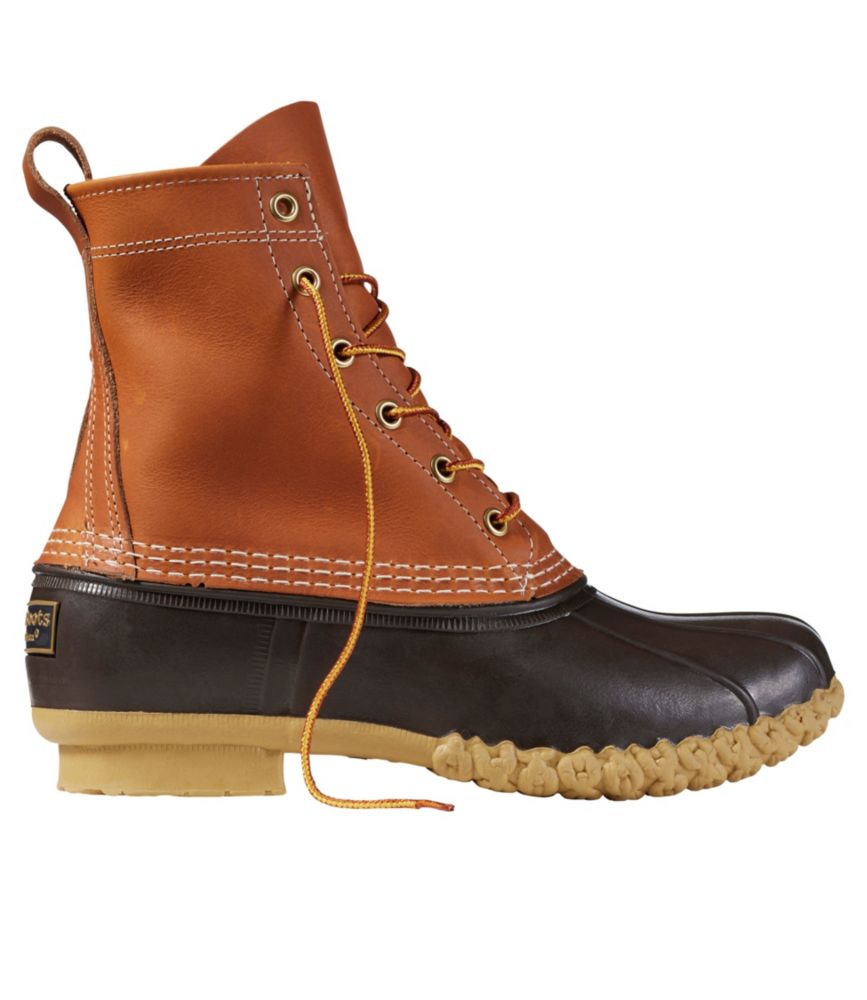
Men's Bean Boots, 8" Insulated
L.L.Bean Men's Bean Boots, 8" Insulated
A Maine-made, weather-ready boot with insulated rubber bottom and supple leather upper for all-day comfort.
(0)
$180 $180
SALE
$180 $180
SALE

Insulated Leather Winter Boots

Insulated leather winter boots bring together a familiar material, insulated construction and a style closely associated with winter. Leather gives this category its distinctive appearance, with differences in surface texture, finish and detailing helping each design feel a little different. A smooth finish can create a more understated look, while a visibly textured surface adds character to the overall design. Neither appearance alone tells the whole story of a boot, so the individual description remains an important part of comparing choices. The same is true of insulation: the word “insulated” identifies a feature, but it does not mean every pair has identical construction or the same specifications. Beyond those basics, the appeal often comes down to proportion and personal style. The height of the shaft, shape of the toe and arrangement of the laces can change how a boot looks alongside a favorite winter coat or a pair of straight-leg pants. Someone who prefers simple wardrobe essentials may gravitate toward restrained detailing, while someone who enjoys a more traditional outdoor look may favor a more substantial silhouette. A boot does not need elaborate styling to have a clear sense of character; the relationship between its shape, leather finish and small details can be enough. Those considering the broader category can also explore insulated winter boots, then use individual descriptions to compare the details that matter most. Within the leather category, a useful starting point is the winter wardrobe already hanging by the door: the coat worn most often, the pants that feel most familiar and the overall look that makes getting dressed feel straightforward. Choosing a style that belongs naturally with those favorites keeps the focus on personal preference rather than a passing trend. It also makes the differences between otherwise similar-looking boots easier to recognize, especially when comparing their profiles, proportions and finishes side by side.

Fit deserves just as much attention as appearance when considering insulated leather winter boots. A familiar shoe size is a starting point, not a substitute for the fit notes and size information attached to an individual pair. The shape of the toe area, the space across the instep and the feel around the heel all contribute to how a boot fits, and two designs with similar outlines may feel different once tried on. The socks intended to accompany the boots belong in that comparison, too. Trying on footwear with a substantially different sock can make it harder to judge the space that will actually be needed. Toes should have room to move without the foot sliding excessively, and pressure across the top or sides of the foot deserves attention rather than an assumption that it will disappear. Leather alone is not a reason to choose a boot that feels too tight. Where an individual design includes adjustable laces or another closure, the description and photos can help clarify how that closure works and where it sits on the foot or leg. Shaft height matters visually, but it also affects how the top of a boot meets socks and pant hems. Picture the small details of getting dressed: a cuff resting above the boot, a pant leg falling over the shaft or a preferred sock extending beyond the top. Those relationships can make one silhouette more appealing than another without making either universally better. Intended use also belongs in the decision, but a winter label should not stand in for the specific information provided for each pair. Product descriptions are the place to check whether a design matches the wearer’s plans and preferences. As a gift, boots are most thoughtfully chosen with the recipient’s usual size, fit preferences and personal style in mind. Knowing whether someone favors a lower or taller profile, a close or roomier feel, or a plain or more detailed finish is more useful than guessing from appearance alone.

Care and construction round out the comparison, especially for anyone who wants winter footwear to remain part of a familiar wardrobe over time. Leather is a broad material category, and its finish helps determine the appropriate care approach. A treatment intended for one finish may not be appropriate for another, so the instructions for the individual pair should take precedence over a general leather-care routine. Before selecting a cleaner or conditioner, check that it is recommended for that particular finish and follow any directions about testing it in a discreet area. Cleaning, drying and storage instructions matter together; an appealing appearance does not reveal how a boot should be maintained. The same caution applies to interior components: follow the stated care directions rather than assuming every part can be removed or washed. For a household where several pairs gather near the door, keeping the care information associated with each pair makes those differences easier to remember. Durability is another consideration best grounded in actual construction details instead of the impression created by a substantial shape or textured leather. Clear descriptions and close-up images offer a more useful basis for comparison than appearance alone, though neither replaces the manufacturer’s stated guidance. Looking carefully at the joins, closures and overall construction can also help explain why two boots with similar styling are not necessarily alike. The amount and kind of wear, along with appropriate care, belong in any realistic expectation about how footwear will age. Some shoppers enjoy the individual character that develops with regular wear; others prefer a more uniform appearance and may give greater weight to the finish and its maintenance requirements. Both preferences fit comfortably within the category. The most satisfying choice brings these considerations together: a leather appearance that suits the wearer, fit information that supports a considered selection, insulated construction described clearly and a care routine that feels manageable. With those details in view, insulated leather winter boots become less about choosing by a photograph alone and more about finding a pair that feels like a natural part of a winter wardrobe.
Read More

FAQs