It's time to upgrade your browser

Your current browser is no longer supported on llbean.com. Please upgrade to one of the following for a smoother, safer shopping experience with us:

Insulated Layering Jackets

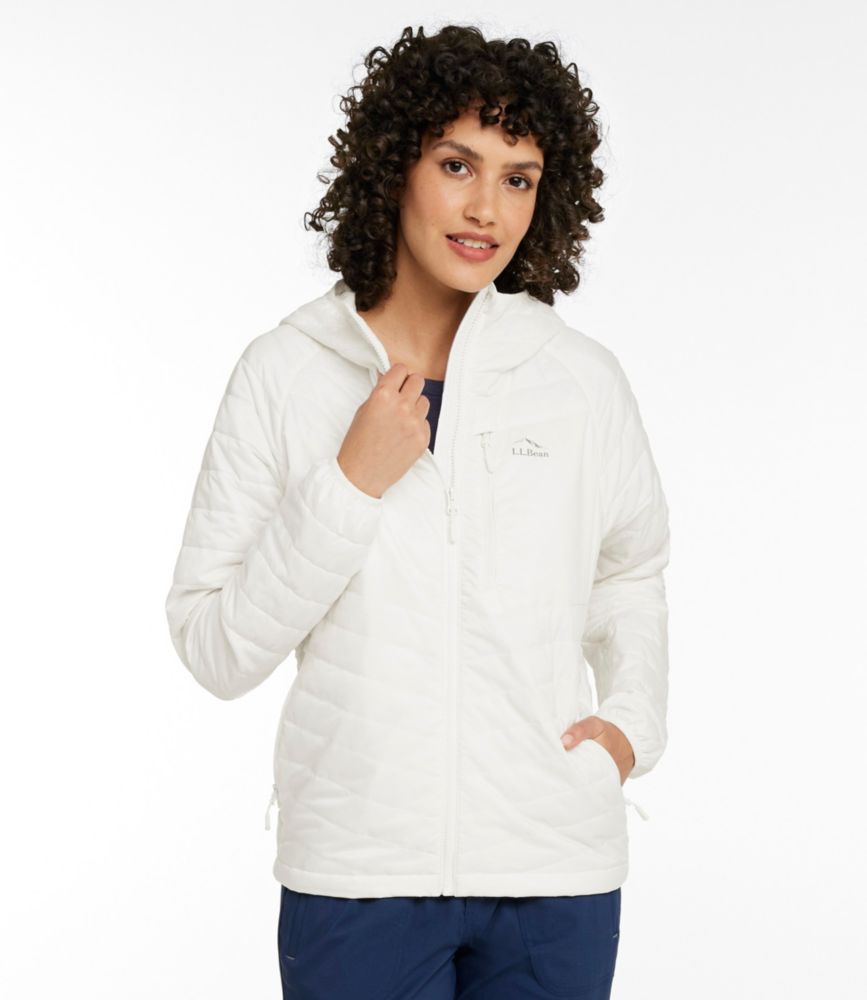
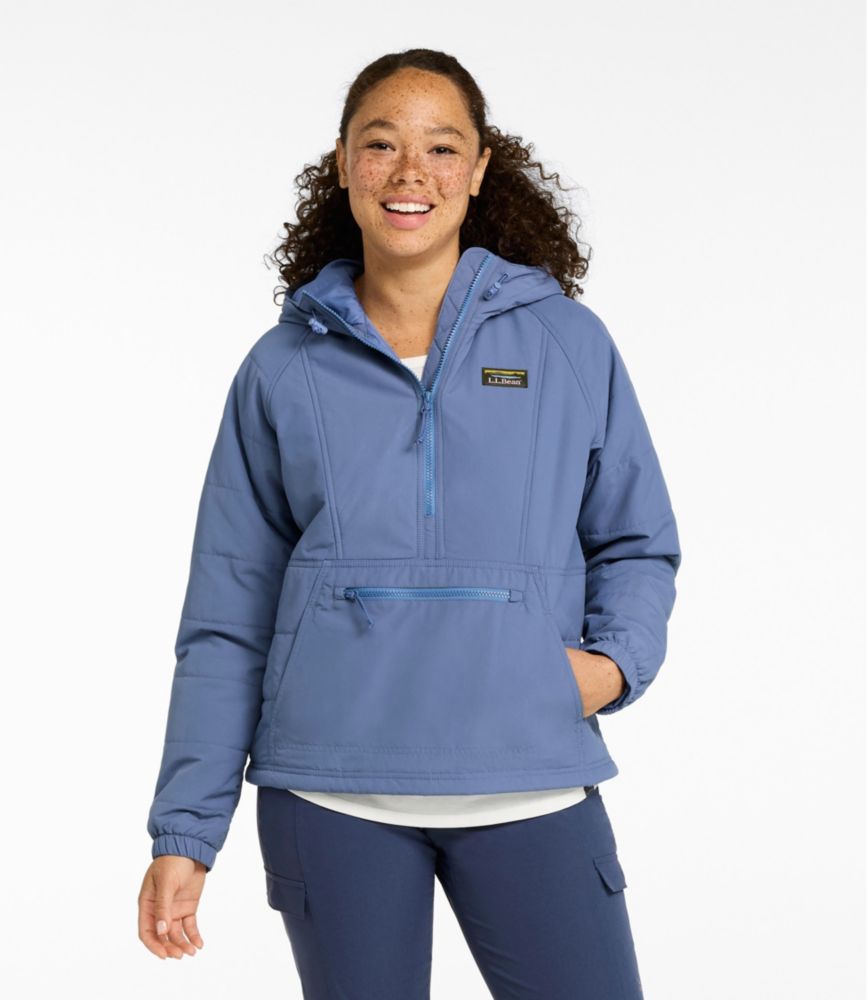
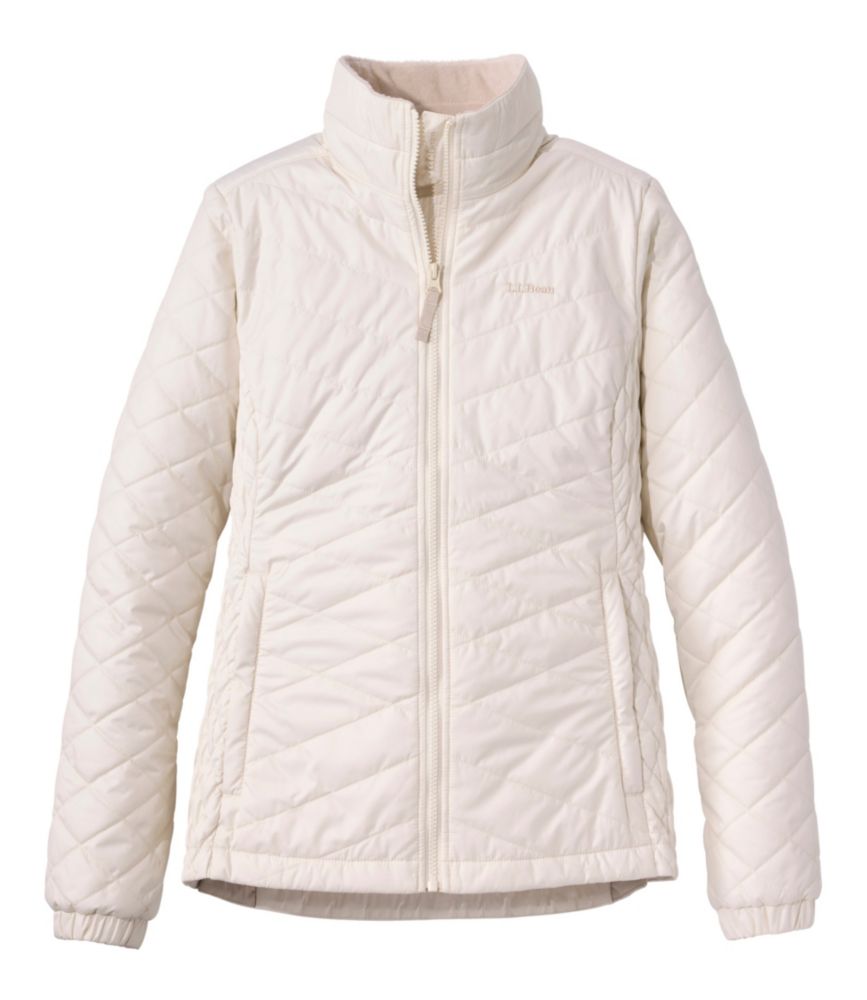
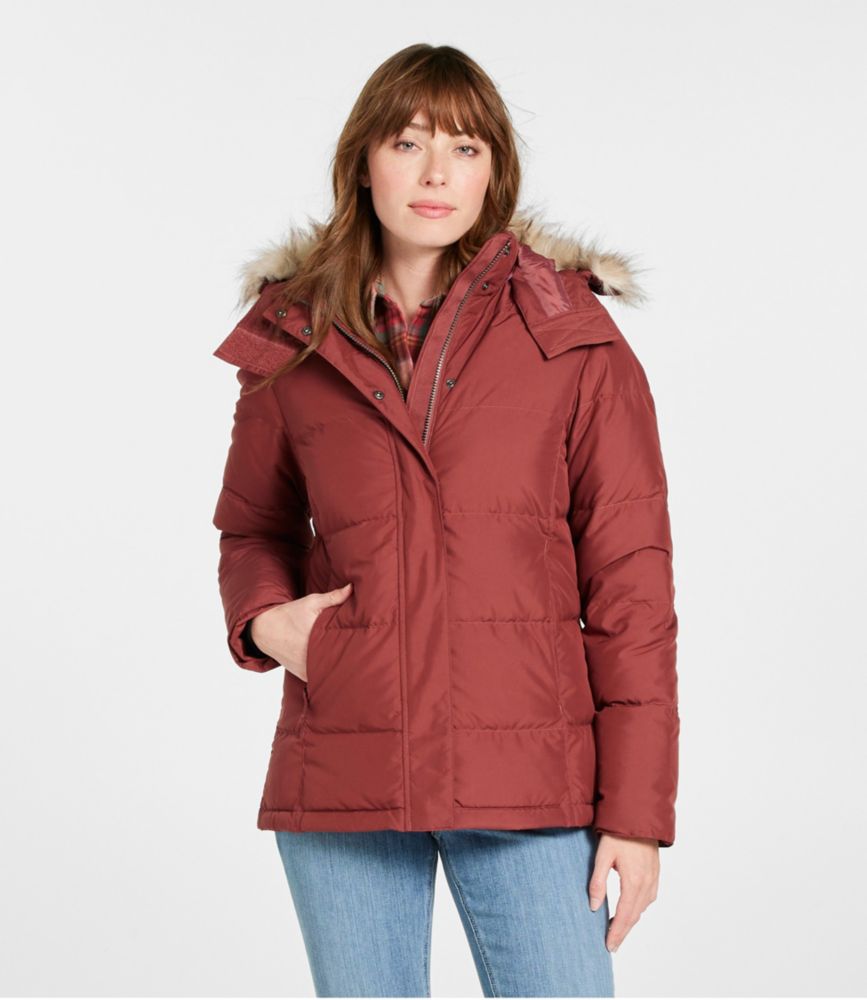
Find insulated layering jackets that work with the layers you already wear. Compare fit, length and design details to choose your style, considering both room for layers underneath and how the jacket will fit beneath an outer layer.
Read More
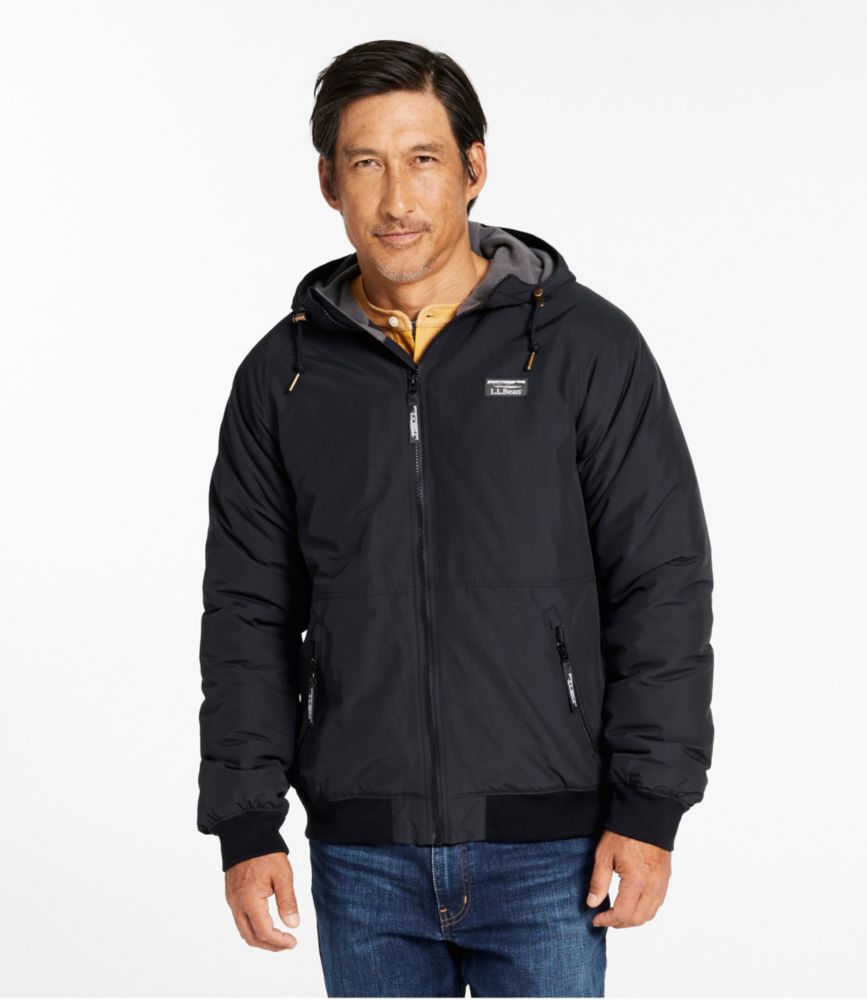
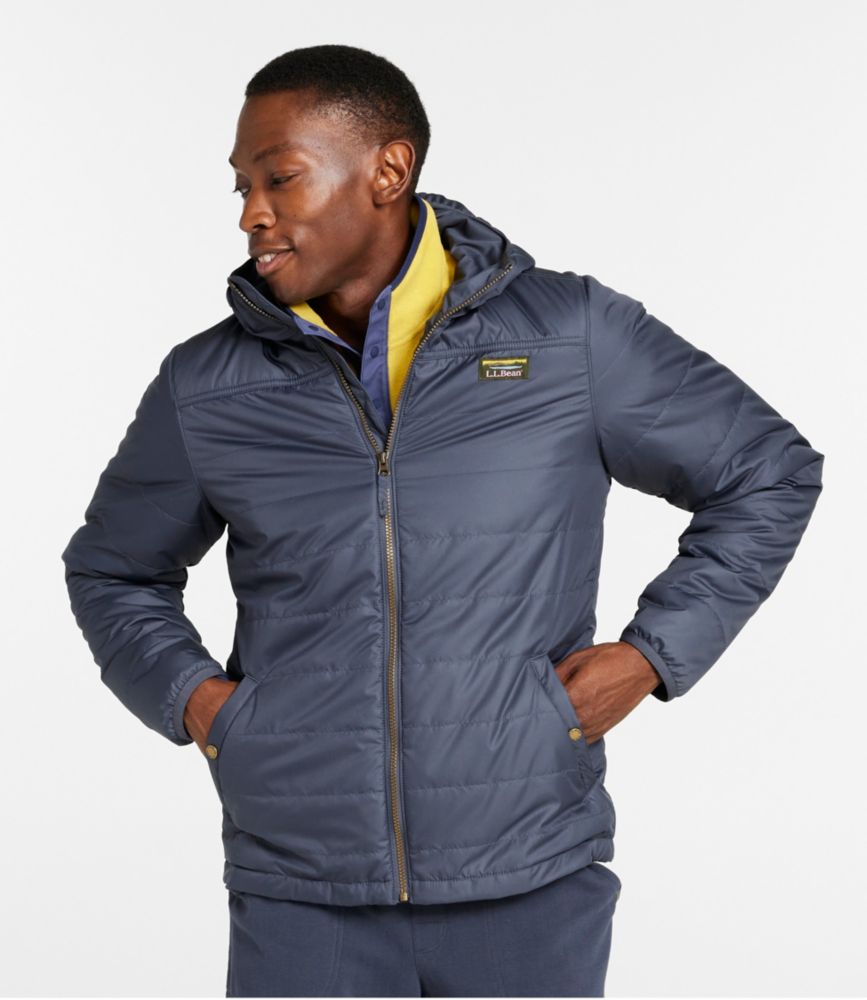
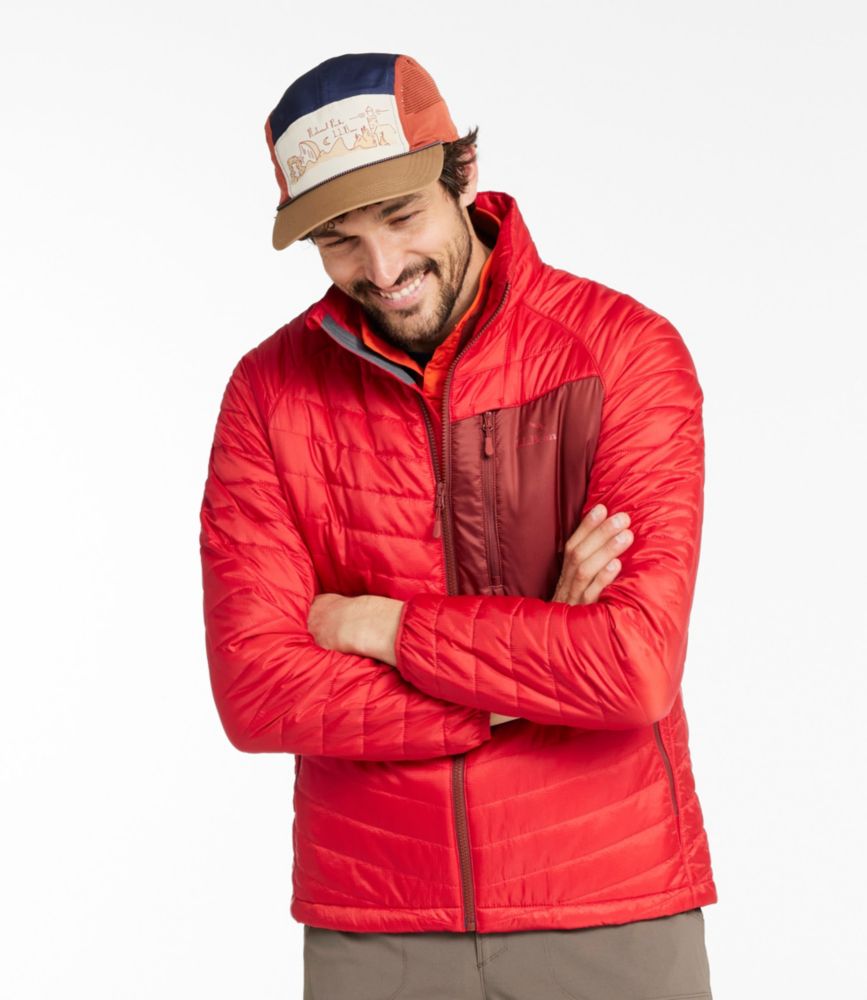
Men's Insulated 3-Season Bomber Hooded Jacket
L.L.Bean Men's Insulated 3-Season Bomber Hooded Jacket
A windproof, water-resistant bomber jacket with recycled polyester insulation and fleece lining for versatile warmth.
(1,125)
$130 $130
SALE
What customers like:
Good quality
Warmth
Versatile
Comfortable
Looks great
$130 $130
SALE
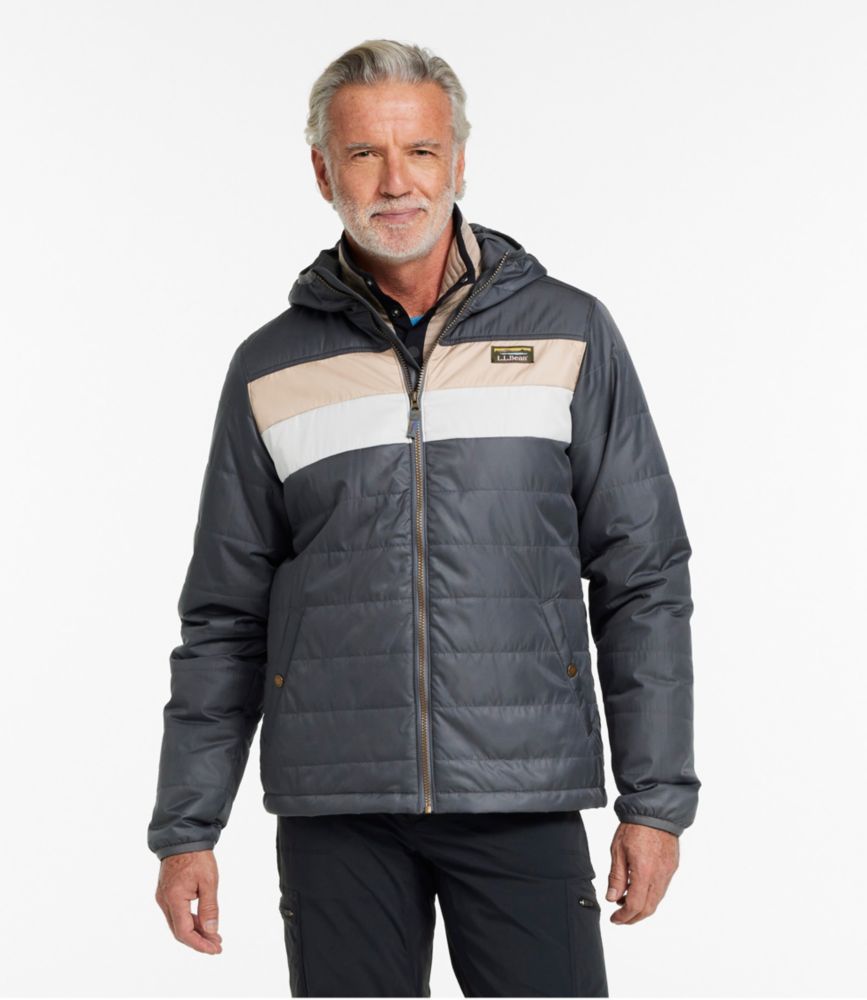
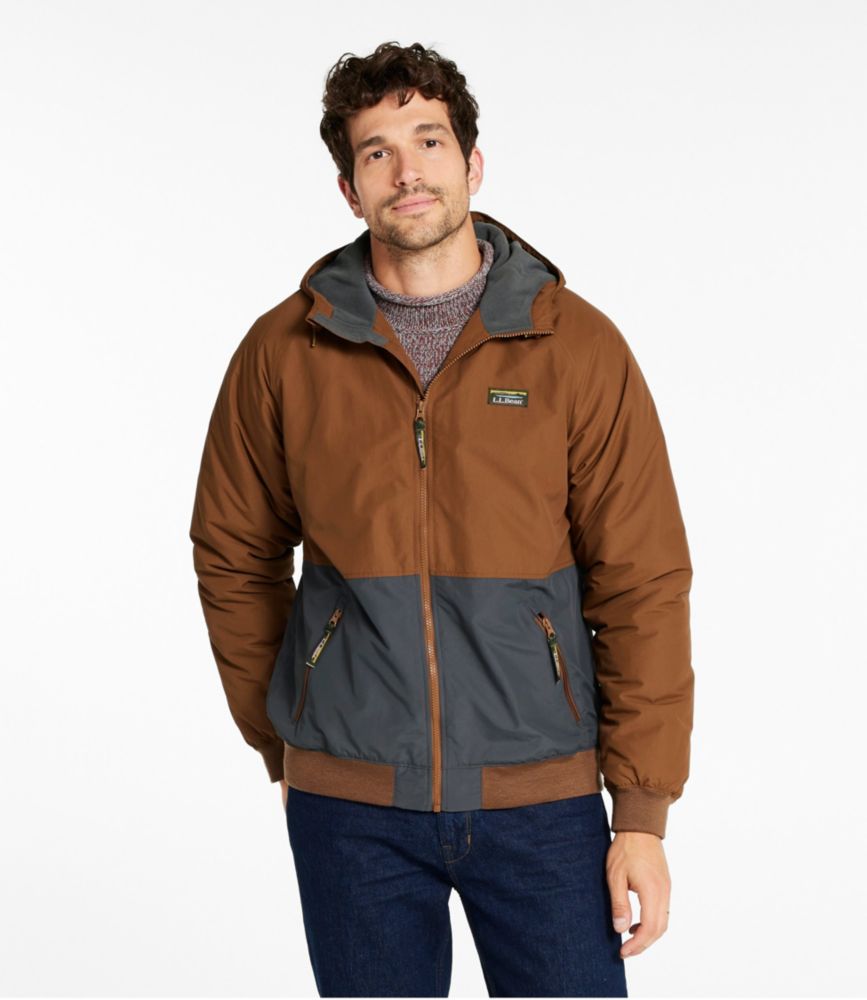
Men's Insulated 3-Season Bomber Hooded Jacket, Colorblock
L.L.Bean Men's Insulated 3-Season Bomber Hooded Jacket, Colorblock
A windproof, water-resistant bomber jacket with recycled polyester fleece lining and ColdShield™ insulation for all-season comfort.
(263)
$130 $130
SALE
What customers like:
High quality
Waterproof
Good fit
Excellent warmth
$130 $130
SALE
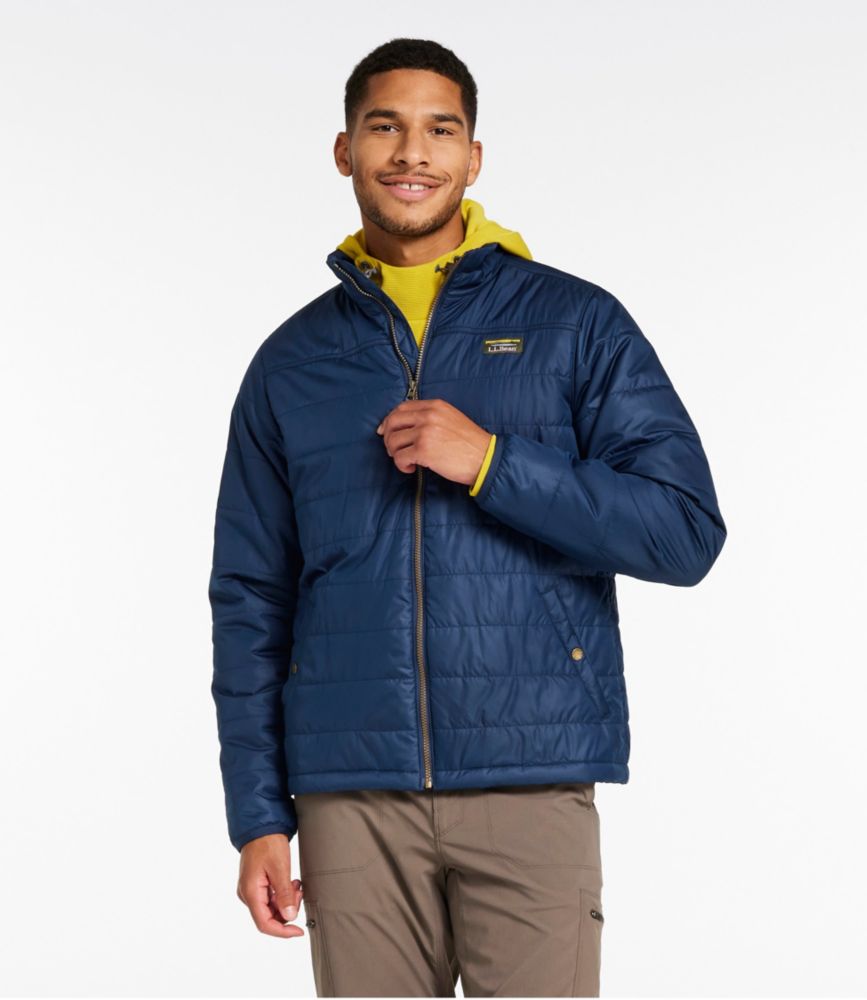
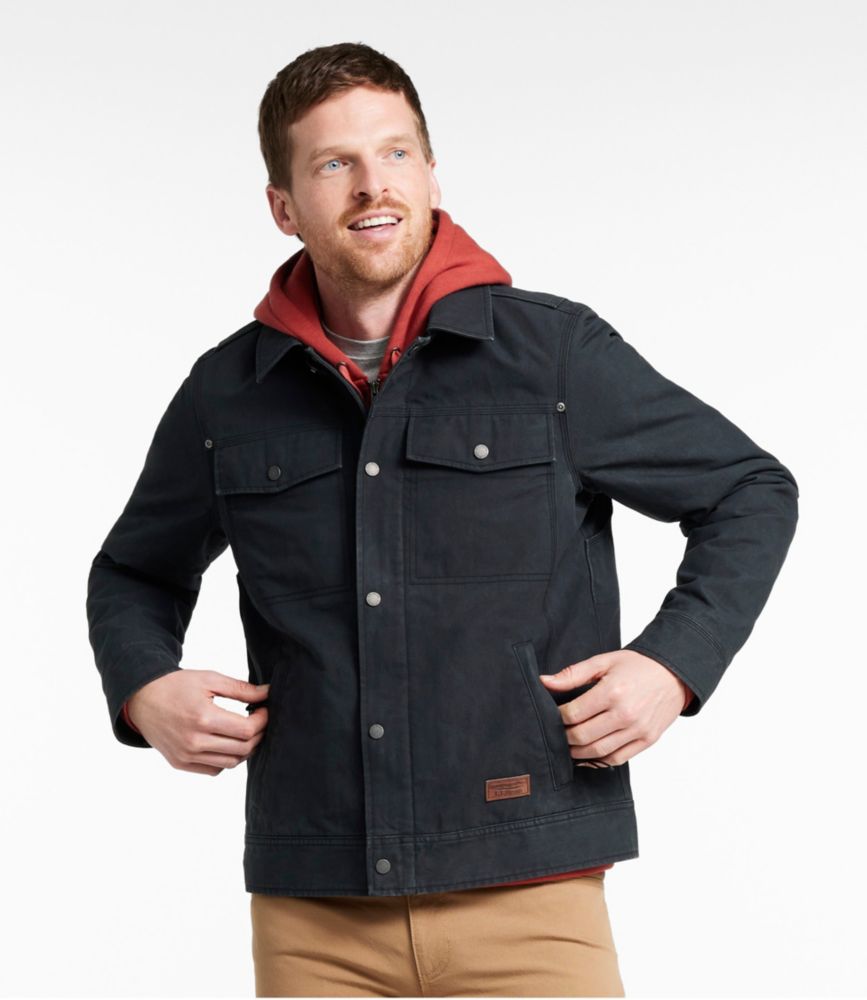
Men's Bean's Insulated Utility Jacket
L.L.Bean Men's Bean's Insulated Utility Jacket
A rugged green utility jacket with recycled polyester insulation and durable water-repellent cotton-nylon blend.
(0)
$200 $200
SALE
$200 $200
SALE
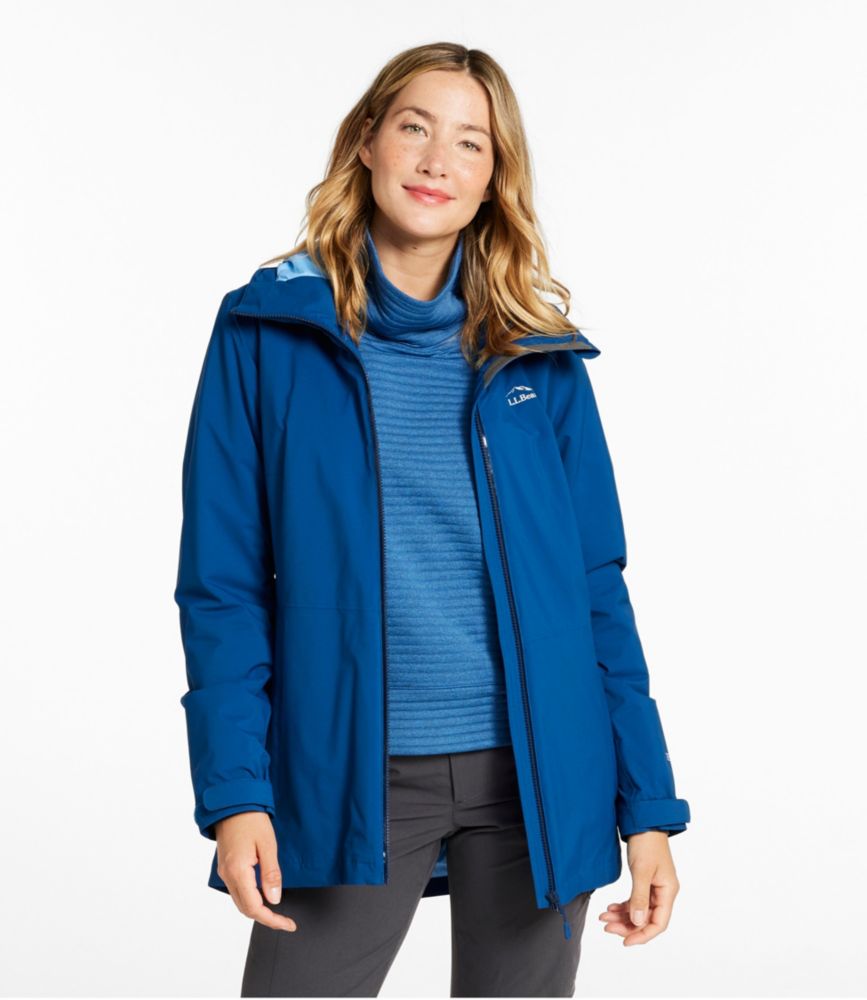
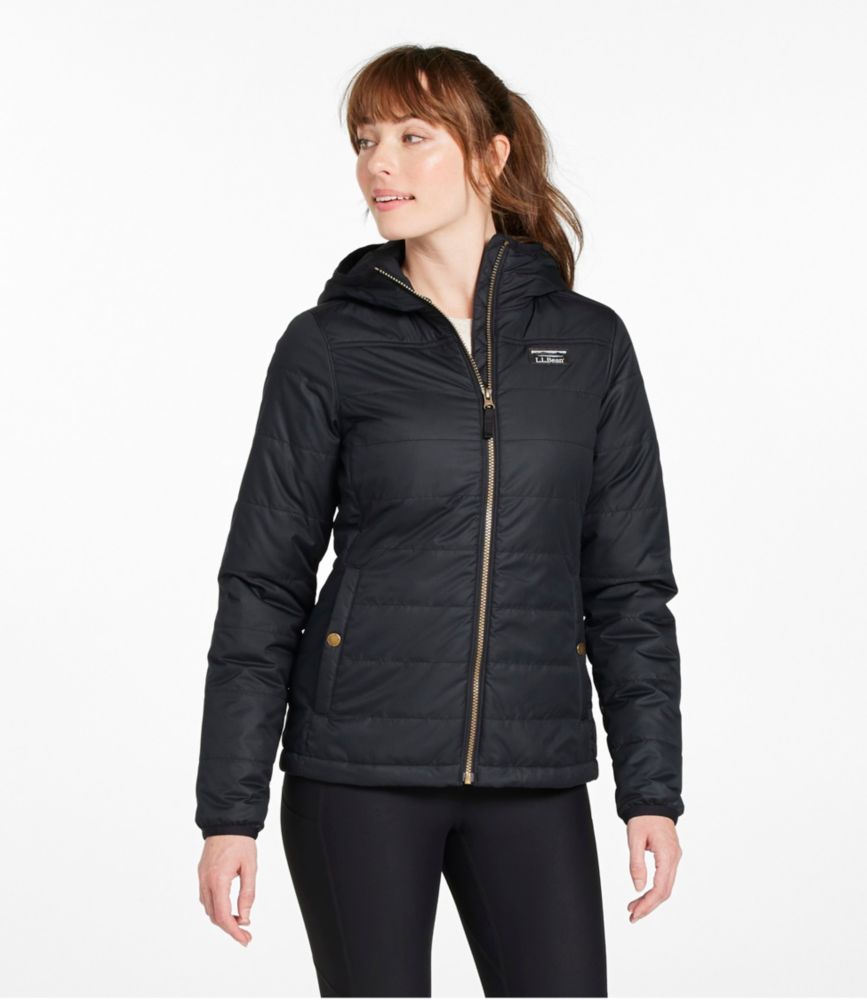
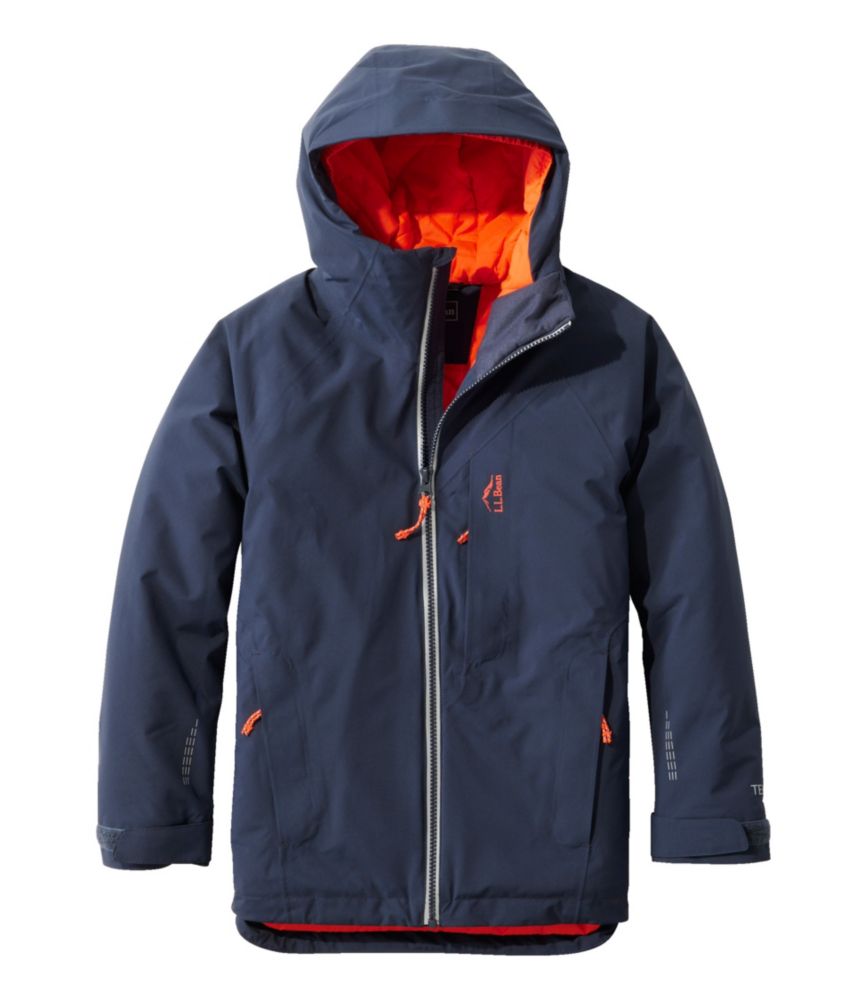
Women's Back Bay Insulated Jacket
L.L.Bean Women's Back Bay Insulated Jacket
A stylish, waterproof, and windproof jacket with recycled polyester insulation and an adjustable hood.
(0)
$190 $94.99
SALE
$190 $94.99
SALE

Insulated Layering Jackets

Insulated layering jackets bring an insulated piece into a clothing combination, with fit and proportion helping determine how the layers work together. Unlike a jacket chosen only by how it looks on its own, a layering jacket deserves a look alongside the clothing that will sit beneath or over it. The relationship between those pieces matters: a favorite shirt, a familiar sweater, and an outer jacket each take up space, and their collars, sleeves, and hems meet in different ways. A close-fitting silhouette and a roomier cut can create very different combinations, even when the labeled size is the same. Browsing insulated layering jackets with those relationships in mind makes it easier to compare designs without assuming that every jacket serves the same role. Product descriptions can clarify the insulation, construction, and intended place in a layered outfit, while photographs offer a closer look at shape and styling. Front, back, and side views are especially useful for seeing where a hem falls or how a collar sits. The appeal of this category is the opportunity to choose a jacket as part of a larger wardrobe rather than as an isolated purchase. Someone who prefers a simple, coordinated look may lean toward understated detailing; someone who enjoys a more distinctive combination may give color and visible stitching greater weight. Neither approach requires every layer to match. A jacket can echo the tones of familiar clothing or provide a contrast while still feeling like a natural part of the outfit. Quality, versatility, and timeless style remain worthwhile considerations, particularly for a piece that may be worn in more than one layering combination. The most relevant choice is the one whose documented features, measurements, and overall design align with the way its wearer likes to put clothing together.

Fit is especially personal with insulated layering jackets because the jacket’s size is only one part of the picture. Body measurements, garment measurements where provided, and the stated fit description offer more useful context together than a size label alone. A jacket shown over a thin shirt may sit differently over a substantial sweater, so the clothing beneath it belongs in the comparison from the beginning. Shoulder placement, sleeve length, and space through the chest all deserve attention, along with the shape of the jacket when its front is closed. Trying a jacket with familiar layers gives those details a practical reference point: reaching forward, bending an elbow, or sitting down reveals relationships that are not obvious while standing still. The hem may overlap another layer neatly or end at a different point than expected, and a sleeve cuff may meet a shirt cuff differently with the arm extended. These are matters of individual fit, not reasons to assume that a larger or smaller size is always better for layering. Details around the neckline are worth considering as well. When present, a hood, raised collar, or additional closure changes how several layers sit together, making product photographs and descriptions useful for more than appearance alone. Pocket placement also merits a closer look, particularly when another garment will cover part of the jacket. Rather than treating one feature as essential for everyone, comparisons can stay centered on the combinations the wearer actually prefers. For another way to browse this category, Lightweight Insulated Jackets offers a related selection to explore alongside individual product specifications. Across either selection, the clearest comparisons come from checking the same details from jacket to jacket. Fit, length, closures, and the stated insulation information help distinguish similar-looking designs without relying on photographs to tell the whole story. A familiar jacket can provide a useful point of reference, especially when its measurements and fit are already well understood.

Materials, care requirements, and construction add another layer of context to choosing an insulated layering jacket, but these details belong to the individual garment rather than the category as a whole. The listed fabric composition and insulation information are the appropriate places to understand what a particular design contains. A quilted appearance, a smooth surface, or a certain silhouette does not supply the same information as a complete product description. Separating those visual impressions from the stated specifications makes comparisons more meaningful and helps keep expectations grounded. Care deserves similar attention before a choice is made. The garment’s care label should determine cleaning and drying methods, rather than a routine borrowed from a different jacket that happens to look similar. Any special care requirements are worth considering alongside the wearer’s preferences and household routine. Durability is another consideration best approached through documented construction details, not assumptions based on appearance or the amount of insulation. Clear photographs and descriptions can help shoppers examine seams, closures, and finishing, while any stated care instructions provide the reference for looking after those elements. These practical details can matter just as much when an insulated layering jacket is being considered as a gift. For a partner, relative, or friend, knowing a preferred size is helpful, but knowing how that person likes clothing to fit adds valuable context. Someone who favors a closer silhouette may make different choices from someone who prefers more room between layers. A familiar color palette, a preferred jacket length, or a preference for a particular neckline can make a gift feel thoughtfully chosen without requiring a complete wardrobe change. For personal shopping and gifting alike, the category offers a way to focus on the relationship between individual pieces: how they look together, where they overlap, and how closely they match the wearer’s preferences. Insulated layering jackets are best compared with attention to those everyday details, supported by the information provided for each garment. That combination of personal familiarity and careful comparison gives style, fit, and care their proper place in the decision.
Read More

FAQs