It's time to upgrade your browser

Your current browser is no longer supported on llbean.com. Please upgrade to one of the following for a smoother, safer shopping experience with us:

Insulated Food Containers

Find insulated food containers with your preferred portion size and available space in mind. Browse the selection and compare individual product details for capacity, dimensions and care information to help choose the right container for your needs.

Lunch Box, Print
L.L.Bean Lunch Box, Print
An insulated printed polyester lunch box with BPA-free lining and an internal mesh ice-pack pocket.
(1,559)
$22.95 $18.99
SALE
What customers like:
Perfect size
Spacious
Durable
Nice design
Easy to clean
$22.95 $18.99
SALE
Expandable Lunch Box
L.L.Bean Expandable Lunch Box
An insulated blue nylon lunch box expands two inches, with an easy-clean lining and ice-pack pocket.
(311)
$26.95 $26.95
SALE
What customers like:
Quality construction
Cute print
Accurate sizing
Roomy design
Durable and sturdy fabric
$26.95 $26.95
SALE
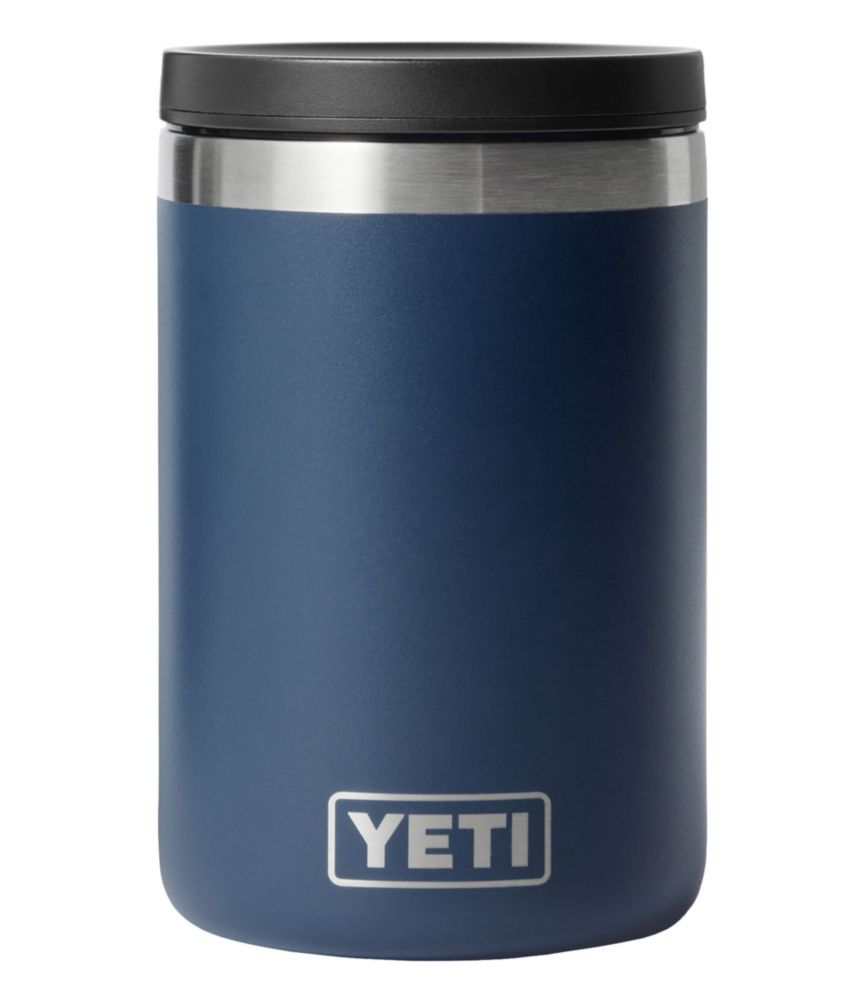
Yeti Rambler Insulated Food Jar, 16 oz.
Yeti Yeti Rambler Insulated Food Jar, 16 oz.
An insulated blue food jar with double-wall vacuum insulation, leakproof venting lid, and BPA-free stainless steel.
(0)
$45 $45
SALE
$45 $45
SALE
Expandable Lunch Box, Print
L.L.Bean Expandable Lunch Box, Print
An expandable insulated lunch box with printed polyester packcloth, BPA-free lining, and internal ice-pack pocket.
(257)
$26.95 $26.95
SALE
What customers like:
Expandable for extra space
Fits Bentgo lunch boxes
Cute and colorful print
Room for extra snacks
Durable and reliable
$26.95 $26.95
SALE
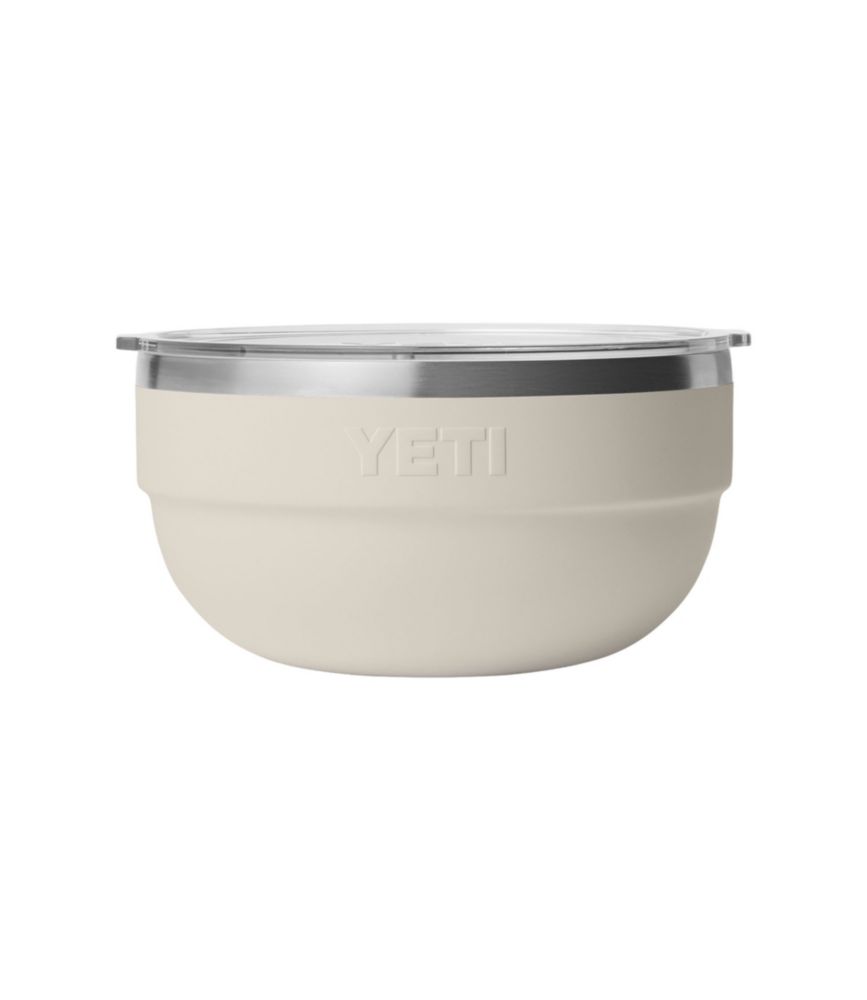
Yeti Rambler Insulated Bowl, 1 quart
Yeti Yeti Rambler Insulated Bowl, 1 quart
A stainless steel bowl with double-wall vacuum insulation, lid, dishwasher-safe design and deep serving profile.
(0)
$40 $40
SALE
$40 $40
SALE
Lunch Box
L.L.Bean Lunch Box
A durable pink insulated nylon lunch box with BPA- and PVC-free lining and mesh ice-pack pocket.
(1,417)
$22.95 $22.95
SALE
$22.95 $22.95
SALE
Flip-Top Lunch Box
L.L.Bean Flip-Top Lunch Box
A rugged blue nylon lunch box with full insulation, water-resistant lining and an adjustable shoulder strap.
(653)
$29.95 $29.95
SALE
What customers like:
Keeps beverages cold or warm
Cute print
Sturdy material
Comfy and warm
Great fabric
$29.95 $29.95
SALE
Lunch Box, Colorblock
L.L.Bean Lunch Box, Colorblock
A colorblocked nylon lunch box with insulation, easy-clean lining and mesh pocket for ice packs.
(0)
$22.95 $22.95
SALE
$22.95 $22.95
SALE
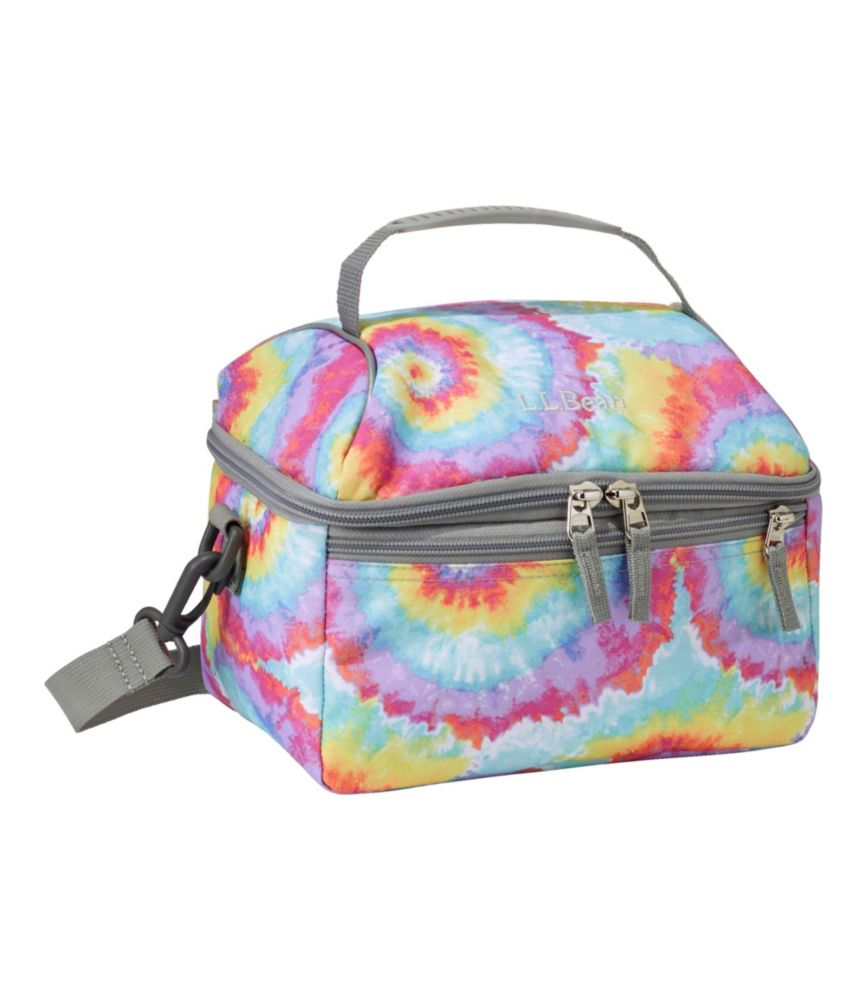
Flip-Top Lunch Box, Print
L.L.Bean Flip-Top Lunch Box, Print
A multicolor polyester lunch box with rugged insulation, water-resistant lining, storage lid, and adjustable shoulder strap.
(553)
$29.95 $29.95
SALE
What customers like:
Fun colors
Perfect size
Stylish design
Adjustable strap
Well made
$29.95 $29.95
SALE
Wharf Street Insulated Lunch Bag
L.L.Bean Wharf Street Insulated Lunch Bag
A green insulated lunch bag in recycled ripstop nylon with adjustable roll-top styling and wipe-clean construction.
(0)
$34.95 $24.99
SALE
$34.95 $24.99
SALE
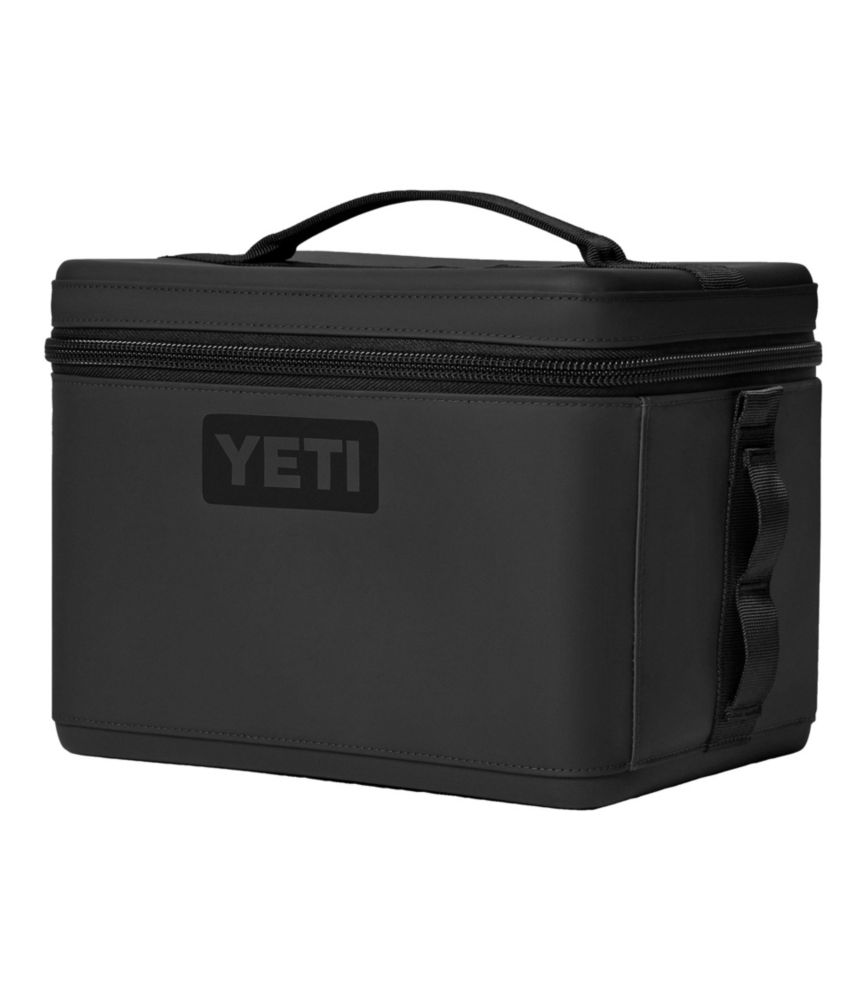
Yeti® Daytrip Insulated Box, 9 Liters
Yeti Yeti® Daytrip Insulated Box, 9 Liters
An insulated cooler box with black nylon, Coldcell Flex insulation, an external pocket and shoulder strap.
(0)
$145 $145
SALE
$145 $145
SALE

Insulated Food Containers

Insulated food containers bring a personal touch to an everyday essential. The right choice begins with the amount of food a container will hold, but the details go well beyond a capacity number. Shape, proportions and the relationship between the opening and the body all contribute to the overall design. A preference for smaller portions calls for a different comparison than a preference for more generous servings, and neither necessarily means choosing the largest or smallest option. Capacity and exterior dimensions tell different parts of the story: one describes the space inside, while the other helps put the whole container in perspective. A tall, narrow profile and a shorter, wider profile can have similar capacities yet look quite different beside other belongings. That distinction becomes especially noticeable in a cupboard with fixed shelves or a drawer where every inch has a purpose. Looking at height and width together gives a clearer picture than judging by a photograph alone. The opening deserves the same attention, particularly when personal preferences lean toward a broader shape or a more compact silhouette. There is no single proportion that suits everyone, which is part of what makes these everyday choices worth considering. Some people prefer a consistent collection of similar shapes; others appreciate a mix of sizes that reflects the portions they actually prepare. Familiar measuring cups can provide a useful point of reference when a listed capacity feels abstract. Thinking in terms of a usual portion, rather than an unusually large one, keeps the comparison grounded in real habits. It also gives smaller details their proper weight: a favorite shape, a preferred overall size or a design that feels right among the things already at home. Insulation is central to this category, while these individual differences help distinguish one design from another. Together, the listed measurements and product descriptions provide a more complete impression than appearance alone, giving the selection process a practical starting point without overlooking personal taste.

Materials, construction and care information add another layer to the comparison. A photograph can show color and outline, but it cannot provide every detail about the body, lid or finish. The stated material description is the better reference for understanding those elements, especially when two containers have a similar appearance. Details about individual components matter, too; the information for the body should not automatically be treated as information for every other part. Closure design is another point of distinction, with the product description providing the appropriate explanation of how a particular lid works. Rather than assuming that similar-looking closures are interchangeable, it helps to consider each container as a complete design. The same attention belongs to care. Cleaning directions are part of the ownership experience, not an afterthought, and different components may have different requirements. A familiar cleaning routine is useful context when weighing those instructions. Someone who prefers very few care steps may make a different choice from someone who does not mind giving separate parts individual attention. Neither preference needs to be complicated; the important thing is knowing what the stated directions involve. For questions about durability, construction details and care requirements provide a more useful basis for comparison than a substantial-looking exterior alone. Weight, where listed, offers another concrete detail without requiring assumptions about how a container will feel from its photograph. The overall impression comes from these details together: proportions, materials, finish, closure and maintenance. A lid set beside its matching container on a clear counter is a simple image, but it captures why small design choices receive so much attention. Each part has a place in the whole. For anyone adding to an existing collection, matching components and any stated compatibility information also deserve a close look. Similar dimensions or a shared appearance do not establish that separate pieces belong together. Keeping the original care information accessible provides a dependable reference for those details long after the initial selection.

Personal style has a place in choosing insulated food containers, even when practical considerations lead the decision. A restrained design may appeal to someone who likes a consistent look across everyday belongings, while a more distinctive appearance may feel right to someone with a different point of view. Neither approach needs to follow a trend. A shape or finish that remains appealing over time can be more meaningful than a detail that simply catches attention at first glance. There is also satisfaction in choosing deliberately rather than collecting several sizes without considering how they relate. An existing cupboard can offer useful context: the space between shelves, the depth of a drawer and the number of pieces already there all make the decision more specific. That perspective is equally helpful when considering a gift. Someone who enjoys preparing food may appreciate the thought behind a carefully chosen container, but personal preferences still matter. Familiar portion sizes, preferred shapes and willingness to follow particular care directions offer better clues than assumptions about what everyone needs. A thoughtful gift can acknowledge those preferences without requiring a completely new routine. For a related category, explore Insulated Tote Bags, giving individual dimensions and product descriptions the same close attention rather than assuming that separate designs will fit together. Across either category, clear information makes comparison more straightforward. There is room to appreciate appearance while still checking measurements, to value quality while still reading care instructions, and to choose a familiar form without overlooking the details that distinguish it. These are modest decisions, but they shape how an everyday possession becomes part of a household. The most considered selection reflects the person choosing it: the portions that feel familiar, the space already set aside and the details that matter after the first impression. With insulated food containers, that balance of personal preference and practical information gives an ordinary essential a place of its own.

FAQs