It's time to upgrade your browser

Your current browser is no longer supported on llbean.com. Please upgrade to one of the following for a smoother, safer shopping experience with us:

Hiking Poles For Trail Running

Find hiking poles for trail running and compare the selection to suit your approach to the trail. Review individual product descriptions for length, adjustment options and intended use to help narrow your choices and find the right poles for your running routine.
Read More
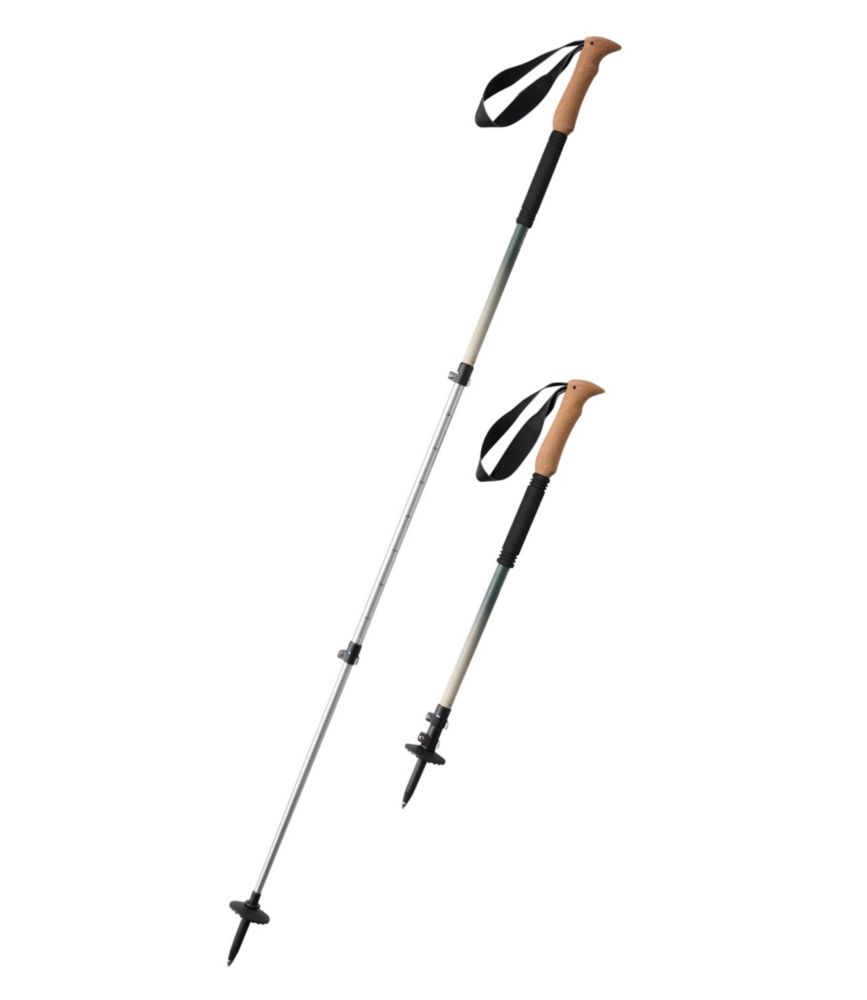
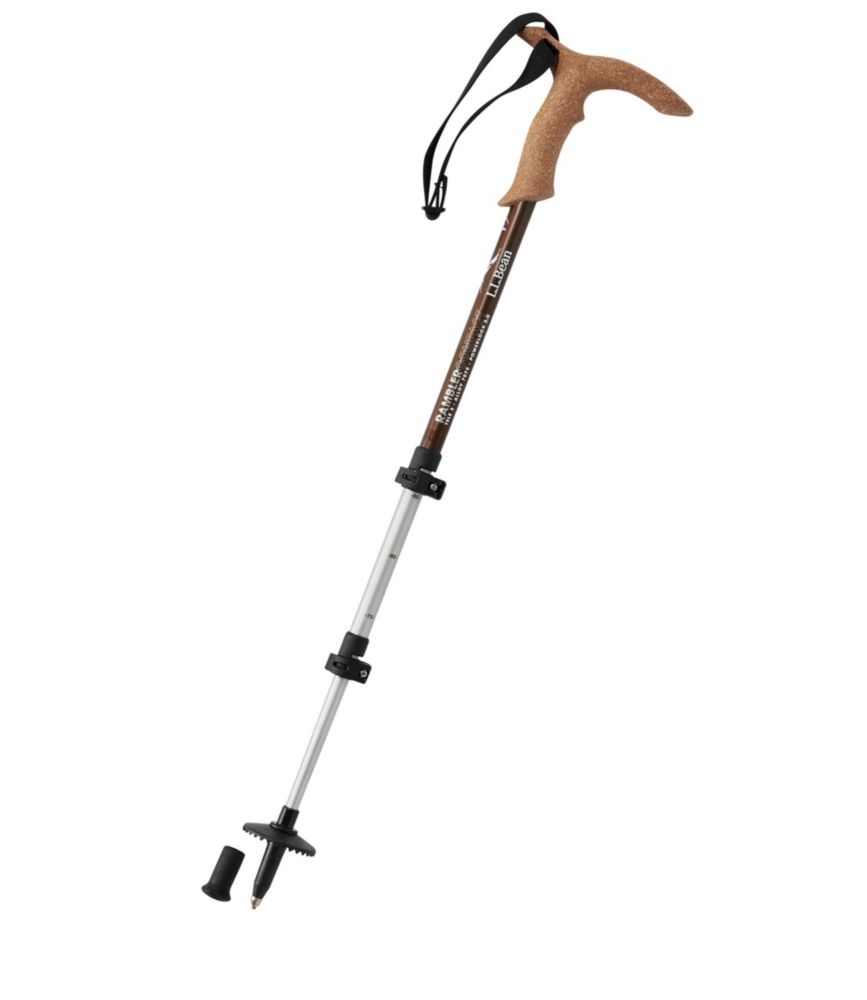
L.L.Bean Rambler Compact PowerLock 3.0 Hiking Staff
L.L.Bean L.L.Bean Rambler Compact PowerLock 3.0 Hiking Staff
A lightweight, sturdy hiking staff with a comfortable cork grip and secure PowerLock 2.1 system.
(196)
$79.95 $79.95
SALE
What customers like:
Comfortable grip
Easy to stow
Lightweight design
$79.95 $79.95
SALE
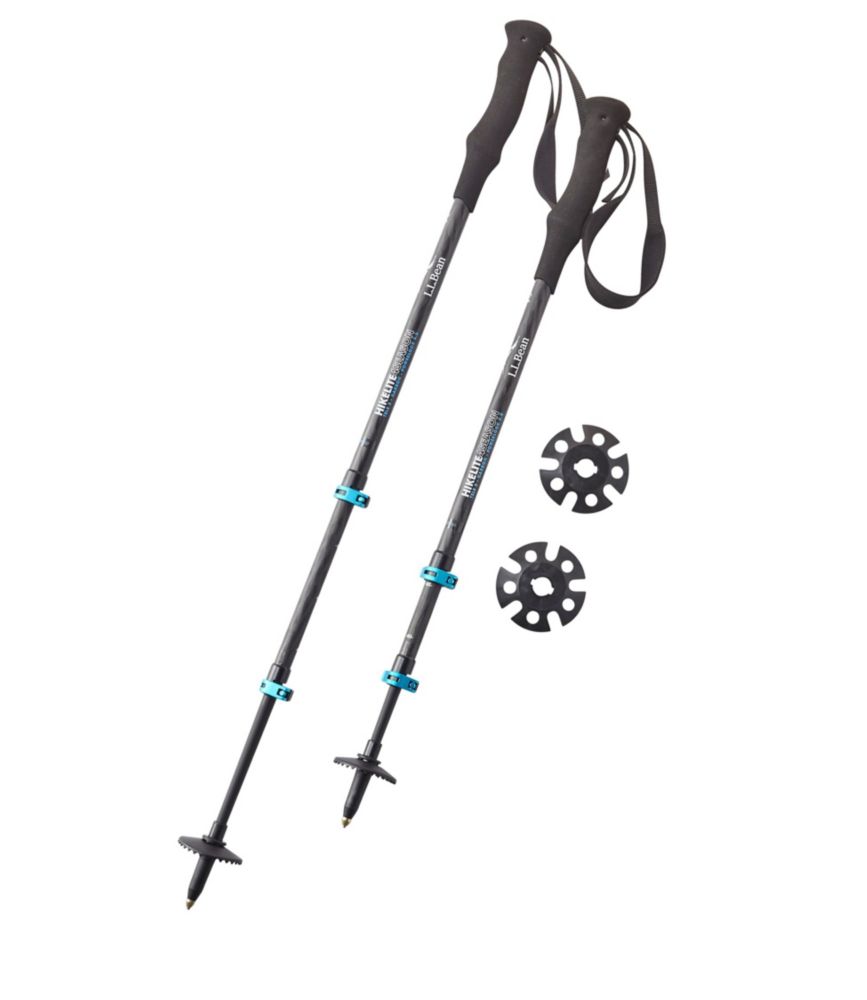
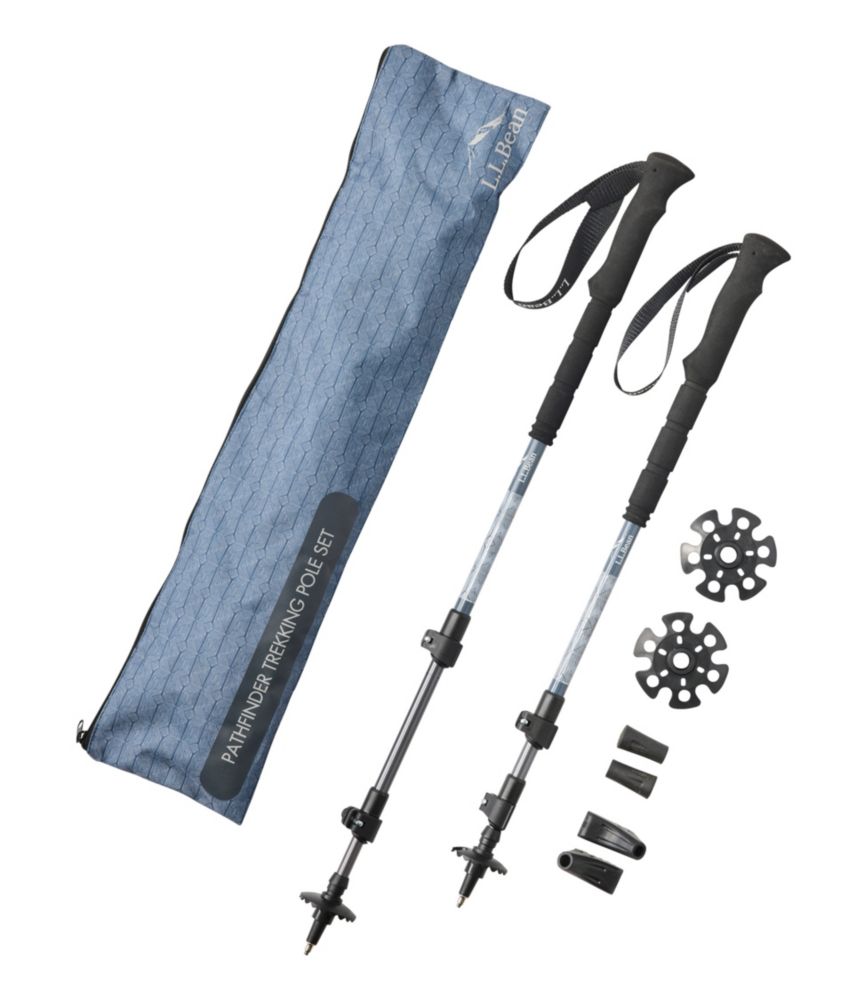
Pathfinder Trekking Pole Set
L.L.Bean Pathfinder Trekking Pole Set
A lightweight blue aluminum trekking pole set with adjustable shafts, foam grips, and multiple tip options.
(0)
$79.95 $79.95
SALE
$79.95 $79.95
SALE
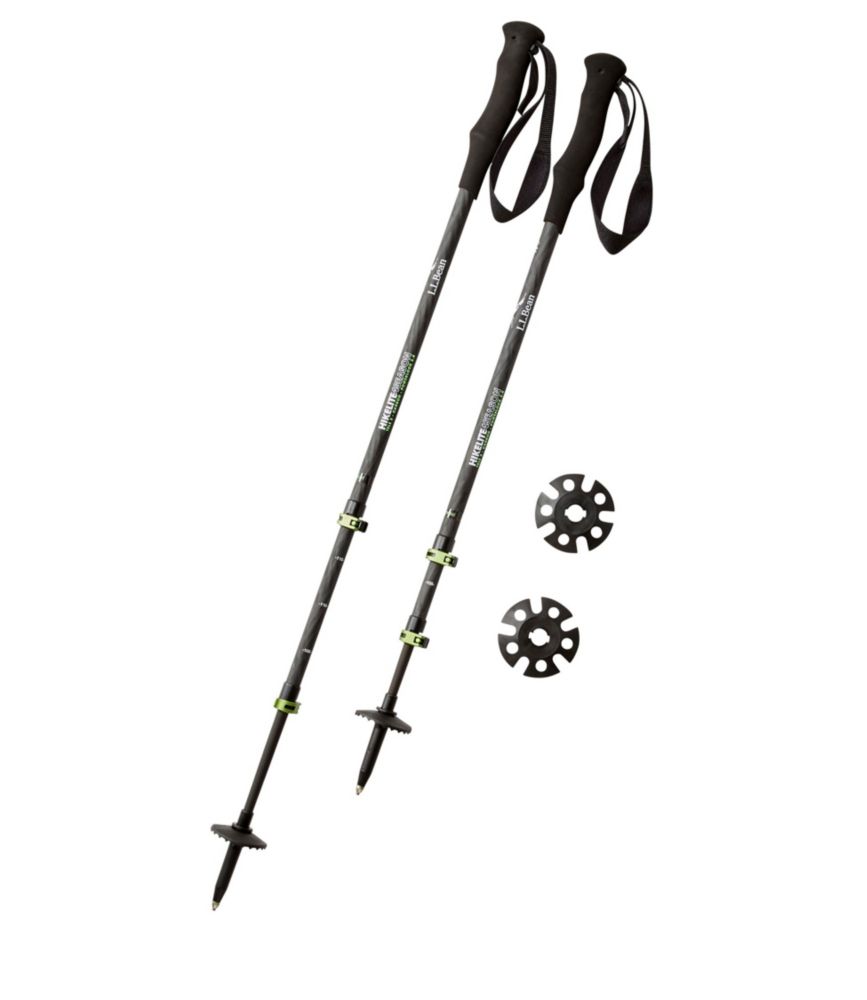
L.L.Bean Hikelite Four-Season Carbon Hiking Poles
L.L.Bean L.L.Bean Hikelite Four-Season Carbon Hiking Poles
A lightweight, full-size carbon composite hiking pole with durable PowerLock 3.0 adjustment and EVA-foam handles.
(60)
$170 $170
SALE
$170 $170
SALE
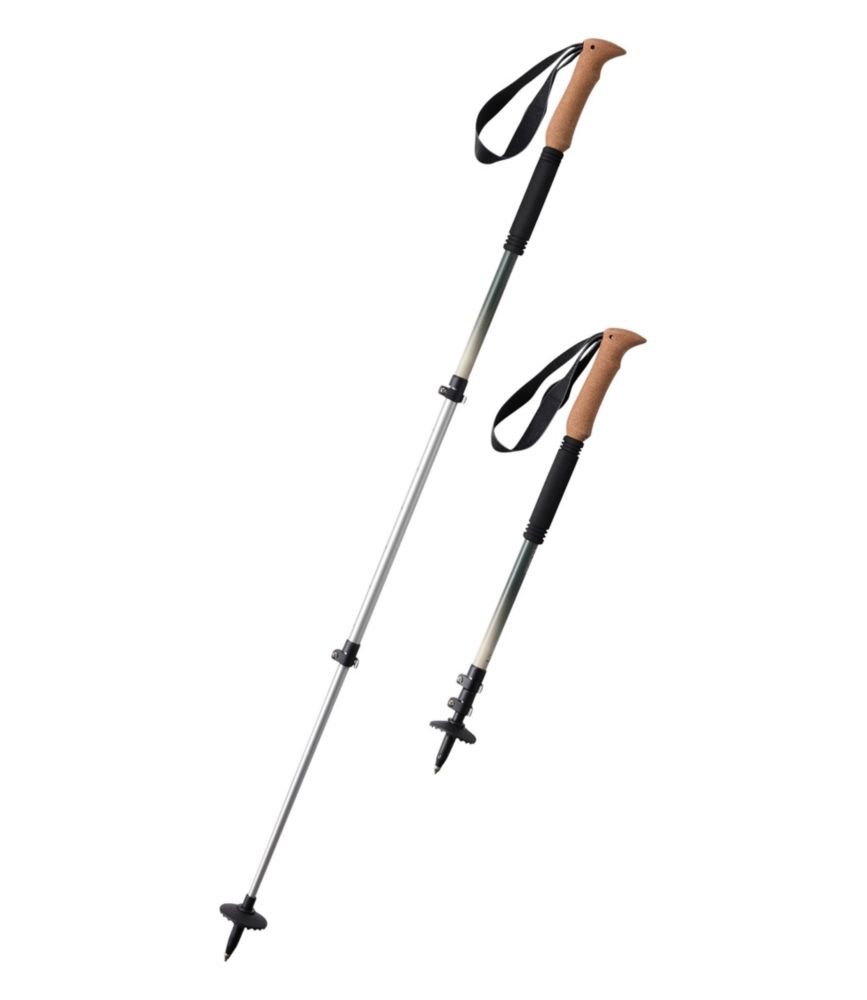
Pathfinder PRO Trekking Poles
L.L.Bean Pathfinder PRO Trekking Poles
A pair of durable green aluminum trekking poles with cork grips and a secure Powerlock 3.0 system.
(0)
$120 $120
SALE
$120 $120
SALE
Women's Hikelite 4 Season Carbon Compact Hiking Poles
L.L.Bean Women's Hikelite 4 Season Carbon Compact Hiking Poles
A lightweight pair of hiking poles with carbon fiber and aluminum construction, featuring foam grips and nylon straps.
(0)
$170 $170
SALE
$170 $170
SALE
Pathfinder PRO Trekking Poles, Compact
L.L.Bean Pathfinder PRO Trekking Poles, Compact
A pair of green aluminum trekking poles with cork grips and a secure Powerlock 3.0 adjustment system.
(0)
$120 $120
SALE
$120 $120
SALE

Hiking Poles For Trail Running

Hiking poles for trail running belong to a thoughtful approach to getting outside: choosing gear with a clear purpose, paying attention to personal preferences, and making room for the kind of outings that keep calling someone back. Trail running means different things to different people. For one runner, it is a familiar loop shared with a friend; for another, it is the pleasure of following a trail farther into the woods, with stretches of hiking woven into the run. That combination makes the relationship between hiking poles and trail running worth considering carefully. A pole’s name or appearance alone does not establish whether it is appropriate for a particular outing. The individual product description should identify its intended use, and the sizing information should provide a starting point for choosing a suitable length. Within a collection of hiking poles for trail running, those details matter more than broad promises about what poles can do. Quality, fit, and personal preference all deserve attention, whether the shopper is exploring this category for the first time or replacing familiar equipment. Someone who already uses poles may have a clear sense of the length and feel they prefer, while a newer shopper may need to spend more time with measurements and manufacturer recommendations. Both approaches are reasonable. The goal is a considered choice rather than a purchase based on looks alone. Think of the small decisions that already shape a favorite trail outing: choosing a route, arranging to meet a running partner, and deciding how much time to spend outside. Equipment deserves the same attention. Hiking poles are a personal part of that preparation, and the most useful comparison begins with clear information about the poles themselves, not assumptions about the people who use them.

Fit is an important place to focus when comparing hiking poles for trail running, especially because a general size label may not tell the whole story. Published length measurements and the manufacturer’s sizing recommendations offer more useful context than judging proportions from a photograph. A shopper’s height is relevant, but it should be considered alongside the guidance for the particular pole rather than treated as a complete answer on its own. Reading how a manufacturer specifies and measures length can also help make comparisons more meaningful. Beyond size, construction deserves a careful look. Material information is most useful when it is specific to the product being considered; a material name by itself is not a substitute for a complete description of the finished pole. The same applies to durability. A clear account of construction, intended use, and care provides a better foundation for a decision than an assumption that every pole in a category is built the same way. Product photographs can help show details, but written specifications should settle questions about dimensions and included components. When a listing provides information about handling or operation, that information belongs in the comparison as well. These are everyday shopping considerations, not details reserved for experienced runners. A person replacing a well-used pair might start by checking the measurements of that familiar equipment, then compare those numbers with the published specifications of a possible replacement. Someone buying a first pair might instead begin with intended use and sizing, taking time to distinguish what is stated from what is merely suggested by a photograph. Neither shopper needs to choose according to another runner’s preferences. A trusted trail companion may offer helpful perspective, but personal fit and the product’s own information remain central. Where a route raises more specific questions, the related Hiking Poles for Steep Terrain collection offers another place to browse, with individual product details still guiding the choice.

Ownership also matters when choosing hiking poles, from understanding the care instructions to keeping the information needed for future reference. Care requirements should come from the manufacturer rather than a general routine assumed to suit every design. Before buying, it is worth reading any provided cleaning, inspection, and storage directions and considering how those requirements fit into an ordinary routine. After a trail outing, the practical side of owning gear continues even when the shoes are off and everyone has headed home. Having the relevant instructions close at hand makes it easier to follow the recommendations for that particular purchase without relying on memory or advice meant for different equipment. Keeping a record of the model and size can also be useful when looking up instructions later. This attention to detail is part of choosing quality gear thoughtfully, not a reason to make shopping complicated. For a gift, hiking poles can be a meaningful choice for someone who has expressed an interest in using them for trail running, but the recipient’s preferences deserve more weight than a surprise selection. Confirming their preferred measurements or asking which features they are looking for keeps the gesture personal. An experienced runner may already have precise preferences, while someone new to the category may appreciate being included in the decision. The same consideration applies when shopping for a partner, a family member, or a friend who regularly plans the next shared outing. The appeal is not simply another piece of equipment; it is recognition of something that person enjoys. Across the collection, a useful choice comes back to a few grounded considerations: an explicitly stated intended use, sizing information that makes sense for the individual, clear construction details, and care requirements that are understood before purchase. Those details help distinguish personal preference from a product claim and keep the focus where it belongs—on selecting hiking poles thoughtfully for trail running and the shared enjoyment of time outside.
Read More

FAQs