It's time to upgrade your browser

Your current browser is no longer supported on llbean.com. Please upgrade to one of the following for a smoother, safer shopping experience with us:

Handsewn Shoes

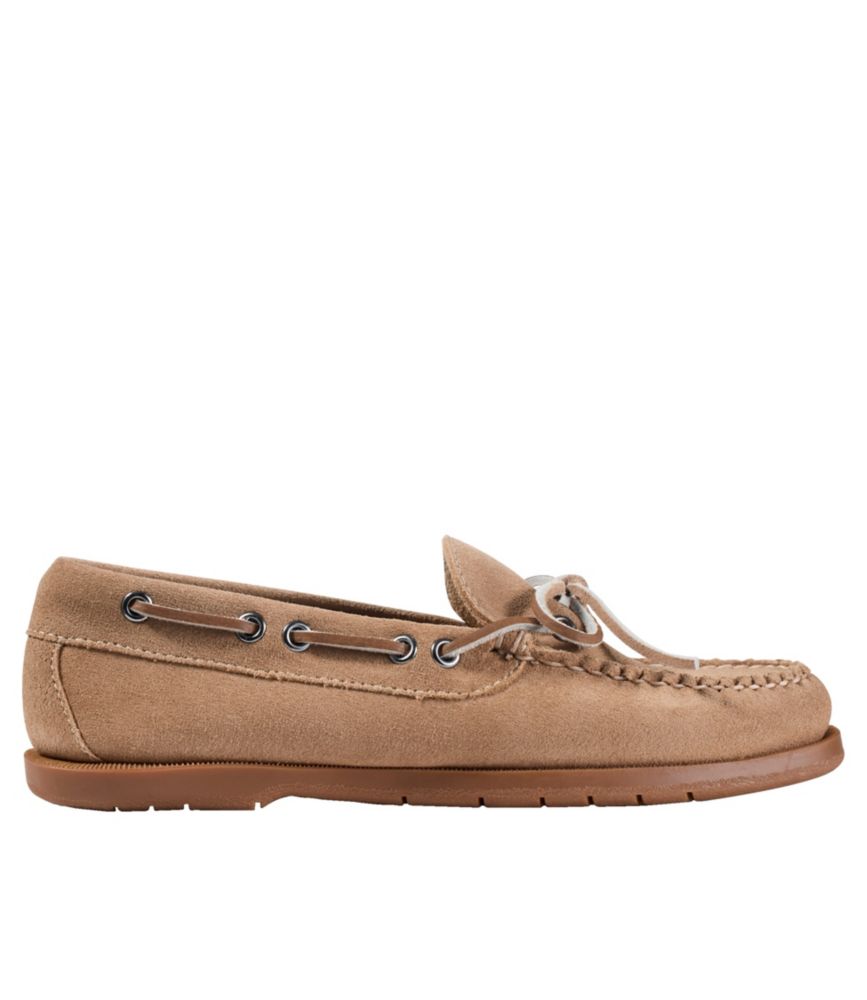
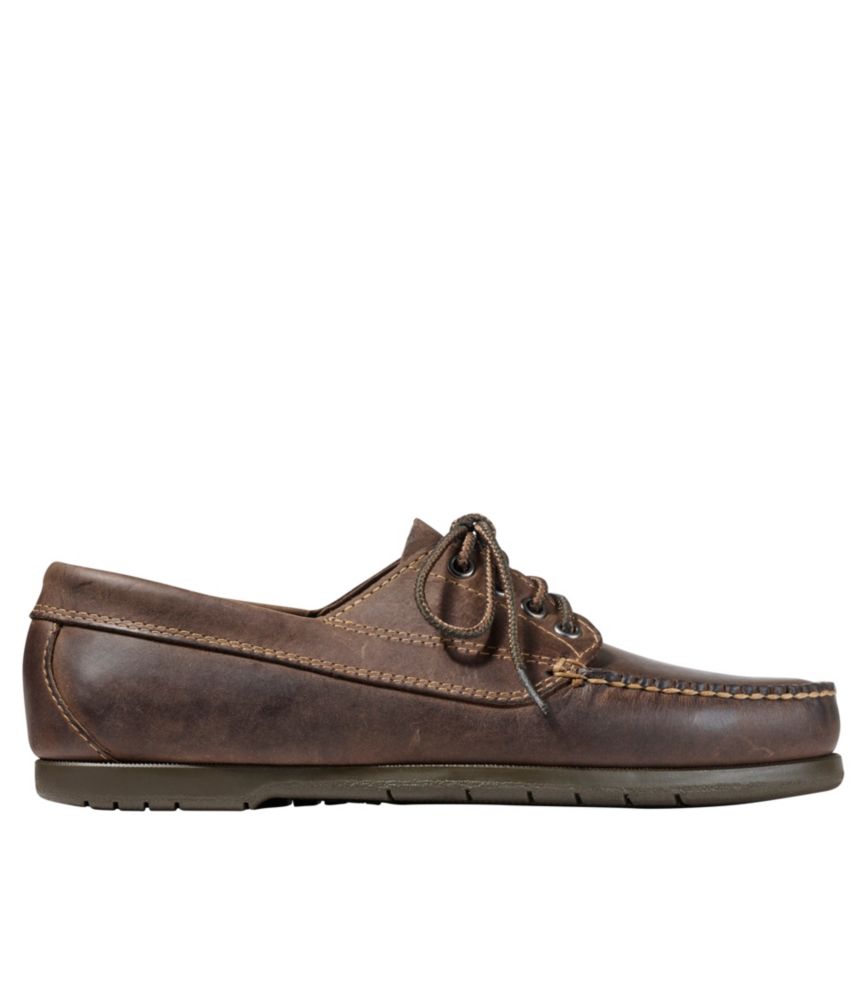
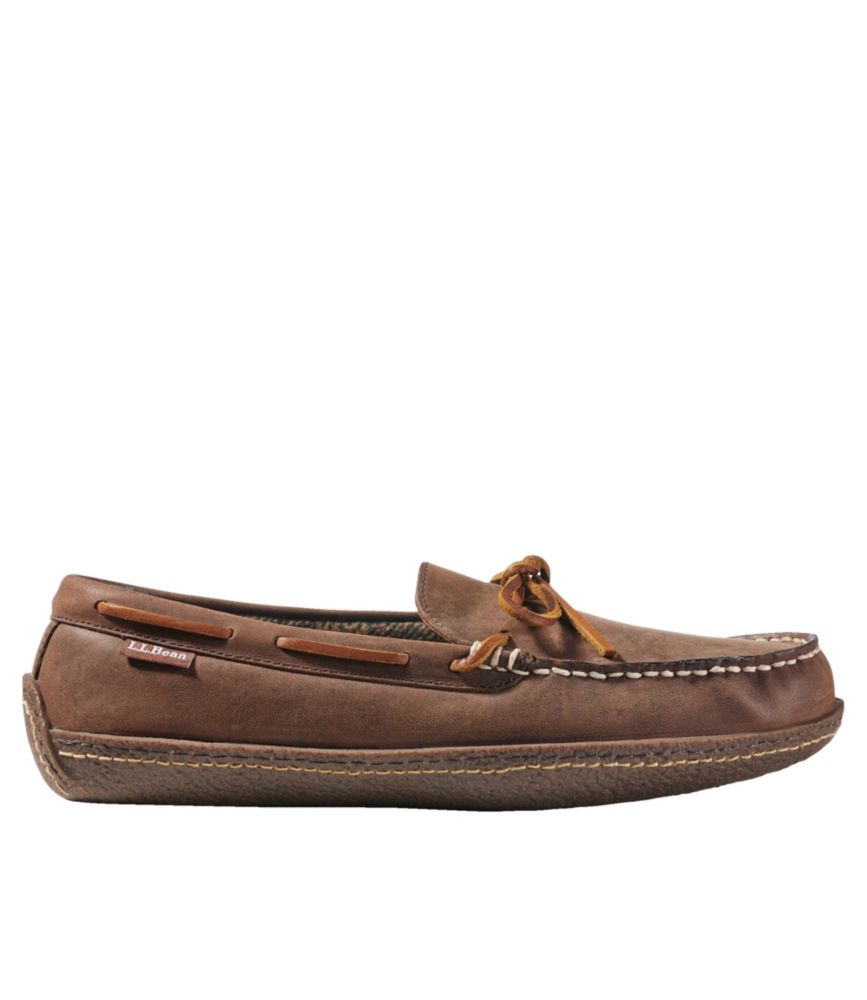
Explore handsewn shoes with traditional craftsmanship and classic style. Compare the available designs, then check each pair’s fit guidance and construction details to help choose the right pair for you.
Read More
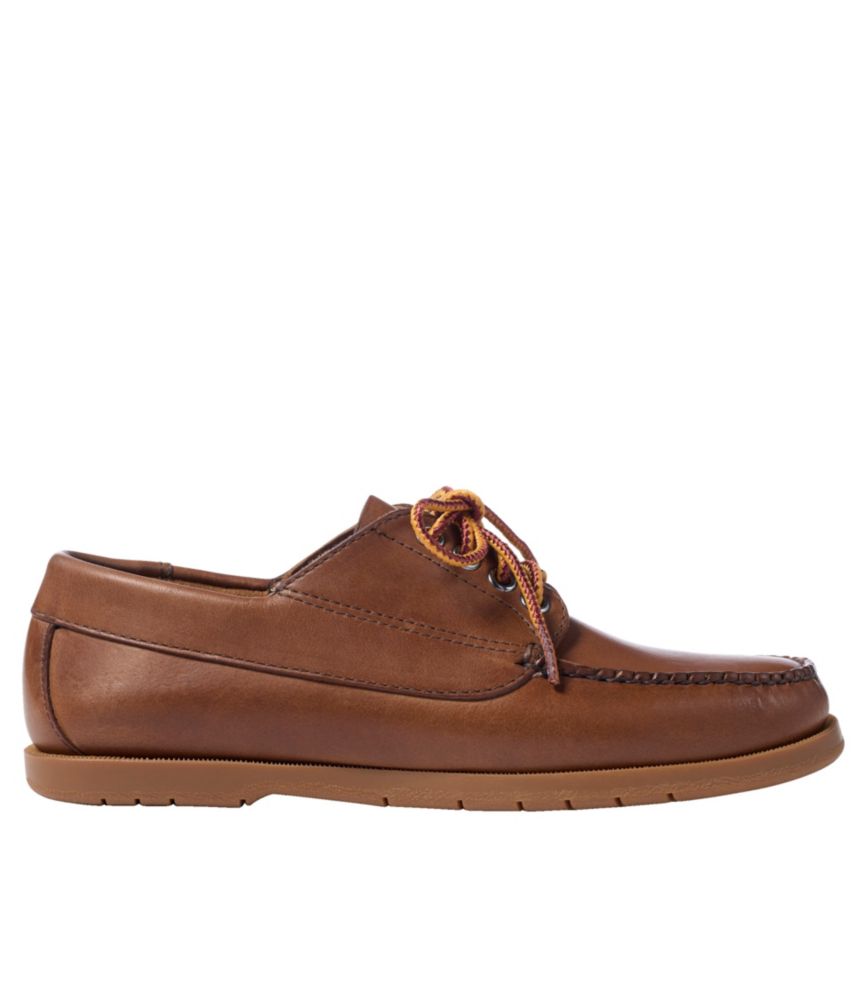
Men's Handsewn Moccasins, Blucher Moc II
L.L.Bean Men's Handsewn Moccasins, Blucher Moc II
A classic green moccasin featuring soft premium leather, handsewn construction, and a traction rubber sole.
(0)
$110 $110
SALE
$110 $110
SALE
Men's Handsewn Slippers, Flannel-Lined
L.L.Bean Men's Handsewn Slippers, Flannel-Lined
A pair of brown leather slippers with a warm plaid flannel lining and cushioned full-foam sock liner.
(10,732)
$69.95 $69.95
SALE
$69.95 $69.95
SALE
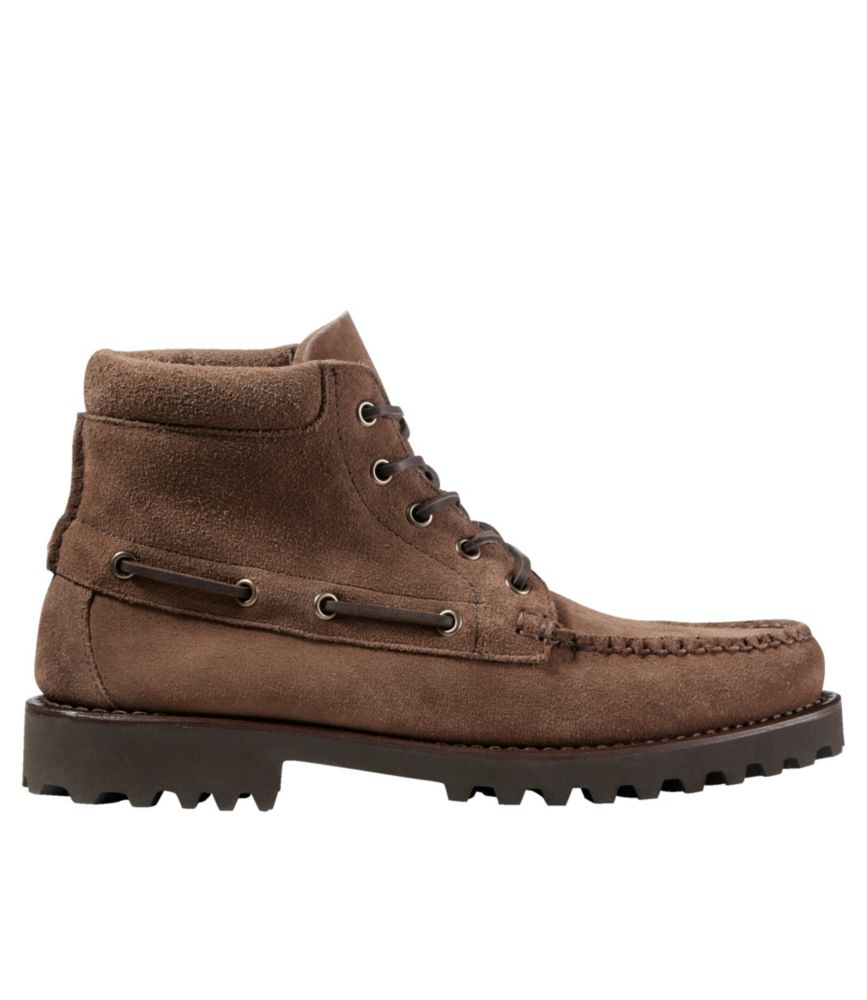
Men's Allagash Handsewn Chukka Boots
L.L.Bean Men's Allagash Handsewn Chukka Boots
A pair of ash-colored suede leather chukka boots with ergonomic footbed and lightweight lugged outsole.
(0)
$180 $124.99
SALE
$180 $124.99
SALE
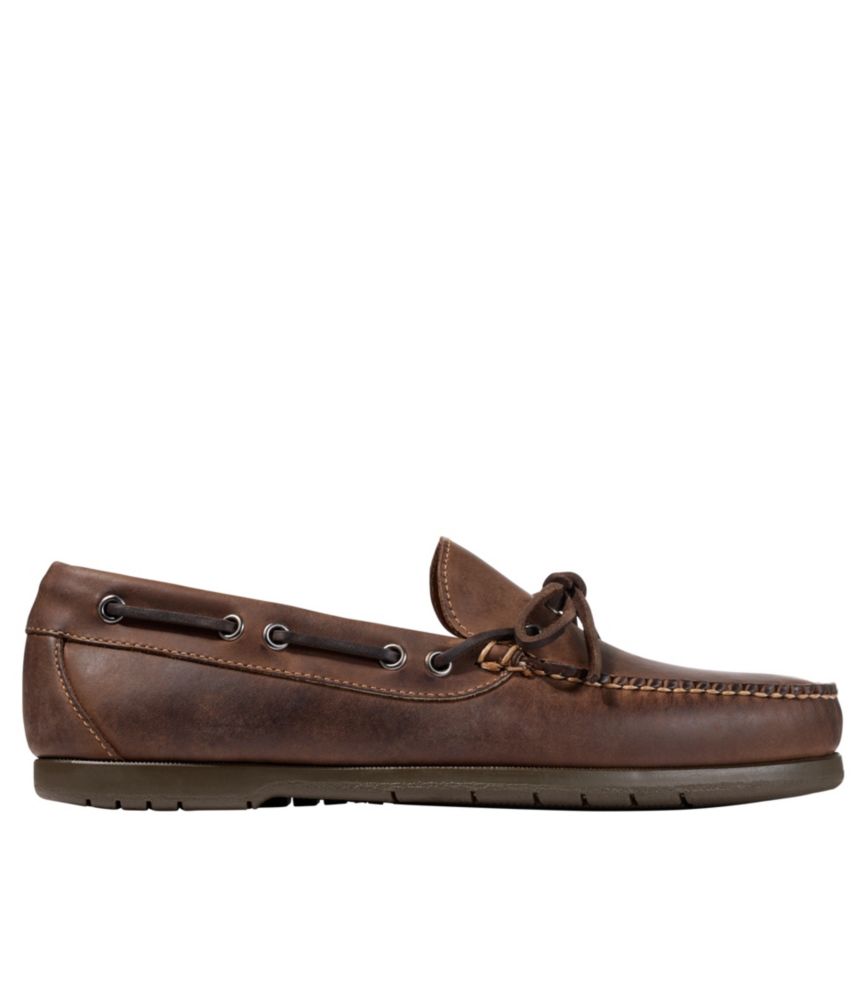
Men's Handsewn Moccasins, Camp Moc II
L.L.Bean Men's Handsewn Moccasins, Camp Moc II
A classic green moccasin featuring soft leather, handsewn construction, and a traction rubber sole.
(0)
$110 $110
SALE
$110 $110
SALE
Women's Handsewn Moccasins, Blucher Moc
L.L.Bean Women's Handsewn Moccasins, Blucher Moc
A classic brown moccasin featuring soft premium leather, handsewn construction, and a traction rubber sole.
(0)
$110 $110
SALE
$110 $110
SALE
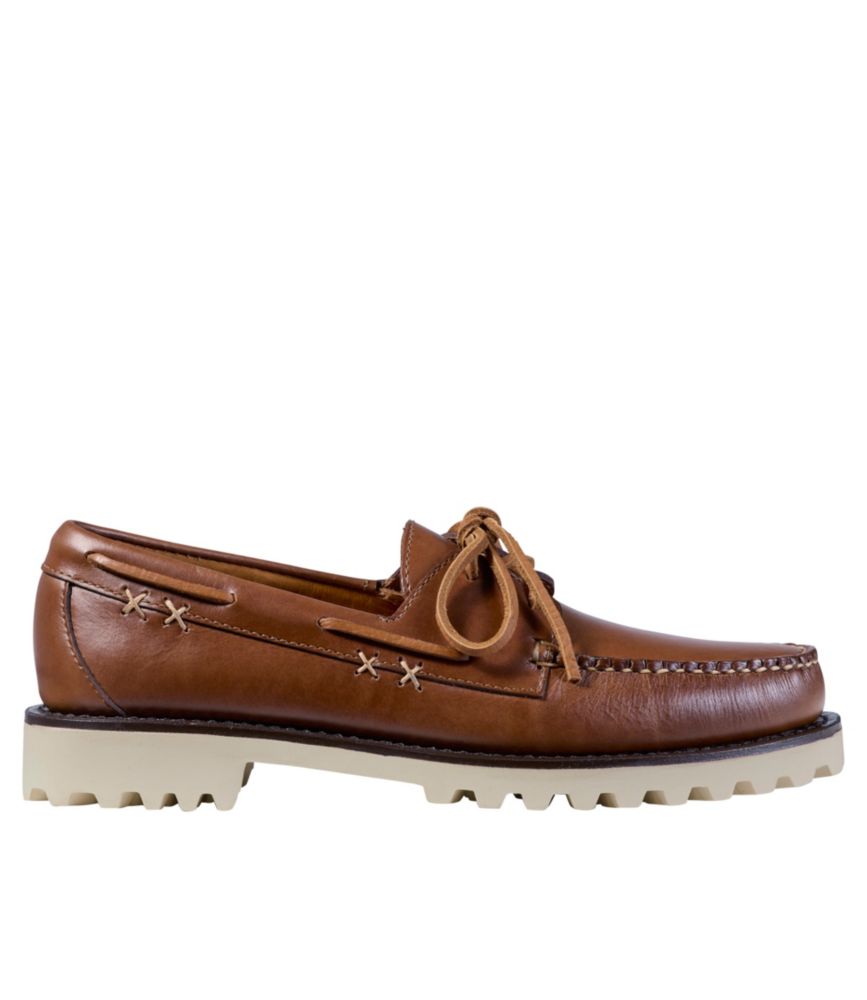
Women's Allagash Handsewn Oxfords
L.L.Bean Women's Allagash Handsewn Oxfords
A brown full-grain leather oxford with handsewn construction, cushioned footbed, and chunky lugged outsole.
(0)
$150 $150
SALE
$150 $150
SALE
Women's Handsewn Moccasins, Camp Mocs
L.L.Bean Women's Handsewn Moccasins, Camp Mocs
A classic brown leather moccasin with handsewn construction, cushioned sock liner, and rubber traction sole.
(0)
$110 $110
SALE
$110 $110
SALE

Handsewn Shoes

Handsewn shoes take their name from a construction detail: stitching done by hand as part of making the shoe. The term describes a method, rather than a single shape or style, and does not necessarily mean that every part of a shoe is handmade. That distinction is useful when comparing designs, since the name alone does not tell the whole story about materials, fit, or construction. The appeal begins with an appreciation for considered details and a classic look that feels personal without demanding attention. Where stitching is visible, its placement can help define the toe, outline an edge, or give an otherwise simple shape a distinctive finish. Looking closely at those details offers a more meaningful way to compare shoes than relying on their overall color alone. A pronounced seam can create a different impression from a subtle line of stitching, just as a rounded profile can look different from a narrower one. Neither approach is inherently better; the right choice depends on the shapes and proportions that feel most natural in an existing wardrobe. Someone drawn to understated clothing may prefer a quieter design, while someone who appreciates visible construction may place more emphasis on the stitching itself. Handsewn footwear has a place in the broader tradition of classic shoe design, where familiar forms leave room for small differences to matter. The outline of the opening, the arrangement of seams, and the relationship between the upper and sole all contribute to that character. For anyone comparing that broader aesthetic, Classic Leather Shoes offers another way to explore timeless style. Material and construction remain separate considerations, however, so the handsewn designation should be read alongside the details for each pair rather than treated as a complete description.

Choosing handsewn shoes starts with the same practical attention that makes any footwear decision more straightforward: understanding the fit information and knowing personal preferences. A familiar size is a useful starting point, but it is not a substitute for the measurements, width information, and sizing guidance provided for a particular design. Compare those details with a pair that already fits well, paying attention to more than the number printed inside. The space around the toes, the feel across the top of the foot, and the way the heel sits can all influence whether the shape is a good match. When trying shoes on, use the type of socks intended to accompany them and check both feet while standing and walking. Toes should not feel crowded, and a noticeable pressure point should not be dismissed simply because the shoes are described as handsewn. Construction terminology does not establish how a particular pair will feel or how its fit may change. Personal preferences matter visually, too. Picture the shoes beneath the actual trousers or jeans they will accompany: the width of a hem and the length of a pant leg can change how much of the shoe is visible. A detail that stands out in a close-up photograph may be much less prominent when seen as part of a whole outfit. Looking at the side profile as well as the view from above helps create a fuller picture of the design. For a shared household, preferences can vary considerably even among people who like the same general style. One person may favor a more substantial-looking shape, while another prefers a less prominent outline. Handsewn shoes can also be a thoughtful gift for someone who already enjoys classic footwear, provided their size, width, and style preferences are known. A well-chosen gift reflects the recipient’s taste rather than an assumption that one familiar-looking design will suit everyone.

Materials, care, durability, and intended use are best considered through the information supplied for the individual pair. Hand stitching is a construction detail, not a universal promise about how shoes will perform, where they should be worn, or how long they will last. Start with the material description for the upper, lining, and sole rather than assuming that a shared appearance means shared construction. If a particular feature matters, look for it explicitly in the product details. The same approach applies to intended use: match the stated purpose of the footwear to personal plans instead of relying on the handsewn name to establish suitability. This keeps the choice grounded in useful information while leaving room for the visual details that make a pair appealing. Care deserves similar attention, especially when comparing shoes with different finishes. Follow the instructions for the exact materials and construction before selecting a cleaner, treatment, or cleaning method. A routine used for another pair is not automatically the right routine here, even when the shoes look alike. Keeping the original care information makes it easier to check those directions later, rather than trying to identify a finish from memory. Questions about repairs should likewise be answered for the particular construction; the presence of hand stitching alone does not establish whether a sole or seam can be repaired. For anyone who values keeping footwear in good condition, that is worth understanding before making a choice. Durability is more useful as a point to investigate than as a conclusion drawn from a style name. Read the construction details, consider the care involved, and weigh both alongside fit and personal taste. The result is a more complete comparison: not simply which pair looks appealing in a photograph, but which has the documented characteristics and care requirements that make sense for its owner. At its best, the appeal of handsewn shoes is straightforward—a recognizable approach to making footwear, a close attention to detail, and timeless style with room for individual preference.
Read More

FAQs