It's time to upgrade your browser

Your current browser is no longer supported on llbean.com. Please upgrade to one of the following for a smoother, safer shopping experience with us:

Running Shoes Insoles

Find insoles for running shoes, and compare options with your current pair in mind. Check each product’s sizing and fit guidance, including whether trimming is needed and whether the insoles replace your shoes’ existing inserts.
Read More
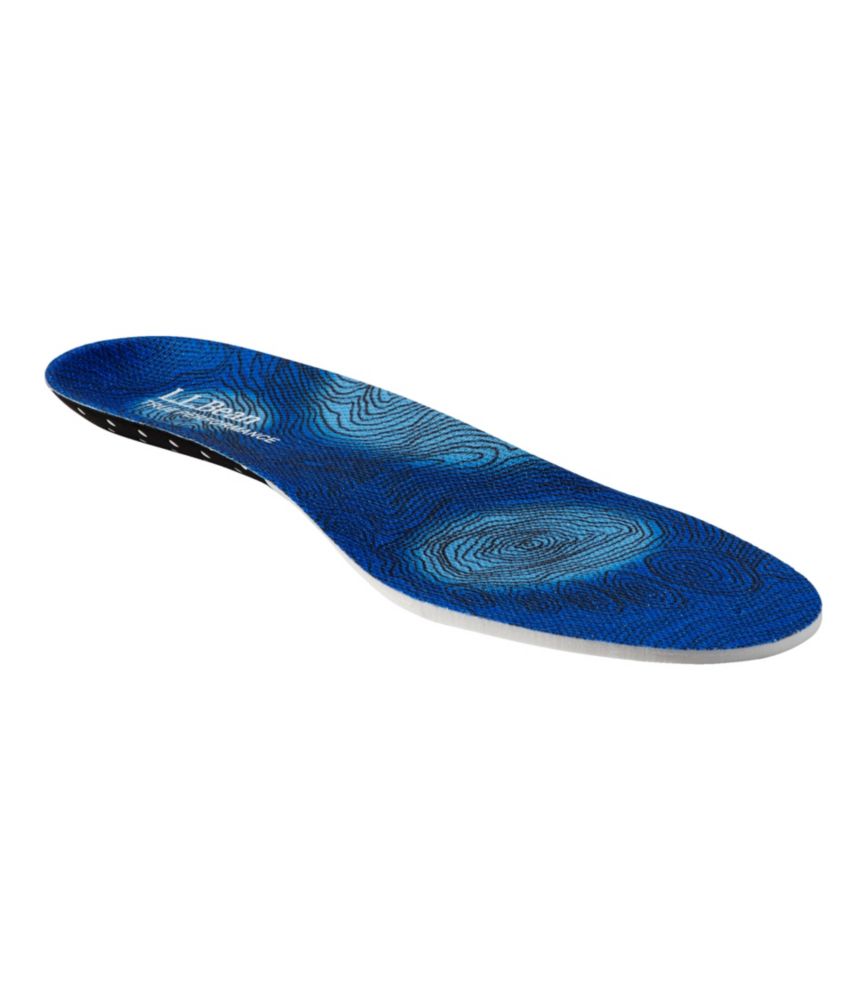
L.L.Bean True Performance Insoles
L.L.Bean L.L.Bean True Performance Insoles
A blue EVA foam insole offering shock absorption, ergonomic stability, moisture-wicking comfort, and antimicrobial odor control.
(0)
$32.95 $32.95
SALE
$32.95 $32.95
SALE
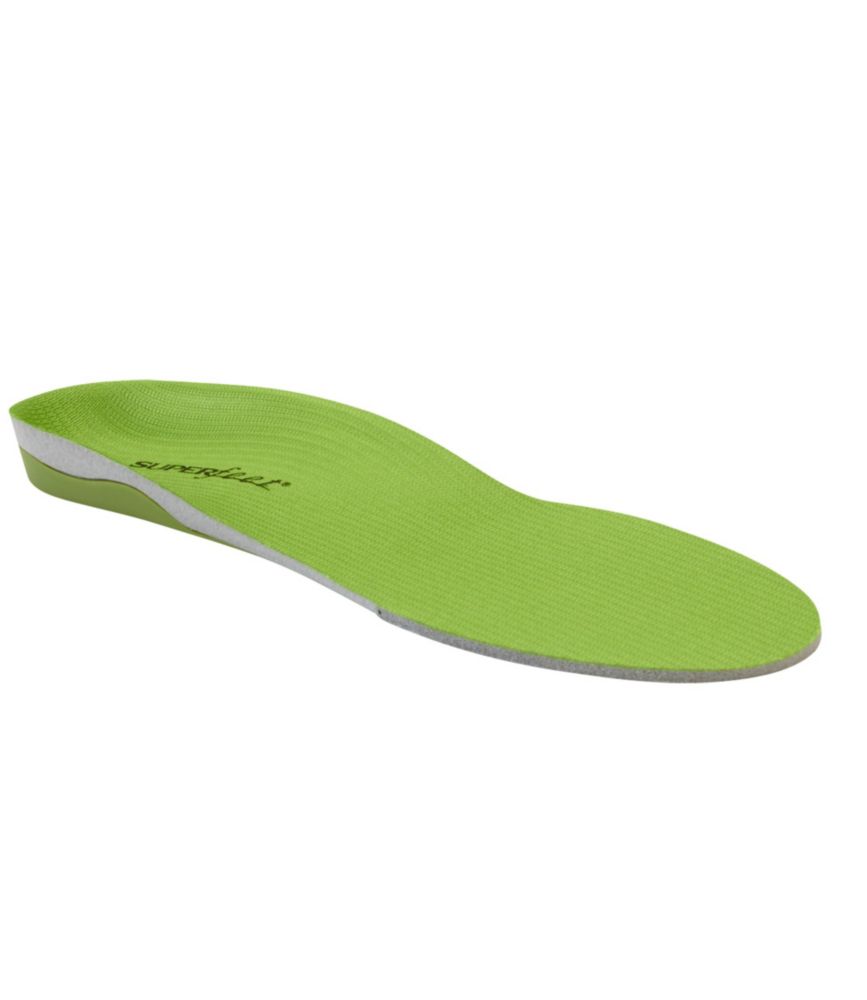
Adults' Superfeet Green Max Shock Absorption Insoles
Superfeet Adults' Superfeet Green Max Shock Absorption Insoles
A green pair of insoles with deep heel cups, antimicrobial odor control, and friction-control top covers.
(67)
$54.99 $54.99
SALE
$54.99 $54.99
SALE
Adults' Shearling Insoles
L.L.Bean Adults' Shearling Insoles
A gray lamb-shearling and EVA foam insole regulating temperature, wicking moisture, and cushioning every step.
(1,464)
$32.95 $32.95
SALE
What customers like:
Good quality
Perfect fit in boots
Softness
Durable
Warm and comfortable
$32.95 $32.95
SALE
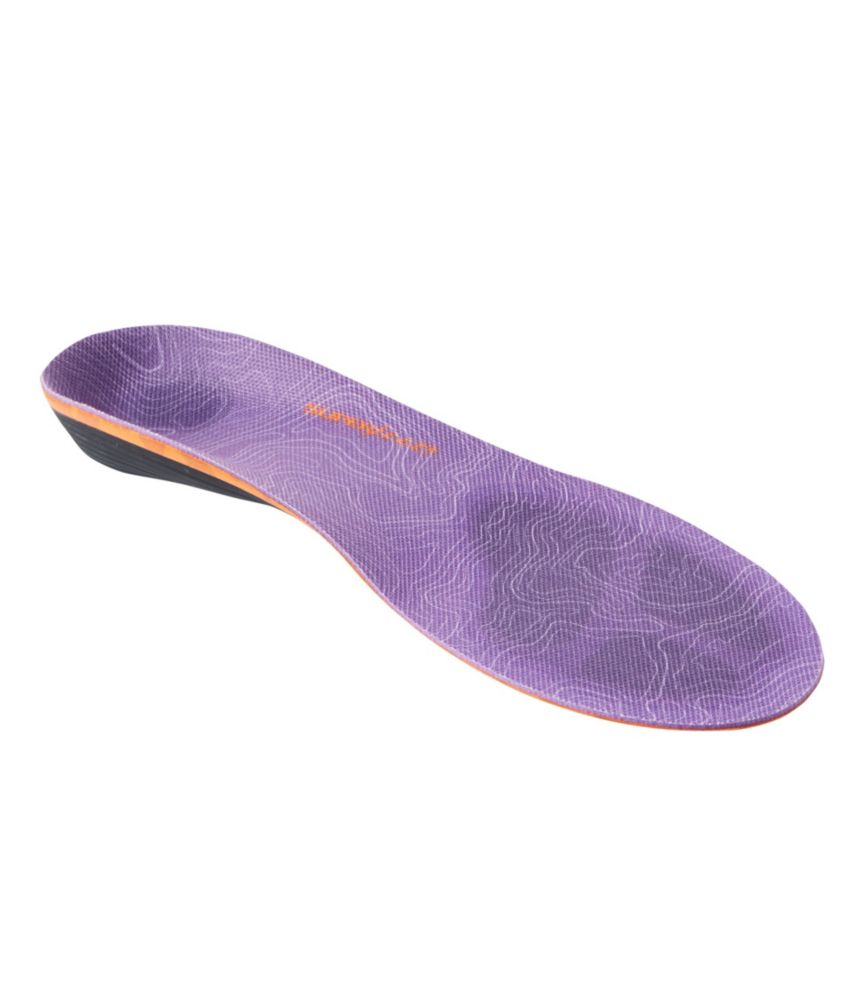
Women's Superfeet Trailblazer Comfort Insoles
Superfeet Women's Superfeet Trailblazer Comfort Insoles
A purple trail insole with impact-dispersing cushioning, carbon-fiber stability, moisture-wicking lining and a deep heel cup.
(31)
$54.99 $54.99
SALE
What customers like:
Excellent cushioning
Good fit
Strong support
$54.99 $54.99
SALE
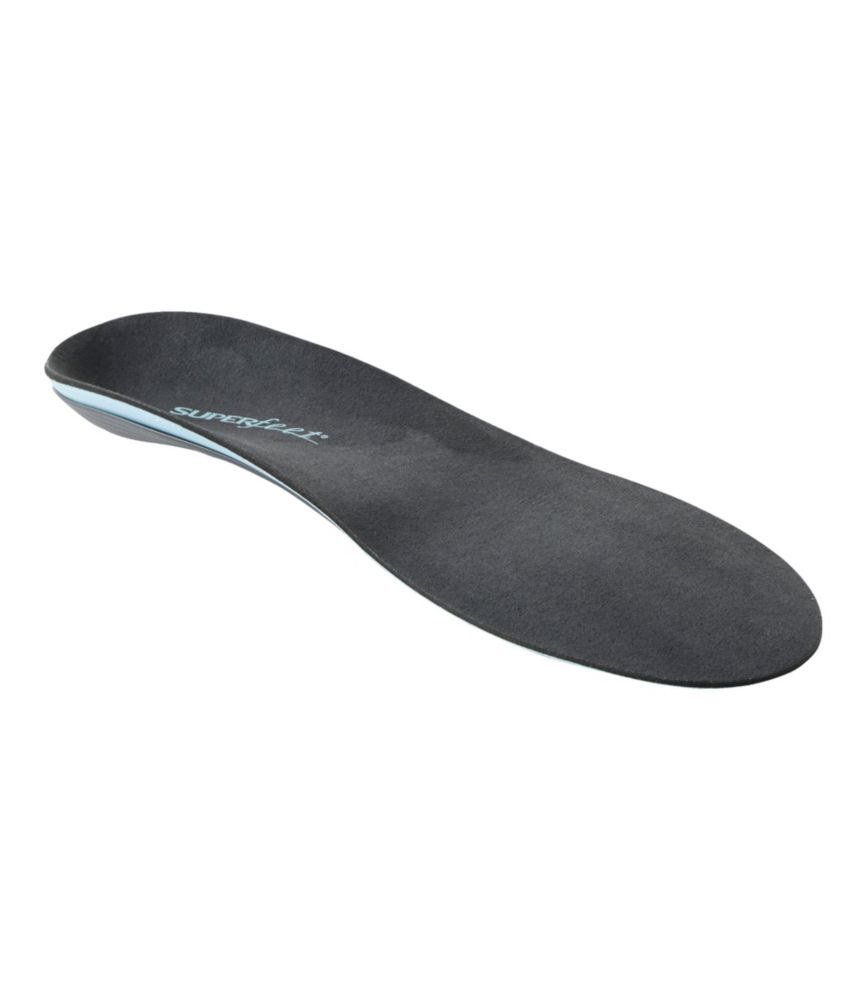
Adults' Superfeet Everyday Comfort Insoles
Superfeet Adults' Superfeet Everyday Comfort Insoles
A pair of black suede leather insoles with memory foam, moisture-wicking lining, and deep heel cups.
(0)
$64.99 $64.99
SALE
$64.99 $64.99
SALE

Running Shoes Insoles

Running shoe insoles are a personal part of a footwear setup, with size, shape and shoe compatibility all worth considering. The right choice begins with the running shoes you plan to wear, rather than with an insole viewed on its own. A familiar shoe size is a useful starting point, but the insole’s listed measurements and sizing guidance deserve a closer look, especially when a size range covers more than one shoe size. Length, width and overall profile are details to compare with the space inside the intended shoes. If you have a pair that already fits the way you like, its size and model information can provide useful context while browsing. If you are choosing insoles alongside different running shoes, consider the two together instead of assuming that a familiar size will mean an identical fit. Running shoe sizing and insole sizing should each be checked against the relevant instructions. For runners who have settled into a regular routine, these details can be part of keeping footwear choices familiar and straightforward. For someone returning to running or putting together a first running setup, they offer a practical way to approach a category that can otherwise feel overly technical. There is no need to turn every comparison into a search for the most elaborate description. Clear sizing information, stated compatibility and an understanding of personal fit preferences provide a useful foundation. The focus is on finding an appropriate match for a particular pair of running shoes and the person wearing them, without expecting one insole choice to suit every runner. That also makes the shoe’s own instructions an important part of the comparison: whether its existing liner is removable, and whether replacement is permitted, should be confirmed rather than assumed. Those details help keep the selection centered on the actual footwear instead of a size label alone.

Fit deserves attention beyond the number printed on the package. The way running shoes feel with the socks you normally wear is more relevant than a comparison made without them, and the complete pairing matters more than either component considered separately. Think about the room around the toes, the fit across the middle of the foot and how the heel sits once the shoes are laced as usual. These are personal observations, not a reason to expect an insole to correct a shoe that does not fit. A running shoe that feels too short or too narrow calls for a closer look at the shoe itself. Likewise, the presence of an existing liner does not mean another insole should simply be placed over it; the shoe and insole instructions should determine how they are used together. Where sizing directions call for an adjustment, follow those directions rather than treating every design as interchangeable or assuming that every insole can be trimmed. For a runner comparing choices at home, having the intended shoes nearby makes the details less abstract. A listed measurement has more meaning when it can be considered alongside the actual footwear, and a remembered size is less helpful than the information on the pair you plan to wear. Personal preferences matter here, too. Someone who likes the familiar feel of a particular running shoe may approach the selection differently from someone still deciding which shoe fit they prefer. Neither situation calls for an elaborate shopping process, just attention to the relationship between the shoe, the insole and the wearer. Looking closely at sizing notes and compatibility information keeps that relationship at the center of the decision. It also leaves room for a simple but important distinction: a description can explain an insole’s specifications, while the fit of the complete setup still needs to be assessed by the person wearing it. Taking that distinction seriously makes comparisons more useful than choosing by appearance alone.

Care and replacement considerations belong in the decision as well, particularly for something that sits inside a regularly worn pair of running shoes. Care directions should come from the insole’s own instructions, not from an assumption that the same cleaning method applies to every design. Before choosing, it is worth knowing what those directions involve and whether they fit comfortably into your usual footwear-care routine. Washing, soaking, drying and the use of cleaning products should all follow the stated guidance; the cleaning instructions for the shoes do not automatically apply to a separate insole. Condition is another practical consideration over time. Periodic attention to changes in shape, visible wear and the way the complete shoe-and-insole pairing fits can help identify when it is time to review the manufacturer’s replacement guidance. There is no need to assume that every runner follows the same schedule or that every insole has the same useful lifespan. Keeping the sizing and care information makes a later comparison more straightforward, especially when the original packaging is no longer close at hand. For shoppers considering more than running footwear, the broader Footwear Insoles category offers another place to continue the comparison, with compatibility still checked for each intended pair of shoes. Insoles can also be a thoughtful gift for someone who enjoys running, though this is a category where a little familiarity matters more than a surprise. Knowing the recipient’s running shoe size is helpful; knowing the shoes they intend to use and the fit they prefer gives the choice more context. When those details are uncertain, involving the recipient in the selection is a considerate approach. Whether the purchase is for a personal running routine or someone else’s, the most useful details remain straightforward: the intended footwear, clear sizing guidance, appropriate care and a fit that the wearer can assess for themselves.
Read More

FAQs