It's time to upgrade your browser

Your current browser is no longer supported on llbean.com. Please upgrade to one of the following for a smoother, safer shopping experience with us:

Gauge Dresses

Browse Gauge dresses to find a style that suits your preferences. As you compare the selection, check each dress’s product details and size guide for information on silhouette, length and fit to help narrow your choice.

Read More
Women's Cloud Gauze Short-Sleeve Shift Dress, Stripe
L.L.Bean Women's Cloud Gauze Short-Sleeve Shift Dress, Stripe
A lightweight orange striped 100% cotton gauze shift dress with a relaxed A-line silhouette and pockets.
(0)
$79 $49.99
SALE
$79 $49.99
SALE
Women's Cloud Gauze Short-Sleeve Shift Dress
L.L.Bean Women's Cloud Gauze Short-Sleeve Shift Dress
A crinkled white cotton dress with a relaxed A-line silhouette, Henley placket, pockets, and side slits.
(0)
$69.95 $44.99
SALE
$69.95 $44.99
SALE
Women's Cloud Gauze Midi Dress, Stripe
L.L.Bean Women's Cloud Gauze Midi Dress, Stripe
A lightweight white cotton midi dress with colorful stripes, a crinkled texture, adjustable waist, V-neck, and pockets.
(0)
$89.95 $54.99
SALE
$89.95 $54.99
SALE
Women's Beech Point Dress, Print
L.L.Bean Women's Beech Point Dress, Print
A blue printed dress with stretchy cotton-TENCEL™ jersey, UPF 50+ protection, cap sleeves, and a flattering A-line silhouette.
(0)
$79 $38.99
SALE
$79 $38.99
SALE
Women's Cloud Gauze Midi Dress
L.L.Bean Women's Cloud Gauze Midi Dress
A white cotton gauze midi dress with a crinkled texture, adjustable waist, pockets, and fit-and-flare silhouette.
(0)
$79.95 $49.99
SALE
$79.95 $49.99
SALE
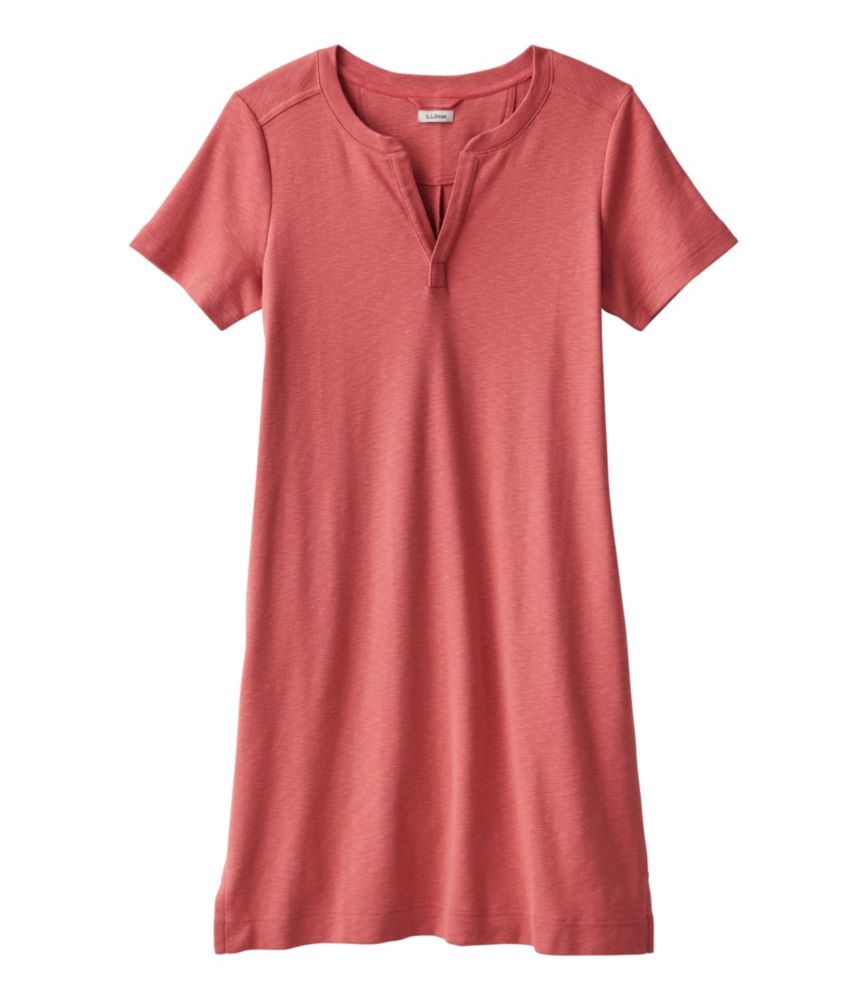
Women's Rocky Coast Slub-Knit Splitneck Dress
L.L.Bean Women's Rocky Coast Slub-Knit Splitneck Dress
A versatile orange dress in soft-textured cotton slub, featuring a split neckline, side slits, and pockets.
(0)
$69 $33.99
SALE
$69 $33.99
SALE

Gauge Dresses

When exploring gauge dresses, look beyond the name to the details that distinguish one design from another: silhouette, length, neckline and fit. The name alone does not establish a particular cut or shape, so individual descriptions and photographs provide a clearer picture of each dress. A straight silhouette draws a different outline from one with a defined waist and a wider skirt, while a shorter hem creates different proportions from a longer one. Neither approach is a rule to follow; the right starting point is the shape you like seeing in your own wardrobe. Necklines add another point of distinction. A higher neckline places more visual emphasis on the shoulders and sleeves, while a more open neckline changes the balance of the upper half of the dress. Sleeve length, waist placement and the width of the skirt all contribute to the overall impression. These details are worth considering together rather than choosing by length alone. Two dresses with similar hems can look quite different when one has a clearly marked waist and the other has an uninterrupted line from shoulder to hem. Photographs showing the front, back and side can make those differences easier to understand when those views are provided. Prints and solid colors bring another layer of character to the same basic shape. A small repeating pattern can read differently across a full dress than it does in a close-up, while a larger motif may draw attention to its placement. With a solid color, seams, gathers and other design details often become more noticeable. The combination matters more than any single feature. For someone drawn to a simple outline, a distinctive neckline may provide enough detail; someone who enjoys pattern may prefer a less detailed shape. Comparing those relationships gives the selection more meaning than a name or a single photograph can provide.

Fit deserves the same attention as appearance, particularly because a size label cannot explain every proportion of a dress. Bust, waist and hip measurements offer separate points of comparison, and the relevant size chart is a better reference than an assumption that the same labeled size will fit identically across different designs. A close-fitting silhouette and a relaxed silhouette are different design choices, not simply different sizes. Choosing a larger size does not necessarily recreate the proportions of a dress designed with a fuller shape, just as choosing a smaller size does not necessarily create a defined waist. The description should help clarify the intended fit. Where measurements are supplied, comparing them with a dress whose fit you already know can make unfamiliar dimensions more concrete. A familiar garment laid flat provides a useful reference, as long as the measurements are taken in the same way as those listed. Overall length also needs context. A hem shown at the knee on one person may fall elsewhere on another, so a stated garment length and any provided model-height information are more useful together than either detail alone. Waist placement matters in a similar way: a seam that appears at the natural waist in a photograph may sit differently depending on torso length. Shoulder seams, sleeve proportions and the position of a neckline can also influence whether the overall shape matches your preferences. None of these details requires dressing to a prescribed body type. They simply help connect the pictured design with the proportions you know best. If two sizes seem close, the measurements and fit notes can make the distinction clearer without relying on a general rule to size up or down. The goal is a considered choice based on the particular dress, with equal attention to the outline you like and the dimensions supplied. That approach leaves room for different preferences, whether you favor more space through the waist, a clearly defined shape or a straighter line.

Smaller design choices often become more important after the first impression. A row of buttons, the position of a seam, a gathered section or the shape of a cuff can change the character of an otherwise simple dress. When these features are shown, looking at both the full-length image and the detail views helps keep them in perspective. A detail that fills a close-up photograph may be quite subtle in the complete design, while a seam or pattern placement can have a stronger effect across the whole silhouette. The back view deserves attention, too, since a dress is more than its front-facing photograph. Closures and any other listed construction details belong in the comparison alongside appearance, without assuming that every design has the same features. Care information is another individual consideration. The directions provided for each garment should guide its care; a shared name, similar appearance or familiar size is not a reason to assume identical instructions. Reading those directions before choosing gives care requirements their proper place in the decision, rather than treating them as an afterthought. The wider selection of Women's Dress Wear offers another point of comparison for shapes and design details that catch your eye. Across any selection, personal style can be specific without being complicated. You might consistently prefer a clean neckline, an uninterrupted silhouette or a pattern with room around each motif. Recognizing those preferences makes it easier to distinguish an appealing photograph from a dress that reflects your own taste. There is no need for every choice to have the same length or outline, either. A wardrobe can include different shapes while still feeling connected through a preference for simplicity, pattern or a particular proportion. Lasting style begins with details you genuinely enjoy, supported by clear sizing information and attention to the individual garment rather than assumptions attached to its name.
Read More

FAQs