It's time to upgrade your browser

Your current browser is no longer supported on llbean.com. Please upgrade to one of the following for a smoother, safer shopping experience with us:

Camping Kitchen Tools

Find camping kitchen tools to complete your camp cooking setup, whether you’re starting a new kit or filling a gap in your existing gear. Explore the selection with your planned meals in mind, and check individual product details to choose what belongs in your camp kitchen.

Read More
Yeti Rambler Insulated Food Jar, 16 oz.
Yeti Yeti Rambler Insulated Food Jar, 16 oz.
A black, BPA-free stainless steel food jar with leakproof insulation that keeps lunches hot or cold.
(0)
$45 $45
SALE
$45 $45
SALE
L.L.Bean Insulated Straw Tumbler, 20 oz.
L.L.Bean L.L.Bean Insulated Straw Tumbler, 20 oz.
A blue, vacuum-insulated stainless-steel tumbler with reusable straw keeps drinks cold for up to six hours.
(0)
$26.95 $26.95
SALE
$26.95 $26.95
SALE
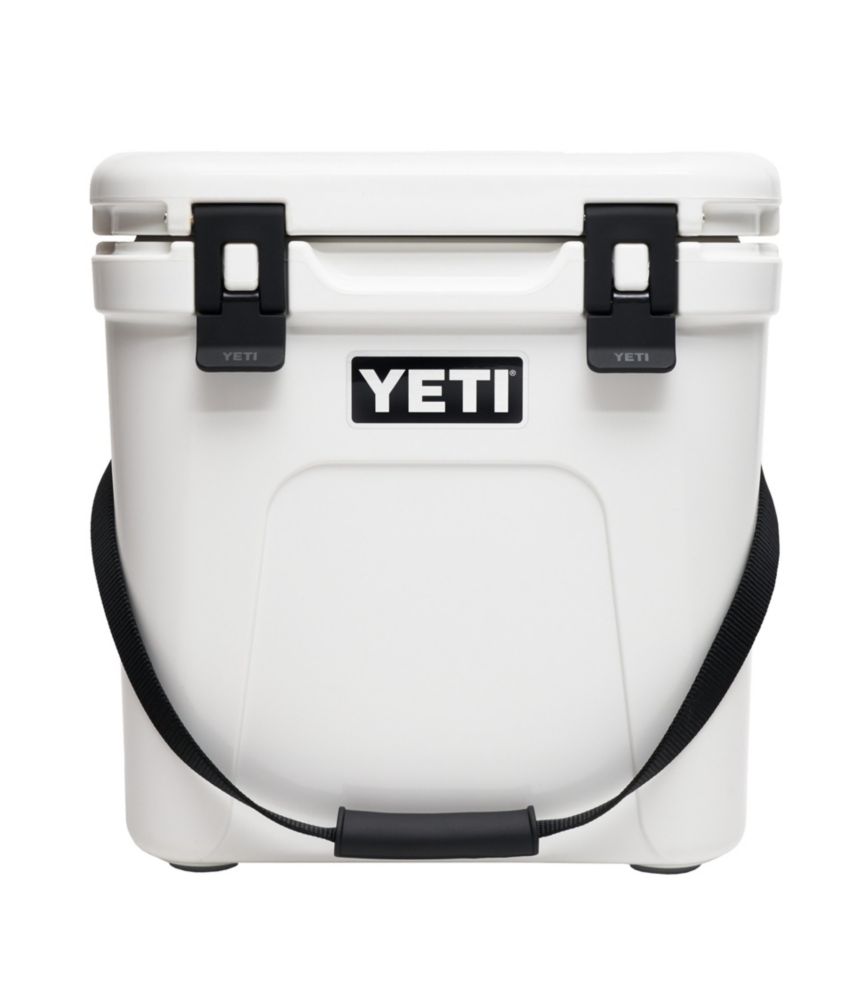
Yeti Roadie 24 Cooler
Yeti Yeti Roadie 24 Cooler
A white, rubberized cooler with rotomolded durability, thick insulation, and secure latches for exceptional ice retention.
(58)
$275 $275
SALE
$275 $275
SALE
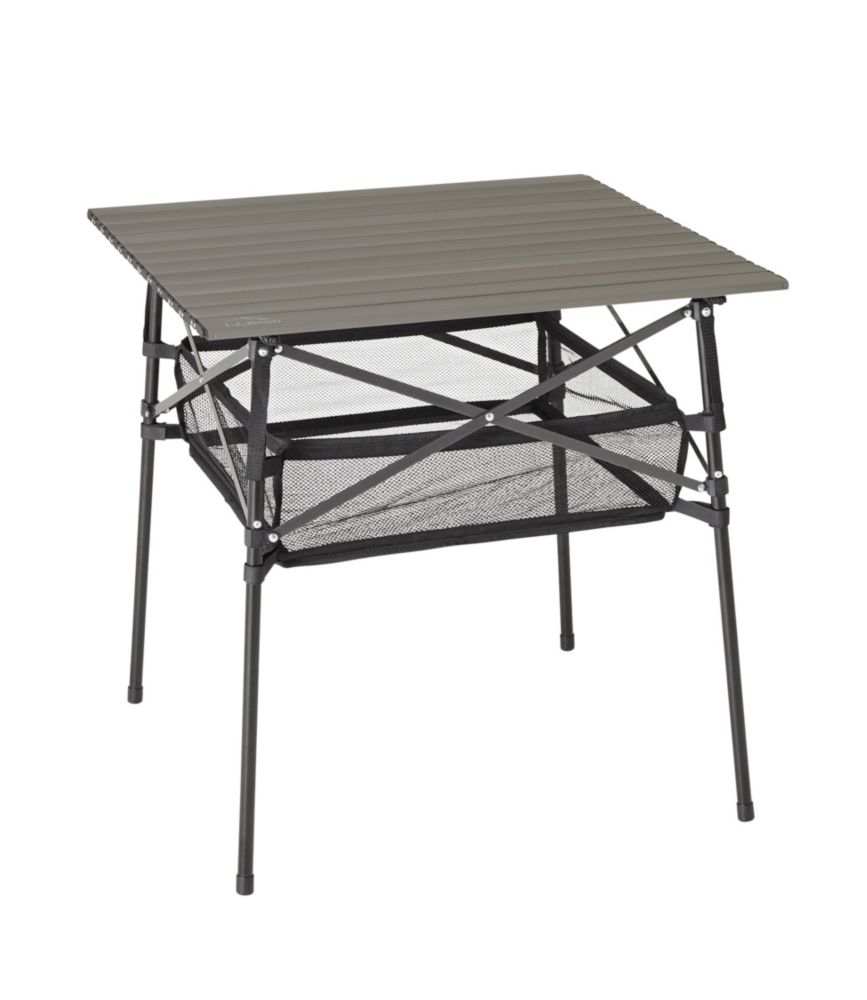
L.L.Bean Camp Table
L.L.Bean L.L.Bean Camp Table
A durable gray aluminum camp table with mesh storage, roll-top packing and an included carry bag.
(61)
$99.95 $99.95
SALE
What customers like:
Lightweight
Durability
Sturdiness
Space-saving
Easy to set up
$99.95 $99.95
SALE

Camping Kitchen Tools

Camping kitchen tools are part of a familiar camping tradition: gathering around a meal and making time to enjoy it together. A pancake breakfast at the picnic table, sandwiches assembled between conversations, or a pasta supper after a day outside can give a trip its own comfortable rhythm. The kitchen setup behind those meals is personal. Some campers prefer a short, familiar menu, while others look forward to making dinner a main event. That difference matters more than trying to recreate every part of a kitchen at home. A useful starting point is the food everyone actually likes to make, the number of people sharing it, and how much space is available for preparing and serving it. A campsite breakfast for two has a different rhythm from a family meal with several people arriving at the table together. There may be one person who enjoys cooking, another who sets out the meal, and someone else who takes charge of cleanup. Camping kitchen tools fit into that shared routine, with each choice reflecting a particular part of the meal rather than a checklist filled for its own sake. Familiar recipes also offer helpful context when browsing: a breakfast mixed and cooked in stages calls for a different setup than a meal mostly prepared before leaving home. The appeal is in finding the right balance for the people who will be there. For a first camping trip, that may mean keeping the menu straightforward and concentrating on the basics. For an established camping tradition, it may mean noticing the small gaps that come up each time dinner gets underway. Either way, a considered camping kitchen starts with an honest picture of mealtime, from the first bit of preparation to the last conversation at the table. There is room for both the camper who follows a favorite recipe and the one who would rather keep supper simple.

Browsing camping kitchen tools is an opportunity to think through the details that make a setup feel like a good fit. Dimensions deserve attention, particularly when the available preparation area is only one section of a picnic table. The space used during a meal and the space set aside between meals are separate considerations, and both belong in the decision. Existing camping equipment matters, too: stated measurements and any product-specific compatibility information offer a more reliable basis for comparison than appearance alone. A photo can suggest scale, but measurements provide a clearer point of reference. Material and care information are equally worth reading together, since care directions apply to the individual product rather than to camping kitchen tools as a whole. Cleaning methods, storage recommendations, and other handling details should come from those instructions, not from assumptions based on a similar-looking piece at home. Quality is worth considering alongside those practical details, with attention to the construction information provided for each choice. Personal preferences have a place as well. Some campers enjoy a coordinated setup; others have a collection assembled gradually around favorite meals and shared trips. Neither approach needs to become an all-or-nothing decision. Adding something to an existing camping kitchen can be a matter of addressing one recurring need rather than replacing everything. The most useful comparison is often between the setup pictured in a product photo and the actual routine at camp: where preparation happens, how many people share that space, and what happens when the meal is finished. These details give browsing a practical focus without turning every purchase into a project. A camping kitchen can reflect familiar habits while still leaving room for a different menu, another person at the table, or a new tradition. The goal is a thoughtful selection suited to the camping kitchen being planned, not the largest possible assortment.

Camping kitchen tools can also be a thoughtful gift for someone whose favorite camping memories seem to involve a meal. The best direction comes from knowing a little about that person's routine: whether breakfast is an occasion, dinner is a shared undertaking, or the menu stays happily familiar from trip to trip. A gift can acknowledge those preferences without assuming the recipient wants an entirely different way of camping. For someone with an established setup, knowing what is already part of it helps make the choice more personal. For someone beginning to gather camping essentials, a conversation about the kinds of meals they have in mind can be more helpful than guessing. Gift choices deserve the same attention to dimensions, material information, care requirements, and compatibility as purchases made for a personal camping kitchen. The thoughtfulness is in the match, not in the size of the gift. For a broader look at camping essentials, Camping Kits offers another place to explore while considering the rest of a camping setup. Kitchen decisions still come back to the particular people and meals involved. A family that makes the same first-night supper on every trip may have different priorities from friends who take turns choosing the menu. Both have a reason to value a kitchen arrangement that feels familiar and well considered. There is something welcoming about a meal taking shape at camp: ingredients brought out, conversation continuing through preparation, and places made for everyone when the food is ready. The tools are one part of that scene, alongside the recipes, routines, and people who give it meaning. Choosing them with attention to those everyday details keeps the focus where it belongs—on a camping kitchen that reflects how meals are made and shared, and on the pleasure of sitting down together outside.
Read More

FAQs