It's time to upgrade your browser

Your current browser is no longer supported on llbean.com. Please upgrade to one of the following for a smoother, safer shopping experience with us:

Black Hiking Boots

Explore black hiking boots at L.L.Bean, with a selection that makes it easy to focus on your preferred color. Compare each pair’s design, product details and sizing guidance to find the right fit for your hiking plans.
Read More
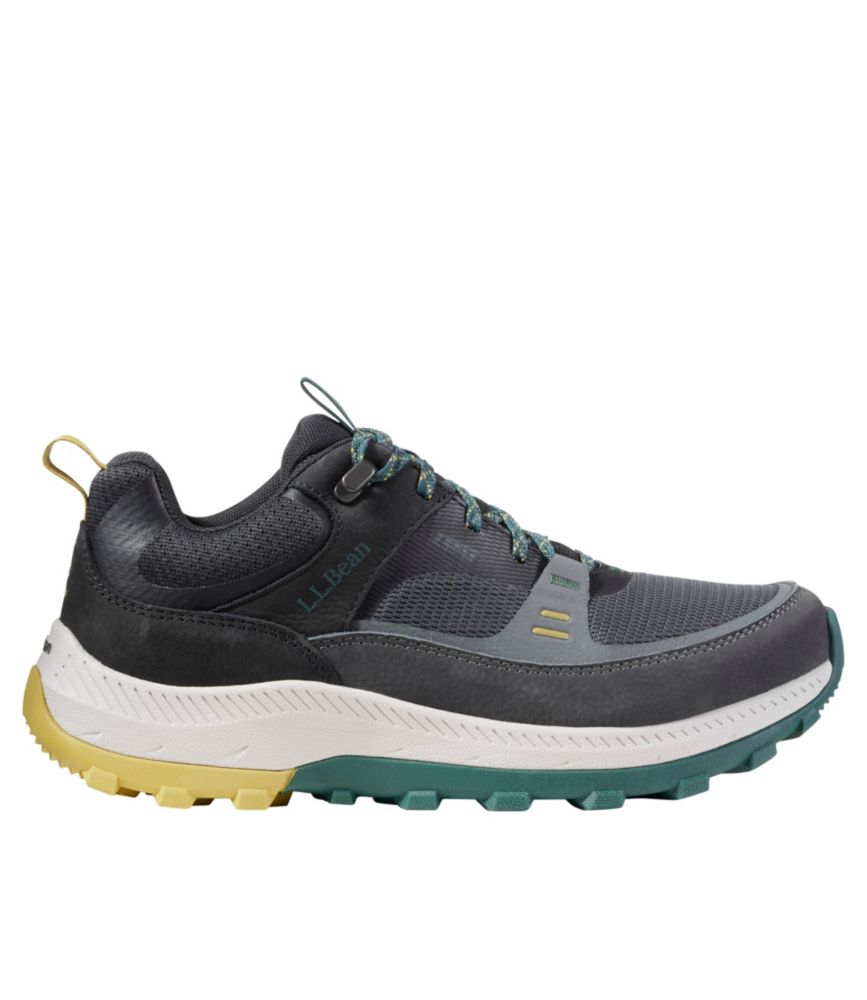
Men's Access Hiking Shoes, Waterproof
L.L.Bean Men's Access Hiking Shoes, Waterproof
A waterproof black hiking shoe featuring recycled mesh, nubuck leather, and a grippy rubber outsole for traction.
(0)
$140 $119.99
SALE
$140 $119.99
SALE
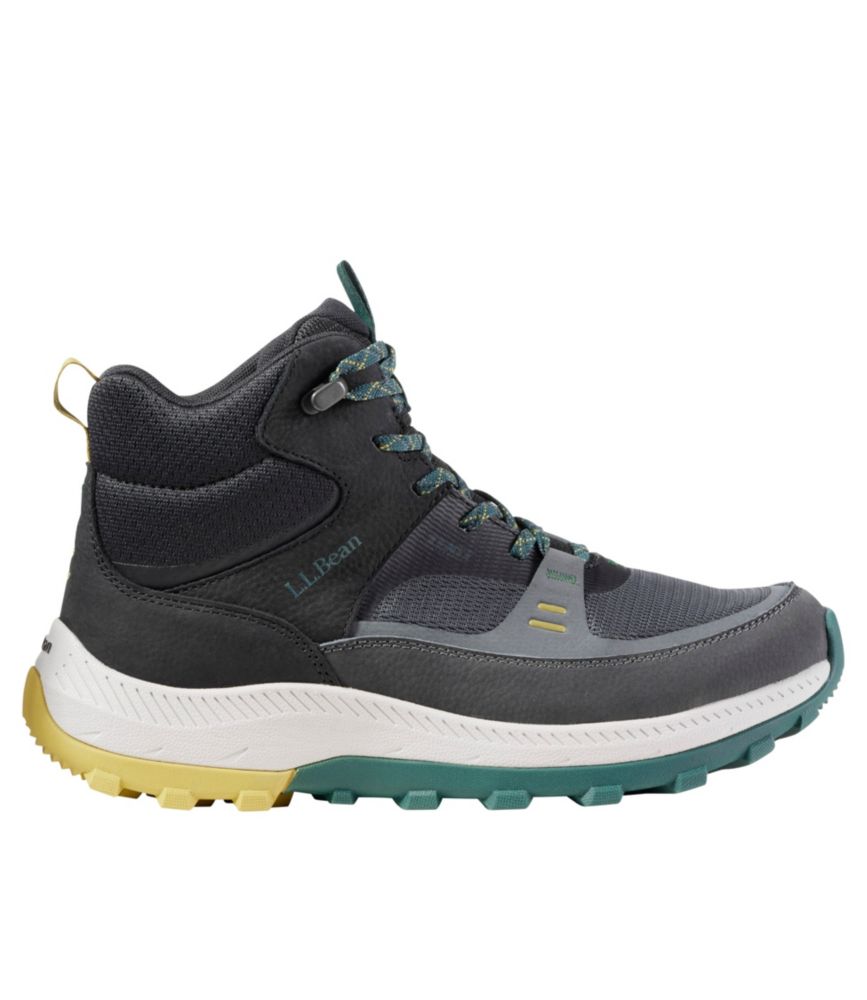
Men's Access Hiking Boots, Waterproof
L.L.Bean Men's Access Hiking Boots, Waterproof
A waterproof black hiking boot featuring recycled mesh, nubuck leather, and a grippy VertiGrip rubber outsole.
(0)
$150 $126.99
SALE
$150 $126.99
SALE
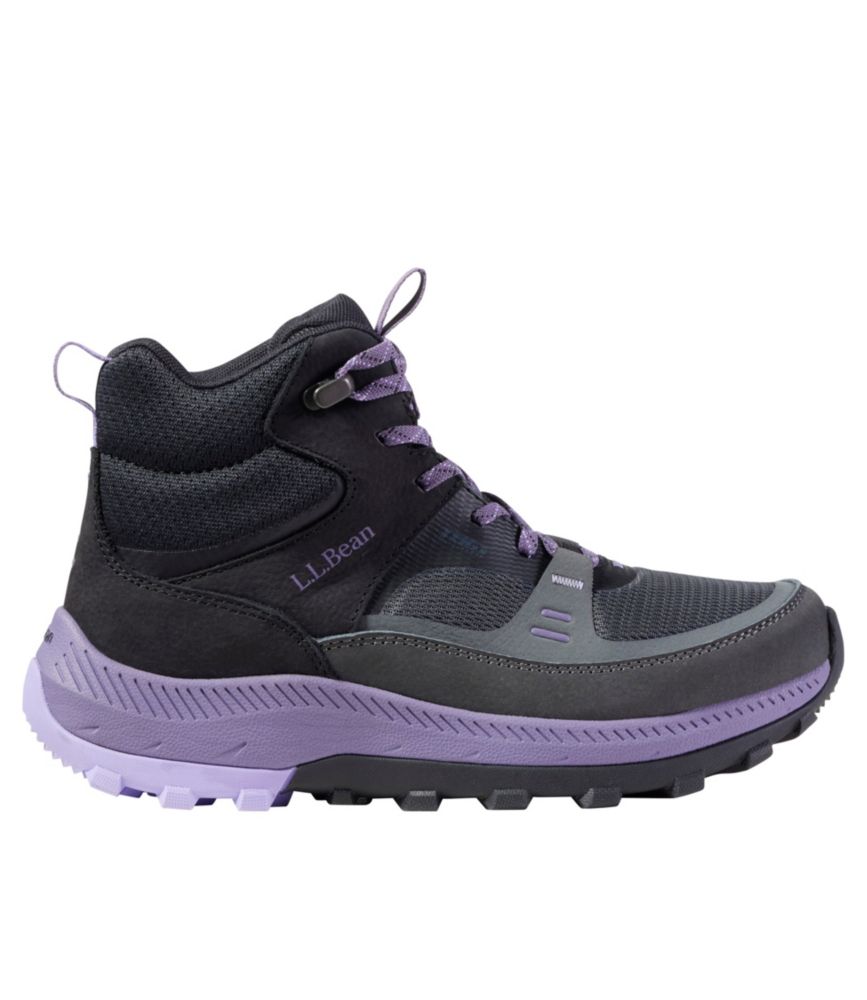
Women's Access Hiking Boots, Waterproof
L.L.Bean Women's Access Hiking Boots, Waterproof
A waterproof black hiking boot featuring a recycled mesh and nubuck leather upper with grippy rubber outsole.
(0)
$150 $126.99
SALE
$150 $126.99
SALE

Black Hiking Boots

Black hiking boots bring a straightforward, timeless look to footwear chosen for time on the trail. Their defining color works with a wide range of outdoor clothing, from earth-toned pants and a simple shirt to brighter layers and patterned socks. For someone who prefers an understated look, black creates a consistent starting point without requiring every part of an outfit to match. The overall appearance still varies: the shape of the toe, the height of the boot, the placement of seams, and the contrast between the laces and upper all contribute to its character. A largely tonal design has a different feel from one with contrasting details, even when both belong to the same color family. Those distinctions give hikers room to choose something that feels personal while keeping the focus on the outing rather than the outfit. Color is only one part of that choice, however. Black hiking boots are a category defined by color and intended activity, not a promise that every pair has the same construction or capabilities. The most useful comparison begins with the hiking someone actually plans to do and the individual boot’s stated purpose. A person getting acquainted with nearby trails may approach that decision differently from someone who already has a regular hiking routine and clear footwear preferences. Think of the familiar details of an outing: meeting a friend at the trailhead, pausing to check the route, and finding a place to enjoy the view together. Footwear selection belongs alongside those practical plans. A boot’s appearance can help narrow the choices, but its individual description and fit information deserve just as much attention. That combination keeps the search grounded in both personal style and the details that matter to the person wearing it, whether black is a longtime preference or simply the easiest color to coordinate with an existing hiking wardrobe.

Fit is worth considering separately from appearance, especially when two black hiking boots look similar at first glance. Start with the size and width information provided for each pair rather than assuming that a familiar size will feel identical across different designs. The shape of the toe area, the space through the middle of the foot, and the feel around the heel are all useful points of comparison during a try-on. Wear the socks intended for hiking, lace both boots, and take time to walk rather than judging them only while seated. Notice whether the toes feel crowded, whether the heel moves noticeably, or whether the laces need to be pulled unusually tight to hold the foot in place. Those observations are more useful than choosing by the size label alone. Trying on both boots also matters because the two feet may not feel exactly the same in a given pair. If a fit seems uncertain, consult the footwear’s sizing guidance instead of counting on wear to resolve it. Construction and materials are another part of the comparison, but they need to be considered at the individual-pair level. Look for a clear description of the upper, lining, sole, and closures, and use those details to understand how the designs differ. A photograph can show shape and styling; it cannot establish every characteristic relevant to a hike. Likewise, the color black does not tell a shopper how a boot will perform or how it should be maintained. For a more specific search, men’s black waterproof hiking boots offers a related category to explore, with individual descriptions remaining the place to confirm details. Keeping those distinctions clear makes browsing more purposeful. Instead of treating every dark-colored boot as interchangeable, compare the information that addresses the intended wearer’s needs, then use appearance to help make the final choice. The result is a selection process based on more than a photograph or a familiar size number.

Care and long-term ownership deserve a place in the decision, too. Before choosing black hiking boots, read the care instructions associated with the pair and consider whether that routine fits the way the footwear will be used and stored. Different constructions can require different treatment, so a method used for another pair should not automatically become the routine for a new one. Follow the stated directions for cleaning and drying, and check whether any proposed care treatment is appropriate before applying it. A black finish is not a reason to skip inspection after a hike; take a look at the seams, laces, soles, and interior as part of putting footwear away. Questions about durability are best answered through the construction details and care guidance for the individual boots rather than through their color or a rugged-looking photograph. Keeping those details in mind helps establish realistic expectations from the start. The same thoughtful approach applies when choosing hiking footwear as a gift. Black can be an appealing option for someone who favors simple, coordinated outdoor clothing, but knowing a person’s preferred color is not enough to settle the fit. Their usual footwear size, width preferences, hiking habits, and experience with similar boots are helpful starting points. Whenever possible, give the recipient a role in choosing the pair, particularly if they have strong preferences about how footwear feels. For a partner who enjoys shared trail outings or a family member beginning to explore local hiking routes, the personal part of the gift can be the attention paid to those preferences rather than a surprise selection made on appearance alone. Ultimately, the appeal of black hiking boots lies in bringing a classic visual choice to a distinctly outdoor part of the wardrobe. There is room for different tastes within that simple theme, from quiet, tonal styling to more noticeable detailing. Choosing with care means balancing that visual preference with fit, stated purpose, construction information, and maintenance requirements. Each consideration contributes to a more informed decision, leaving the trail itself—and the people sharing it—as the reason for getting outside.
Read More

FAQs