It's time to upgrade your browser

Your current browser is no longer supported on llbean.com. Please upgrade to one of the following for a smoother, safer shopping experience with us:

Zip Hiking Boots

Explore zip hiking boots with zipper closures, and compare styles by size, fit and design. Check each pair’s product details for fit guidance and closure information to help narrow down your hiking footwear options.
Read More
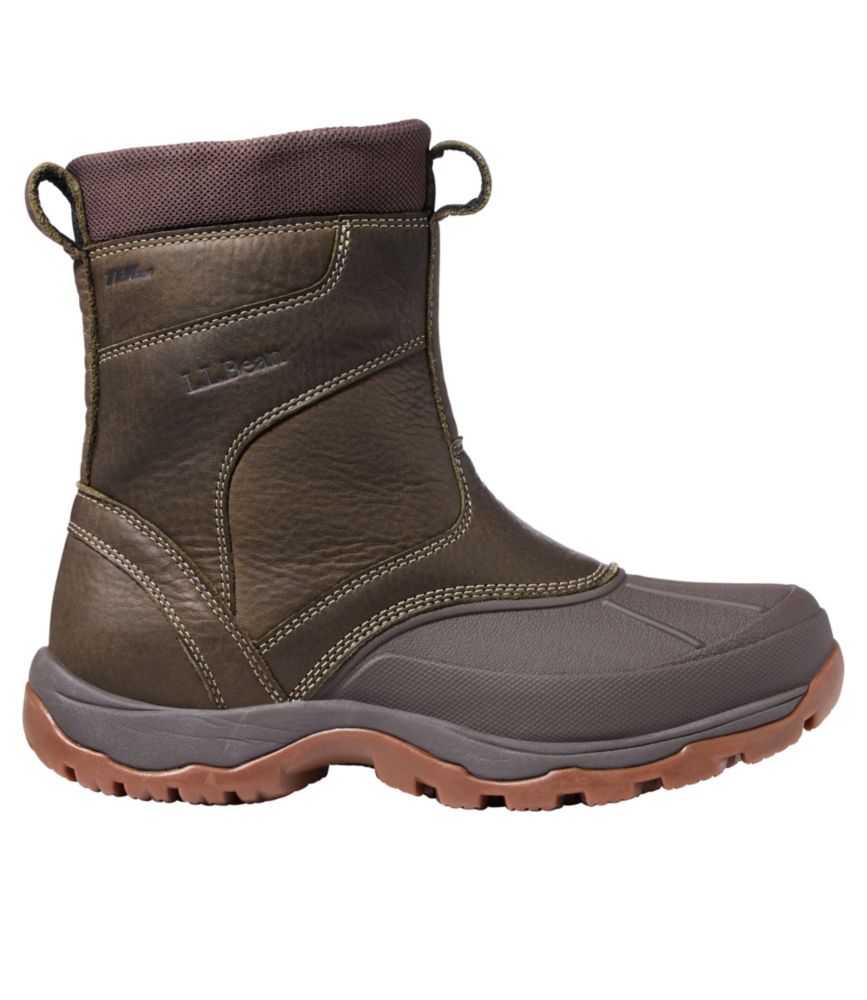
Men's Storm Chaser Boots 5, Zip
L.L.Bean Men's Storm Chaser Boots 5, Zip
A gray waterproof leather boot with 200-gram insulation, side zippers, and siped rubber traction.
(1,216)
$170 $170
SALE
What customers like:
Comfortable for long hours of use
Good traction
Warmth
Easy to put on and take off
High quality materials
$170 $170
SALE
Men's Trail Model X Waterproof Hiking Boots
L.L.Bean Men's Trail Model X Waterproof Hiking Boots
A brown waterproof hiking boot with suede leather, a protective rock plate, and high-traction rubber outsole.
(0)
$120 $120
SALE
$120 $120
SALE
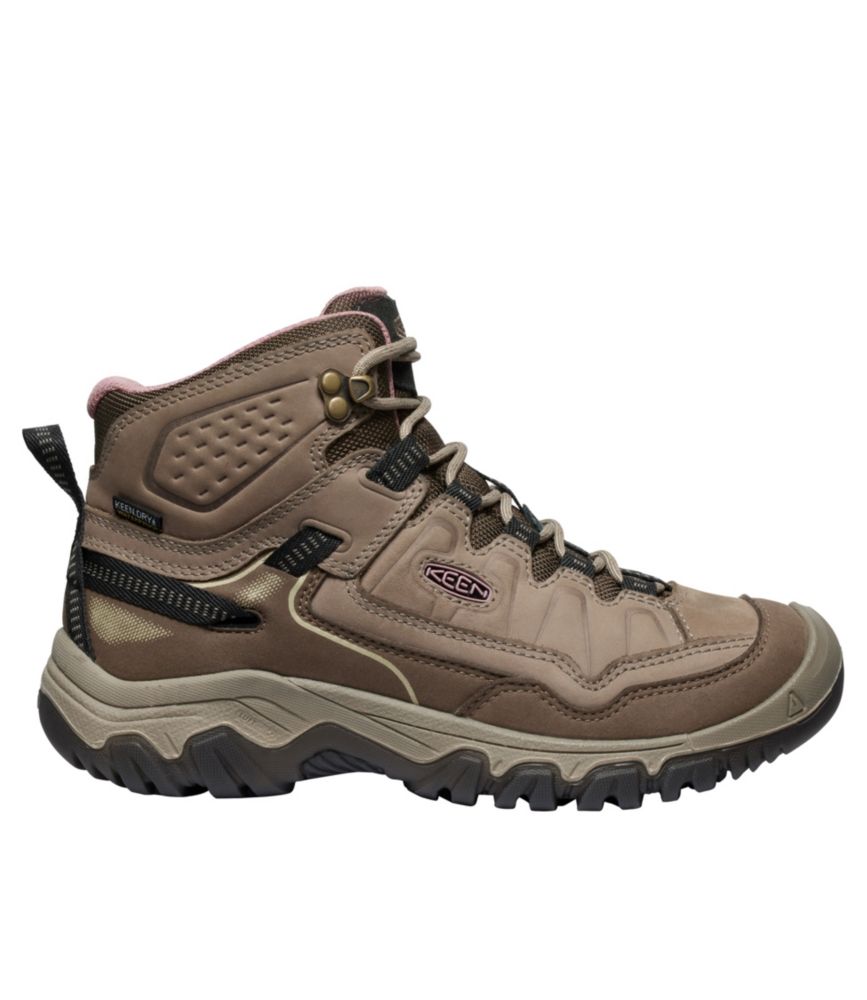
Women's Keen Targhee IV Mid Waterproof Hiking Boots
Keen Women's Keen Targhee IV Mid Waterproof Hiking Boots
A brown leather waterproof hiking boot offering stable support, cushioned comfort, and dependable traction on terrain.
(0)
$180 $180
SALE
$180 $180
SALE
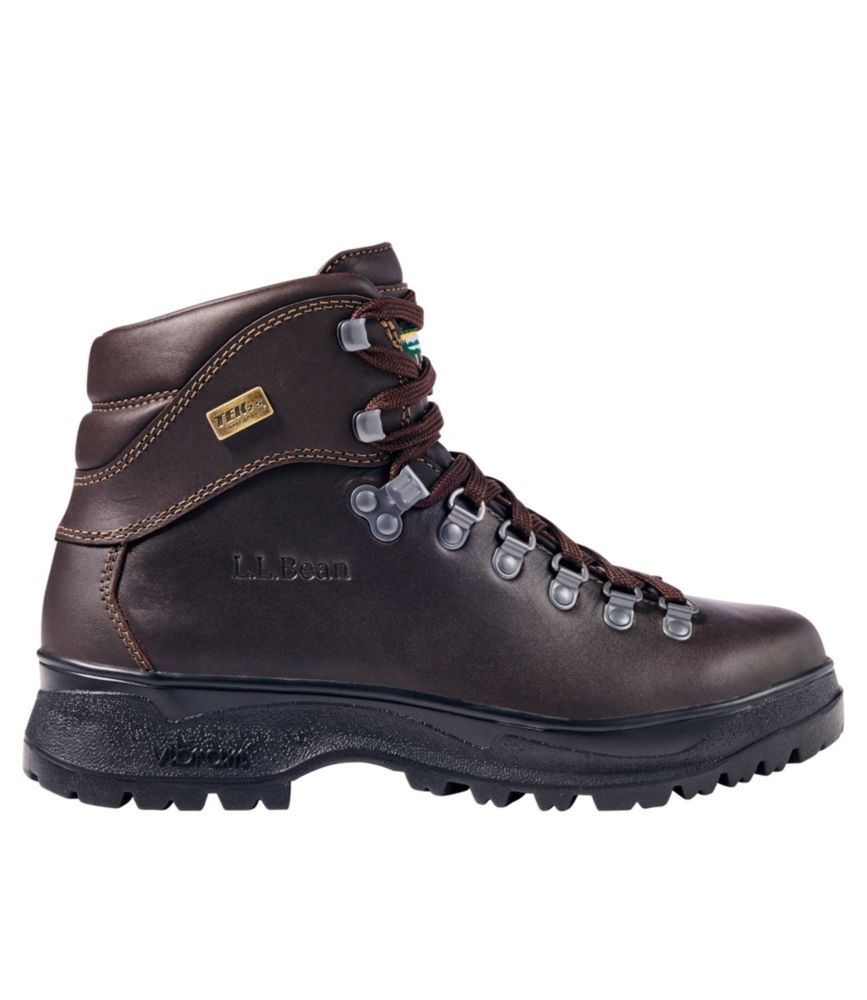
Men's Cresta II Waterproof Hiking Boots, Leather
L.L.Bean Men's Cresta II Waterproof Hiking Boots, Leather
A brown waterproof leather hiking boot with Vibram rubber traction and cushioned EVA comfort for trails.
(0)
$280 $280
SALE
$280 $280
SALE
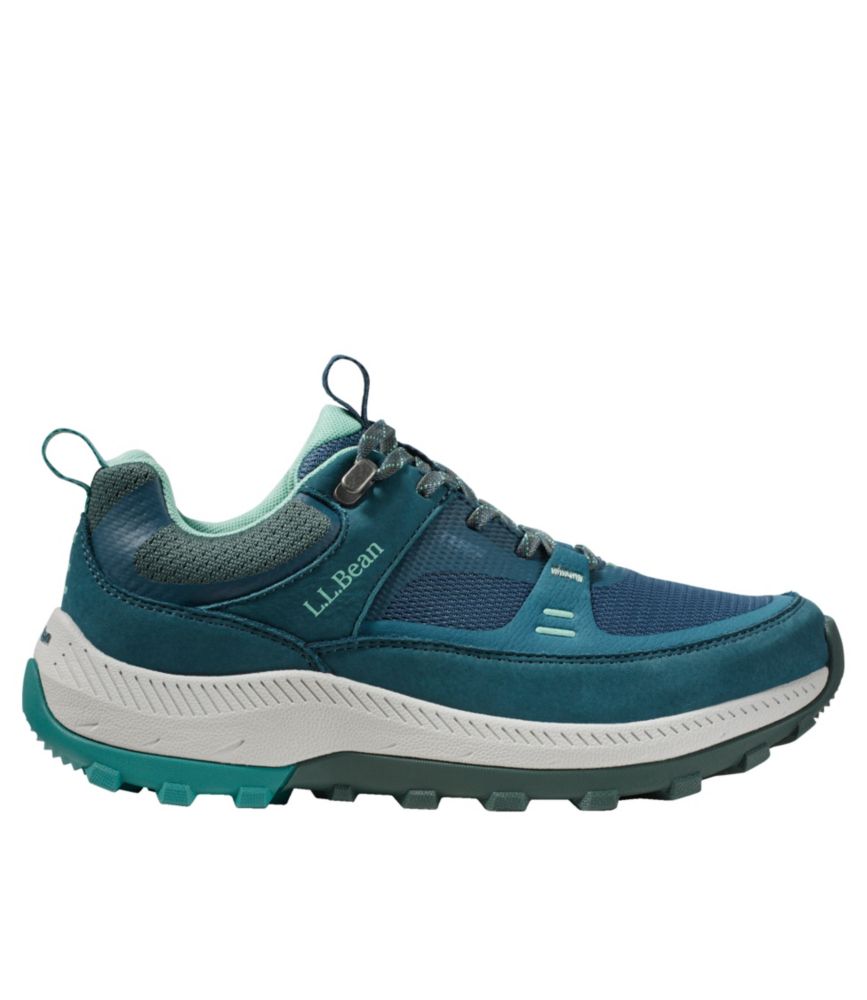
Women's Access Hiking Shoes, Waterproof
L.L.Bean Women's Access Hiking Shoes, Waterproof
A blue waterproof hiking shoe with recycled mesh, nubuck leather, cushioned support and grippy trail traction.
(0)
$140 $118.99
SALE
$140 $118.99
SALE

Zip Hiking Boots

Zip hiking boots bring a zippered closure to a familiar outdoor footwear style, giving hikers a distinct option to consider alongside traditional lace-up designs. The name identifies the closure and the hiking category; the details of each design tell the rest of the story. Zipper placement, boot height, sizing, and the overall shape are useful starting points when comparing pairs. A zipper is one part of a boot, rather than a complete description of its construction or intended use, so it helps to look beyond that single feature. Product photographs can show how the closure sits within the design, while descriptions and fit notes provide details that may not be obvious at a glance. Consider what appeals to you about a zippered style, whether that is the appearance of the closure or a preference developed from footwear you already enjoy wearing. For someone who likes the familiar look of hiking boots but wants to explore a different closure arrangement, this category offers a focused place to begin. Personal style matters here, too: the proportions of the boot, the shape around the ankle, and the arrangement of its details all contribute to its character. A straightforward design can feel just as at home in an outdoor wardrobe as a more visibly detailed one, depending on your preferences. Picture the moments that make hiking meaningful to you: meeting a friend at the trailhead, pausing beside a favorite overlook, or taking time to notice the woods along a familiar path. Choosing footwear is part of preparing for those experiences, but the best comparison starts with the actual specifications rather than the look alone. Zip hiking boots can be considered by people just getting acquainted with hiking as well as those who have clear footwear preferences from years of time outside. Experience may shape what you look for, but careful attention to the details is worthwhile at every stage.

Fit deserves particular attention when choosing zip hiking boots, especially when comparing an unfamiliar design with a pair you already own. Start with the size chart and any fit guidance supplied for the pair under consideration, rather than assuming that the same size will feel identical across different boot shapes. Length is only one part of the picture. The space across the forefoot, the feel over the instep, and the position of the boot opening around the ankle can all influence your preference. Try boots with the socks you intend to wear hiking, and take time to assess both feet. With the closures properly fastened, notice whether your toes have room to move, whether your heel shifts as you walk, and whether any area feels uncomfortably tight. A short indoor try-on is an opportunity to notice those details before making a decision. Pay attention to where the zipper sits relative to your foot and ankle, too, rather than judging fit only at the toe. If a design includes both laces and a zipper, follow its fastening instructions and assess the fit with both closures arranged as intended. The presence of a zipper does not, by itself, explain how much adjustment a particular boot offers. Boot height is another useful comparison point, though height and closure type describe different aspects of the design. Shoppers interested in comparing taller silhouettes can also explore High Hiking Boots, then refer to individual measurements and fit notes for a clearer picture. For a gift recipient, these personal preferences are especially important. Someone who hikes regularly may have a well-established preference for a certain shape or height, while a newer hiker may still be discovering what feels right. Knowing the recipient’s size is helpful, but knowing what they appreciate about their present boots adds valuable context. Choosing together can make the gift feel thoughtful without leaving such an individual decision entirely to guesswork.

Construction and care information help round out the comparison, giving you a better understanding of the pair beyond its photographs. Read the listed materials for the upper, lining, and sole rather than assuming that all zip hiking boots share the same composition. Those details belong to the individual design, and a familiar appearance is not a substitute for the written description. Likewise, look for an explicit account of intended hiking use instead of treating a zip closure as evidence that a boot is appropriate for every route. A brief outing on a familiar path and a longer hike with more involved planning call for different questions about your footwear; the product’s stated purpose should help inform that decision. If a description leaves an important question unanswered, seek clarification rather than filling in the gap from the category name. Durability is also worth considering through specific construction details and the care information provided, not through broad expectations about how a hiking boot looks. For ongoing care, follow the instructions supplied with the boots, including any guidance for cleaning the materials and tending to the closure. Avoid assuming that a treatment used on another pair is appropriate for this one. Check care requirements before choosing, particularly if you prefer a straightforward routine or already have an established way of looking after your hiking footwear. After an outing, a few minutes spent checking the boots can help you notice dirt around the closure, changes in the stitching, or areas that deserve closer attention. Address a zipper that resists normal movement according to the manufacturer’s guidance rather than forcing it. Store footwear as directed, and consult any available repair guidance when something needs attention. These practical considerations keep the decision grounded in the details that matter over time: a fit you have assessed carefully, a design whose intended use matches your hiking plans, and care instructions you understand. With those points in view, choosing zip hiking boots becomes less about a single visible feature and more about finding a pair that belongs in your own outdoor routine.
Read More

FAQs