It's time to upgrade your browser

Your current browser is no longer supported on llbean.com. Please upgrade to one of the following for a smoother, safer shopping experience with us:

Women's Work Tunics

Explore women’s work tunics in a variety of styles for your work wardrobe. Browse tunic tops designed to pair easily with pants, leggings or skirts for a comfortable, pulled-together look.
Read More
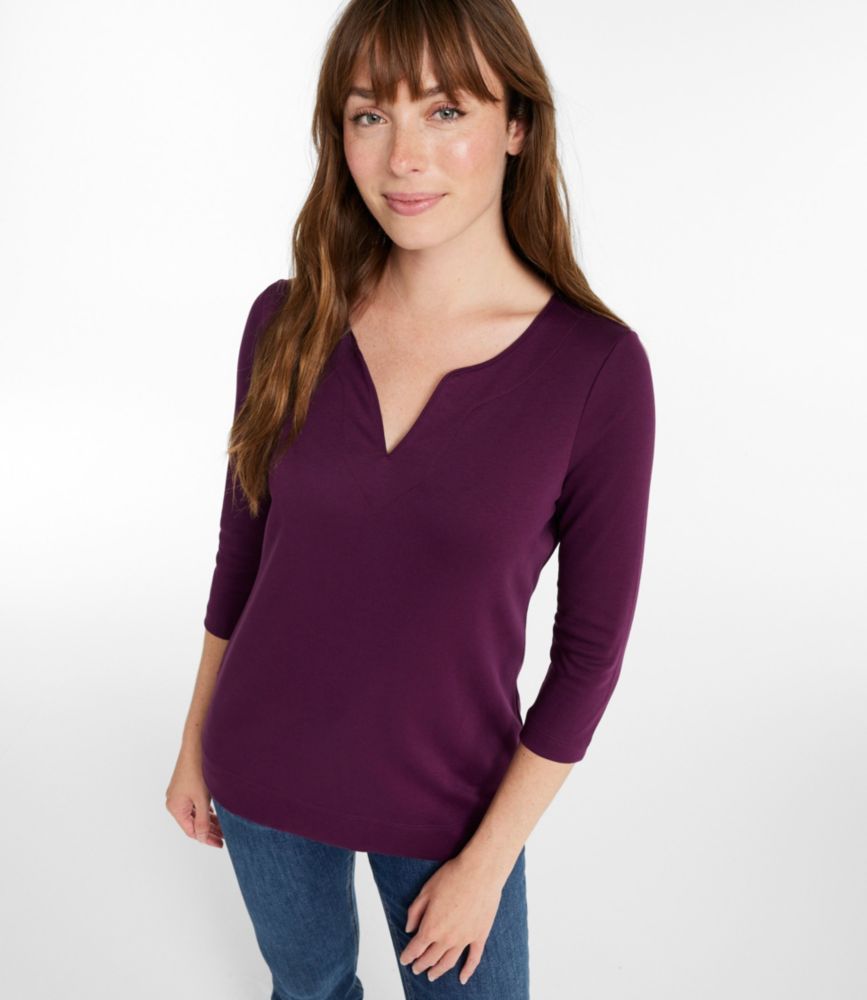
Women's Pima Cotton Tunic, Three-Quarter-Sleeve Splitneck
L.L.Bean Women's Pima Cotton Tunic, Three-Quarter-Sleeve Splitneck
A purple Supima cotton tunic with three-quarter sleeves, a split neckline, longer length and side slits.
(5,122)
$44.95 $18.99
SALE
What customers like:
High quality
Soft material
Durable
Good fit
Comfortable
$44.95 $18.99
SALE
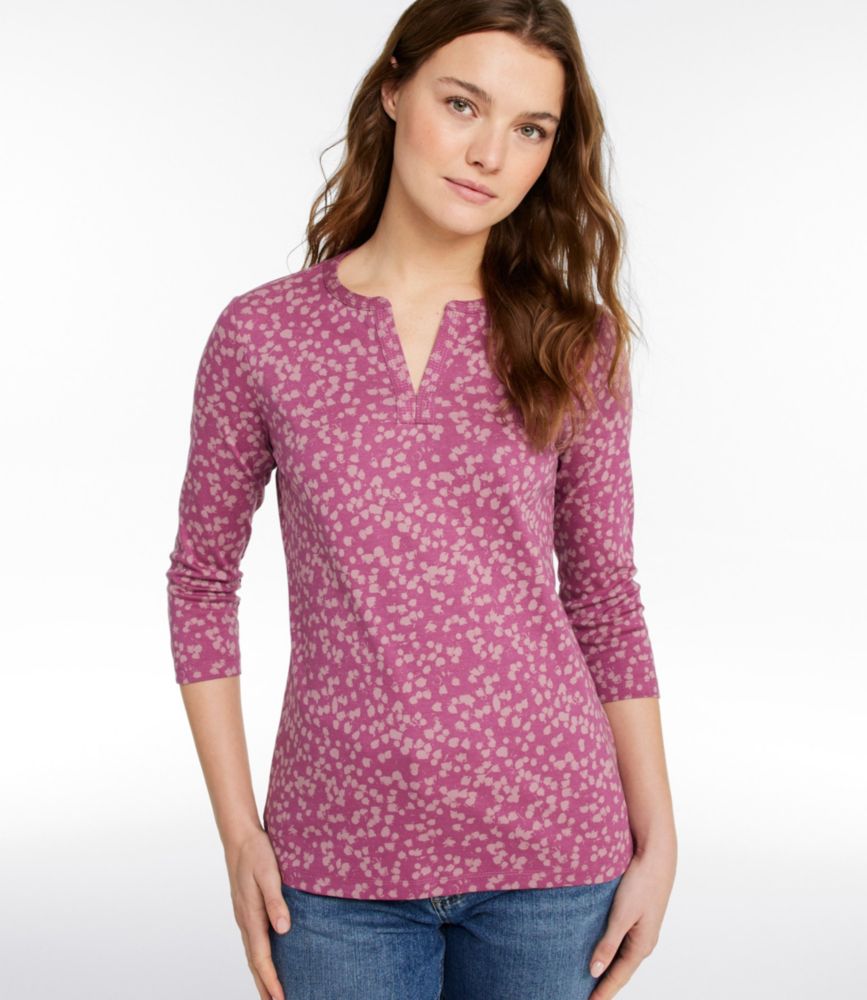
Women's L.L.Bean Tee, Three-Quarter-Sleeve Splitneck Tunic Print
L.L.Bean Women's L.L.Bean Tee, Three-Quarter-Sleeve Splitneck Tunic Print
A purple printed cotton tunic with three-quarter sleeves, split V-neckline, side slits, and pretty embroidered trim.
(2,766)
$44.95 $29.99
SALE
What customers like:
High quality fabric
Well-made construction
Versatile style
Comfortable fit
Attractive colors and prints
$44.95 $29.99
SALE
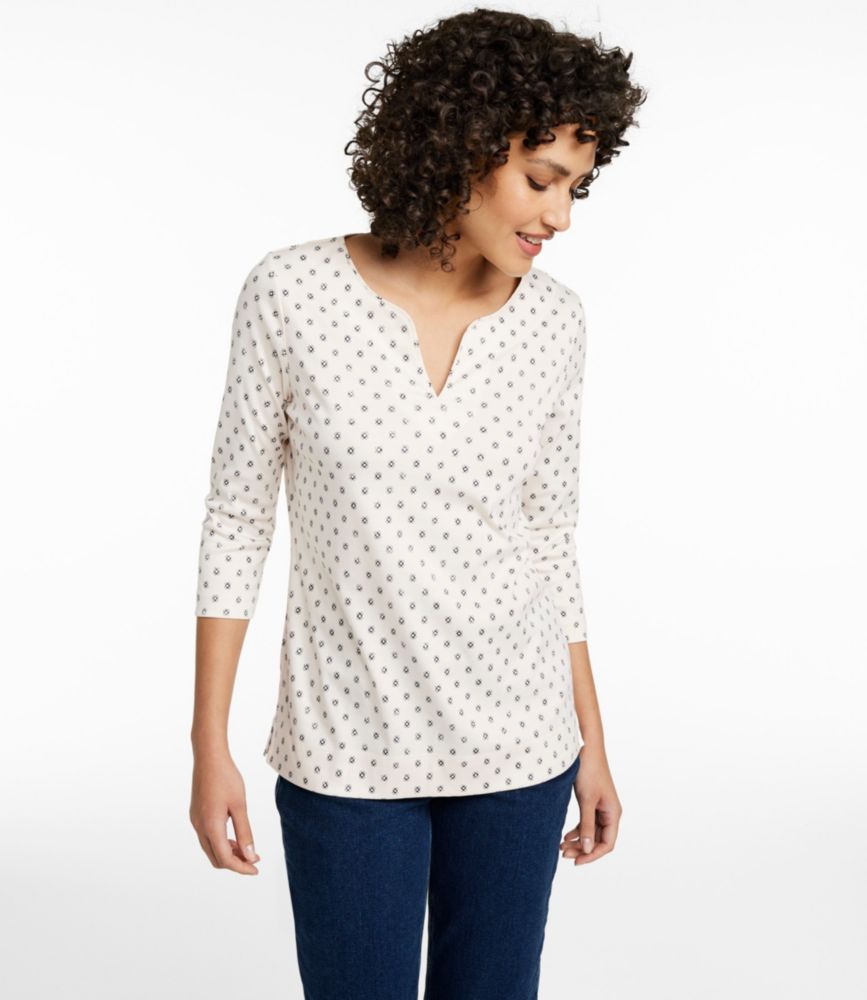
Women's Pima Cotton Tunic, Three-Quarter-Sleeve Splitneck Print
L.L.Bean Women's Pima Cotton Tunic, Three-Quarter-Sleeve Splitneck Print
A white printed tunic crafted from luxurious, American-grown Supima cotton with three-quarter sleeves and side slits.
(2,332)
$49.95 $23.99
SALE
What customers like:
Versatile and stylish design
Easy care and wrinkle-free
Soft, high-quality fabric
Comfortable fit
Beautiful prints and colors
$49.95 $23.99
SALE
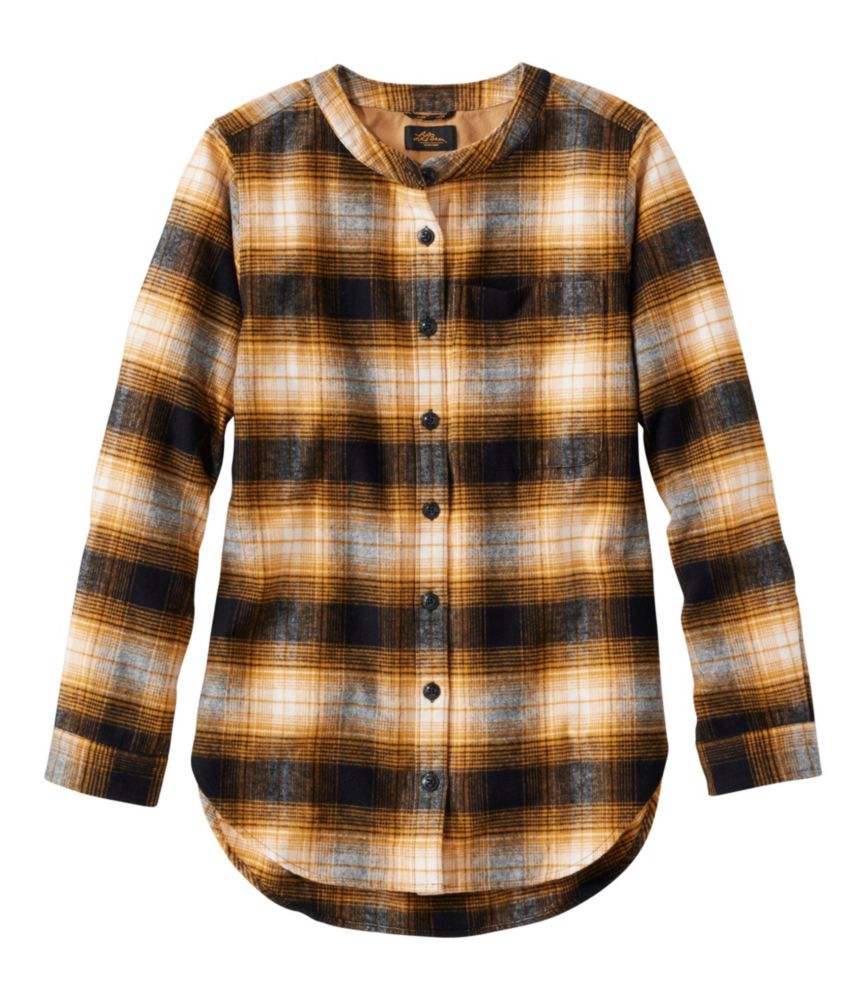
Women's Signature 1933 Collarless Chamois Tunic, Plaid
L.L.Bean Women's Signature 1933 Collarless Chamois Tunic, Plaid
A brown plaid, heavyweight Portuguese cotton flannel tunic, brushed for softness with a roomy, layered fit.
(0)
$99 $73.99
SALE
$99 $73.99
SALE

Women's Work Tunics

Women’s work tunics bring a longer silhouette to a work wardrobe, offering an alternative to a traditional shirt or blouse without calling for a completely different approach to getting dressed. A tunic is generally defined by its extended length, though its proportions, neckline and overall shape can vary considerably. Those differences help determine whether a style feels right for a particular workplace and a particular person. In a business-casual setting, a tunic paired with straight-leg trousers can create a simple, considered outfit; in a more relaxed workplace, the same general silhouette might be paired with dark jeans if the dress code allows. The appeal is in that balance of personal style and an appropriate work appearance, rather than in a single formula for looking professional. A clean neckline, a thoughtfully chosen length and a color that relates to the rest of a wardrobe can all contribute to an outfit that feels put together. Personal preferences matter just as much: some women favor a defined shoulder and a straighter outline, while others prefer a more generous shape. Neither approach needs to feel overly formal or overly casual when the proportions work well together. Someone who likes understated dressing may be drawn to a quiet, simple look, while someone whose work wardrobe includes patterns may prefer a tunic that adds visual interest above plain trousers. Jewelry, shoes and other finishing touches can change the overall impression without making the outfit complicated. Women’s work tunics are best understood as everyday wardrobe choices whose suitability depends on the individual garment and the expectations of the workplace, not as a substitute for required uniforms or specialized workwear. That distinction leaves plenty of room for timeless style while keeping the focus on clothing that fits the setting and feels true to the person wearing it.

Fit gives a tunic much of its character, especially because a longer hem changes the relationship between a top and the clothing worn beneath it. The same stated length can fall differently on women of different heights or torso proportions, making garment measurements more useful than a photograph alone. Shoulder placement, sleeve length and the shape through the waist and hips also influence how the finished outfit looks. A preference for a loose outline does not necessarily mean choosing a larger size; the intended cut and size information provide a clearer starting point. For a work wardrobe, there is value in considering the whole silhouette rather than judging the top on its own. A longer tunic above narrow trousers creates a different visual balance from a shorter tunic above a wider leg, and both depend on the wearer’s preferred proportions. A jacket adds another point of comparison: the relationship between the jacket hem and tunic hem may look deliberately layered or less defined, according to their lengths. Necklines deserve similar attention, particularly when a necklace or an open jacket is part of a familiar work outfit. Materials, construction and care are also meaningful considerations, but the word “tunic” does not establish any of those qualities. The fabric content, garment details and care label for each style are the appropriate sources for understanding what a particular choice involves. Fabric appearance can be difficult to judge from an overall image, so close-up views and written descriptions add useful context without relying on assumptions about the category. Likewise, durability cannot be determined by a longer silhouette or a work-oriented name. Clear information about an individual garment is more helpful than a broad promise. Care requirements matter most in the context of an actual routine: a preferred work top should be considered alongside the attention its label calls for, rather than with an expectation that all tunics can be washed, dried or pressed alike.

A well-considered work wardrobe does not have to be extensive to feel varied. Often, its character comes from repeating a few preferred shapes and changing the combinations around them. A tunic can become part of that approach when its length, color and detailing relate to pieces already worn regularly. Picture a favorite pair of charcoal trousers, a simple necklace and a top whose proportions feel familiar: the outfit has a clear direction without needing a different statement piece every day. For someone who prefers stronger contrasts, a darker top and lighter trousers create another visual arrangement, while similar shades give the outfit a more continuous line. These are matters of taste rather than rules, and the most useful choices reflect the way a person actually dresses for work. Details can make that connection more personal. A preference for an open neckline, a particular sleeve length or a plain rather than patterned appearance often says more about whether a tunic will be worn repeatedly than an unfamiliar styling suggestion. Women returning to a workplace, refining an established wardrobe or moving into a role with a different dress code may each approach the category with different priorities. The common starting point is an understanding of the work setting and the shapes they enjoy wearing. For wardrobes that include another top silhouette, women's work polos offer a related category to consider alongside tunics. A tunic may also be a thoughtful gift for someone whose size and clothing preferences are well known, especially when the giver understands the recipient’s preferred lengths and workplace expectations. Clothing is personal, so familiar tastes are a better reference than assumptions about what someone ought to wear. Whether chosen for oneself or another person, the lasting appeal of a work tunic lies in a considered match between style, proportions and everyday wardrobe preferences. Quality, versatility and an uncomplicated sense of style remain worthwhile priorities, with each garment’s own details providing the basis for the final choice.
Read More

FAQs