It's time to upgrade your browser

Your current browser is no longer supported on llbean.com. Please upgrade to one of the following for a smoother, safer shopping experience with us:

Women's Straight Leg Linen Trousers

Shop women's straight leg linen trousers for a classic alternative to tapered or wide-leg pants. Browse the selection and compare each pair’s fit, sizing and fabric details to find the right match for your wardrobe.
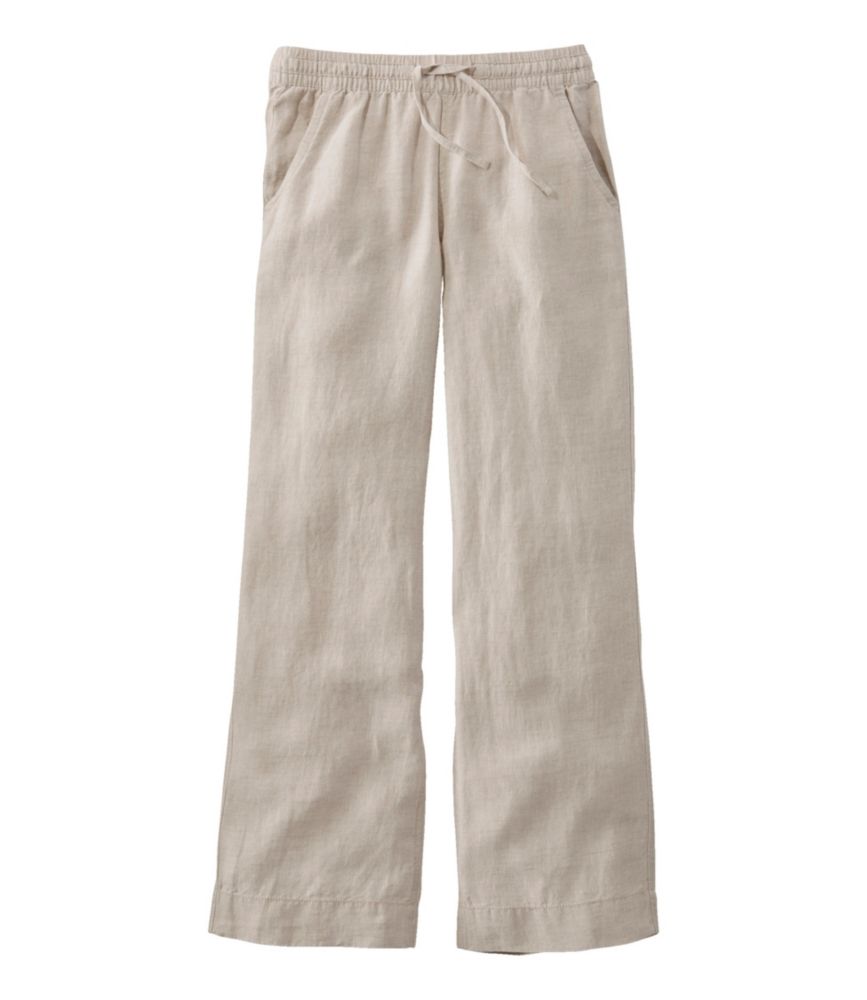
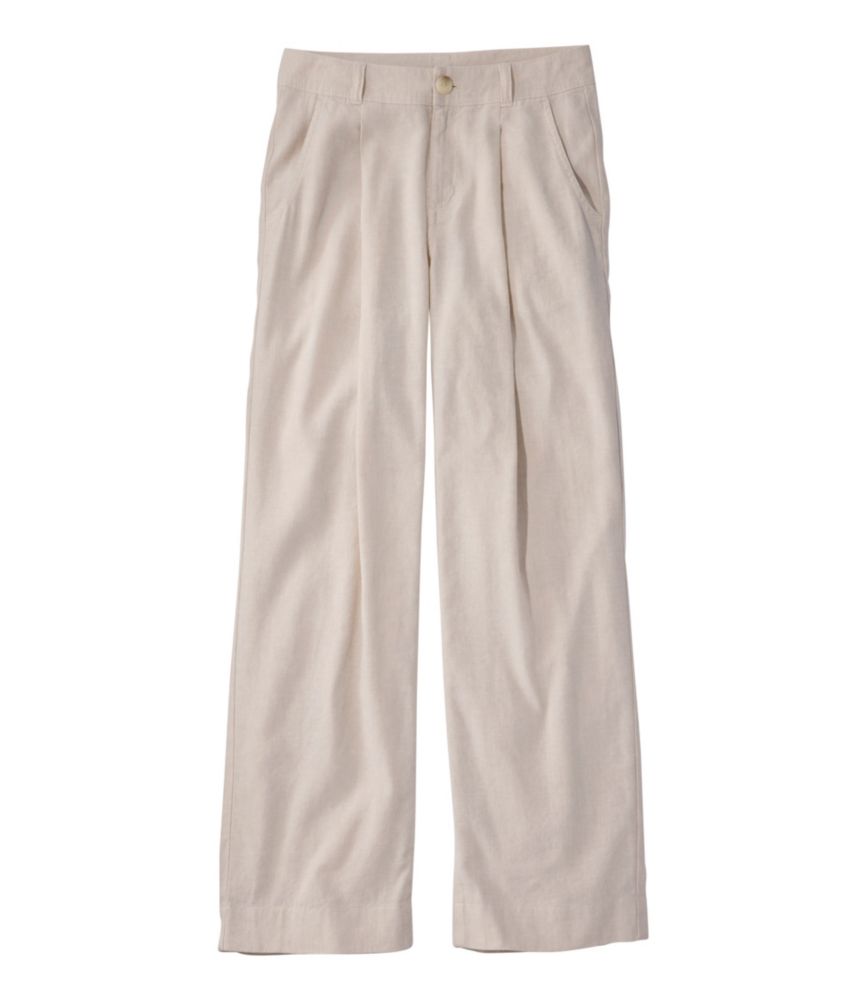
Women's Premium Washable Linen Pull-On Pants
L.L.Bean Women's Premium Washable Linen Pull-On Pants
Straight-leg pants in soft, washable white linen feature an elastic waistband, drawstring and relaxed fit.
(1,413)
$79.95 $79.95
SALE
What customers like:
Great fit
High quality fabric
Softness
Versatile
Comfortable
$79.95 $79.95
SALE
Women's Lakeside Linen-Blend Pants, Wide Straight-Leg
L.L.Bean Women's Lakeside Linen-Blend Pants, Wide Straight-Leg
Wide straight-leg pants in tan linen blend with relaxed fit, subtle stretch and trouser-style details.
(0)
$89.95 $59.99
SALE
$89.95 $59.99
SALE
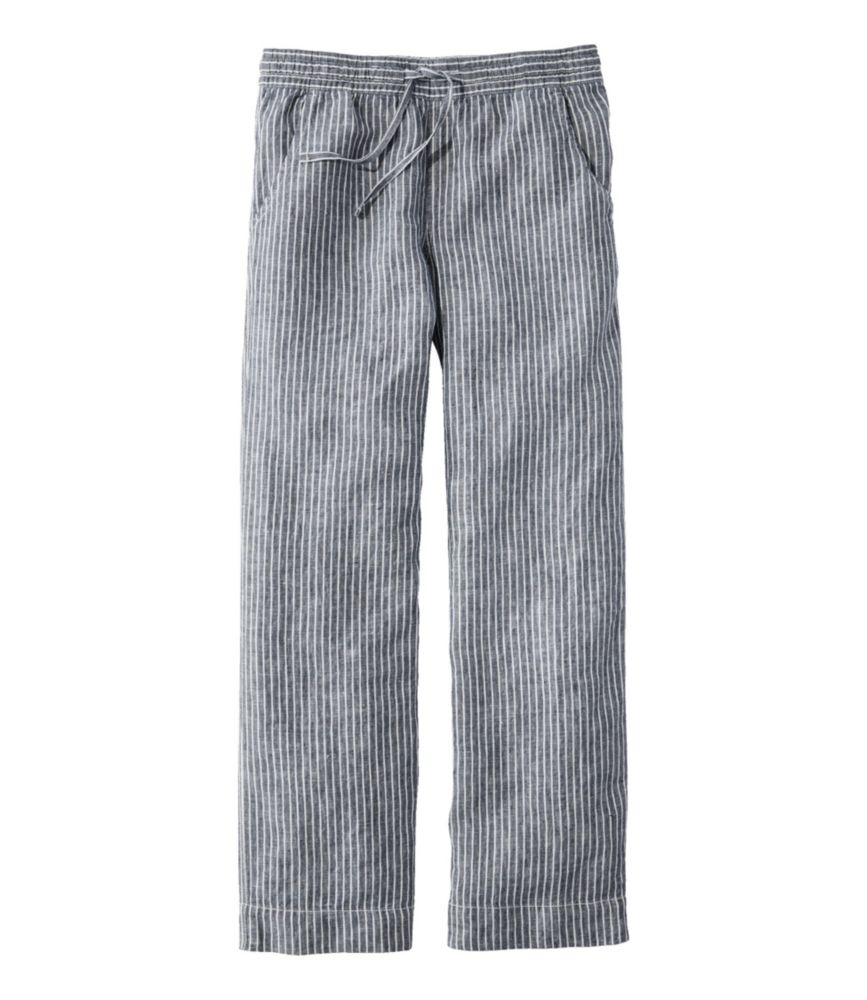
Women's Premium Washable Linen Pull-On Pants, Stripe
L.L.Bean Women's Premium Washable Linen Pull-On Pants, Stripe
A pair of blue striped linen pants with relaxed straight legs and an adjustable drawstring waist.
(681)
$89.95 $59.99
SALE
What customers like:
Durable quality
Versatile style
Soft fabric
Vibrant colors
Comfortable fit
$89.95 $59.99
SALE
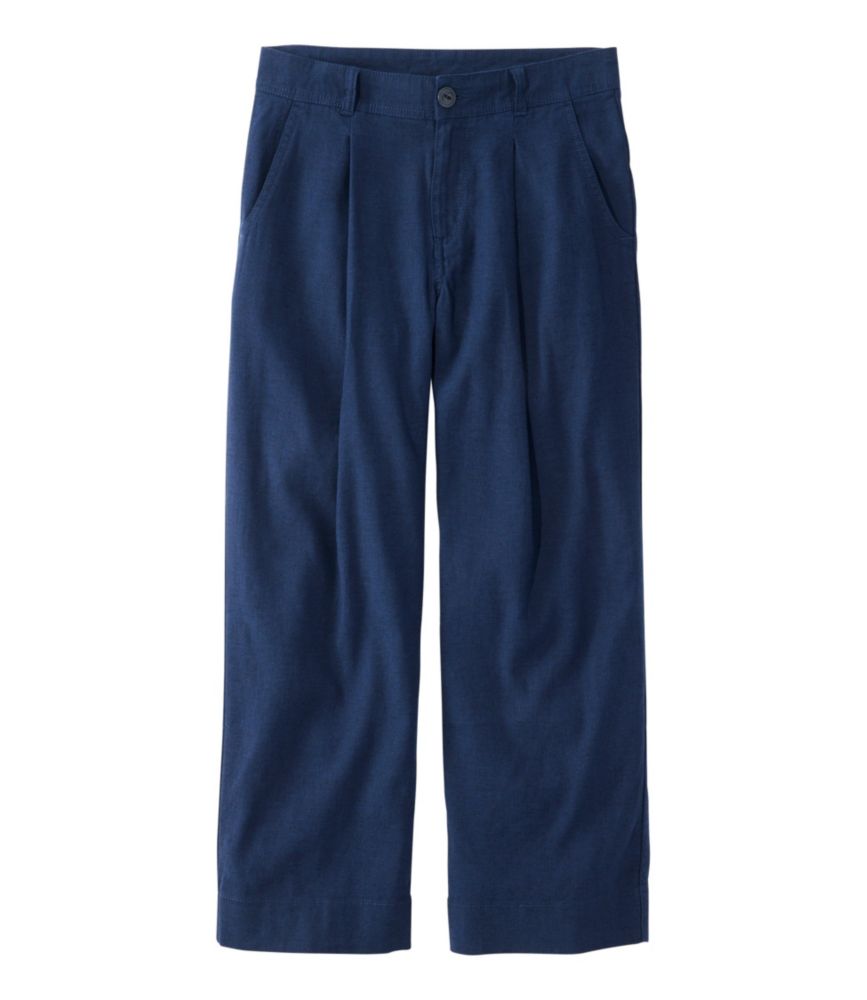
Women's Lakeside Linen-Blend Pants, Crop
L.L.Bean Women's Lakeside Linen-Blend Pants, Crop
Blue linen-blend crop pants with a relaxed, wide straight-leg fit and subtle stretch for cool comfort.
(0)
$89.95 $59.99
SALE
$89.95 $59.99
SALE
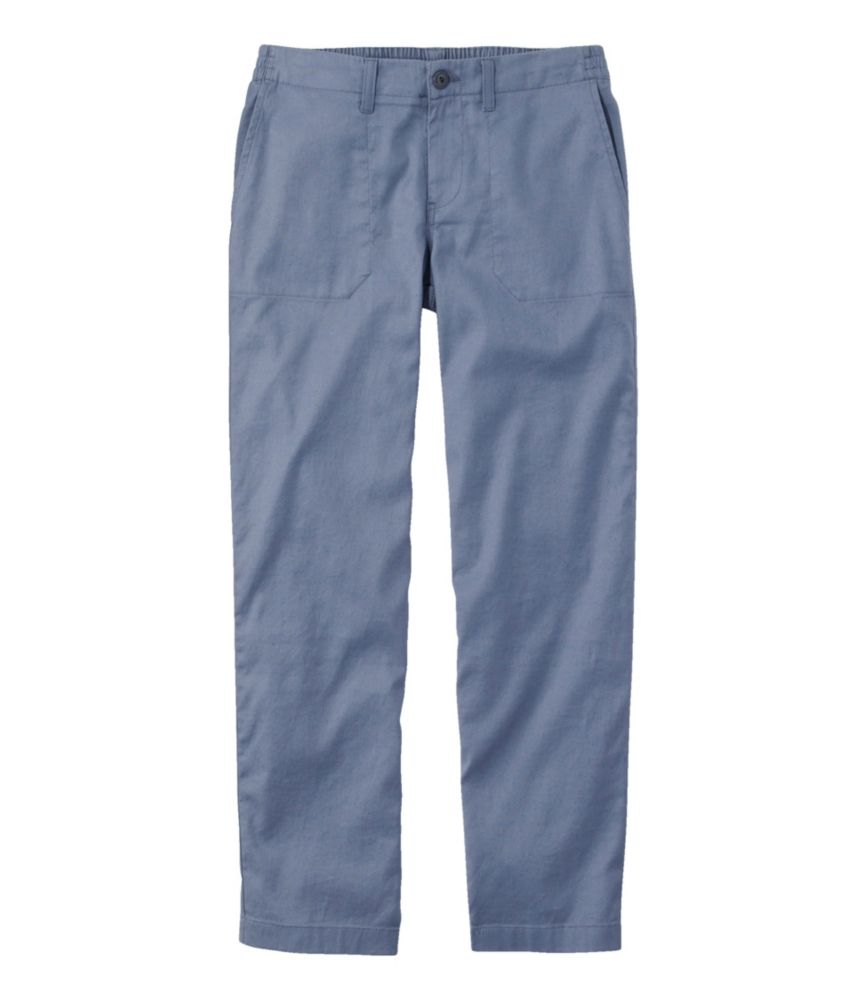
Women's Comfort Stretch Cotton/Linen Pants, High-Rise Ankle
L.L.Bean Women's Comfort Stretch Cotton/Linen Pants, High-Rise Ankle
An airy blue cotton-linen blend pant with stretch, high-rise fit, straight legs and comfortable elastic-back waistband.
(0)
$69.95 $34.99
SALE
$69.95 $34.99
SALE

Women's Straight Leg Linen Trousers

Women’s straight-leg linen trousers offer a classic silhouette with a clear, uncomplicated shape. The defining feature is the leg line: rather than narrowing noticeably toward the ankle or widening into a flare, a straight leg maintains a relatively consistent width through the lower leg. That distinction gives these trousers their familiar proportions, while leaving room for differences in rise, overall fit, and length. Straight-leg describes the silhouette, not how closely every part of the garment fits, so the measurements through the waist, hips, and thighs remain important. Two pairs with the same silhouette can look quite different when one sits higher at the waist or has a fuller cut above the knee. The most useful comparison starts with a pair of trousers that already fits the way you like. Its waist placement, inseam, and leg opening provide a practical reference alongside the individual size chart and fit description. The waistband deserves attention, too: its construction and closure help explain how the trousers are intended to sit, without relying on the silhouette name alone. Length changes the visual balance just as much as rise. A hem that ends near the ankle leaves more of the shoe visible, while a longer hem creates a different relationship between the trousers and footwear. Neither proportion is automatically better; the choice depends on your preferred look and the measurements of the garment. Picture the hem with the shoes you would actually pair with it, rather than judging length in isolation. A straight leg should also be distinguished from a wide leg: both can have an even line below the knee, but their overall width may differ considerably. Looking at the garment measurements and photographs together gives a clearer sense of that difference. For women who favor timeless shapes over elaborate detailing, this silhouette offers an appealing starting point, with the character of the finished outfit shaped by the cut, the proportions, and the pieces worn alongside it.

Linen is central to the identity of these trousers, but the material name is only one part of the information worth considering. The fabric-content statement establishes the actual composition; a description naming linen alone is different from one naming linen alongside other fibers. Those details matter more than assumptions based on a photograph or a category name. Fabric appearance, garment construction, and care requirements should be considered separately, since none can be established completely from the word linen. Close-up images can help show the surface and finishing, while the written description supplies details that are not visible on a screen. Seams, hems, waistband finishing, and any pockets or closures mentioned in the description are useful points of comparison. These are details to assess, rather than reasons to assume that every pair is constructed alike. A cleanly finished hem and an orderly waistband can be part of the appeal of a simple trouser design, where the shape is more prominent than decoration. Durability is another consideration best grounded in the individual garment’s construction and care information, not a blanket promise about the entire category. Following the care label helps keep decisions about washing, drying, and pressing tied to the actual trousers. Linen content alone does not establish whether a garment should be machine washed, hand washed, or professionally cleaned, and it does not supply the appropriate settings for drying or ironing. Keep the label’s directions together with any additional care information in the product description, rather than substituting a general rule for linen clothing. If alterations are being considered, the garment’s care directions and finished measurements are useful information to share with a tailor before choosing the final length. Even a modest change at the hem can alter how the straight leg looks over a shoe. Attention to these less visible details makes comparison more meaningful: the fabric statement explains what the trousers contain, the fit information explains their proportions, and the care directions explain how to look after that particular garment.

The styling appeal of straight-leg linen trousers lies in the way a straightforward shape leaves room for personal preference. A tucked shirt draws attention to the waist and makes the relationship between the rise and leg length more apparent. An untucked top shifts the emphasis toward the hemline of the shirt and the portion of the trousers visible beneath it. A shorter top creates one set of proportions; a longer layer creates another. These small choices can change the overall impression without changing the trousers themselves. Footwear provides another point of contrast. A low-profile shoe keeps the outline understated, while a more substantial shoe adds visual weight beneath the straight hem. It helps to consider the whole outfit together, especially where the trouser hem meets the shoe, rather than expecting the silhouette to produce the same effect with every combination. The same principle applies to details: a belt, a collar, or a simple accessory can become more noticeable against an otherwise uncomplicated outfit. There is no need to build a completely different wardrobe around one shape. Familiar tops and footwear provide a useful starting point for deciding whether the proportions feel like your own style. The related selection of Straight Leg Linen Pants offers another way to explore this classic silhouette. When considering trousers as a gift, familiarity with the recipient’s preferences is especially valuable. Knowing the rise and length they usually choose is more helpful than assuming a size label tells the whole story, and a straight-leg shape is most thoughtful when it reflects a style they already enjoy. For any shopper, the strongest choice comes from bringing together the details that matter personally: the stated linen content, the waistband design, the measurements, the finishing, and the care requirements. The result is a considered approach to a timeless trouser shape, with room for individual taste rather than a single prescribed way to wear it.

FAQs