It's time to upgrade your browser

Your current browser is no longer supported on llbean.com. Please upgrade to one of the following for a smoother, safer shopping experience with us:

Women's Shoes For Nurses

Find women’s shoes for nurses with your workplace’s footwear requirements in mind. Explore the selection for styles that suit your preferences, and check each pair’s product details and sizing information against your dress code before choosing.
Read More
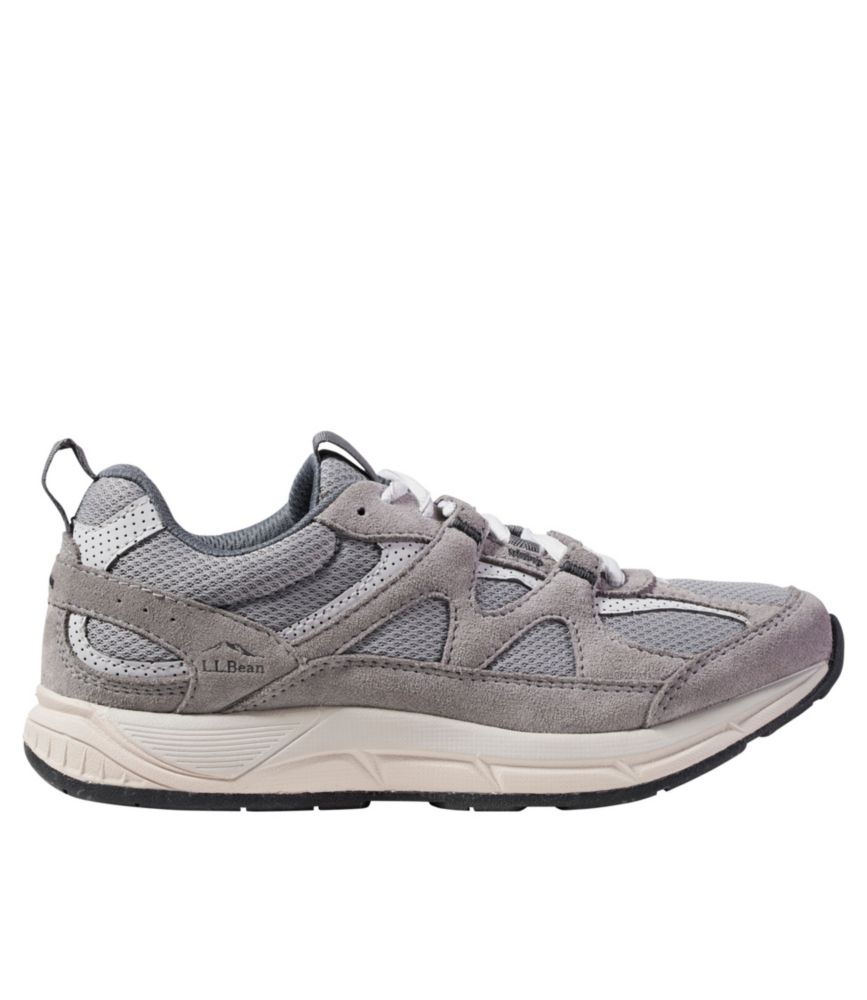
Women's Comfort Walkers 2, Ventilated
L.L.Bean Women's Comfort Walkers 2, Ventilated
A lightweight gray walking shoe with water-resistant suede, thermoregulating lining, and VertiGrip rubber outsole.
(0)
$110 $110
SALE
$110 $110
SALE
Women's On Cloud 6 Shoes
On Women's On Cloud 6 Shoes
A lightweight blue sneaker with a breathable recycled mesh upper, cushioned CloudTec® midsole, and durable rubber outsole.
(0)
$150 $150
SALE
$150 $150
SALE
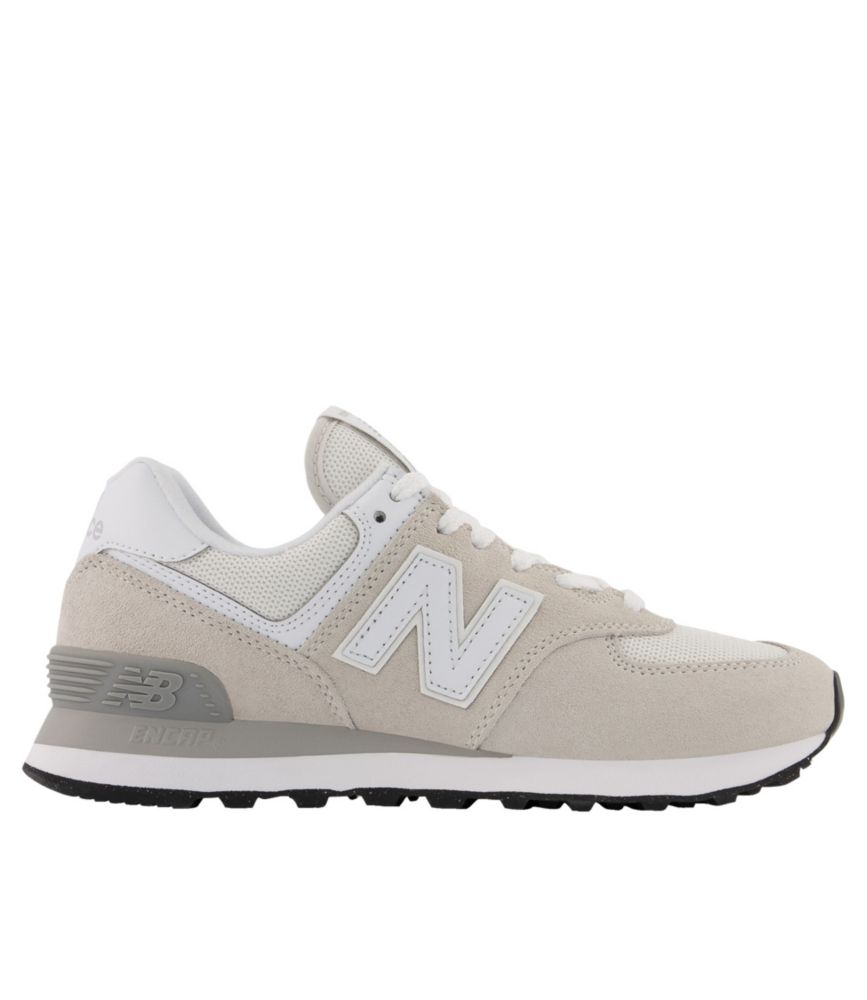
Women's New Balance 574V3 Walking Shoes
New Balance Women's New Balance 574V3 Walking Shoes
A versatile walking shoe in Natural Indigo with suede, nylon accents, and ENCAP® midsole technology.
(95)
$89.99 $89.99
SALE
What customers like:
Accommodates arch supports
Wider toe box
Comfortable fit
$89.99 $89.99
SALE
Women's 1985 Mountain Classic Sneakers
L.L.Bean Women's 1985 Mountain Classic Sneakers
A gray sneaker with water-resistant suede, recycled mesh, and cushioned insole for all-day outdoor comfort.
(0)
$110 $79.99
SALE
$110 $79.99
SALE

Women's Shoes For Nurses

Women’s shoes for nurses are a personal choice shaped by workplace requirements, individual fit, and the way a nurse likes to dress for the day. A pair that looks right with one uniform may not meet another employer’s dress code, and a familiar size does not tell the whole story about fit. This collection offers a place to begin comparing footwear with those details in mind, whether choosing a first pair for a nursing role or reconsidering an established work wardrobe. Before narrowing the choices, check the written footwear requirements for the specific workplace, including any rules about color, shoe shape, or coverage. A photograph can help with appearance, but the individual product description is the place to confirm construction and intended use. Shoes included in a nursing-themed collection should still be evaluated against the requirements of the job rather than assumed to meet every clinical setting’s standards. Nurses working in different departments or facilities may receive different guidance, even when their uniforms look much the same. Beyond those requirements, personal style has a place in the decision. Some people prefer an understated look that keeps the uniform visually consistent; others have more freedom to choose footwear that reflects their own taste. Consider the overall shape of the shoe, the amount of visible detailing, and how the color works with the clothing already worn to work. A simple design can be appealing without being the same choice for everyone. The goal is to narrow the collection to shoes worth a closer look, using actual workplace expectations and personal preferences rather than a single universal description of the best nursing shoe. For someone preparing for a new role, having the uniform policy beside the product details can make that comparison more focused and prevent appearance from becoming the only deciding factor.

Fit deserves its own attention when comparing women’s nursing shoes, particularly when moving away from a familiar footwear style. Start with current foot measurements and the size guidance provided for each pair instead of treating the number printed inside an older shoe as a complete reference. Read any fit notes carefully, including information about width and how the sizing is described. Two shoes labeled with the same size may not feel alike, and a different outline can change where the foot meets the shoe. During a try-on, wear the type of socks normally worn with the work uniform and check both feet. Notice where the toes sit, whether the heel moves unexpectedly, and whether any part of the shoe presses against the foot. An initial impression while seated is only part of the picture; follow the retailer’s try-on guidance when assessing the fit while standing and taking a few steps. If prescribed inserts are part of an established routine, consult the relevant product information and the professional who recommended them rather than assuming compatibility. Materials and construction also belong in the comparison, but those details should come from the individual shoe’s description. Appearance alone cannot establish what a shoe is made of or how it should be maintained. Review the listed composition, care directions, and any stated limitations before deciding, especially when workplace footwear procedures are specific. Routine shoe care and workplace cleaning protocols are not interchangeable, so follow the employer’s requirements alongside the manufacturer’s instructions. Avoid assuming that a cleaning method used on a previous pair will be appropriate for a replacement. Durability is another consideration best approached through the details of the individual shoe rather than a promise about how long any pair will last. Wear patterns, frequency of use, and care routines differ from person to person. Keep the care information accessible, inspect footwear regularly, and follow applicable workplace guidance about replacement. These details give the choice more substance than a photograph or a familiar size alone.

Choosing shoes for a nursing wardrobe can also mean deciding what to keep consistent and what to reconsider. Someone replacing a familiar pair may want a similar visual style while taking a fresh look at measurements and fit notes. A nurse starting at a different facility may need to revisit the dress code before choosing the same footwear again. A nursing student preparing for clinical placement should use the program’s specific instructions, which may differ from those of a later employer. In each case, a short list of confirmed requirements makes browsing more purposeful: the permitted appearance, the appropriate size information, and the individual shoe’s stated details. Keep those requirements separate from preferences such as a favorite silhouette or a particular amount of detailing. That distinction makes it easier to see which choices deserve further consideration without allowing an appealing photograph to outweigh an important requirement. For a broader look at the category, Best Shoes for Healthcare Workers offers another place to continue browsing with the same individual needs in mind. Footwear can also be a thoughtful gift for a nurse marking graduation, beginning a position, or celebrating a professional milestone, though it is a choice best made with the recipient’s input. Knowing someone’s usual shoe size is helpful, but their workplace rules and fit preferences matter just as much. Choosing together can preserve the thoughtfulness of the gift while leaving the final decision with the person who will wear it. For personal shopping or a shared gift decision, take time to compare the details that are easy to overlook: a width designation, a fit recommendation, or a care instruction that differs from the routine already in place. Women’s shoes for nurses do not need to follow one look or one set of personal preferences. A considered choice starts with the individual nurse, respects the workplace’s requirements, and treats each pair’s product information as the basis for the decision.
Read More

FAQs