It's time to upgrade your browser

Your current browser is no longer supported on llbean.com. Please upgrade to one of the following for a smoother, safer shopping experience with us:

Women's Everyday Knit Polo Shirts

Find women's everyday knit polo shirts that bring classic collared style to your wardrobe. A timeless alternative to a tee, a knit polo pairs naturally with jeans, chinos or a favorite skirt—giving you a simple starting point for everyday outfits.
Read More
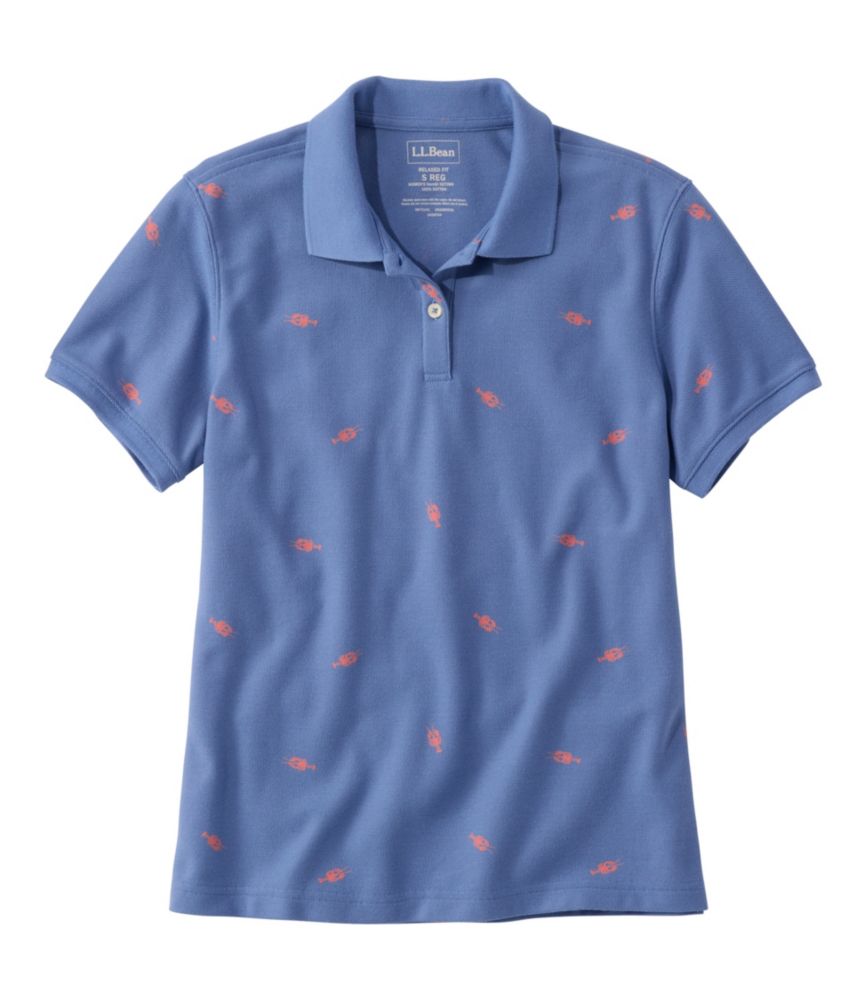
Women's Premium Double L Polo, Short-Sleeve Relaxed Fit Novelty
L.L.Bean Women's Premium Double L Polo, Short-Sleeve Relaxed Fit Novelty
A blue cotton polo with relaxed-fit honeycomb knit and no-roll collar, resisting pilling, shrinking and wrinkles.
(0)
$49.95 $29.99
SALE
$49.95 $29.99
SALE
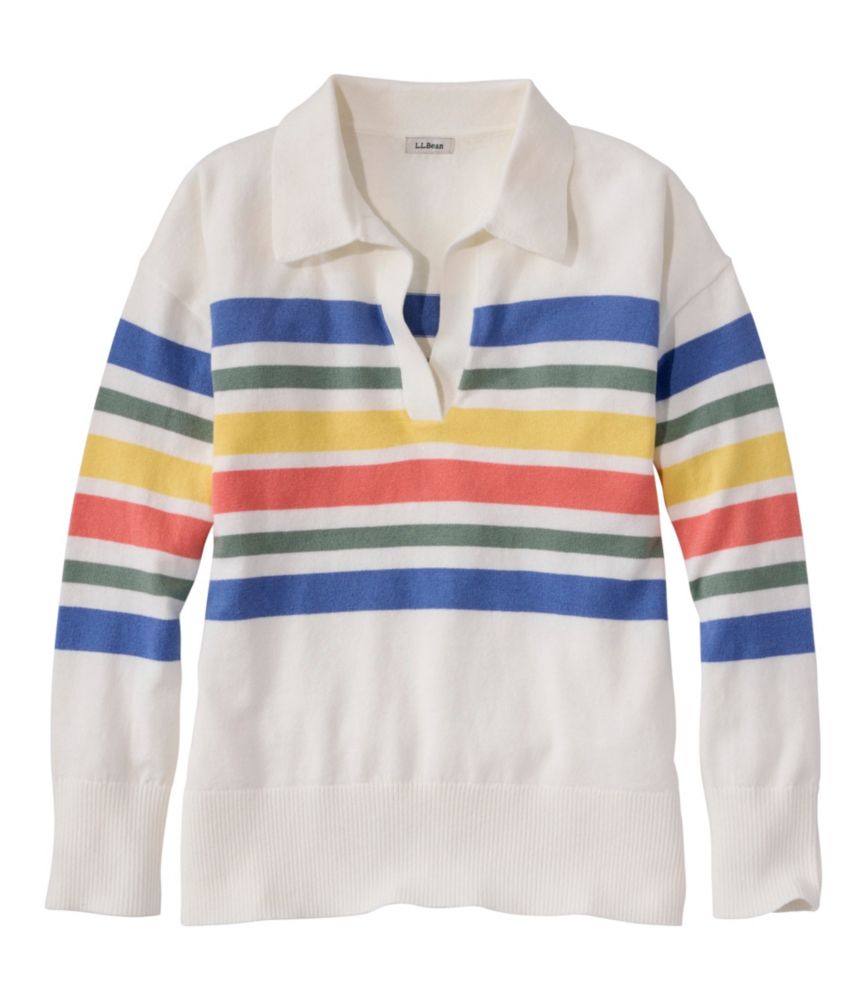
Women's Cotton/Cashmere Sweater, Polo Stripe
L.L.Bean Women's Cotton/Cashmere Sweater, Polo Stripe
A soft cotton-cashmere polo sweater with a white stripe pattern, lightweight warmth, and machine-washable convenience.
(0)
$79.95 $54.99
SALE
$79.95 $54.99
SALE
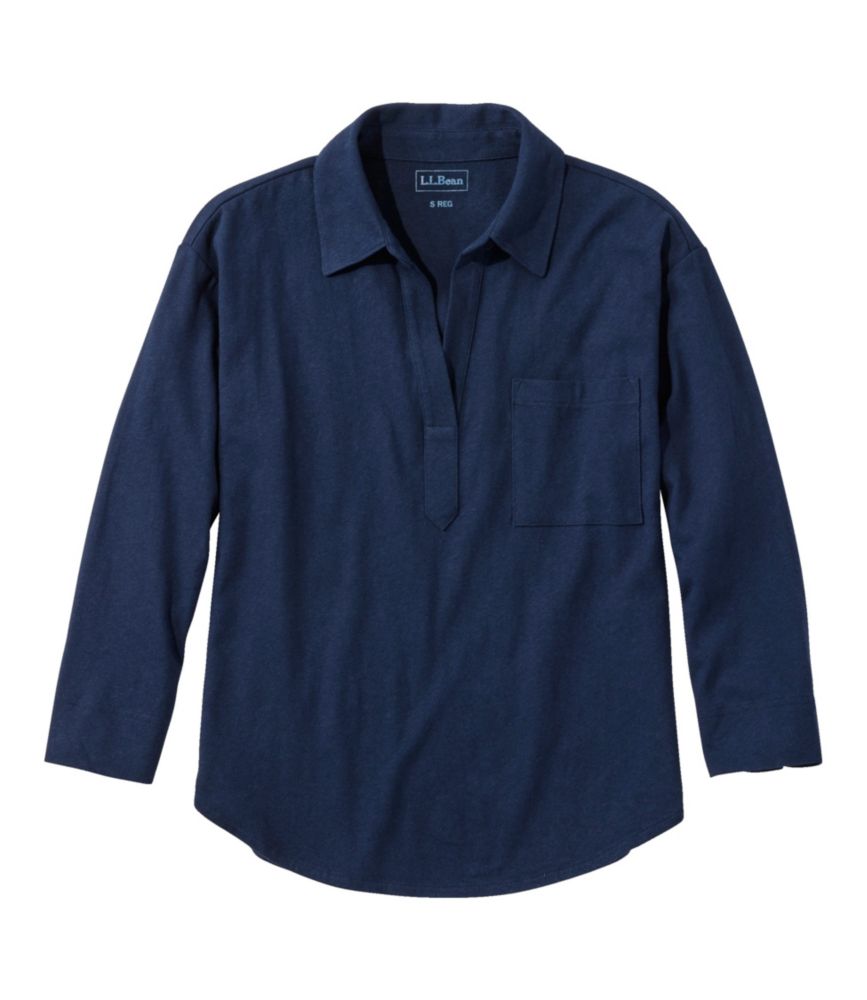
Women's Lakeside Linen/Cotton Tee, Three-Quarter-Sleeve Splitneck Polo
L.L.Bean Women's Lakeside Linen/Cotton Tee, Three-Quarter-Sleeve Splitneck Polo
A cool, breathable blue linen-cotton splitneck polo with three-quarter sleeves and relaxed fit.
(0)
$69.95 $44.99
SALE
$69.95 $44.99
SALE
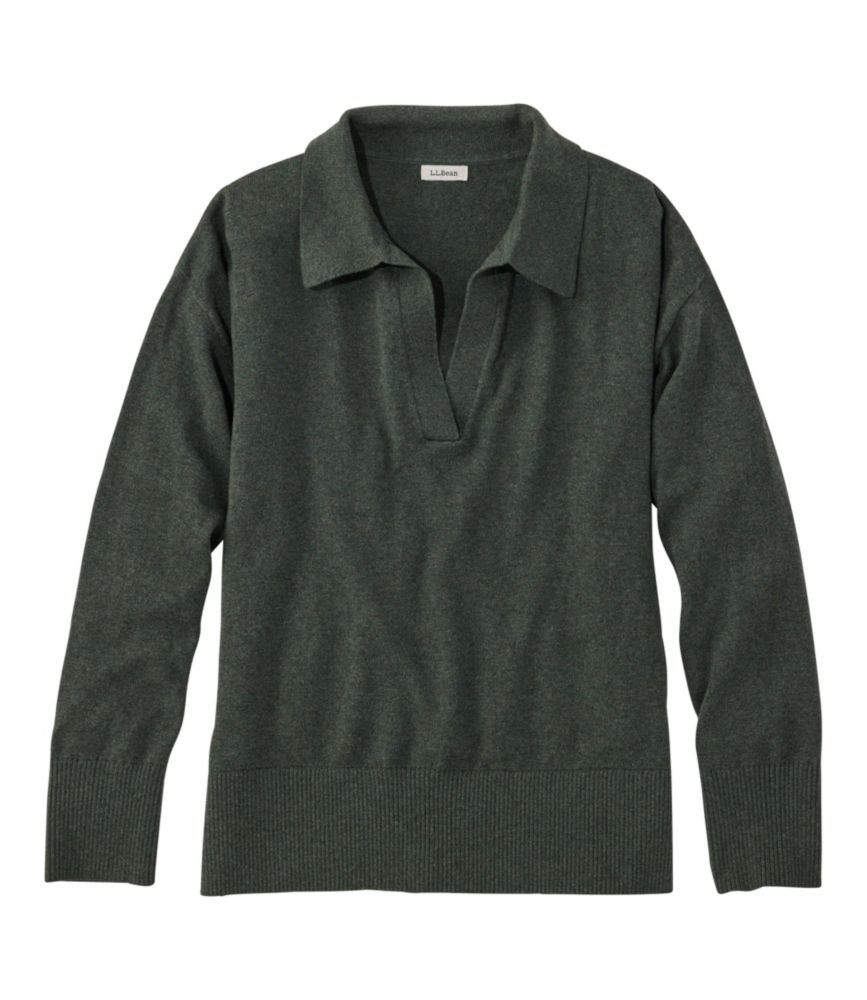
Women's Cotton/Cashmere Sweater, Polo
L.L.Bean Women's Cotton/Cashmere Sweater, Polo
A soft green cotton-cashmere polo sweater offering lightweight warmth, machine washing, and a flattering split neckline.
(0)
$69.95 $69.95
SALE
$69.95 $69.95
SALE
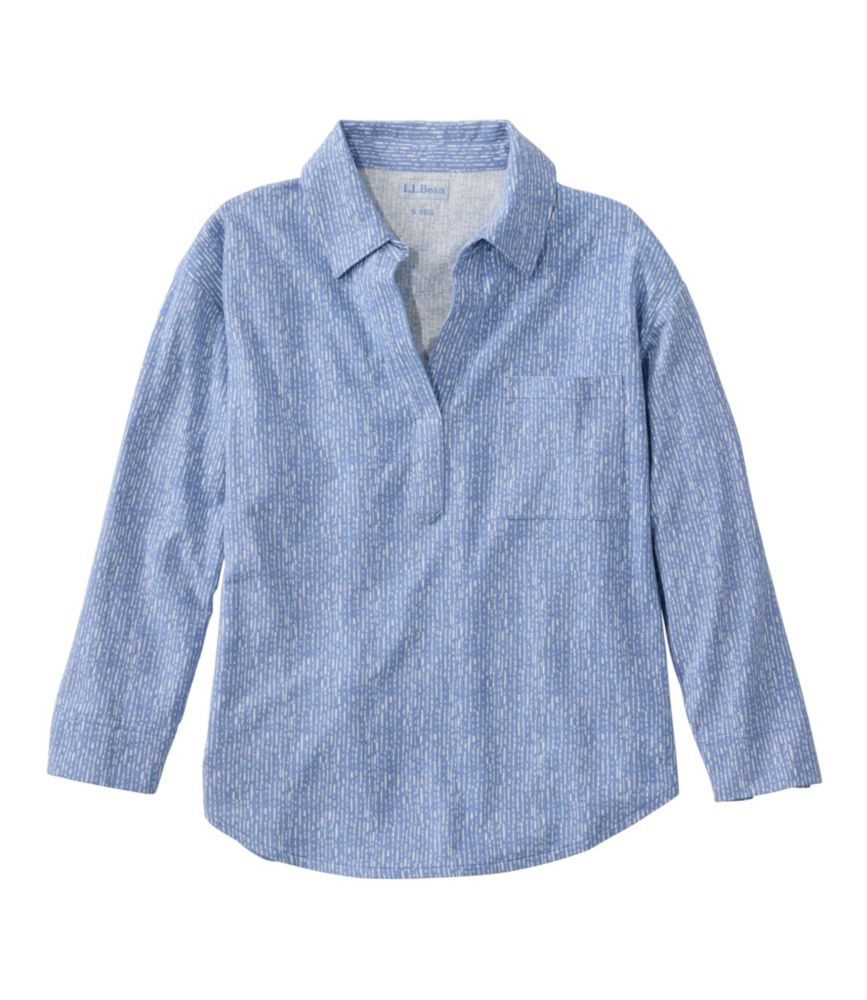
Women's Lakeside Linen/Cotton Tee, Three-Quarter-Sleeve Splitneck Polo Print
L.L.Bean Women's Lakeside Linen/Cotton Tee, Three-Quarter-Sleeve Splitneck Polo Print
A blue, lightweight linen-cotton knit polo with a splitneck, three-quarter sleeves, chest pocket, and rounded hem.
(0)
$79.95 $54.99
SALE
$79.95 $54.99
SALE

Women's Everyday Knit Polo Shirts

Women's everyday knit polo shirts bring a familiar collared shape to an everyday wardrobe, with a look that sits between a simple tee and a more structured button-front shirt. The defining details are straightforward: a collar that frames the neckline, a short front opening, and a knit body. Together, those elements give the polo its recognizable character without requiring much ornament. A collar can provide a distinct outline beneath a jacket, while the front opening allows for small changes in how the neckline looks. Worn with jeans, a polo creates a simple combination with a little more definition at the neck; paired with straight-leg pants, the same shirt takes on a different balance. The appeal lies in that clear, uncomplicated design rather than an elaborate outfit. Small differences still matter. The width of the collar, the depth of the opening, the placement of buttons, and the shape of the hem can each influence the overall impression. A narrower collar creates a different frame around the face than a broader one, just as a shorter placket changes the amount of detail visible at the front. Sleeve length and sleeve shape also contribute to the silhouette, making them useful details to compare in individual descriptions and photographs. Color and pattern are personal choices rather than rules: a shirt might echo another shade in an outfit, provide a clear contrast, or become the main visual detail against simpler separates. Keeping the rest of the outfit understated lets the collar and knit texture remain part of the picture. For someone who prefers familiar wardrobe pieces with a distinct identity, the polo offers an established shape that leaves plenty of room for individual expression. Its character comes through in proportions and finishing details, so choosing one can be less about reinventing a wardrobe and more about finding a version that feels consistent with the clothes already worn most often.

Fit plays an important part in how an everyday knit polo shirt looks, especially around the shoulders, neckline, sleeves, and hem. A size label is a starting point, while the individual fit description and measurements provide more useful context. The shoulder seam, when the design includes a conventional set-in sleeve, helps show where the shirt is intended to sit. Through the body, the relationship between the garment's measurements and the wearer's measurements affects whether the outline appears closer or more relaxed. Neither approach is the only right choice; the important distinction is whether the proportions match the look someone prefers. A shirt worn untucked puts more attention on the hem and its position relative to the waistband. A tucked presentation shifts the emphasis toward the waist and the amount of fabric above it. Looking at those details alongside a familiar pair of pants can make the differences easier to picture. Sleeve openings deserve similar attention, since their width and placement contribute to the shape of the upper half of an outfit. Product photographs are helpful for seeing design details, but they work best alongside the stated measurements rather than in place of them. Knit describes fabric construction, not a single fiber content, so the composition in each shirt's description remains an important point of comparison. The word alone does not establish how a particular garment will feel or how it should be cared for. That distinction leaves room to choose according to individual preferences without assuming that every knit polo is alike. Someone buying a gift may find a frequently worn shirt a more useful reference than a guessed size, particularly when comparing length, shoulder placement, and body measurements. Personal taste matters just as much: a familiar neckline, a preferred sleeve length, or a simple design can make a thoughtful starting point for a mother, sister, partner, or friend who already enjoys wearing polos.

Care and construction are part of the everyday picture, too, and the most useful information belongs to the individual garment. The care label is the reference for cleaning, drying, and any finishing instructions; one polo's directions should not be assumed to apply to another simply because both are knit. For someone choosing a shirt, those instructions are worth considering alongside appearance and fit, since care preferences are part of what makes clothing a good match for a household. A closer look at the product description can also clarify details that photographs may not fully show, including fabric composition, seam placement, and the treatment of the collar, cuffs, or hem. Quality is not a single visible feature, and lasting wear should not be inferred from a neat photograph or a familiar silhouette alone. Specific construction information offers a firmer basis for comparison than broad promises about durability. In a wardrobe, the polo's visual role is easier to understand: it brings a collar and a defined neckline to combinations that might otherwise begin with a plain tee. A simple necklace can follow the opening at the neck, while a belt can give a tucked shirt a more defined finish. Leaving the shirt untucked creates a different outline, with the hem becoming part of the overall composition. These small choices let the same general shirt style reflect different tastes without making the outfit feel complicated. For a related collection centered on a named fiber, explore women's cotton polos for everyday wear. Across everyday knit polo shirts, the most meaningful differences remain the ones that matter to the person wearing them: the collar shape, the proportions, the listed fabric, and the care routine. A well-considered choice starts with those concrete details and ends with a shirt that looks at home among familiar favorites, rather than one that calls for an entirely different wardrobe.
Read More

FAQs