
It's time to upgrade your browser

Your current browser is no longer supported on llbean.com. Please upgrade to one of the following for a smoother, safer shopping experience with us:

Women's Cotton Vests

Explore women's cotton vests to find a style that fits your wardrobe. Compare the available designs, and check each vest’s cotton content, fit and care details to help you choose the right one for you.
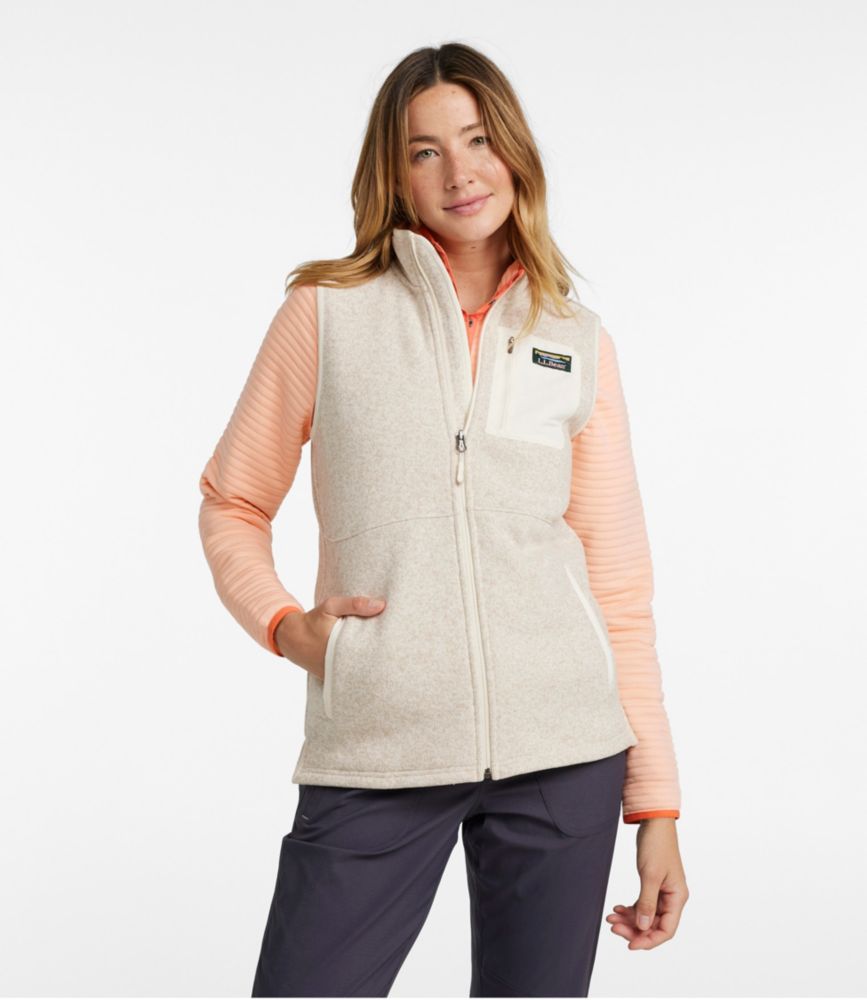
Women's L.L.Bean Sweater Fleece Long Vest
L.L.Bean Women's L.L.Bean Sweater Fleece Long Vest
A white fleece vest with sweater-knit exterior, brushed interior, wind flap, and zippered pockets for warmth.
(1,871)
$79.95 $79.95
SALE
What customers like:
Perfect fit
Good quality
Warmth
Stylish
Comfortable
$79.95 $79.95
SALE

Women's Cotton Vests

Women’s cotton vests bring a familiar fabric and a distinctive sleeveless silhouette to a thoughtfully chosen wardrobe. Cotton identifies the fiber, while details such as neckline, length and shape give a vest its individual character. That distinction matters: a preference for cotton is a starting point, but the overall look depends on much more than the material name. A V-shaped neckline creates a different outline from a rounded neckline, just as a straight hem changes the proportions of an outfit differently from a shaped hem. A visible front closure adds another design element, while an uninterrupted front keeps the attention on the silhouette. These are useful distinctions for anyone drawn to classic clothing with a personal point of view. Rather than treating every cotton vest as interchangeable, consider how its proportions relate to the pieces already in a wardrobe. A favorite shirt collar, a familiar trouser shape or a preferred skirt length can provide a clearer reference than an outfit assembled entirely from unfamiliar pieces. Color and pattern also influence the result. Closely related shades create a quieter combination, while contrasting shades make the vest’s outline more noticeable. A patterned shirt introduces another visual element; a solid shirt leaves more attention on the vest itself. Neither approach requires a complete wardrobe change. The appeal is in choosing a shape and combination that feel like a natural expression of personal style. For shoppers comparing cotton clothing, the fabric-content label provides the exact cotton percentage rather than leaving that detail to assumption. The garment description supplies the corresponding information about construction and design. Together, those details offer a more complete picture than the category name alone. Women’s cotton vests are best considered through that combination of material, proportion and individual taste, with timeless style taking precedence over a look that depends on passing trends.

Fit gives those design choices their context. The same vest can have a different visual effect depending on where the shoulder seam sits, how the front falls and where the hem meets the waistband beneath it. A size label is only part of that picture, since sizing conventions and intended silhouettes can differ. Body measurements, garment measurements and the accompanying fit description each provide different information. Body measurements help establish a size reference; garment measurements describe the finished piece. When both are provided, keeping that distinction in mind makes comparisons more meaningful. A well-loved vest or similarly shaped garment can also offer a useful point of reference, especially when its length and proportions already suit the wearer’s preferences. Looking at the full outline matters more than focusing on a single measurement. A shorter hem draws attention to a different part of an outfit than a longer one, and a closely defined shape gives a different impression from a straighter silhouette. The relationship between the neckline and a shirt collar deserves equal attention. A collar visible above the vest becomes part of the finished look, while a simple neckline underneath keeps the outline less detailed. Front closures, when present, influence the appearance as well: their placement, spacing and scale contribute to the garment’s character. None of these details needs to be elaborate to be distinctive. Often, a balanced combination of hem length, neckline and familiar wardrobe pieces is what makes an outfit feel considered. Shoppers interested in a related category can also explore women's vest tops while keeping the same preferences in mind. The most useful comparison is not simply between two size labels or two photographs, but between the proportions described and the silhouette the wearer enjoys. That approach leaves room for individual taste rather than suggesting that one cut, length or styling choice is right for everyone.

Quality and care are another part of choosing cotton vests thoughtfully. Construction details worth considering include the finish of the seams, the evenness of the hem and the way any closures are attached. These details help distinguish the making of a garment from its appearance in a photograph, though no single feature establishes how long a piece will last. Durability depends on the complete garment and its treatment over time, not cotton content alone. Fabric information and care instructions therefore belong alongside fit and style in the decision. Cotton content does not establish one universal washing routine, and the complete care label remains the reference for cleaning, drying and pressing. Before a first wash, it is worth checking the full set of instructions rather than relying on habits developed with another cotton garment. Trim, closures and other construction details may carry their own directions. The same attention applies when deciding whether a garment’s care requirements fit an established laundry routine. A piece that calls for a different approach deserves that consideration before it becomes part of the wardrobe. Keeping the care information accessible also makes it easier to return to the correct directions later. For anyone choosing a cotton vest as a gift, these practical details are just as valuable as the visual ones. Familiarity with the recipient’s usual size is helpful, but a favorite neckline, preferred hem length or frequently worn color can make the choice more personal. Someone who favors understated combinations may appreciate a different look from someone who enjoys visible contrast or distinctive details. A known preference for cotton provides another meaningful starting point without requiring assumptions about fabric feel or performance. Where possible, the recipient’s own wardrobe offers the clearest clues: the shapes worn repeatedly, the collars chosen often and the proportions that appear across favorite outfits. Whether selected personally or given with care, a cotton vest has the strongest connection to a wardrobe when its material, design and care requirements align with the wearer’s preferences. Those everyday considerations give classic style its personal character.

FAQs