It's time to upgrade your browser

Your current browser is no longer supported on llbean.com. Please upgrade to one of the following for a smoother, safer shopping experience with us:

Wide Trail Shoes

Find wide trail shoes with more room across the foot than standard-width options. Explore the selection and compare each pair’s sizing guidance and product details to choose the right fit for you.
Read More
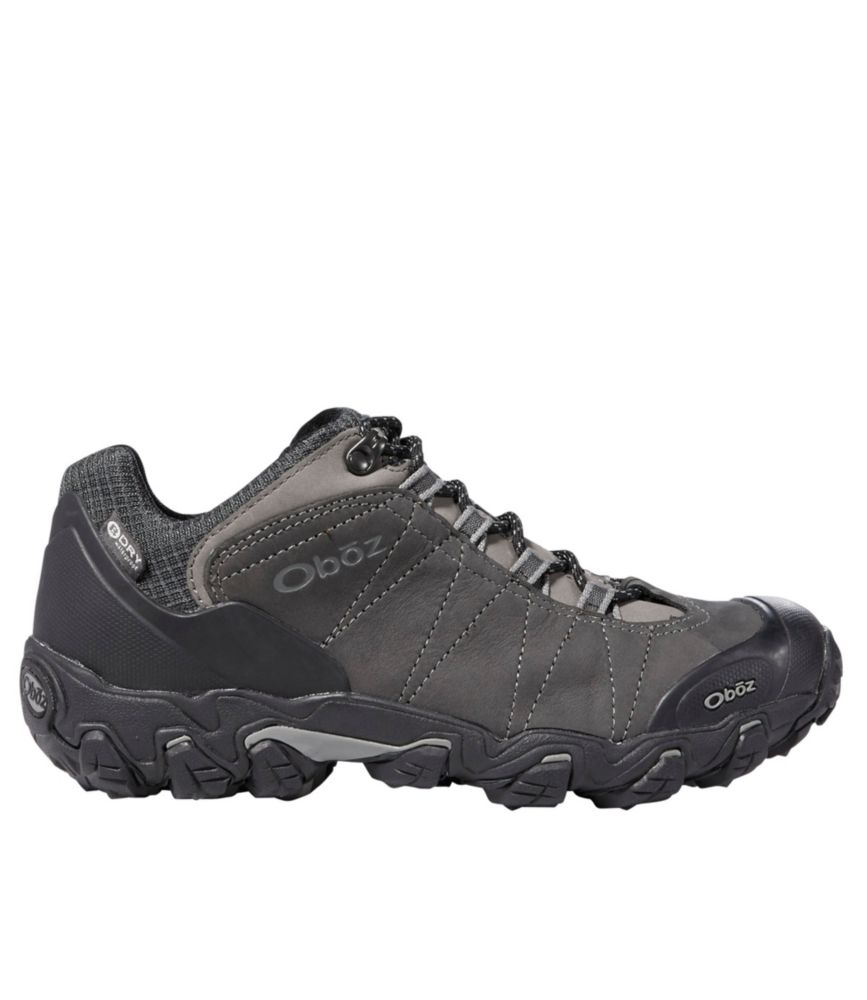
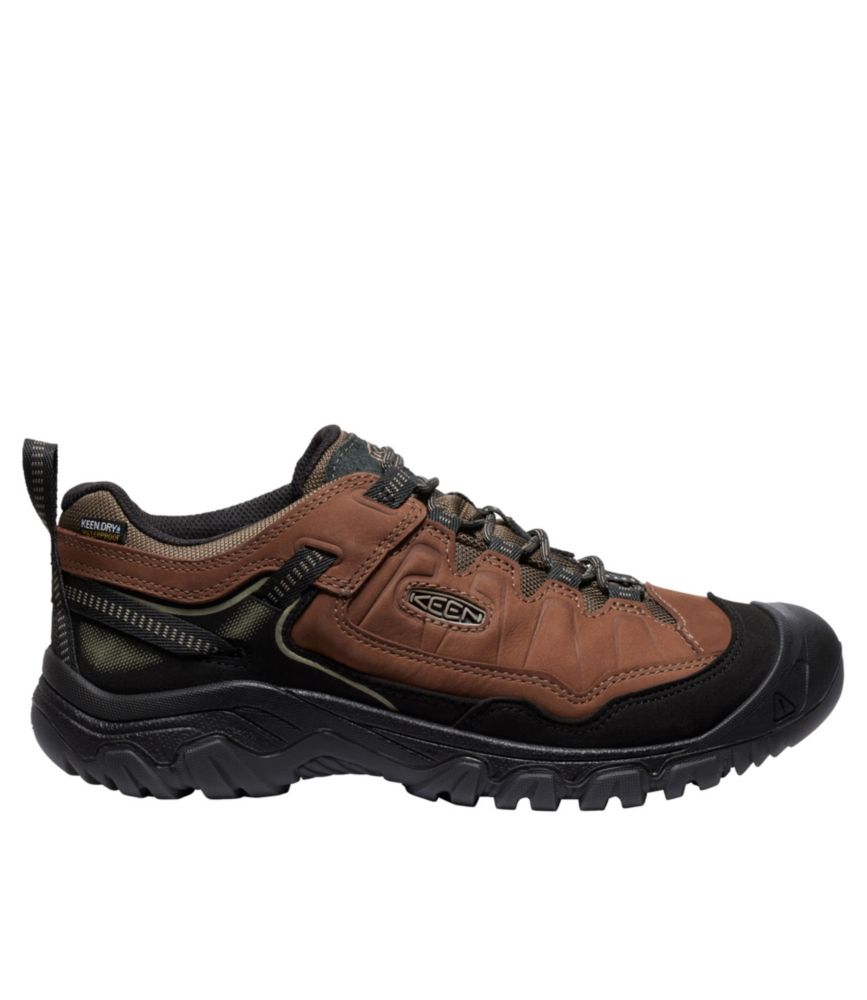
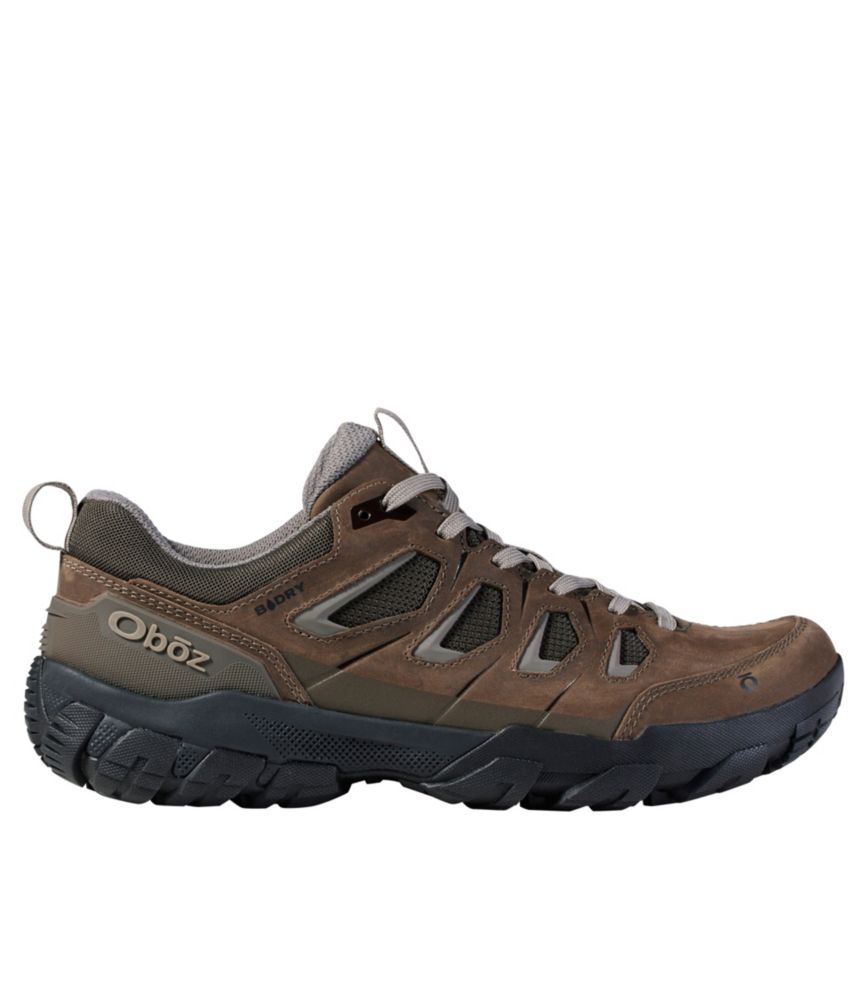
Men's Oboz Sawtooth X B-DRY Hikers, Low
Oboz Men's Oboz Sawtooth X B-DRY Hikers, Low
A rugged brown leather, rubber, and nylon trail shoe with waterproof lining and reliable traction for wet conditions.
(0)
$165 $165
SALE
$165 $165
SALE
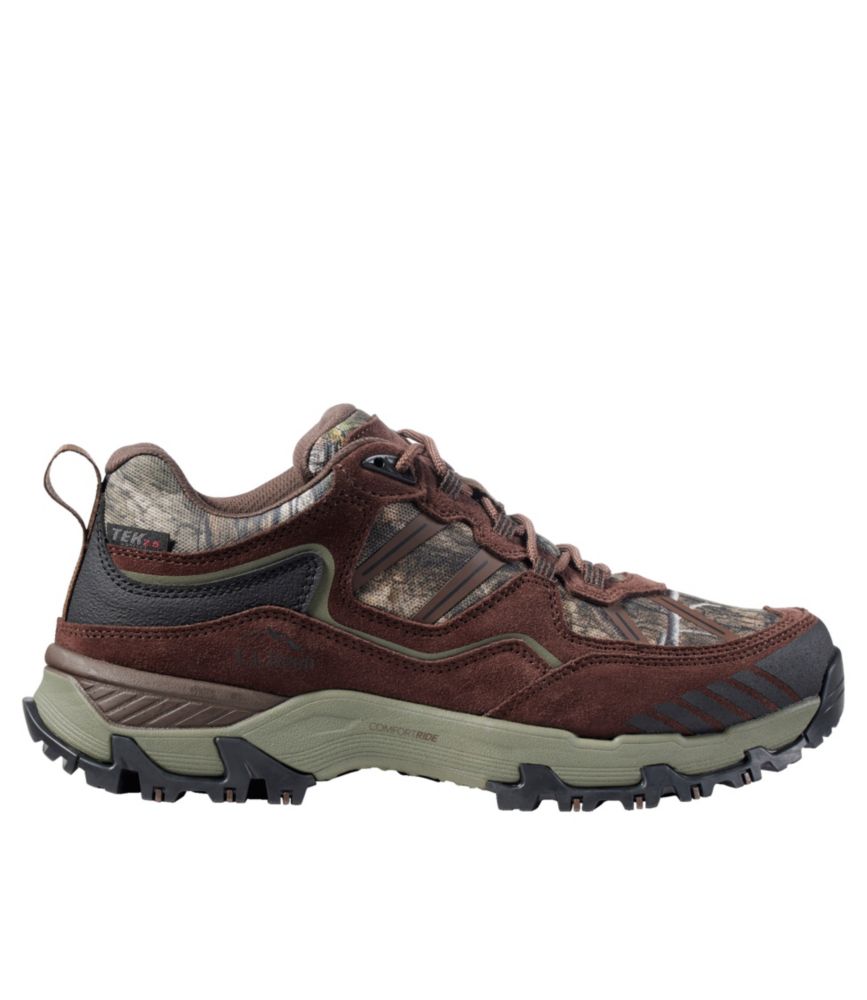
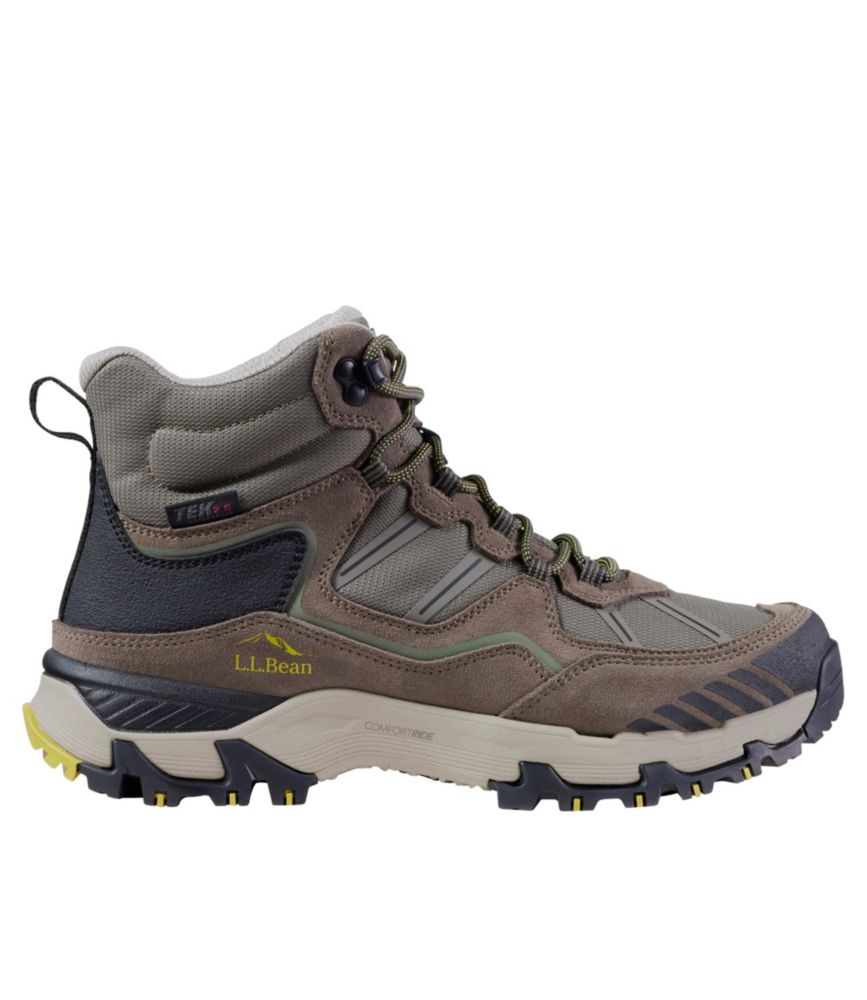
Men's Trail Model X Waterproof Hiking Boots
L.L.Bean Men's Trail Model X Waterproof Hiking Boots
A brown suede leather hiking boot with waterproof features and enhanced traction for wet conditions.
(0)
$120 $120
SALE
$120 $120
SALE
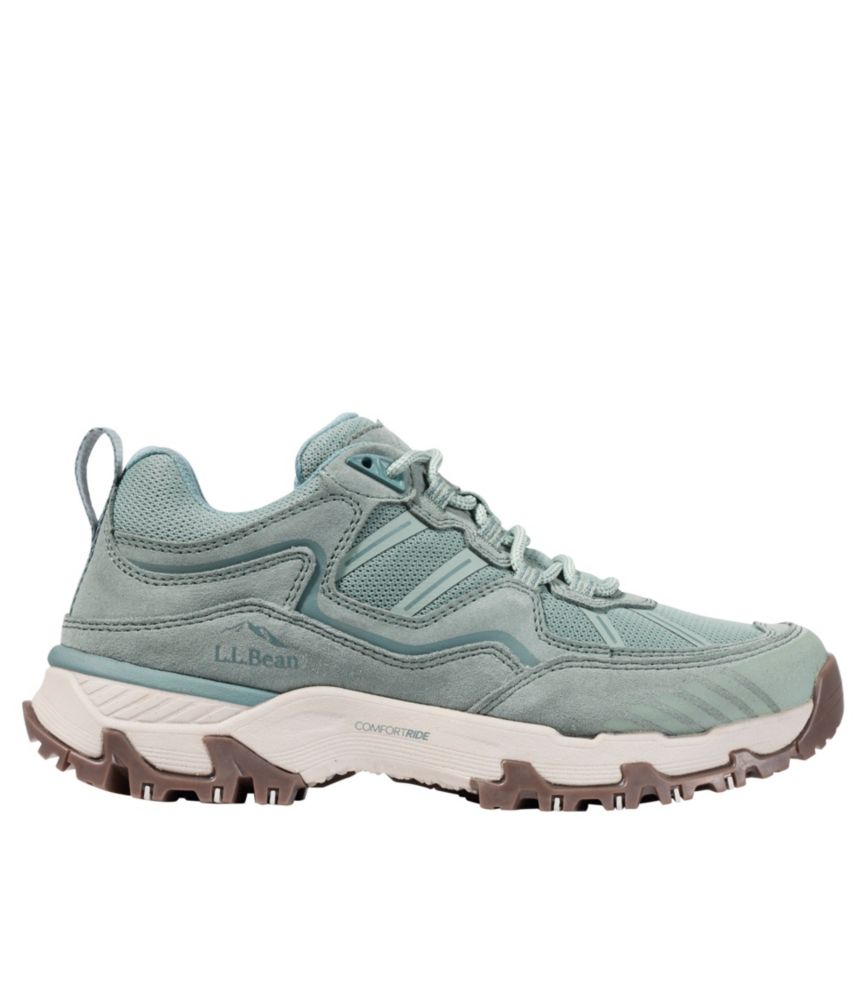
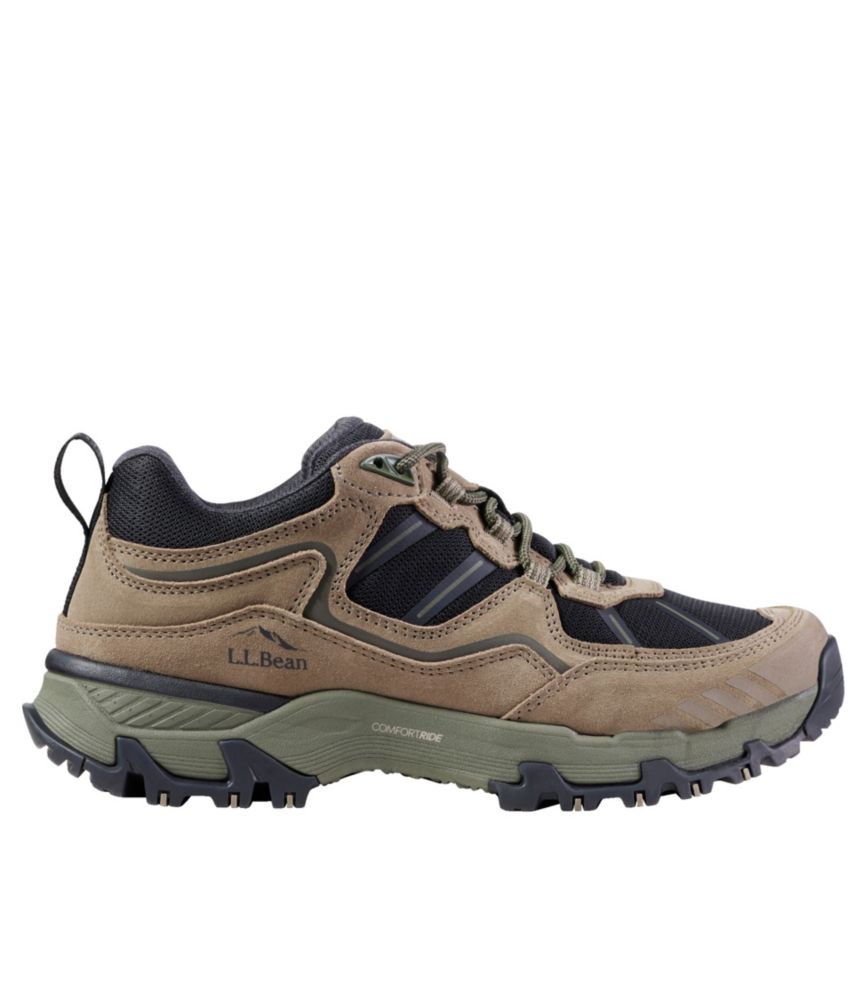
Men's Trail Model X Ventilated Hiking Shoes
L.L.Bean Men's Trail Model X Ventilated Hiking Shoes
A brown suede hiking shoe with water-resistant features, enhanced traction, and breathable mesh panels.
(0)
$99.95 $99.95
SALE
$99.95 $99.95
SALE
Men's Trail Model X Waterproof Hiking Shoes, Leather
L.L.Bean Men's Trail Model X Waterproof Hiking Shoes, Leather
A brown waterproof leather hiking shoe with rugged rubber outsole and breathable mesh panels for all-weather comfort.
(0)
$120 $120
SALE
$120 $120
SALE
Men's Trail Model X Waterproof Hiking Shoes
L.L.Bean Men's Trail Model X Waterproof Hiking Shoes
A durable brown suede hiking shoe with waterproof features and enhanced traction for wet conditions.
(0)
$110 $110
SALE
$110 $110
SALE
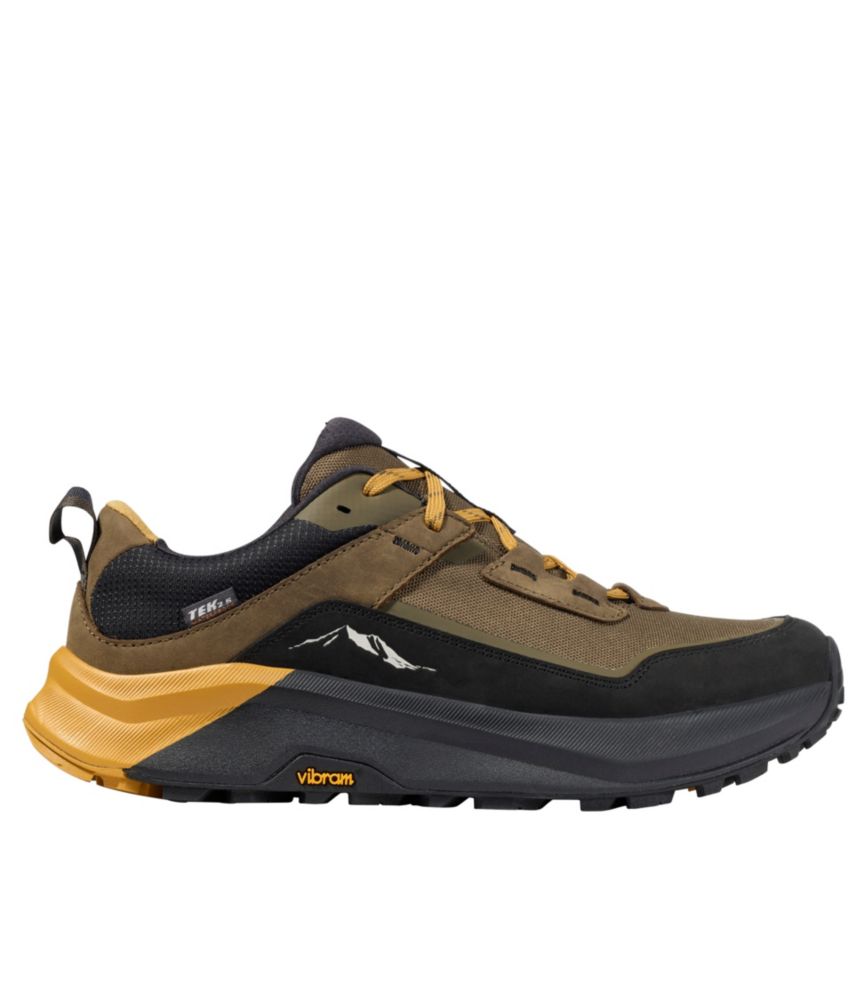
Men's NextVenture Hiking Shoes, Waterproof
L.L.Bean Men's NextVenture Hiking Shoes, Waterproof
A waterproof green hiking shoe with cushioned EVA midsole, Vibram outsole, and breathable mixed-material upper.
(0)
$150 $150
SALE
$150 $150
SALE
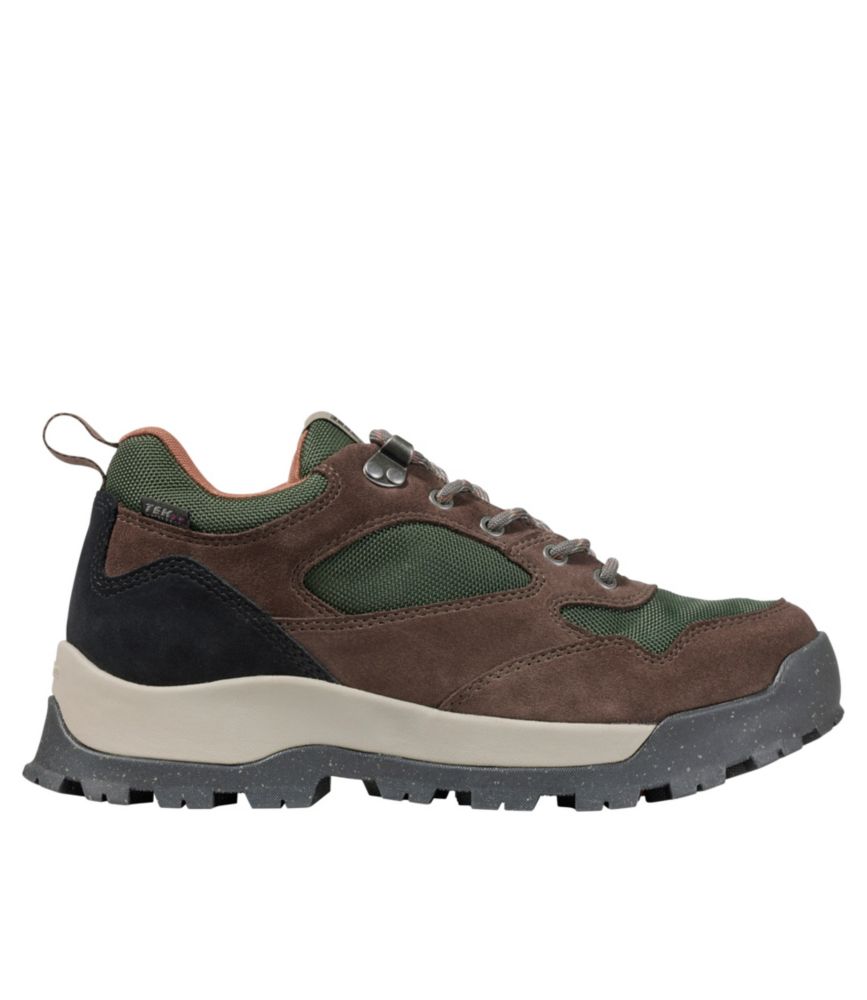
Men's Heritage Hiking Shoes, Waterproof
L.L.Bean Men's Heritage Hiking Shoes, Waterproof
A waterproof tan hiking shoe with a suede-and-nylon upper and grippy rubber outsole for tough trails.
(0)
$140 $99.99
SALE
$140 $99.99
SALE
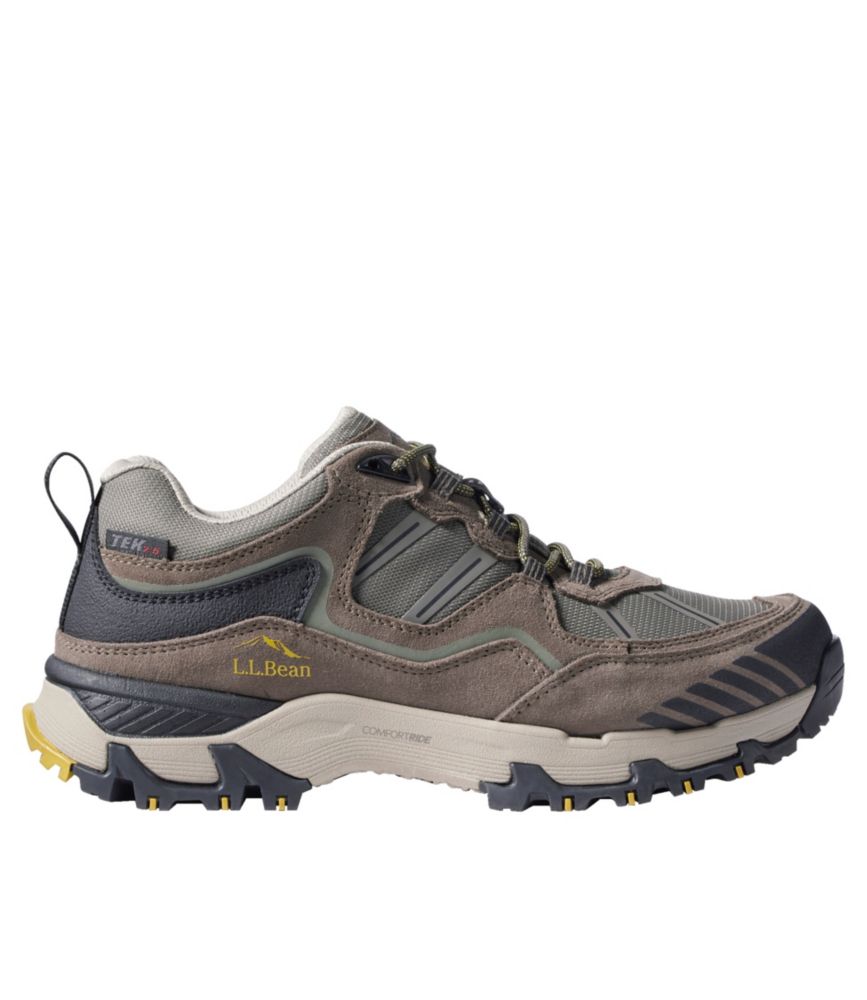
Men's Access Hiking Shoes, Waterproof
L.L.Bean Men's Access Hiking Shoes, Waterproof
A waterproof hiking shoe in gray with recycled mesh, nubuck leather, and a grippy rubber outsole.
(0)
$140 $140
SALE
$140 $140
SALE

Wide Trail Shoes

Wide trail shoes bring width into the footwear decision from the start, rather than treating it as an adjustment to make after choosing a size. For someone who regularly finds standard-width shoes too narrow, that distinction matters. Shoe length and shoe width describe different parts of fit: a longer size is not the same as a wider version of the size that otherwise fits. Extra length can leave the toes with unnecessary space ahead of them without providing the right proportions elsewhere. A wide-width designation is a more useful starting point, though its meaning should always be checked against the size information for the style being considered. Width labels are not interchangeable across every footwear range, and the overall shape of a shoe matters alongside the label. A broad forefoot, a fuller midfoot, and a narrow heel each create a different fit consideration. Likewise, a roomy-looking toe area does not necessarily mean a shoe has a designated wide fit throughout. When comparing wide trail shoes, look for clear width information rather than relying on photographs or descriptions of the silhouette alone. The most helpful details distinguish the stated width from the shape of the toe area and explain any relevant sizing recommendations. A familiar size from an existing pair can provide a reference, but it is not a substitute for the measurements and fit notes attached to another style. For shoppers seeking a more focused selection, Women's Trail Running Shoes For Wide Feet offers a related place to browse. The central consideration remains straightforward: start with the appropriate footwear category, then compare both length and width. That keeps the search centered on the shape of the foot instead of asking one size number to explain everything about fit.

The details of a good fit become more meaningful when they reflect the person who will wear the shoes. Someone with a broad forefoot may pay particular attention to the space across the base of the toes, while someone whose shoes often feel tight across the top of the foot may need to look more closely at overall shoe shape. These are separate considerations, even when both shoppers begin with the same wide-width label. Measuring both feet and comparing those measurements with the relevant size chart provides a clearer starting point than choosing from memory alone. Feet can differ in size, so it helps to consider both rather than assuming that one measurement tells the whole story. The socks worn when checking fit also matter; comparing shoes with the intended socks makes the comparison more consistent. Any regularly worn inserts should be part of that assessment, too, with the shoe’s individual details checked before assuming compatibility. During a try-on, notice where the foot sits rather than focusing only on whether the shoe can be put on and fastened. Toes should not feel crowded together, the sides should not feel squeezed, and the heel should not move excessively. Tightening the fastening is not a substitute for an appropriate overall fit, just as leaving it unusually loose does not establish that a narrow shoe is wide enough. These small observations can be especially helpful for people who have spent years choosing shoes around one troublesome pressure point. Wide trail footwear is a category worth considering when width has repeatedly been the missing part of the sizing equation. Beyond measurements, appearance remains a personal choice. A familiar silhouette or an understated look can help narrow the selection once the sizing information has been considered. There is room for individual style without letting appearance take priority over the proportions that matter to the wearer.

Trail shoes belong to the anticipation of time outside: a trailhead meeting with friends, a familiar bend in the path, or a shared pause to take in the view. Choosing within this category still calls for attention to each shoe’s stated purpose, rather than assuming that every trail style is intended for the same outing. The word “trail” establishes a broad category, not a complete description of an individual shoe. Product details are the place to check the intended use, construction, materials, and care requirements before making a choice. A photograph can show the outline and visual character, but it cannot establish material composition or explain the manufacturer’s care directions. For shoppers weighing those details, the useful comparison is between what is actually stated for each style, not what a particular texture or shape seems to suggest. Care deserves the same attention as sizing because it becomes part of owning the shoes. Follow the instructions supplied with the pair, including any directions about cleaning products and drying methods, rather than assuming that a method used on another type of footwear is appropriate. If a specific routine is important, check those instructions before choosing. Durability is also better considered through the individual construction information and the intended use than through appearance alone; a substantial-looking shoe is not, by itself, evidence of a particular lifespan. For a gift recipient, fit information is usually more valuable than a guessed size. A partner or family member who has mentioned needing wider shoes may appreciate the thought behind a carefully considered choice, but the recipient’s usual size, preferred width, and own fit experience should lead the decision. Choosing together can make the gift personal while leaving the final fit judgment with the person wearing it. Whether shopping for someone else or refining a familiar footwear preference, wide trail shoes offer a focused starting point for a decision that deserves more than a quick glance at the size label. Clear information, careful comparison, and attention to individual fit keep that decision grounded in what matters.
Read More

FAQs