It's time to upgrade your browser

Your current browser is no longer supported on llbean.com. Please upgrade to one of the following for a smoother, safer shopping experience with us:

Utility Daypacks for Winter

Find utility daypacks for winter with your packing needs in mind. Browse the selection of daypacks, comparing each style’s listed capacity, pocket layout and dimensions to help narrow your choices based on what you carry and how you like to organize it.
Read More
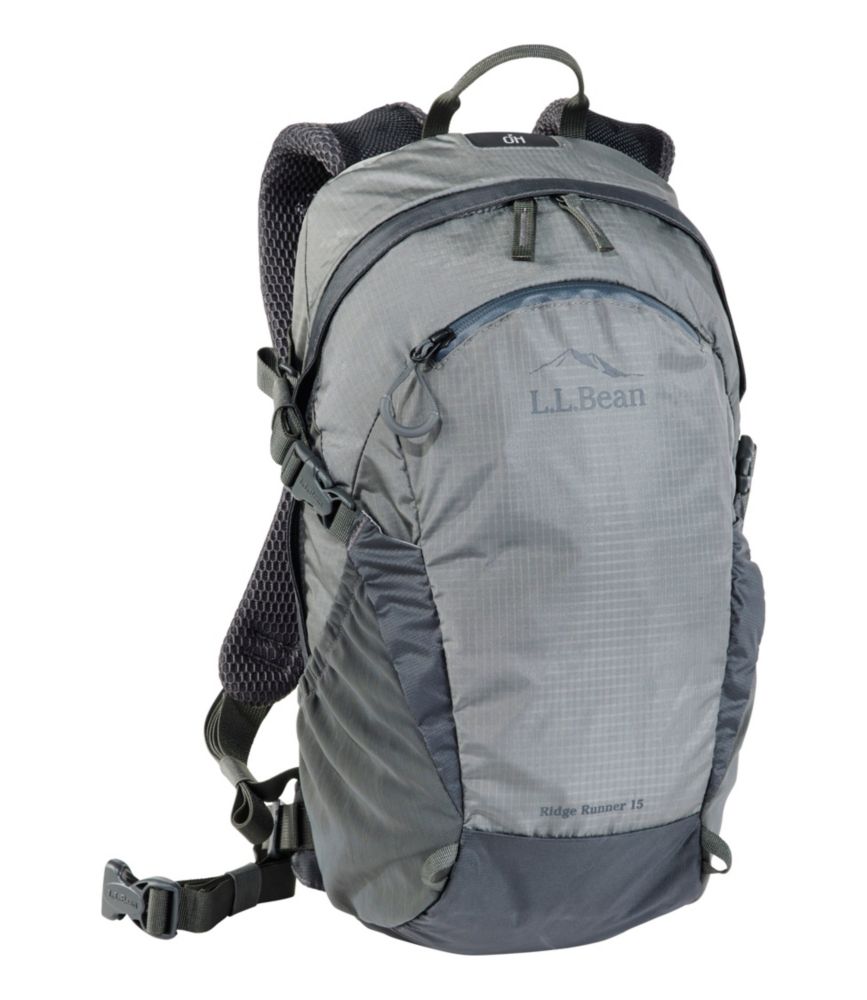
L.L.Bean Ridge Runner Day Pack, 15L
L.L.Bean L.L.Bean Ridge Runner Day Pack, 15L
A lightweight gray day pack made from durable nylon with breathable straps and multiple convenient storage pockets.
(38)
$99.95 $74.99
SALE
$99.95 $74.99
SALE
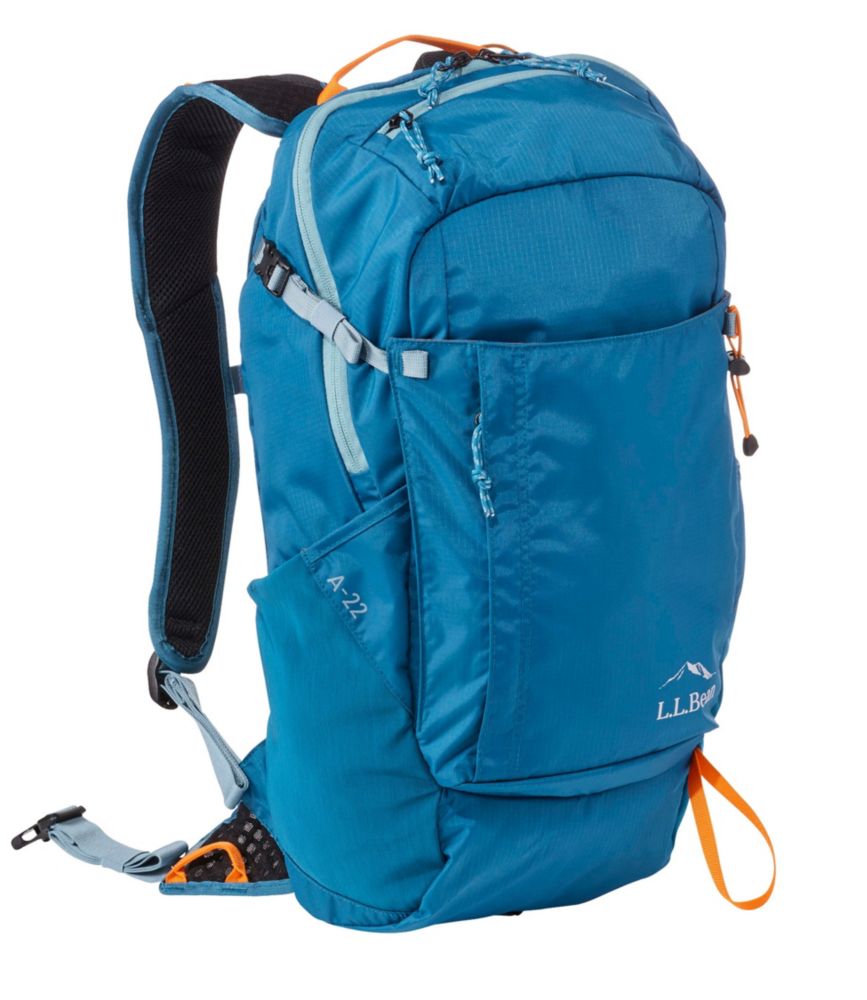
L.L.Bean Adventure Day Packs
L.L.Bean L.L.Bean Adventure Day Packs
A rugged, mallard teal day pack made from recycled nylon with multiple organizational features for outdoor adventures.
(0)
$110 $92.99
SALE
$110 $92.99
SALE
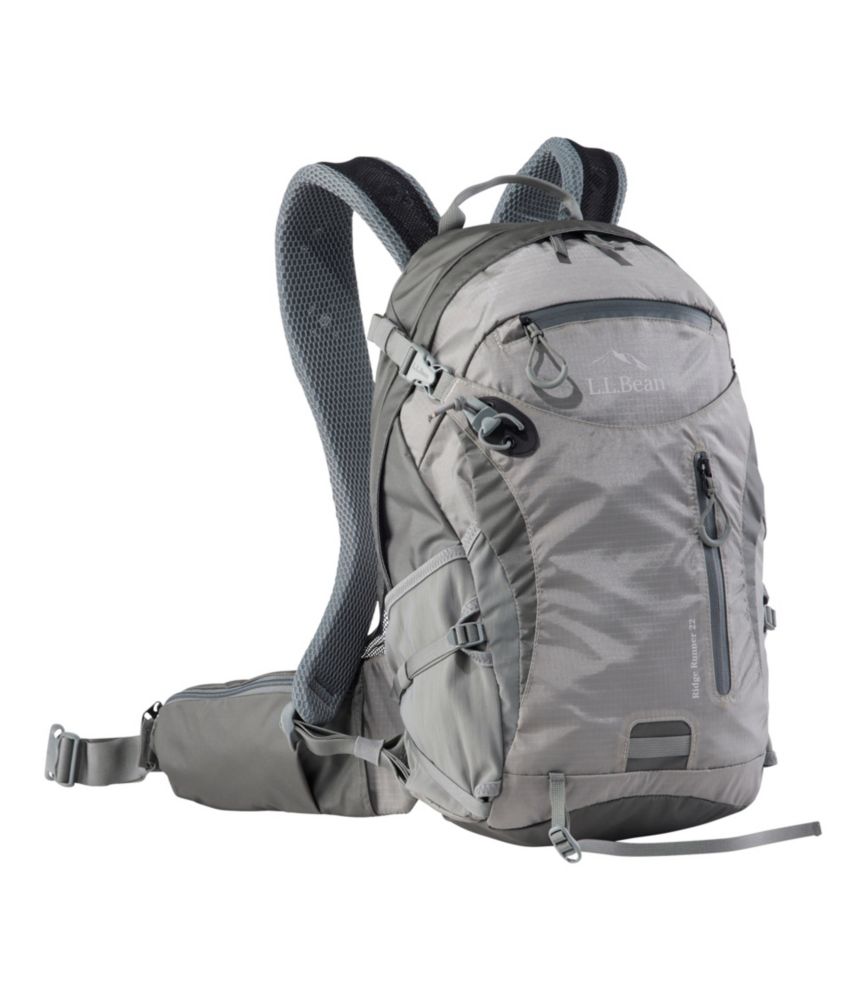
Women's L.L.Bean Ridge Runner Plus Day Pack, 22L
L.L.Bean Women's L.L.Bean Ridge Runner Plus Day Pack, 22L
A lightweight gray nylon day pack with breathable straps, multiple pockets, and hydration sleeve for hiking essentials.
(0)
$120 $89.99
SALE
$120 $89.99
SALE
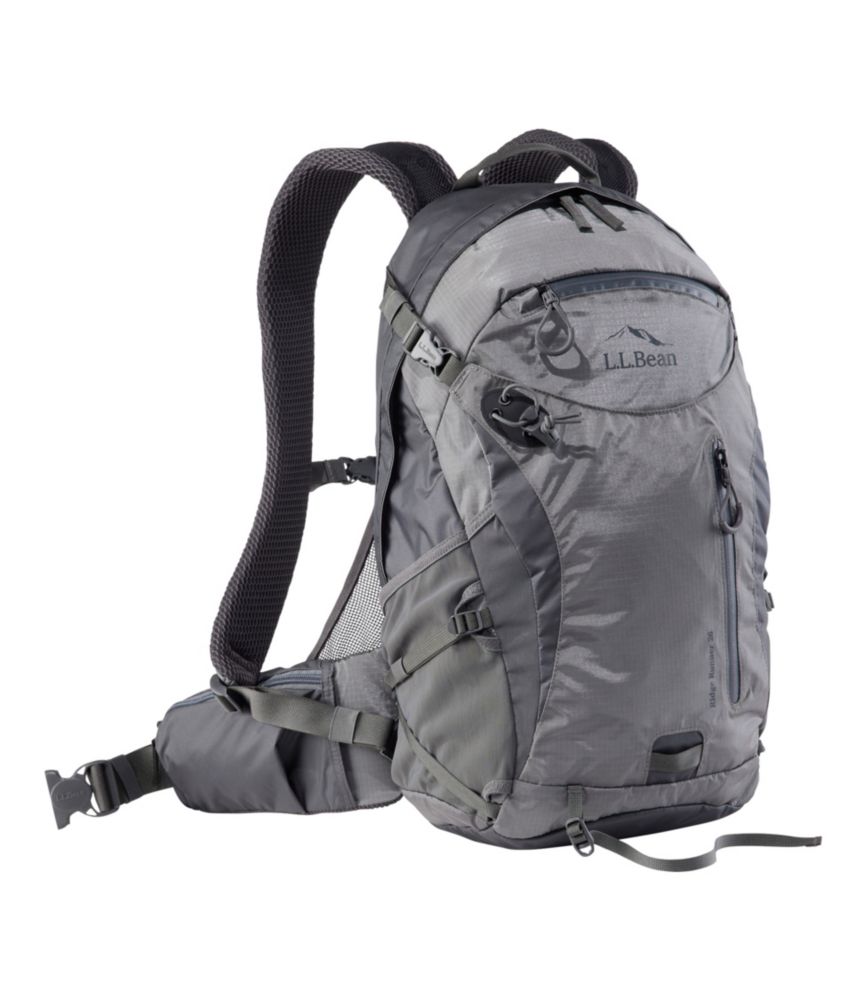
L.L.Bean Ridge Runner 26L Plus Day Pack
L.L.Bean L.L.Bean Ridge Runner 26L Plus Day Pack
A lightweight gray day pack made from durable nylon and Hypalon, featuring breathable panels and multiple pockets.
(0)
$120 $89.99
SALE
$120 $89.99
SALE
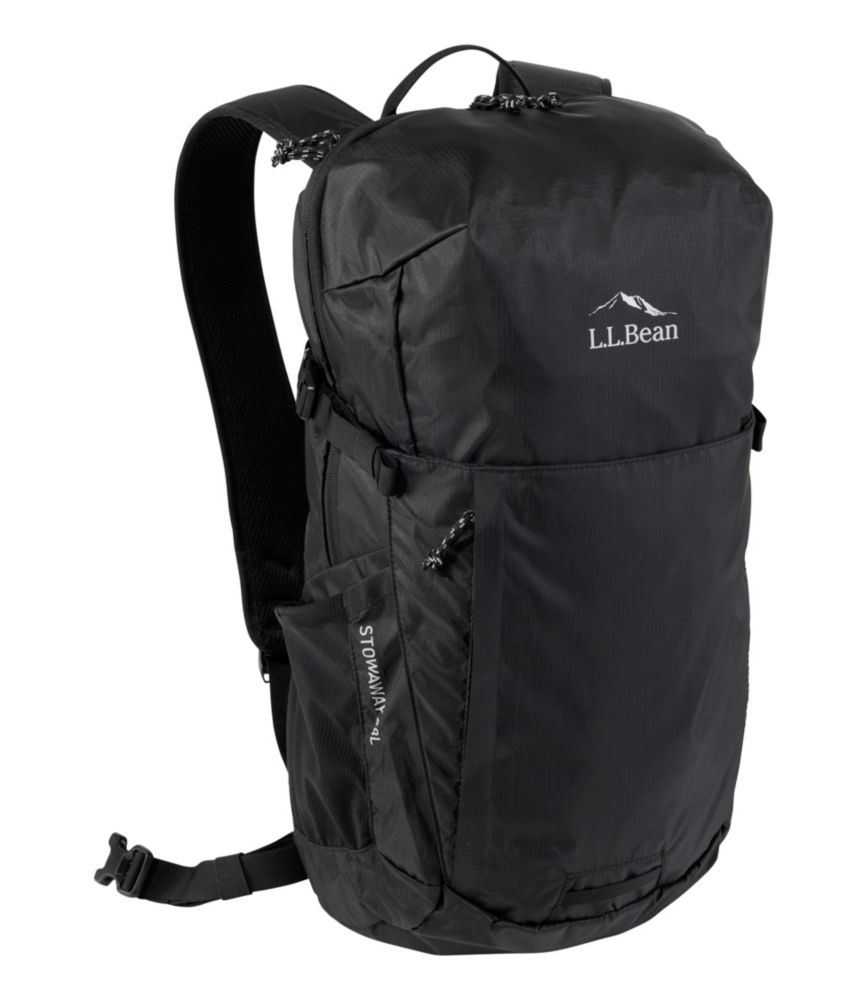
Stowaway Day Pack, 28L
L.L.Bean Stowaway Day Pack, 28L
A superlight black 28L day pack made from recycled polyester ripstop with multiple pockets and trail-ready features.
(0)
$99.95 $99.95
SALE
$99.95 $99.95
SALE

Utility Daypacks for Winter

Utility daypacks for winter bring a practical focus to choosing a pack: enough space for the belongings that matter, a fit that feels right, and a layout that makes sense to the person carrying it. During the cooler months, the contents of a daypack can change along with the day’s plans. An extra layer may take up space at the start of an outing and be worn later; a hat and gloves may move between a coat pocket and the pack several times. Those small changes make the relationship between size and organization worth considering. Capacity describes the total room inside, while the shape of the main compartment and the arrangement of any separate pockets help explain how that room is divided. Two packs with similar listed capacities can have quite different layouts, so dimensions and interior photographs add useful context to a volume measurement. A familiar set of belongings is often a more meaningful reference than a number alone: picture the folded layer, the food container, and the few personal essentials that usually accompany a winter day. The goal is not necessarily the largest daypack, but a size that matches what its owner expects to carry. Personal style matters, too. A simple outline, an appealing color, and a look that feels natural alongside a favorite coat can be just as important to the choice as compartment arrangement. For someone who prefers fewer decisions before heading outside, a familiar pack with an orderly place for everyday belongings has an understandable appeal. Winter utility daypacks invite that kind of thoughtful comparison, with attention to the whole pack rather than one isolated detail. The most useful starting point is a clear picture of the person, the belongings, and the winter plans behind the purchase—not an assumption that everyone needs the same amount of space or the same design.

Fit deserves a similarly personal look, especially when a pack will be tried on alongside winter clothing. A fit assessment over a light shirt does not show the full picture of how the same pack will sit over a thicker coat. Listed pack dimensions, sizing information, and adjustment details give that comparison a firmer starting point. Where measurements are provided, they are more informative than relying on a photograph to judge scale. The position of the pack on the back, the placement of its straps, and the feel of the loaded pack all belong in the decision, rather than treating capacity as the only measure of size. Organization is another area where individual preferences differ. Some people like a clear separation between small belongings; others prefer a straightforward main space and fewer places to search. Interior views and closure details can help distinguish those approaches without assuming that more pockets always mean a better match. Picture the ordinary moment of setting a pack beside the door, checking for keys, and deciding where to put gloves before leaving. A layout that feels intuitive to one person may feel unnecessarily divided to another. Material descriptions and construction information provide another layer of context, but the details should be considered for each daypack rather than inferred from its winter designation. A seasonal name alone does not establish how a fabric handles moisture, how a closure works, or what conditions a pack is intended for. Any such expectations need to match the individual product’s stated specifications. Durability also calls for a closer look at documented construction and care information, not simply a rugged appearance. Clear photographs of the base, seams, straps, and closures help shoppers understand the design, while written details explain what photographs cannot. Together, fit, layout, materials, and construction offer a more complete basis for choosing than appearance or size alone.

Care is part of that choice from the beginning, particularly for anyone who prefers belongings with a straightforward maintenance routine. Cleaning instructions vary by daypack, so the directions supplied for the individual pack should determine the method rather than a general rule about washing bags. Before cleaning, a careful check of the main compartment and any smaller pockets can turn up the forgotten snack wrapper, folded note, or spare mitten that has settled out of sight. Following the specified cleaning and drying directions, then choosing an appropriate storage spot, makes care a considered part of ownership instead of an afterthought. Those practical details matter when selecting a gift as well. A utility daypack for winter can be a thoughtful choice for someone who enjoys choosing outdoor essentials, but the recipient’s preferences should lead the decision. The pack they already reach for can offer clues: whether they favor a smaller silhouette, how much compartment separation they like, and which colors feel most like them. A person who carefully arranges every small belonging may appreciate a different layout from someone who wants one main space to organize in their own way. Fit preferences are equally individual, making dimensions and sizing guidance especially valuable when the purchase is for someone else. For a shared household purchase, the intended wearer still matters; similar taste does not necessarily mean similar fit. Shoppers comparing the broader assortment can also explore Outdoor Packs for Winter Use, keeping the same attention on each pack’s own description and intended purpose. Across these choices, the appeal of a winter daypack lies in finding a considered balance of size, organization, style, and care requirements. It is a personal piece of the preparations that happen before the door opens: gathering belongings, checking the day’s plans, and making room for an extra layer. A well-considered selection starts with those familiar details and leaves the final choice grounded in the way its owner likes to get ready for time outside.
Read More

FAQs