It's time to upgrade your browser

Your current browser is no longer supported on llbean.com. Please upgrade to one of the following for a smoother, safer shopping experience with us:

Unisex Coats

Find unisex coats with timeless style and the quality you expect from L.L.Bean. Explore the outerwear selection, compare design details, and check each coat’s sizing and fit information to help choose the right option for you.
Read More
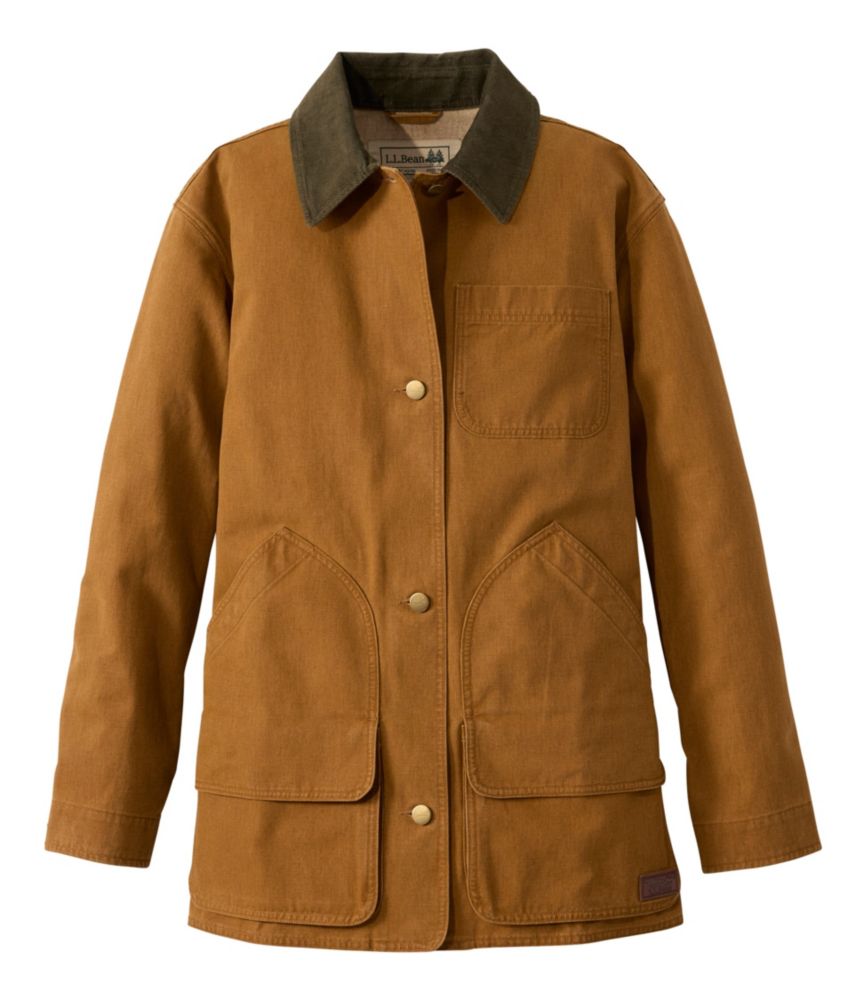
Women's Lightweight Field Coat
L.L.Bean Women's Lightweight Field Coat
A tan cotton field coat with a vintage look, classic details, and corduroy-trimmed collar and cuffs.
(0)
$160 $160
SALE
$160 $160
SALE
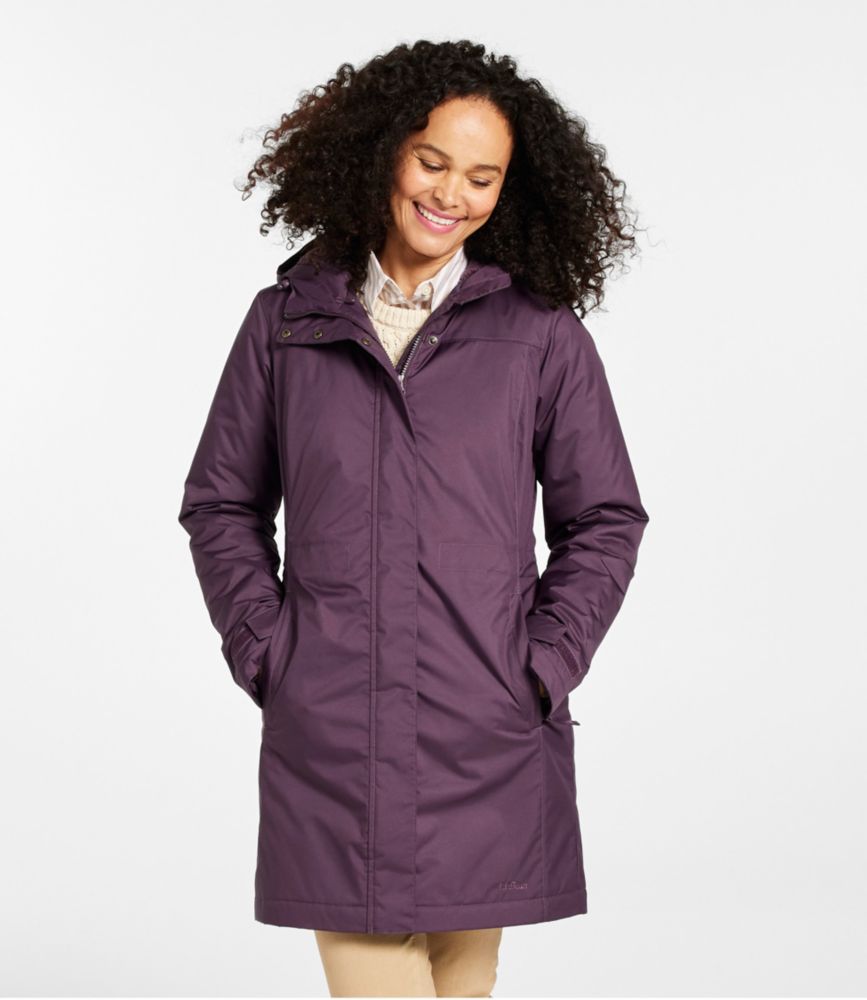
Women's Winter Warmer Coat
L.L.Bean Women's Winter Warmer Coat
An eggplant-colored, fleece-lined coat with recycled polyester insulation, water-resistant shell, and adjustable hood.
(0)
$150 $150
SALE
$150 $150
SALE
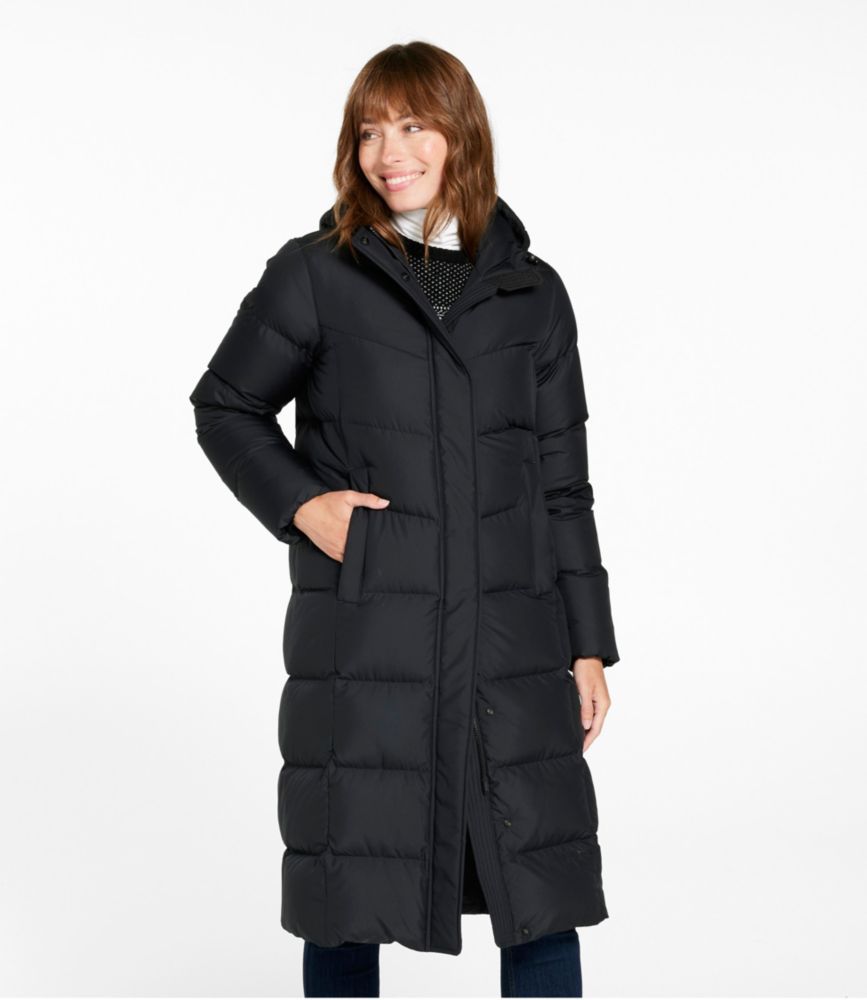
Women's Popham Puffer Coat
L.L.Bean Women's Popham Puffer Coat
An extra-long, water-resistant puffer coat with 650-fill DownTek™ insulation and adjustable hood for winter warmth.
(0)
$270 $270
SALE
$270 $270
SALE

Unisex Coats

Unisex coats bring a gender-neutral approach to outerwear, giving people a way to choose a coat by personal style and fit rather than by a men’s or women’s label. The term describes how the clothing is presented; it does not promise one particular shape or a fit that works for every body. That distinction leaves room for individual preferences, whether someone likes a neat, understated look or a more relaxed silhouette. A coat can be a defining part of an outfit without being its loudest element. Its proportions, color and overall shape help establish that balance, and the best choice is one that feels like a natural extension of the person wearing it. For someone drawn to a simple wardrobe, a familiar silhouette can offer a welcome sense of consistency. Someone who enjoys changing the proportions of an outfit may put more emphasis on where the hem falls or how the coat looks worn open versus closed. Neither approach depends on gender. Unisex outerwear offers a different starting point for those choices, with the focus on the garment rather than a prescribed way of dressing. It also makes sense for people whose style preferences cross traditional clothing categories, or who simply prefer to compare coats without those divisions. There is no need for everyone choosing a unisex coat to want the same look. Two people can choose the same size and still have very different preferences about sleeve length, shoulder placement and overall proportions. The appeal lies in that freedom to make an individual choice. Timeless style is personal: it might mean a clean outline, a favorite color or a shape that feels familiar each time it is put on. Looking at the whole coat, rather than treating its category name as a complete description, keeps that choice grounded in what matters to the wearer.

Fit deserves particular attention when comparing unisex coats because the word “unisex” is not a standardized sizing system. It should not be taken to mean that every coat follows men’s measurements, runs large or has an oversized cut. The size chart and fit description attached to each garment are more useful than a general rule about sizing up or down. A familiar letter size is a starting point, not a substitute for measurements. It helps to distinguish between body measurements and garment measurements, since they describe different things and should not be compared as though they were interchangeable. Where provided, chest, waist and hip measurements help narrow the choice, while sleeve and overall length add important context. A coat that looks proportionate on one person may fall differently on someone of another height, even when both people choose the same size. Comparing listed dimensions with a coat that already fits well can make those numbers easier to picture, provided the measurements are taken in the same way. Personal preferences matter alongside the chart. Some people like the shoulder seam close to their natural shoulder; others prefer a looser outline. Some want the hem to sit at a particular point in relation to their trousers, while others care most about sleeve length. Those are individual decisions, not qualities guaranteed by a gender-neutral label. Product photographs can help illustrate a silhouette, but the written fit information gives a more dependable basis for comparison than appearance alone. When trying a coat on, checking it both open and fastened can reveal differences that are easy to miss at first glance. Looking from the side as well as the front also gives a fuller sense of its proportions. The goal is not to follow a single ideal of how a unisex coat should look. It is to find the size and shape that reflect the wearer’s preferences, with fewer assumptions attached to the label.

Materials, care and construction are also worth considering, but none can be inferred from the term “unisex.” Fabric composition belongs in the individual coat’s details, and those details are the place to understand what a garment is made of rather than relying on its appearance in a photograph. The same is true of any stated purpose or performance feature: the category name alone does not establish either. Keeping those distinctions clear makes it easier to compare coats on their actual descriptions. Care requirements can be just as important as appearance when deciding whether a garment belongs in a particular wardrobe. Reading the care label before choosing helps establish whether its instructions fit the owner’s usual routine; washing, drying and other treatment should follow that label rather than a general rule for coats. Durability likewise deserves more than an assumption based on a substantial-looking fabric or a particular silhouette. Construction information, care instructions and the condition of a garment over time offer a more grounded perspective than looks alone. These practical considerations are especially helpful when choosing a coat as a gift. A gender-neutral label can remove one category decision, but it cannot reveal the recipient’s preferred fit, favorite proportions or willingness to follow a particular care routine. Knowing the size and measurements of a coat they already enjoy wearing is more useful than guessing from their height or choosing the size they wear in an unrelated garment. Their own style is the best reference point, whether that means an understated shape or a more generous outline. For households comparing different clothing categories, Boys Coats provides another place to browse, with sizing assessed separately for the intended wearer. Throughout the selection process, the most useful details remain personal and concrete: the measurements that match, the proportions that appeal and the care expectations that make sense. A thoughtfully chosen unisex coat starts with those everyday preferences and leaves the final expression of style to the person who wears it.
Read More

FAQs