It's time to upgrade your browser

Your current browser is no longer supported on llbean.com. Please upgrade to one of the following for a smoother, safer shopping experience with us:

Trendy Shirts For Tweens

Find shirts for tweens with timeless style they can make their own. Explore the selection together to find tops that match their tastes, then check each shirt’s sizing and fit details to help choose the right size.
Read More
Kids' Graphic Tee, Glow-in-the-Dark
L.L.Bean Kids' Graphic Tee, Glow-in-the-Dark
A supersoft, 100% cotton tee with vibrant, glow-in-the-dark graphics and a classic crewneck style.
(433)
$29.95 $29.95
SALE
$29.95 $29.95
SALE
Kids' L.L.Bean x Peanuts Short-Sleeve Tee
L.L.Bean Kids' L.L.Bean x Peanuts Short-Sleeve Tee
A supersoft, relaxed-fit kids' tee in camp green featuring Snoopy, made from 100% cotton.
(0)
$24.95 $24.95
SALE
$24.95 $24.95
SALE
Kids' L.L.Bean Comfort Corduroy Shirt
L.L.Bean Kids' L.L.Bean Comfort Corduroy Shirt
A relaxed-fit, ultrasoft cotton corduroy shirt-jacket in dark plum rose with two chest pockets.
(0)
$54.95 $26.99
SALE
$54.95 $26.99
SALE
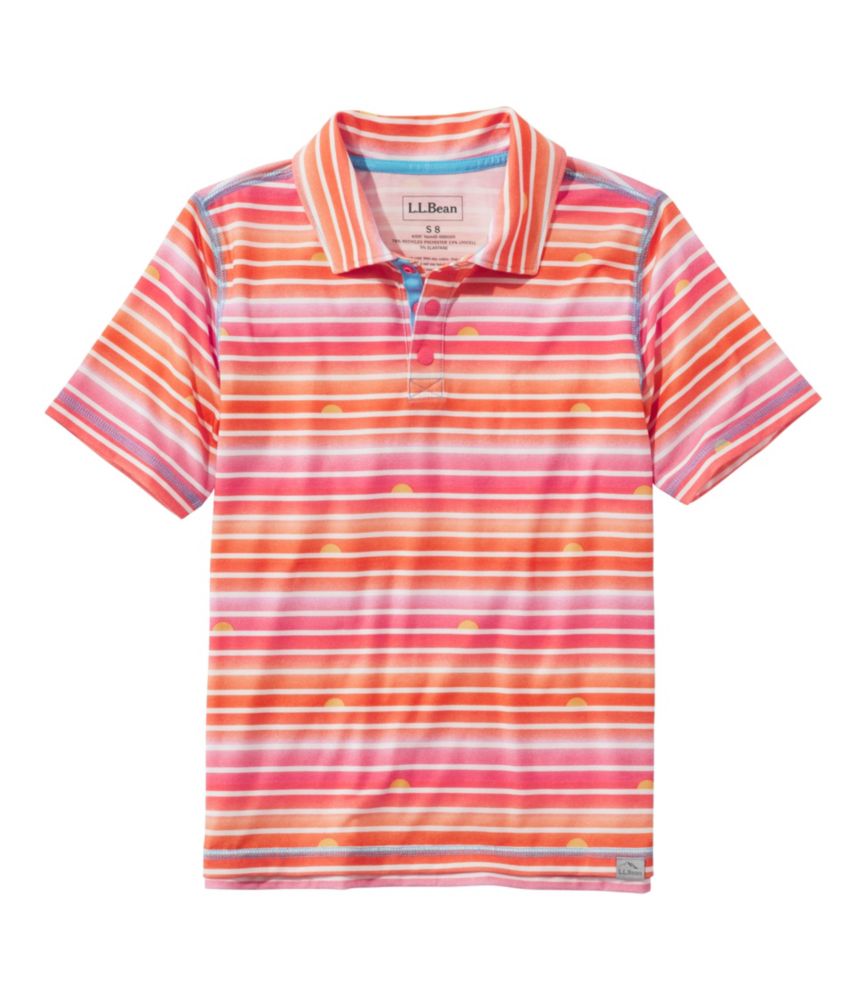
Kids' Everyday SunSmart® Polo, Print
L.L.Bean Kids' Everyday SunSmart® Polo, Print
A soft, breathable red striped polo in a moisture-wicking polyester blend with UPF 50+ sun protection.
(0)
$36.95 $17.99
SALE
$36.95 $17.99
SALE
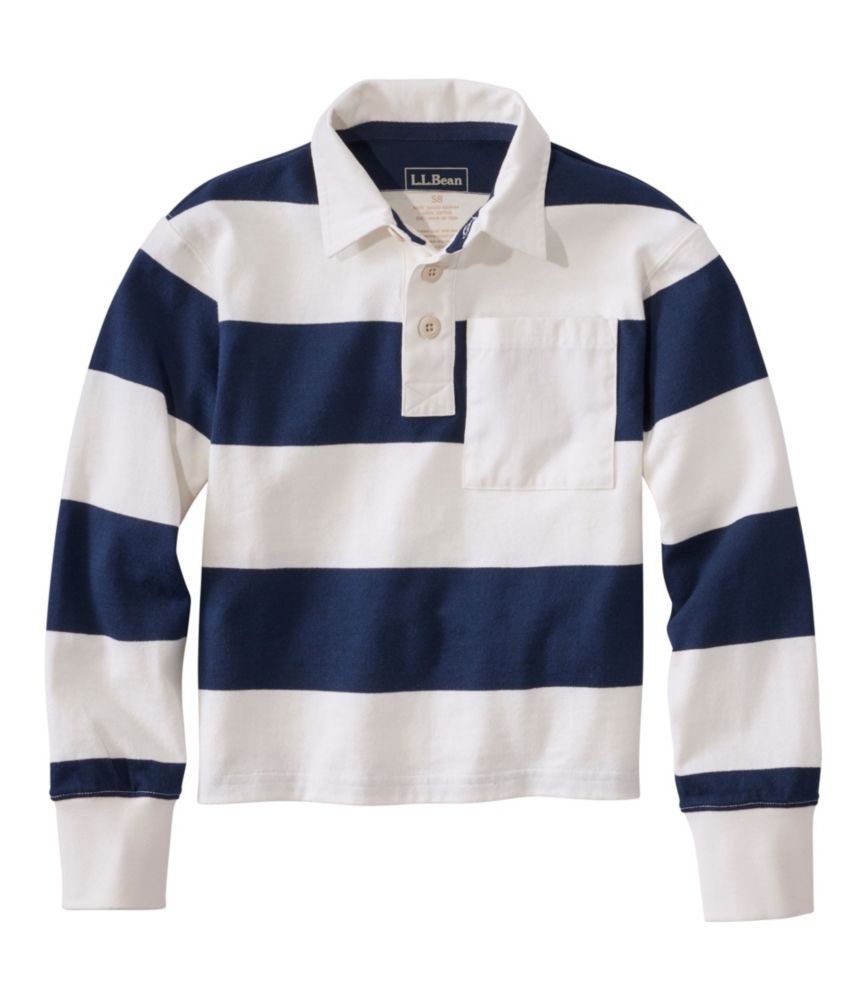
Kids' Striped Rugby Shirt
L.L.Bean Kids' Striped Rugby Shirt
A relaxed-fit kids' rugby shirt in white cotton with colorful stripes, twill placket, and rubber buttons.
(0)
$49.95 $24.99
SALE
$49.95 $24.99
SALE

Trendy Shirts For Tweens

Shirts for tweens sit at a turning point in personal style, when kids begin to have stronger opinions about what they wear and how they put an outfit together. A favorite color, an interesting print, or a particular shirt shape can matter more than a whole closet of clothes chosen by someone else. The best starting point is the tween’s own sense of style: understated or expressive, coordinated or a little unexpected, familiar or ready for something different. Some gravitate toward simple designs that let the rest of an outfit stand out; others want the shirt to be the detail everyone notices. Neither approach needs to follow a passing look to feel fresh. Color combinations, proportions, and the placement of a design all help give a shirt its personality. A small detail near the neckline creates a different impression from a large design across the front, while an allover pattern becomes a more prominent part of the outfit. When comparing styles, it helps to picture the clothes already hanging in the tween’s closet. A shirt that complements several favorite bottoms offers more possibilities than one that calls for an entirely different wardrobe. Think about the overall look, too: a fuller outline and a straighter outline can give the same color a very different character. Those visual differences are often what tweens are responding to when they say one shirt feels more like them than another. Letting them name those preferences makes browsing more meaningful and gives parents a clearer sense of what deserves a closer look. Exploring more clothing styles can help put those choices in context, with attention to the colors and combinations that feel personal rather than prescribed. The goal is a wardrobe with room for individuality, not a set of rules about what kids their age should wear.

Fit deserves just as much consideration as appearance, especially when a tween has a clear picture of how a shirt should look. A size label is only a starting point; the measurements and fit information attached to each style provide a better basis for comparison. Before choosing, check the size chart rather than assuming that an age range tells the whole story. Two tweens of the same age may need different sizes, and one tween may prefer a different amount of room depending on the shirt’s shape. A favorite shirt can be a useful reference when the listed measurements explain how to compare it. Look at the relationship between the shoulders, chest, sleeves, and overall length instead of focusing on just one measurement. A shirt that looks right across the chest may still have a hem or sleeves that land somewhere unexpected. When trying on a shirt, notice where the shoulder seams sit, how the neckline lies, and whether the hem falls where the tween wants it. Sitting down and raising both arms can also reveal fit details that are easy to miss while standing still. Choosing extra room solely for anticipated growth can change the proportions more than expected, so distinguish between a deliberately relaxed look and a size that simply does not fit as intended. Fabric information is another important part of an individual shirt’s description. Read the listed composition and care directions rather than judging the feel, weight, or upkeep from a photograph. If a tween has a favorite shirt, noting its fabric label and fit can help explain what they like about it without assuming every similar-looking shirt will feel the same. These small comparisons keep the choice grounded in the child’s preferences and the actual details of the garment, not just its appearance on a screen.

A thoughtful selection of tween shirts also takes everyday decisions into account without asking every shirt to fill the same role. Some kids enjoy putting together a different combination each time they get dressed; others return to a small group of favorites. Both approaches can guide which styles deserve a place in the closet. For a tween who likes variety, consider how a new color or pattern relates to what they already own. For someone with a consistent look, a subtle change in a familiar design may be more appealing than a dramatic departure. It can help to lay out a few favorite outfits and notice the common thread: similar necklines, repeated colors, a preference for plain fronts, or a particular balance between shirt and bottom. That is practical information, especially for relatives choosing a gift. A parent or caregiver can confirm current measurements, while the tween can point out the details that make a gift feel chosen for them. Keep care expectations part of the decision as well. Check each garment’s washing and drying instructions before selecting it, and follow those directions once it becomes part of the wardrobe. Shirts that look alike do not necessarily have identical care requirements, and appearance alone cannot establish how a garment will hold up. For questions about durability, rely on the individual product’s construction information and stated details rather than broad promises about a whole category. Reading those details gives families a more useful basis for comparison and avoids turning a visual preference into an assumption about performance. Above all, leave room for tastes to develop. A tween may love a bold pattern one day and prefer a quieter combination the next, without needing a completely different wardrobe. Shirts with a personal connection—whether that comes from color, shape, or a design detail—can make choosing an outfit feel less like a negotiation and more like a small expression of growing independence. Thoughtful choices begin with listening, comparing the details, and letting the tween have a genuine say.
Read More

FAQs