It's time to upgrade your browser

Your current browser is no longer supported on llbean.com. Please upgrade to one of the following for a smoother, safer shopping experience with us:

Trekking Baskets

Find trekking baskets to match your trekking poles. Browse the available options and check individual product details for compatibility with your pole brand and model before choosing.
Read More
Hiking Pole Trekking Baskets
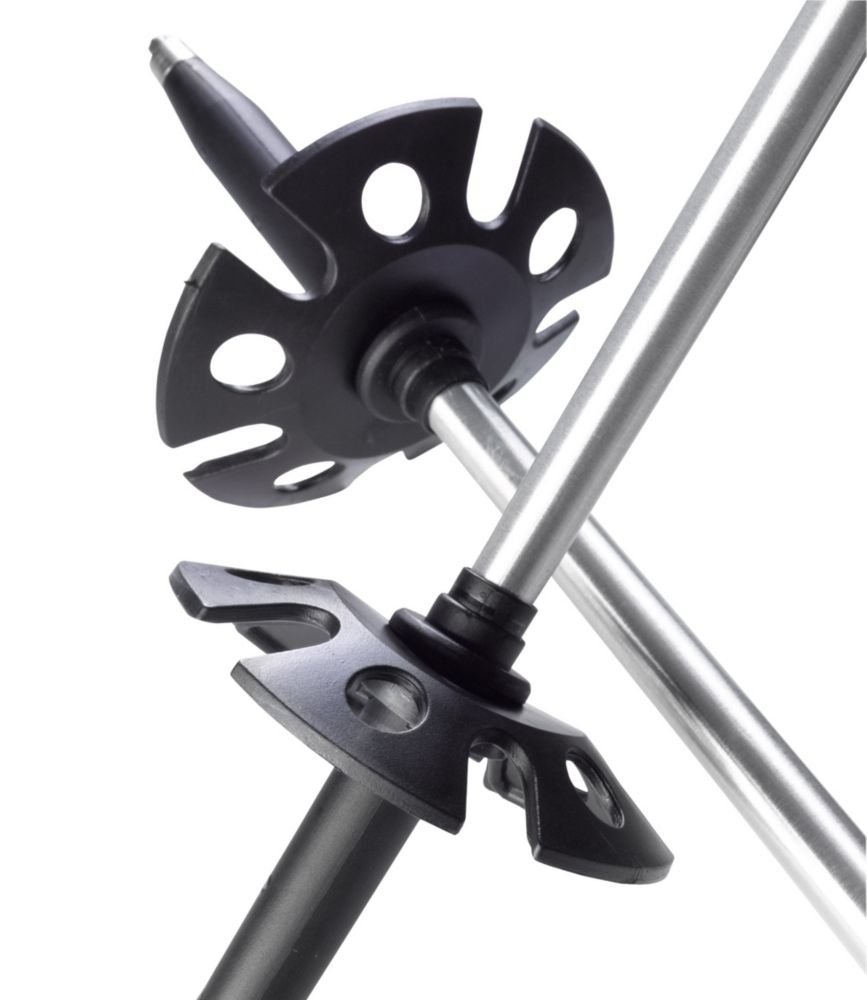
A set of two black plastic trekking baskets for three-season use, compatible with LL Bean and Komperdell poles.
(0)
$13.95 $13.95
SALE
$13.95 $13.95
SALE
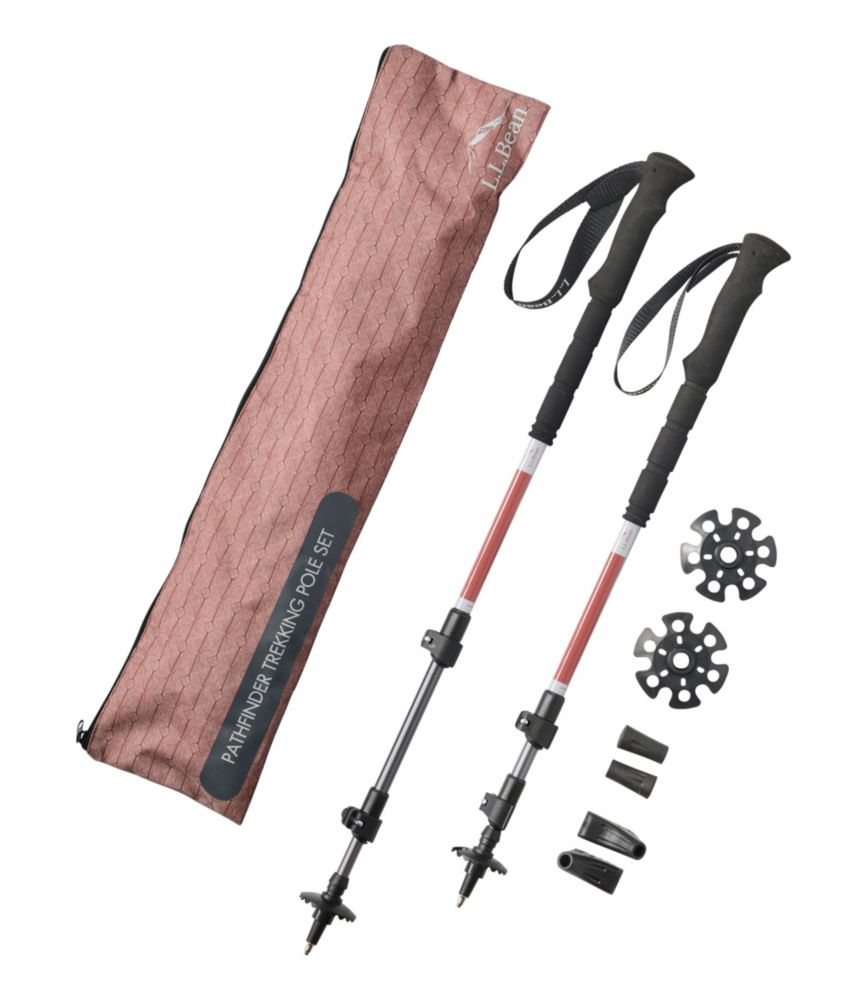
Pathfinder Trekking Pole Set
L.L.Bean Pathfinder Trekking Pole Set
A red aluminum trekking pole set with adjustable shafts, carbide tips, baskets and storage bag.
(0)
$79.95 $79.95
SALE
$79.95 $79.95
SALE
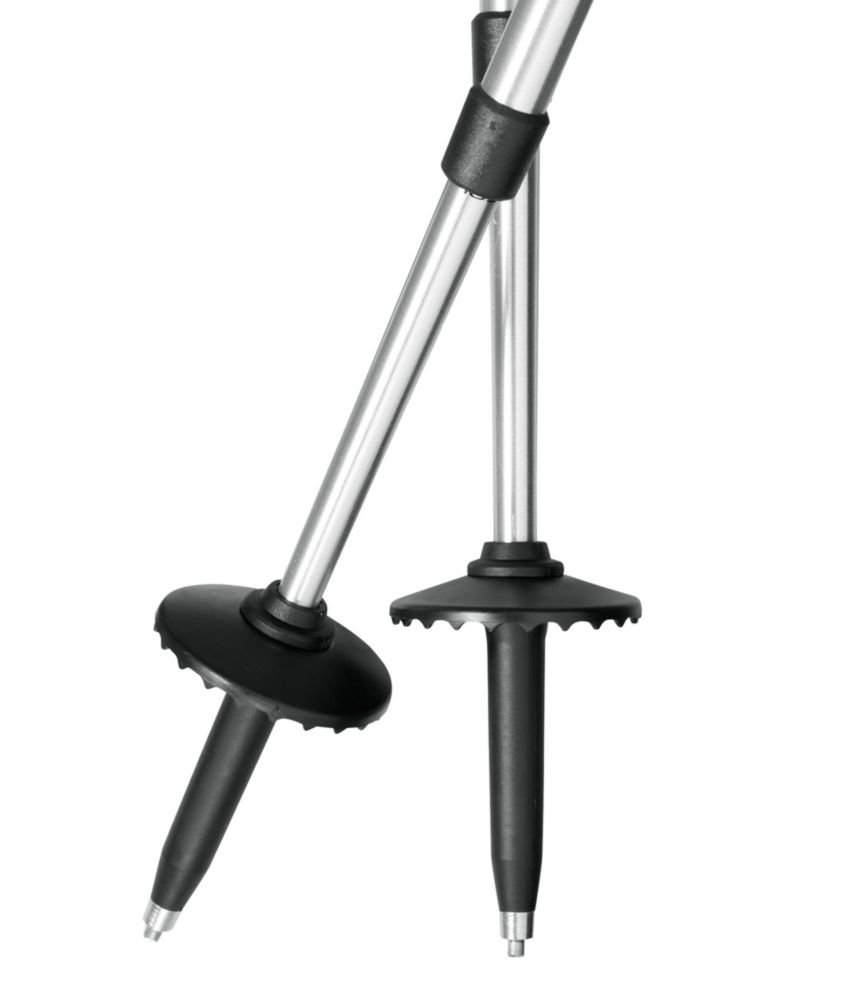
Hikelite Snow Baskets, 1 Pair
A pair of black plastic snow baskets that add flotation for winter hiking, skiing and snowshoeing.
(34)
$13.95 $13.95
SALE
What customers like:
Perfect fit
Similar to originals
Easy installation
$13.95 $13.95
SALE
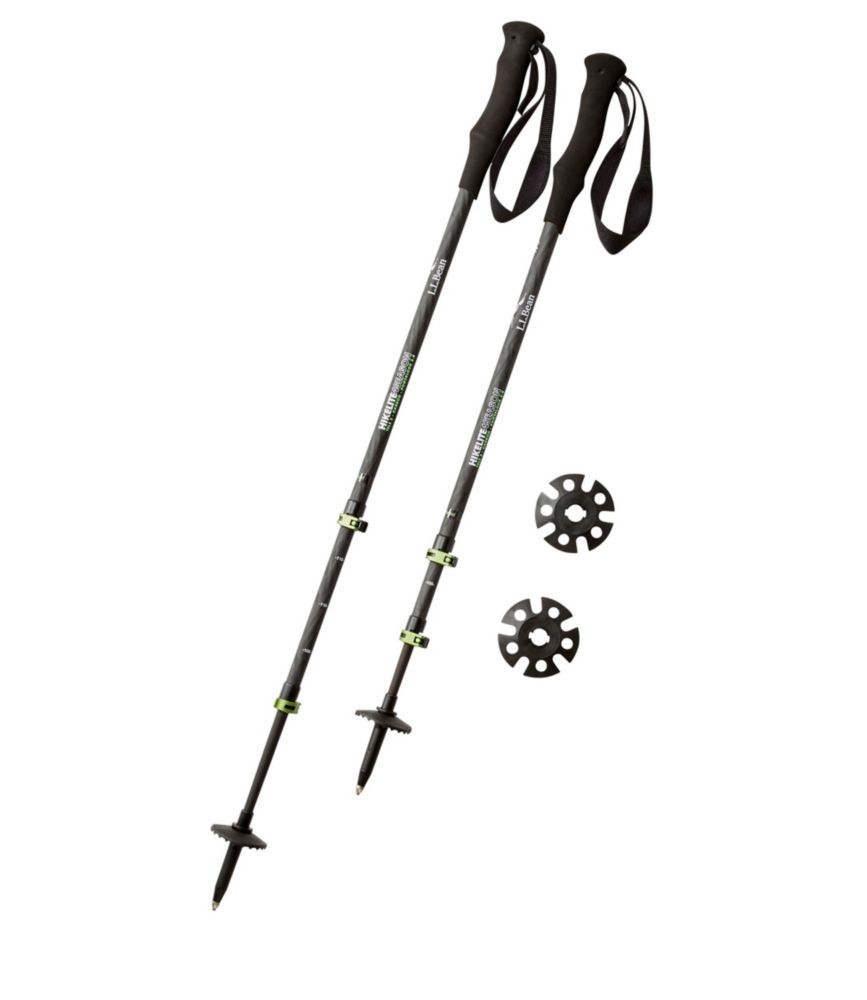
L.L.Bean Hikelite Four-Season Carbon Hiking Poles
L.L.Bean L.L.Bean Hikelite Four-Season Carbon Hiking Poles
A pair of ultralight black carbon-composite hiking poles with PowerLock adjustment, EVA handles, and interchangeable baskets.
(60)
$170 $170
SALE
$170 $170
SALE
Allagash Pack Basket
Allagash Allagash Pack Basket
A handwoven maple wood pack basket with adjustable straps, perfect for a full day's fishing gear.
(0)
$139 $139
SALE
$139 $139
SALE

Trekking Baskets

Trekking baskets are small, disc-shaped trekking pole accessories. In this category, “basket” refers to a pole component, not a carrying basket or storage container. These accessories belong to the larger picture of selecting and caring for trekking equipment, with compatibility at the center of a thoughtful purchase. A familiar outline is only one part of the picture: the pole’s manufacturer, model name, and stated accessory requirements are more useful starting points than appearance alone. For someone replacing a missing basket, the original equipment information can help narrow the search without relying on a remembered shape or an approximate size. A photograph of the existing component, a readable model marking, and the original product description can make comparisons more straightforward. Picture two sets of poles standing by the door and a loose accessory in a gear drawer; knowing which model belongs to which person removes much of the guesswork. Keeping those details together is especially helpful in a household where equipment looks similar but has different identifying information. The goal is a basket with a documented match to the poles in question, rather than an accessory selected because it looks close enough. Trekking baskets deserve consideration as their own category, with attention to their descriptions rather than assumptions drawn from the larger equipment pictured beside them. For shoppers who enjoy understanding the individual parts of their equipment, that detail is part of the appeal. For someone who simply wants to replace a component, clear information keeps the purchase focused on the actual need. An old order confirmation, an equipment manual, or a model name saved on a phone can be more valuable here than a general recollection of when the poles were purchased. Starting with that information gives this small accessory the same thoughtful consideration as the rest of the equipment.

Size, package contents, and the distinction between a basket and other pole accessories all deserve a close look when comparing descriptions. A diameter measurement describes size; a compatible-model listing addresses a different question. Neither should be treated as a substitute for the other. Photographs provide useful visual context, while written specifications supply details that may not be clear from an image. A close-up can make an accessory look larger than expected, and a photograph showing several components does not necessarily explain what a package contains. The stated quantity matters whether the purchase is for one missing basket or a matching replacement set. Installation details also belong in the comparison, particularly when the original accessory is no longer on hand. Similar appearance alone does not establish that two components attach in the same way, so the relevant product information should settle that question before a choice is made. Any listed materials and care directions offer additional context without replacing the need to confirm compatibility. A material name is one detail among several, alongside measurements, connection information, and package contents. For a broader view of the equipment category, explore black trekking poles, keeping pole selection and accessory compatibility as separate considerations. Someone choosing poles and someone replacing a basket may be looking at related equipment, but they begin with different needs. The first purchase involves the complete equipment description; the second depends on the details of equipment already owned. Keeping that distinction clear makes comparisons more relevant and avoids choosing a small component on the strength of a general equipment photo. A short note with the pole model, the basket being replaced, and the quantity needed can bring useful clarity to the selection. It also gives a household member helping with the purchase something more precise than a description such as “the round piece from the poles.”

Trekking baskets can also be a thoughtful gift consideration for someone who already owns trekking poles, provided the equipment details are known. This is a purchase where a little familiarity with the recipient’s equipment matters more than guessing at personal style. A model name shared in a message or a photograph of the original accessory can give the gift a clear starting point. For partners, relatives, or friends who help keep household equipment organized, replacing a known missing component can feel more personal than choosing an unrelated accessory. The thoughtful part is the attention to what the recipient actually owns and needs, not the size of the package. After purchase, keeping the packaging information or saving the product description alongside the pole details creates a useful record for later reference. Care deserves the same attention to specifics. The accessory’s own directions are the appropriate reference for cleaning, storage, and any checks recommended by the manufacturer; a routine used for another piece of equipment should not automatically carry over. Questions about durability are best considered alongside the stated construction and care information rather than judged from a photograph alone. Where a description leaves an important detail unclear, confirming it is more useful than filling in the gap with an assumption. For someone sorting equipment at a table, with poles on one side and small accessories on the other, labels and saved information can turn a confusing assortment into a clear set of matches. That organization is helpful whether the next purchase is a replacement, a gift, or an accessory for recently selected poles. Trekking baskets may be a small part of an equipment collection, but choosing them calls for attention to the details that connect the component to the equipment: an identified model, an understood description, and a confirmed fit.
Read More

FAQs