It's time to upgrade your browser

Your current browser is no longer supported on llbean.com. Please upgrade to one of the following for a smoother, safer shopping experience with us:

Trail Model Jackets

Explore Trail Model Jackets from L.L.Bean and compare options in the collection. Check each jacket’s fit, sizing and feature details to understand the differences and find the right match for your preferences.
Read More
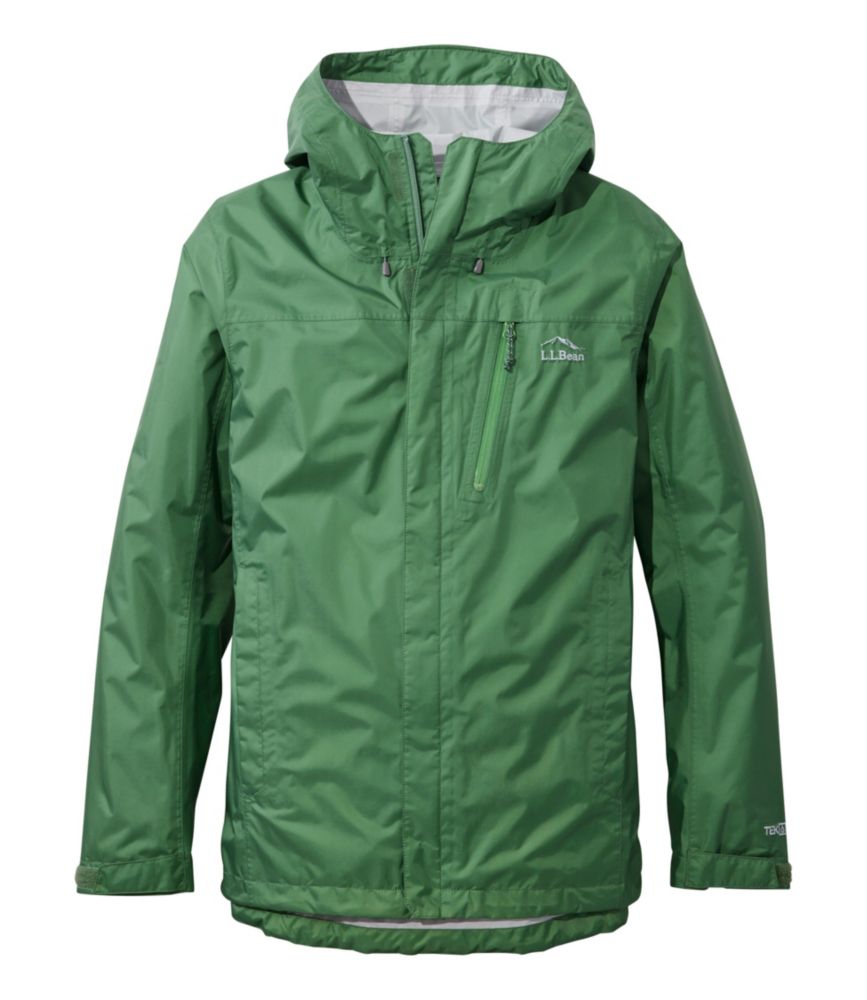
Men's Trail Model Rain Jacket
L.L.Bean Men's Trail Model Rain Jacket
A waterproof, windproof blue jacket made from 100% recycled nylon with adjustable hood and packable design.
(2,731)
$99.95 $99.95
SALE
$99.95 $99.95
SALE
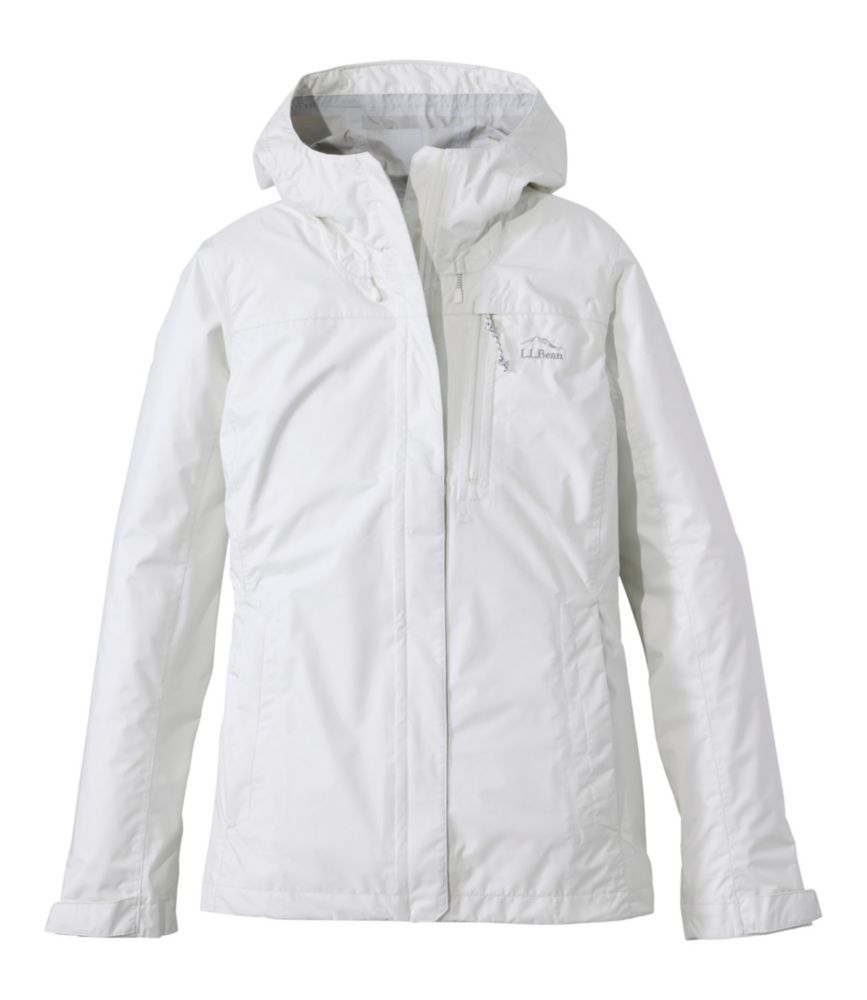
Women's Trail Model Rain Jacket, Fleece-Lined
L.L.Bean Women's Trail Model Rain Jacket, Fleece-Lined
A blue waterproof rain jacket with cozy fleece lining, recycled nylon shell, and adjustable hood for warmth.
(0)
$120 $120
SALE
$120 $120
SALE
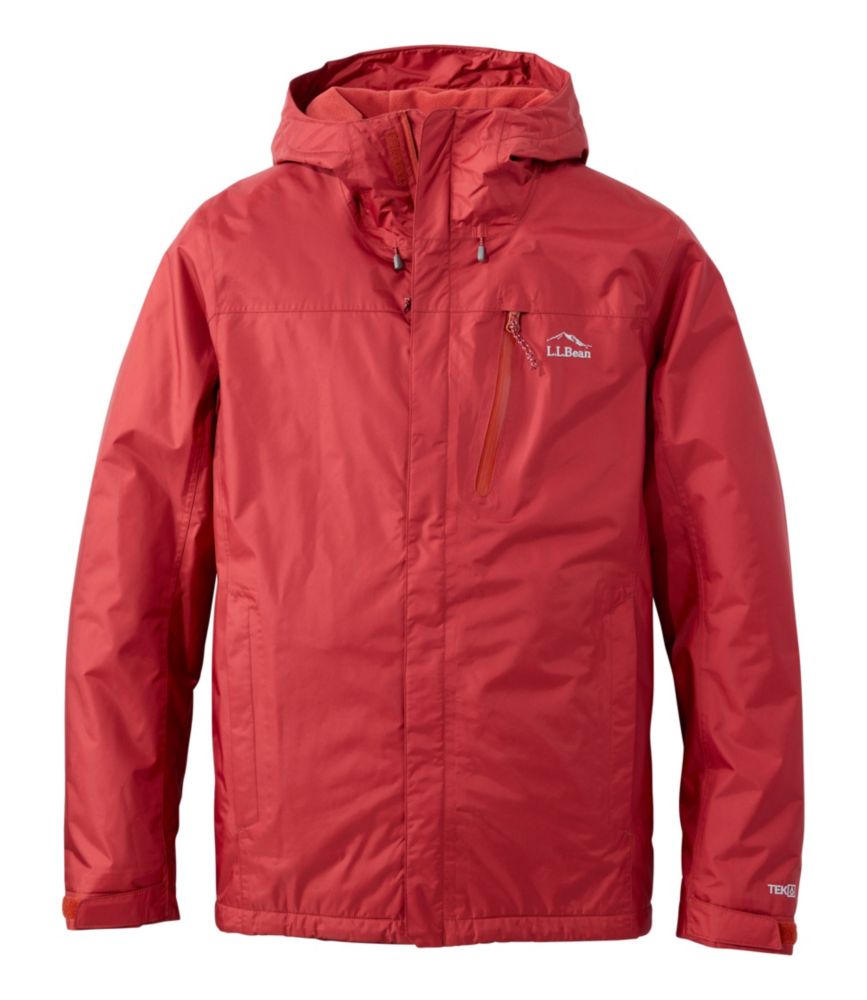
Men's Trail Model Rain Jacket, Fleece-Lined
L.L.Bean Men's Trail Model Rain Jacket, Fleece-Lined
A red waterproof rain jacket with cozy fleece lining, recycled nylon shell, and adjustable hood for comfort.
(0)
$120 $120
SALE
$120 $120
SALE

Trail Model Jackets

Trail model jackets offer a starting point for choosing outerwear with an outdoors-inspired look and a place in a thoughtfully selected wardrobe. A jacket is a personal choice: its shape, length, and overall appearance can matter as much as the size printed on the label. Some people prefer a closer silhouette, while others like a more relaxed outline that feels consistent with the rest of their clothing. Looking at the jackets in this collection alongside familiar wardrobe favorites can make those preferences easier to recognize. Think about the proportions of a favorite shirt, the rise of frequently worn pants, and whether a shorter or longer jacket looks most natural with them. A straightforward design can appeal to someone who favors understated clothing, while a more distinctive combination of lines and details may suit someone who likes outerwear to be a noticeable part of an outfit. Neither approach requires a completely new wardrobe; the goal is to find a jacket that feels like a natural addition to what is already there. Product photographs are helpful for comparing the front, back, and side views, especially when assessing where a hem falls or how the overall shape looks when the jacket is closed. Look beyond the first image and consider which details draw attention and which keep the appearance simple. For a broader look at the collection’s clothing, explore Trail Model Hiking Apparel alongside the jackets shown here. Comparing the visual character of different pieces can help bring personal preferences into focus without making every part of an outfit match. A well-chosen jacket should feel like something its wearer would reach for by choice, not something that asks them to change their style. That sense of familiarity is often what separates an appealing photograph from a wardrobe addition that feels genuinely right.

Fit deserves a closer look than simply choosing the same size in every jacket. Start with the measurements requested in the size chart, then read the accompanying fit description to understand how the listed size relates to the jacket’s shape. A size label and a fit description answer different questions: one helps identify the appropriate measurements, while the other provides context for the intended silhouette. If a favorite jacket already fits well, use it as a reference for preferences such as sleeve length and hem placement, taking care to distinguish garment measurements from body measurements. When trying on a jacket, wear the type of clothing expected underneath rather than judging the fit over something unusually thin or bulky. Close the front, let the arms hang naturally, and notice where the shoulder area and cuffs sit. Then reach forward, bend the elbows, and sit down. These simple movements help reveal whether the proportions suit the wearer more clearly than a still view in the mirror. Someone who likes a neat outline may assess extra room differently from someone who prefers a looser fit, so personal preference belongs in the decision alongside the chart. Materials also deserve attention, with the fabric composition and construction information for each jacket providing the most useful starting point. A photograph can show the general appearance of a surface, but it cannot fully communicate how that fabric feels in the hand. Read the stated details rather than relying on an image or collection name to answer every question. The same approach applies to intended use: compare the description of an individual jacket with the wearer’s plans and expectations. If a particular feature matters to that choice, confirm it in the jacket’s details. This keeps the comparison grounded in the information that matters most, whether the shopper is refining a familiar preference or choosing a different jacket shape for the first time.

Care requirements and long-term ownership are worth considering before settling on a jacket, especially for anyone who prefers a straightforward clothing routine. Check the care information for the individual garment and consider how it fits with existing laundry habits. Some shoppers are comfortable giving clothing extra attention, while others prefer to keep their routines as simple as possible; recognizing that preference helps make a more practical choice. Once a jacket becomes part of the wardrobe, keep its care label as the reference for washing, drying, and any other treatment. Follow the stated directions rather than assuming that every piece of outerwear should be cleaned the same way. Before cleaning, empty any pockets and check the garment for areas that need attention, using only methods consistent with its instructions. Afterward, follow the drying directions before returning it to storage. Durability is another consideration best approached through the individual jacket’s construction details and care requirements rather than appearance alone. Neither a substantial-looking fabric nor a crisp product photograph tells the complete story of how a garment should be maintained. A little attention to loose threads, closures, or visible wear can help identify when a closer inspection or repair may be appropriate. For a gift, this same thoughtful approach starts with the recipient’s preferences. A partner who always chooses a particular jacket length, a sibling with a clearly defined style, or a friend who has mentioned replacing a familiar piece may provide useful clues. Confirm measurements when possible and pay attention to the shapes they already enjoy wearing. A jacket can be a personal gift without being a surprise in every detail; asking about fit often shows more consideration than guessing. Whether chosen for someone else or for a personal wardrobe, trail model jackets invite a deliberate comparison of style, proportions, garment information, and care. The strongest choice is the one that brings those considerations together in a way that feels natural to its wearer, with a look they enjoy and details they have taken the time to understand.
Read More

FAQs