It's time to upgrade your browser

Your current browser is no longer supported on llbean.com. Please upgrade to one of the following for a smoother, safer shopping experience with us:

Thin Waterproof Gloves

Find thin waterproof gloves that combine a slim profile with waterproof coverage. Explore the selection and compare each pair’s sizing, fit and care details to help choose the right gloves for you.
Read More
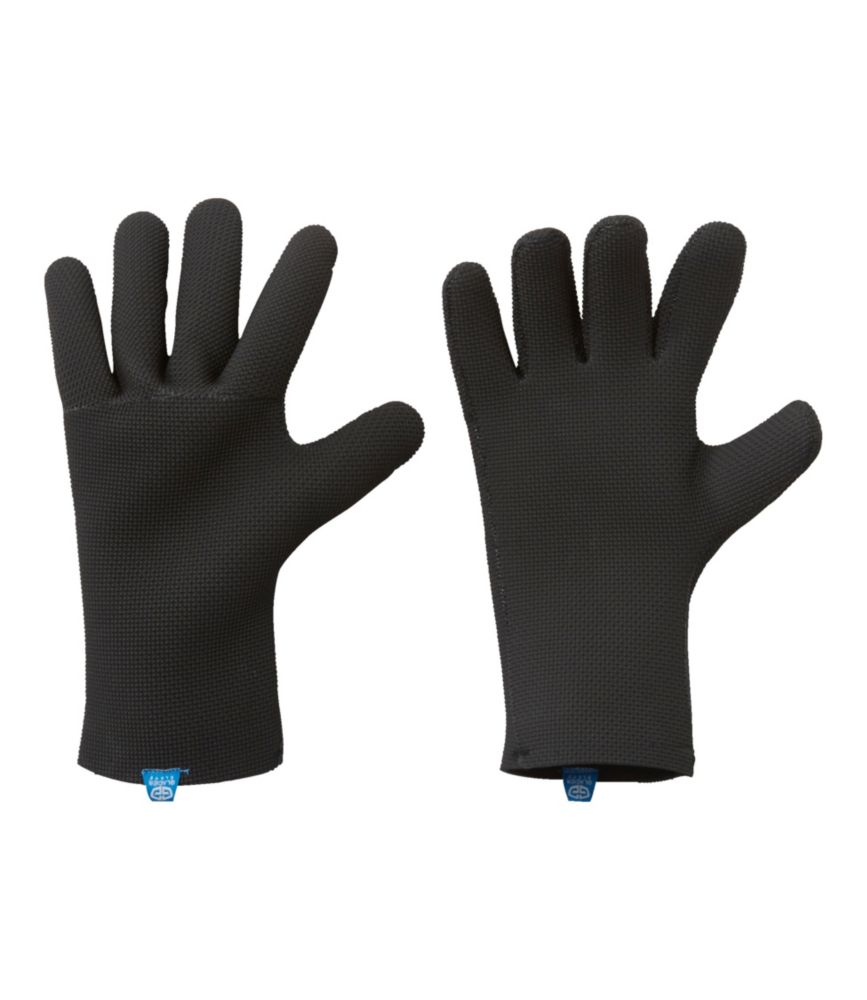
Men's Glacier Glove Ice Bay Neoprene Gloves
Glacier Glove Men's Glacier Glove Ice Bay Neoprene Gloves
A pair of ultrawarm, waterproof black neoprene gloves with fleece lining for excellent finger dexterity.
(0)
$39.95 $39.95
SALE
$39.95 $39.95
SALE
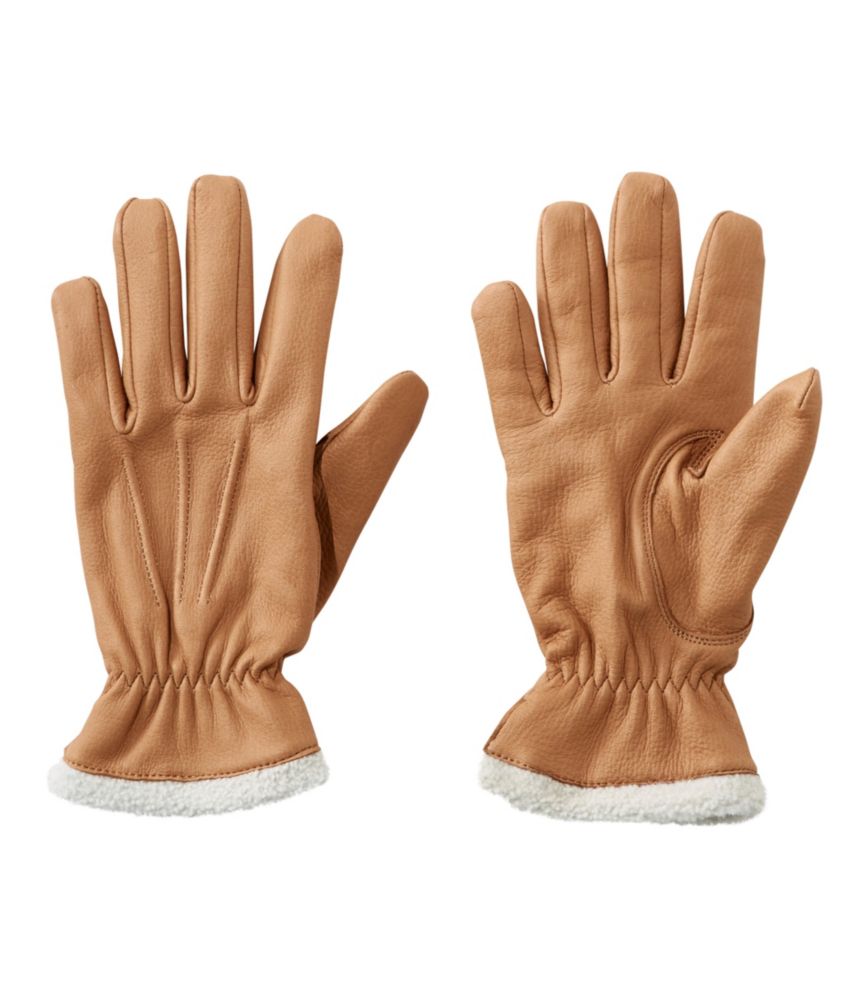
Women's Deerskin Glove
L.L.Bean Women's Deerskin Glove
A rugged deerskin leather glove with Thinsulate™ insulation, shearling cuff, and water-resistant treatment for lasting warmth.
(302)
$110 $110
SALE
What customers like:
Beautiful look
Perfect fit
Exceptional warmth
Soft and comfortable
Well made
$110 $110
SALE
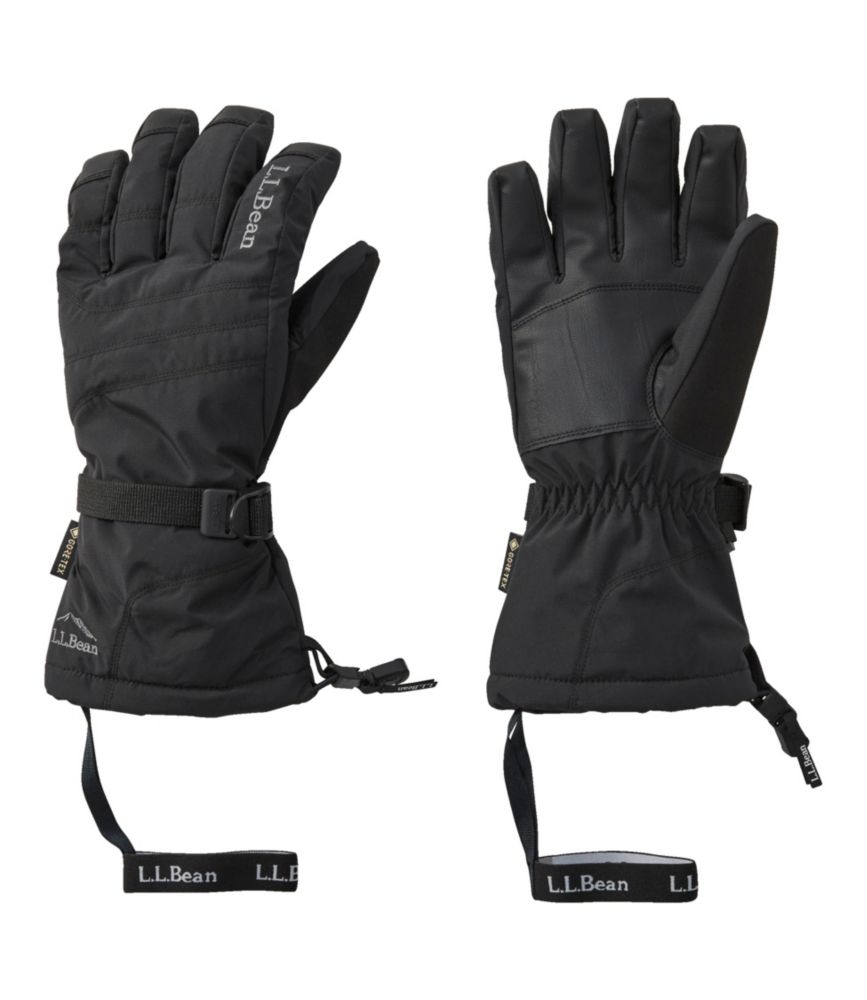
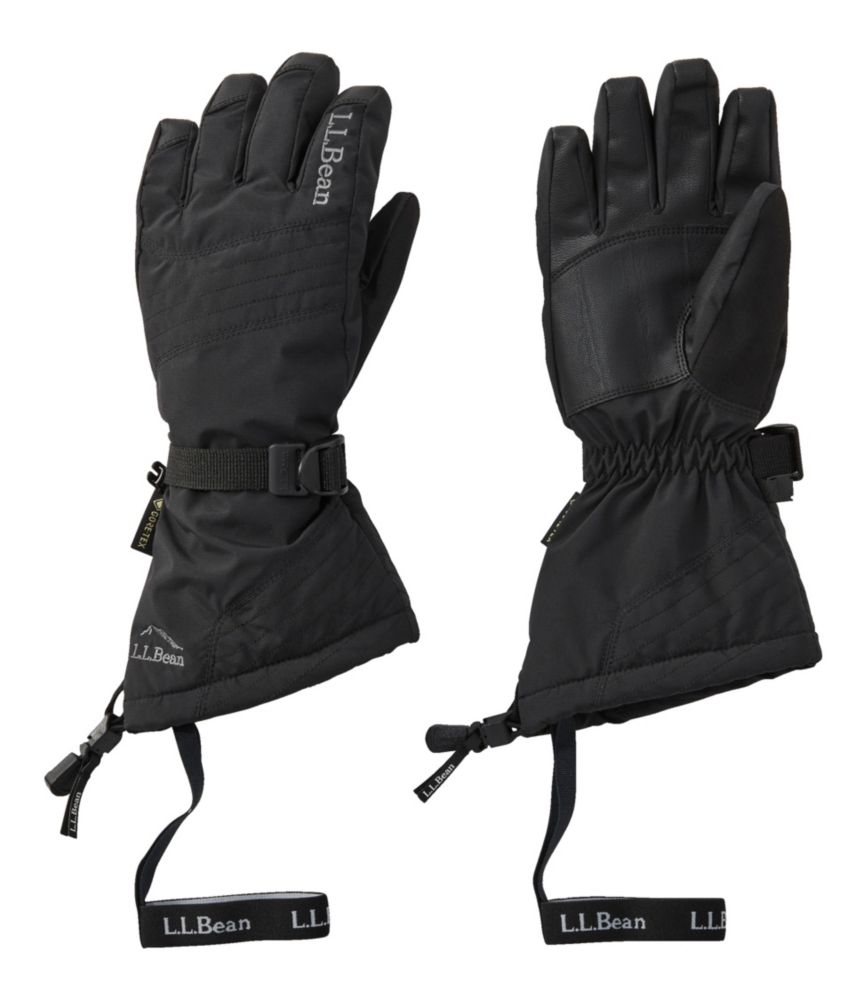
Adults' Wildcat GORE-TEX Ski Gloves
L.L.Bean Adults' Wildcat GORE-TEX Ski Gloves
A versatile, waterproof ski glove with PrimaLoft Gold insulation, removable gauntlet, and secure ski pass pocket.
(0)
$110 $87.99
SALE
$110 $87.99
SALE
Men's Deerskin Gloves
L.L.Bean Men's Deerskin Gloves
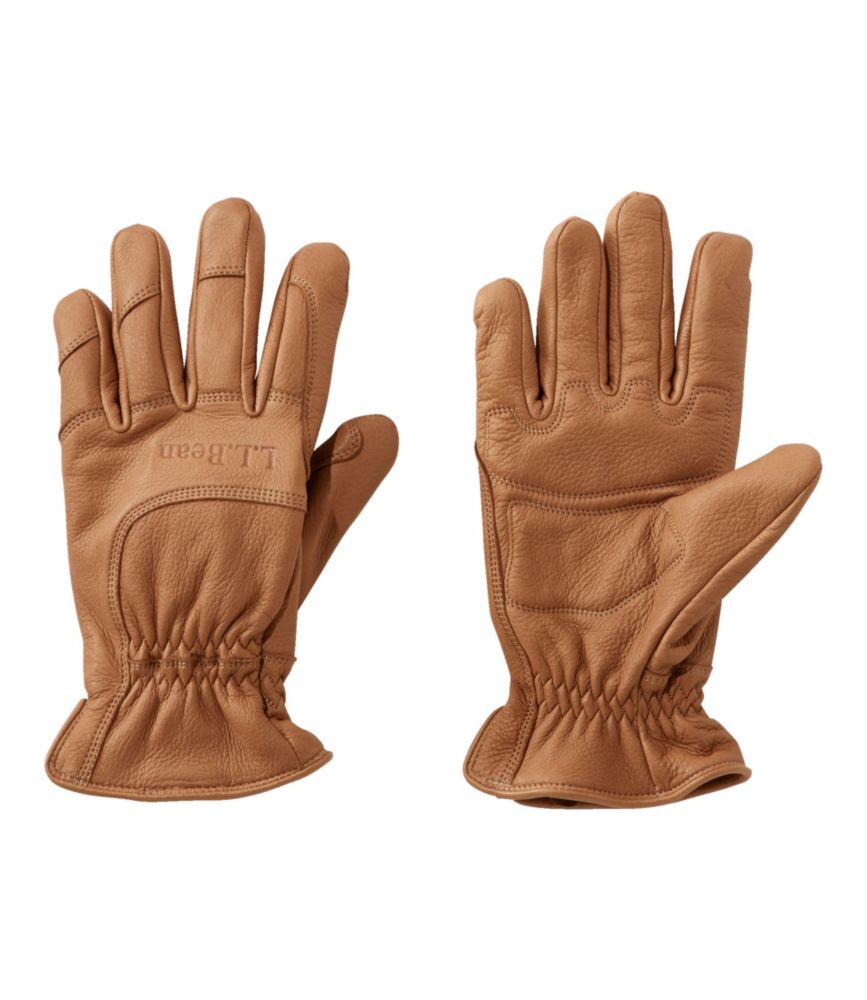
A pair of saddle-colored, water-resistant deerskin leather gloves with Thinsulate™ insulation and polyester lining.
(559)
$110 $110
SALE
What customers like:
High performance
Attractive appearance
Great quality
Good fit
Excellent warmth
$110 $110
SALE
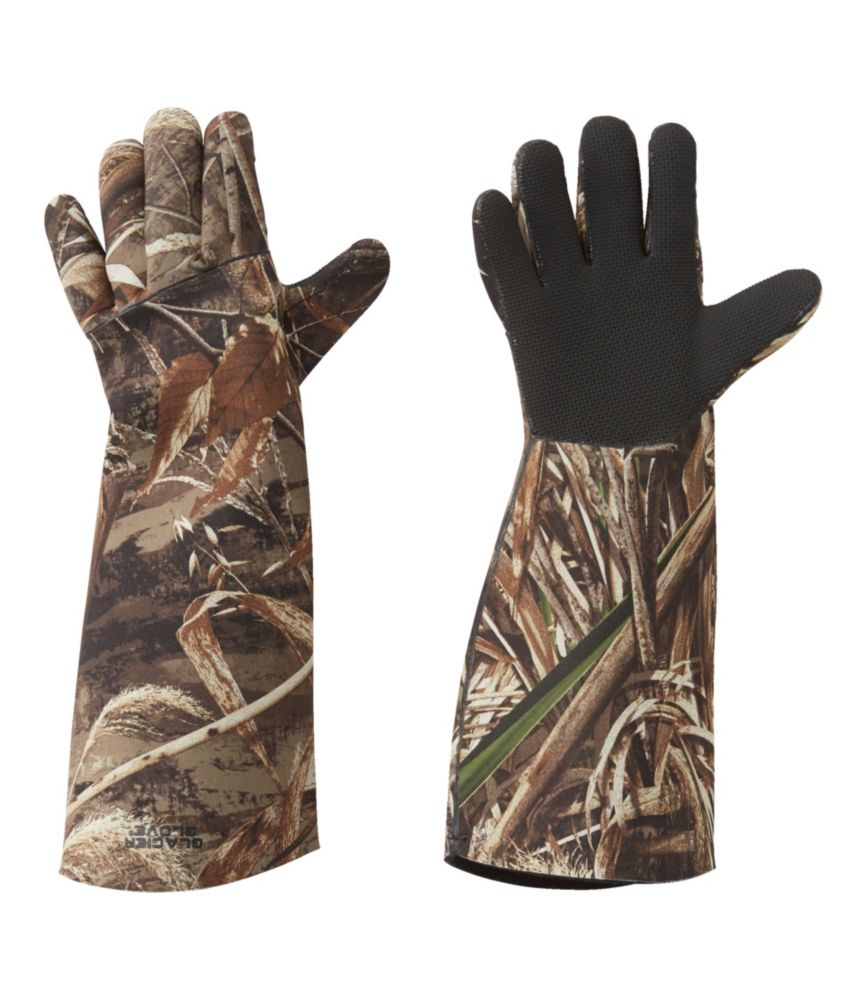
Men's Glacier Glove Neoprene Decoy Gloves
Glacier Glove Men's Glacier Glove Neoprene Decoy Gloves
A pair of camouflage neoprene hunting gloves with fleece lining, waterproof and elbow-length for handling wet decoys.
(0)
$39.95 $39.95
SALE
$39.95 $39.95
SALE

Thin Waterproof Gloves

Thin waterproof gloves bring together two distinct qualities: a less bulky profile and waterproof protection. Both matter when choosing gloves for wet weather, but neither tells the whole story of how a pair will fit or feel. Thin describes the profile, not a particular level of warmth, while waterproof describes protection against water rather than every aspect of weather protection. Keeping those distinctions in mind makes it easier to compare styles without expecting features their descriptions do not promise. A slim-looking glove can have a different feel from another in the same size, especially around the fingertips, across the palm, and at the wrist. The shape of the fingers and the proportions of the hand are just as important as the size printed on the label. For someone who dislikes a crowded feeling around the hands, those details can be central to the choice. Others may prefer a closer fit, provided the glove does not pull across the knuckles or press against the ends of the fingers. The appeal of this category is straightforward: waterproof gloves with a thin profile, rather than the assumption that more bulk is always the answer. Rain, dripping branches, and damp outdoor surroundings give waterproof protection a practical place in an outdoor wardrobe, but the specific conditions a glove is intended for should come from its own description. Waterproof should not be read as a promise of suitability for prolonged immersion or every kind of exposure to water. Likewise, a thin design does not automatically mean touchscreen compatibility, a particular palm surface, or a specific level of finger movement. Those are separate details worth confirming. Looking at the category this way leaves room for personal preferences while keeping the focus on the two qualities that define it: thin construction and waterproof protection.

Fit gives those broad qualities a more personal meaning. Thin waterproof gloves should be considered in relation to the whole hand, not just finger length. A pair may appear right at the fingertips yet feel tight at the base of the thumb, or sit comfortably across the palm while leaving too much empty space at the ends. Size charts can help distinguish between those differences, particularly when they specify hand circumference, hand length, or both. Measurements should follow the method shown for the gloves being considered, since the same size name does not establish identical proportions across every style. With the gloves on, a relaxed hand and a gently closed fist offer different views of the fit. Pressure at the finger webs, tension across the back of the hand, or a cuff that feels restrictive can all be reasons to reconsider the size or shape. A little attention here is more useful than choosing a smaller size simply to make the gloves look thinner. The wrist deserves consideration, too: cuff length and shape affect where the glove sits in relation to a sleeve, and that meeting point is part of the overall fit. Material information adds another useful layer to the comparison without replacing it. The listed composition, interior details, and construction notes provide a clearer picture than appearance alone; a photograph cannot establish exactly how the inside will feel against the hand. Preferences about texture are personal, especially for something worn directly against the fingers and palm. There is no single material description that settles every question about comfort, fit, or waterproof construction. For shoppers also comparing a thin profile with an explicitly insulated design, Thin Insulated Gloves offers a related category to explore. Insulation and waterproof protection are separate considerations, so the description of each pair remains the best place to confirm whether it includes one, the other, or both.

Care and condition are part of choosing gloves thoughtfully, particularly when waterproof protection is a defining feature. A preferred care routine is worth considering alongside fit and appearance: some shoppers are comfortable following a more particular cleaning process, while others want to know the care requirements before making a selection. The care label should determine the cleaning method, water temperature, drying approach, and any restrictions on cleaning products. A familiar routine used for another pair of gloves is not necessarily appropriate, even when the two look similar. Direct heat, machine washing, and tumble drying should never be assumed suitable without checking the instructions. Following the stated drying directions before putting gloves away is a practical part of keeping them ready for their next wear. Between cleanings, attention to the fingertips, seams, palm, and cuff can help reveal changes in condition that deserve a closer look. A thin profile alone does not establish how long gloves will last, and appearance by itself cannot confirm that waterproof protection remains unchanged. Durability depends on the particular construction, how the gloves are used, and how they are cared for; no broad category label replaces those details. Intended use matters for the same reason. Someone comparing gloves for a particular outdoor pursuit should look for that purpose in the individual description rather than treating thin waterproof gloves as interchangeable equipment for every activity. Familiar preferences can make the choice more personal, whether the gloves are for the shopper or a gift for an adult family member or friend who enjoys time outside. Knowing the recipient’s hand measurements, preferred cuff shape, and feelings about a close fit is more helpful than guessing from a general clothing size. An existing pair they like can offer a useful reference for proportions, though its size label should still be checked against the new size chart. The most considered choice brings the details together: the thin profile someone prefers, the waterproof protection they are looking for, a suitable fit, and care requirements they understand. Those concrete points give this collection its relevance without asking any one feature to stand in for all the others.
Read More

FAQs