It's time to upgrade your browser

Your current browser is no longer supported on llbean.com. Please upgrade to one of the following for a smoother, safer shopping experience with us:

Strobel Board Shoes

Explore strobel board shoes and compare the available styles to find a pair that suits your preferences. Check individual product descriptions for construction details and sizing guidance to help narrow your choices.
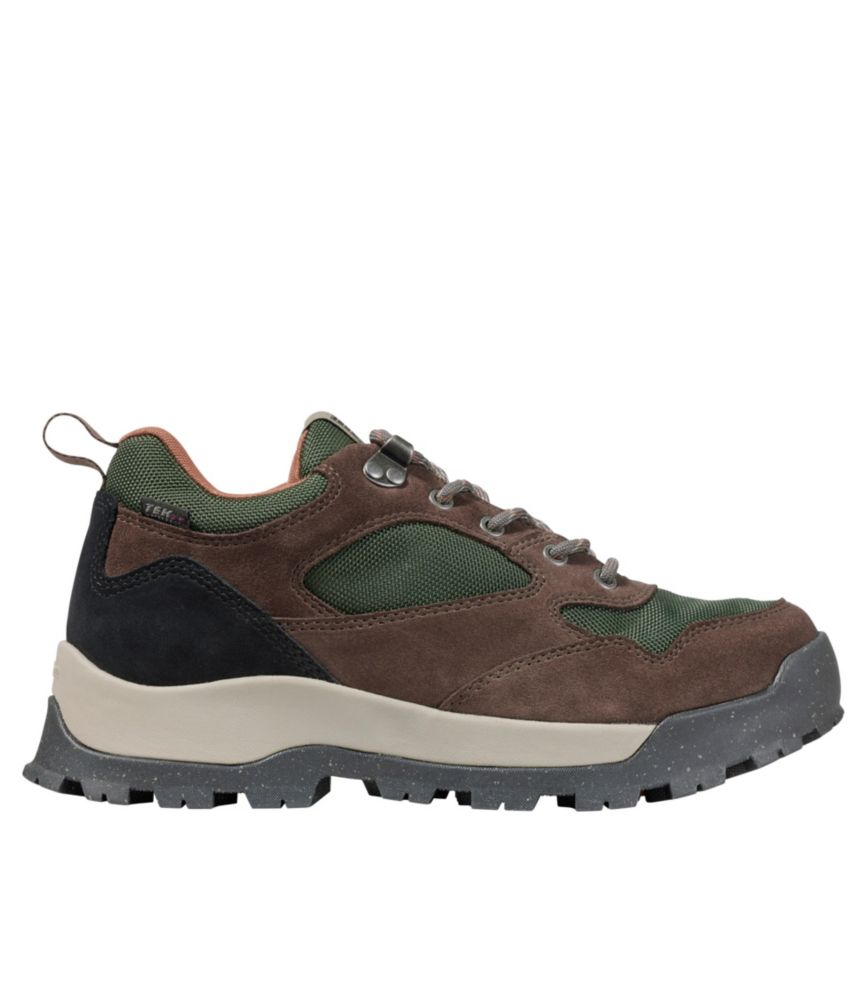
Men's Heritage Hiking Shoes, Waterproof
L.L.Bean Men's Heritage Hiking Shoes, Waterproof
A gray waterproof hiking shoe with suede-and-nylon construction, cushioned comfort, and grippy rubber traction.
(0)
$140 $94.99
SALE
$140 $94.99
SALE
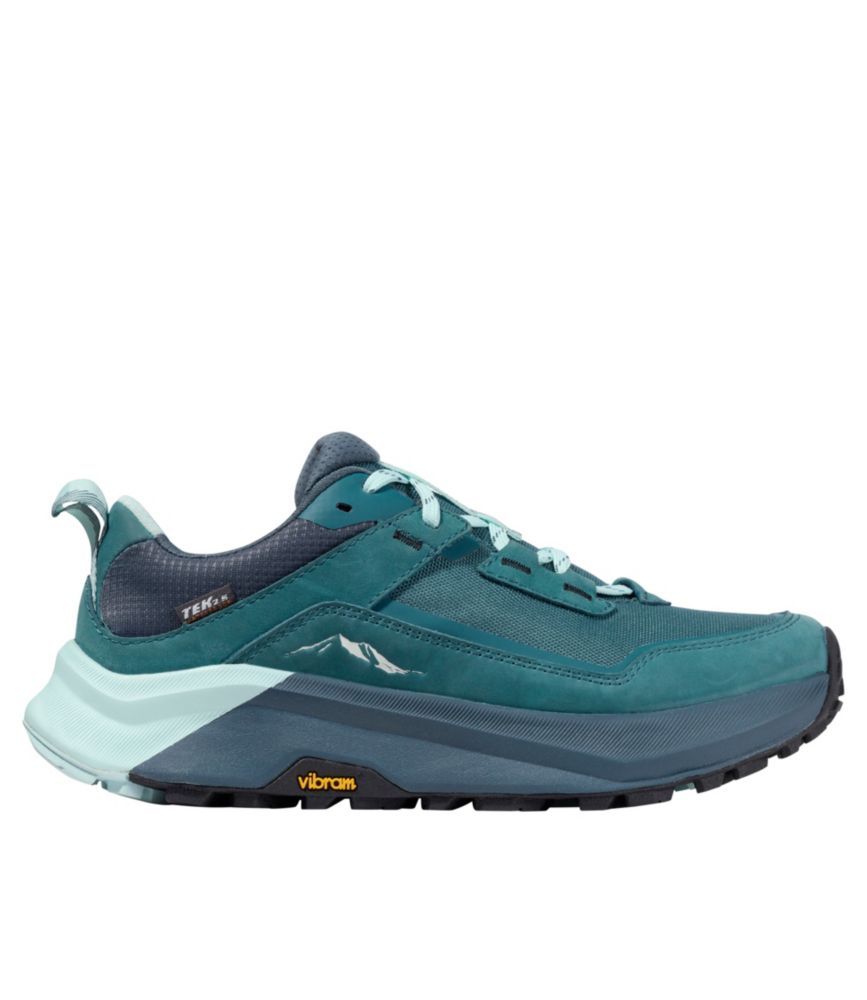
Women's NextVenture Hiking Shoes, Waterproof
L.L.Bean Women's NextVenture Hiking Shoes, Waterproof
A blue waterproof hiking shoe with mesh, leather and rubber construction, EVA midsole and Vibram traction.
(0)
$150 $150
SALE
$150 $150
SALE
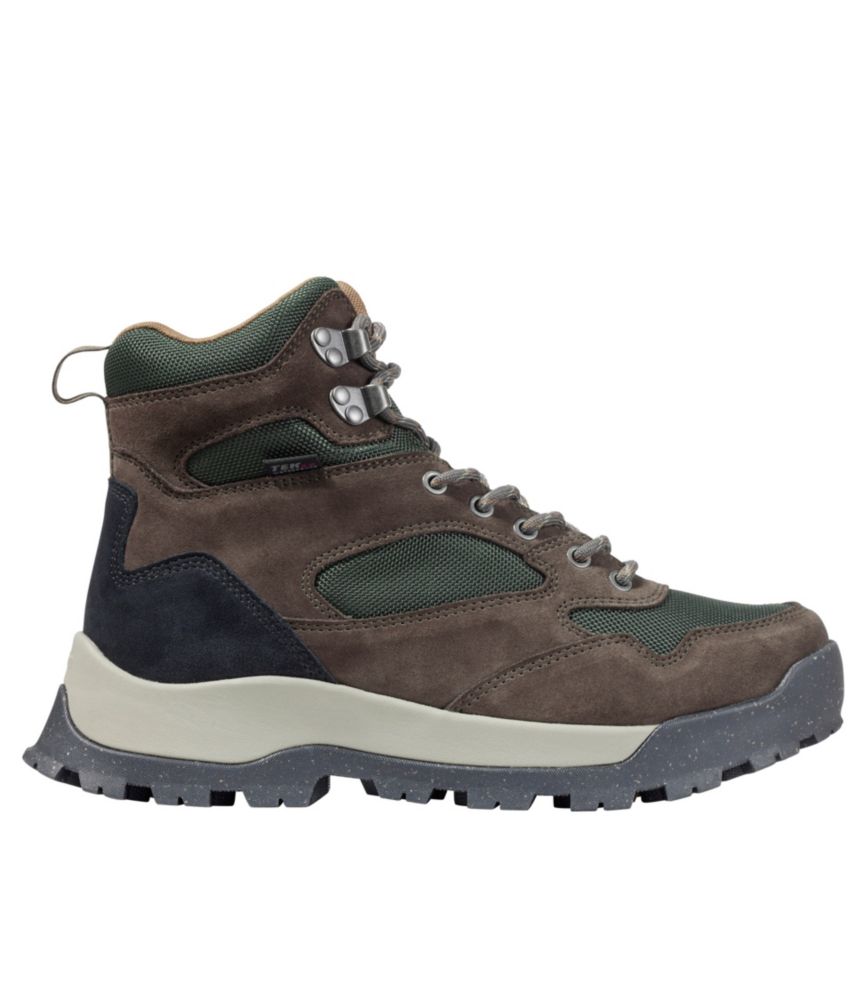
Men's Heritage Hiking Boots, Waterproof
L.L.Bean Men's Heritage Hiking Boots, Waterproof
Waterproof gray hiking boots with suede-and-nylon uppers, cushioned EVA midsoles, and grippy trail outsoles.
(0)
$150 $99.99
SALE
$150 $99.99
SALE
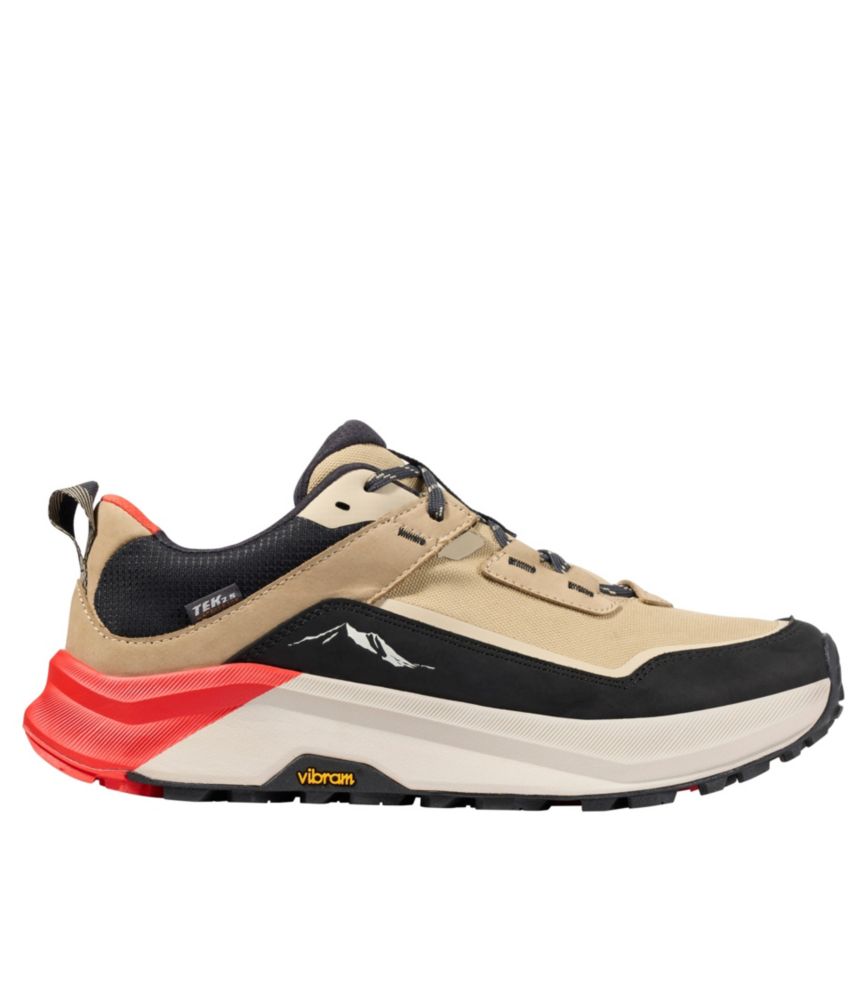
Men's NextVenture Hiking Shoes, Waterproof
L.L.Bean Men's NextVenture Hiking Shoes, Waterproof
A tan waterproof hiking shoe with breathable protection, cushioned EVA comfort, and Vibram® traction for trails.
(0)
$150 $150
SALE
$150 $150
SALE

Strobel Board Shoes

Strobel board shoes take their name from a construction method in which the shoe’s upper is stitched to a base, called the Strobel board, before the outsole is attached. The term describes how a shoe is assembled, rather than a particular appearance, material, or intended activity. The upper is the portion that surrounds the foot, while the outsole forms the bottom surface that meets the ground. The Strobel board is part of the shoe’s internal construction, not another name for the outsole or a removable insert. That distinction is helpful when comparing footwear: a construction term explains one part of the design, but the full description tells you much more about the finished shoe. Shape, sizing, materials, closures, and care requirements still deserve individual attention. Two shoes associated with the same construction method need not look alike or fit alike, so the name is a starting point rather than a complete description. Begin with the overall silhouette and the details visible in the photographs. Notice the outline of the toe, the height around the ankle, the arrangement of seams, and the proportions of the sole. A side view can reveal a different impression than a photograph taken from above, while a closer view may help clarify details that are difficult to judge at a glance. Consider how those details relate to footwear you already enjoy wearing. Perhaps a rounded toe appeals more than a tapered outline, or a simpler design feels more at home beside the rest of your wardrobe. These are useful distinctions that a construction name alone cannot settle. When comparing Strobel board shoes, keep the assembly method in perspective and give equal attention to the information that helps you recognize a pair suited to your preferences. The most useful comparison brings the construction description, visible design, and individual specifications together.

Fit deserves its own careful look, separate from appearance or construction terminology. Start with the size chart and any fit notes supplied for the shoes, then compare those details with your foot measurements rather than relying entirely on the number printed inside an older pair. Foot length is only part of the picture; width, toe shape, and the space over the top of the foot can also influence how a shoe feels. Measure both feet, and account for any difference when reviewing the sizing guidance. When trying shoes on, wear the socks you expect to pair with them and take time to assess both feet. Stand naturally, check the space around the toes, and notice whether the heel stays in place without an uncomfortable squeeze. A few steps on a clean indoor surface can help you notice rubbing, pressure, or unwanted movement that may not be obvious while seated. If the design includes an adjustable closure, adjust it before deciding on fit rather than leaving it exactly as it came out of the box. Avoid assuming that a construction method guarantees a particular fit or that an uncomfortable area will necessarily change with wear. The individual shoe’s guidance is more useful than a broad promise attached to a technical term. For a gift, the recipient’s preferred size is helpful, but so are their usual width, favorite toe shape, and preference for different closures. Someone who is particular about footwear may appreciate being involved in the selection, especially when the shape differs from a familiar pair. If the search also includes a different silhouette, Street Boots is another footwear category to explore. In either category, compare the details of each design rather than expecting the category name to answer every question about fit. A little attention at this stage makes the choice more personal and better informed.

Materials, care, and condition are the next considerations, and each depends on the finished shoe rather than the Strobel name alone. Read the material information for the upper, lining, and sole separately where those details are provided. A construction description does not establish the composition of every component, and appearance alone may not tell the full story. The same applies to intended use: if you have a particular activity in mind, check that the individual shoe is described for it instead of drawing that conclusion from the assembly method. Care should begin with the instructions supplied for the footwear. Before choosing a cleaner, brush, washing method, or drying method, confirm what those instructions allow. Advice for another pair is not automatically appropriate, even when the two look similar. Keep any care information somewhere easy to find so there is no need to guess when a mark or spill needs attention. Where a care label permits a cleaning treatment, follow its directions and any testing guidance before treating a larger area. Give the seams, edges, and less visible sections the same attention as the most noticeable parts of the upper. An occasional inspection can also help you keep track of condition: look for loose stitching, changes along the edges where components meet, and uneven wear on the bottom. Those observations are more informative than assuming a construction label predicts how long every pair will last. If a repair is needed, a footwear repair professional can assess the actual shoe and explain the options; the word “Strobel” by itself is not a repair plan. When comparing choices, look for clear information about construction, composition, fit, intended use, and care rather than treating any single detail as a substitute for the rest. Strobel board shoes are best understood through that complete picture: how they are put together, how the particular design fits, and what its own instructions say about looking after it. That approach keeps the focus on the footwear itself and the details that matter to the person wearing it.

FAQs