It's time to upgrade your browser

Your current browser is no longer supported on llbean.com. Please upgrade to one of the following for a smoother, safer shopping experience with us:

Size 10 Hiking Boots

Shop size 10 hiking boots and compare styles for your next hike. As you narrow your choices, check each pair’s sizing and fit information, including available widths and any recommendations for choosing your size.
Read More
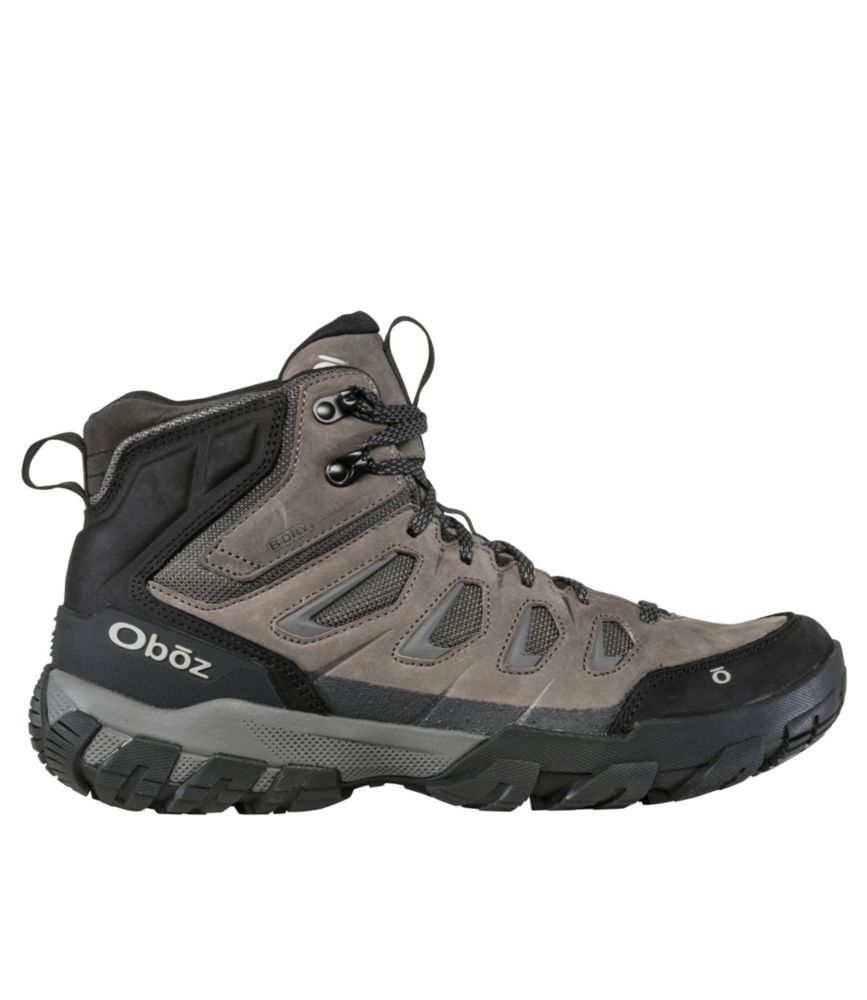
Men's Oboz Sawtooth X B-DRY Hikers, Mid
Oboz Men's Oboz Sawtooth X B-DRY Hikers, Mid
A gray waterproof hiking boot with nubuck leather, cushioned support, and multidirectional traction for rugged trails.
(93)
$200 $200
SALE
What customers like:
Great support
High comfort
Excellent fitting
Superior quality
$200 $200
SALE
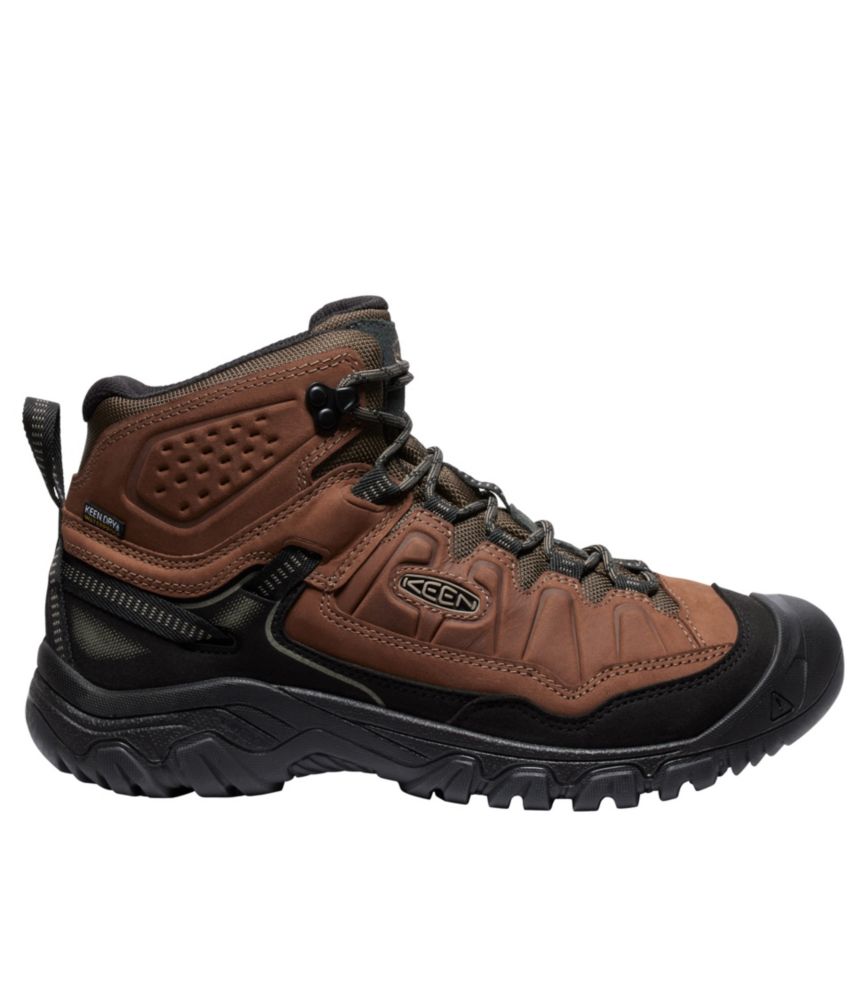
Men's Keen Targhee IV Mid Waterproof Hiking Boots
Keen Men's Keen Targhee IV Mid Waterproof Hiking Boots
A waterproof mesh-and-leather hiking boot with cushioned support, heel stability, and durable, nonmarking traction.
(0)
$180 $180
SALE
$180 $180
SALE
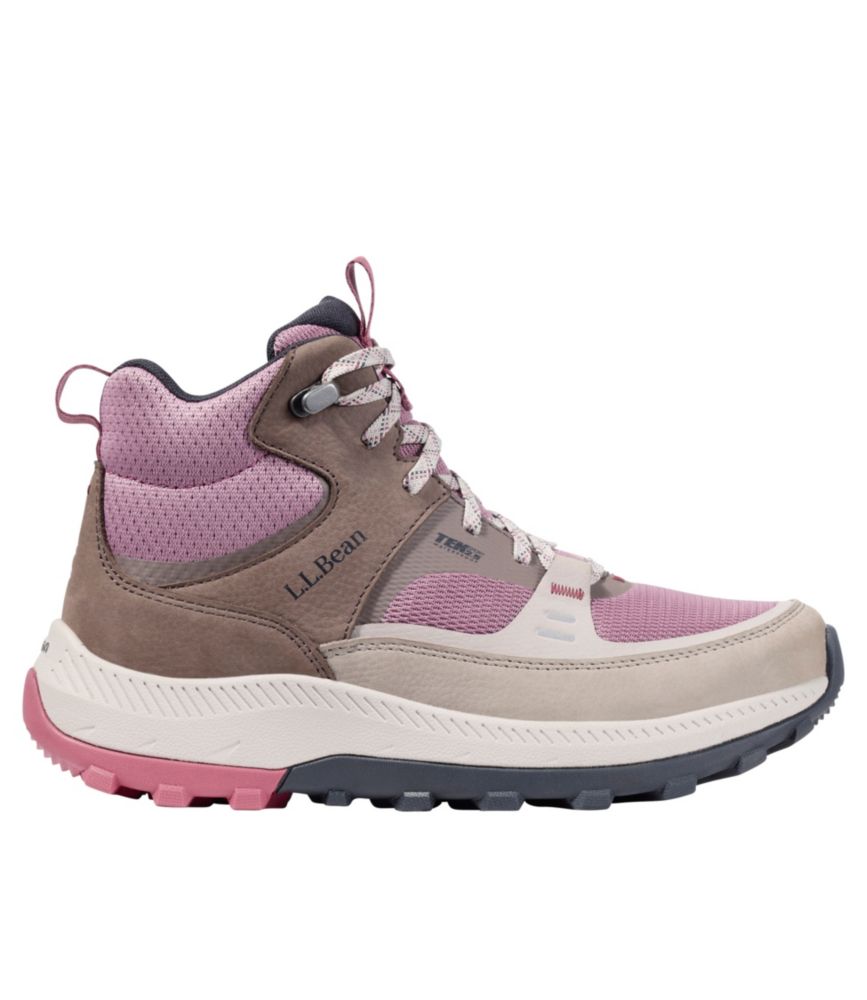
Women's Access Hiking Boots, Waterproof
L.L.Bean Women's Access Hiking Boots, Waterproof
A waterproof mesh-and-nubuck hiking boot with cushioned support and grippy rubber traction for damp trails.
(0)
$150 $150
SALE
$150 $150
SALE
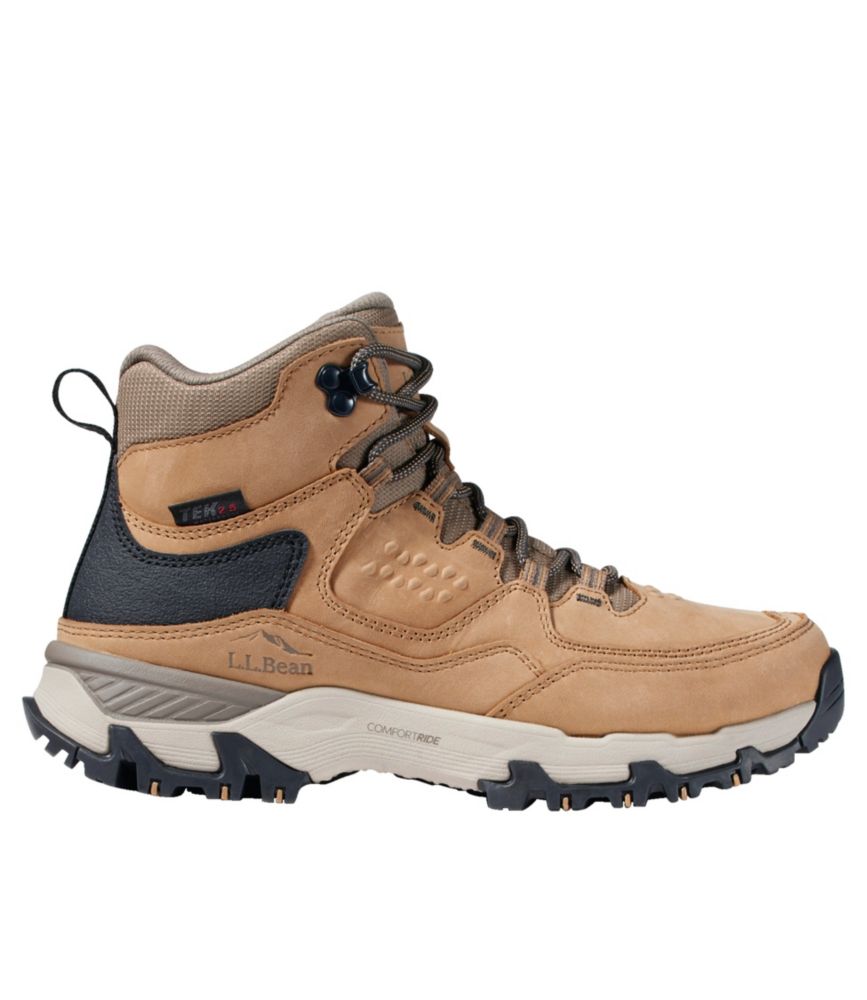
Women's Trail Model X Waterproof Hiking Boots, Leather
L.L.Bean Women's Trail Model X Waterproof Hiking Boots, Leather
A brown leather hiking boot with waterproof protection, wet traction, EVA cushioning, and ESS rock plate.
(0)
$130 $130
SALE
$130 $130
SALE

Size 10 Hiking Boots

Size 10 hiking boots give hikers a clear place to begin when size 10 is their usual footwear choice. The number is useful, but the sizing system matters just as much: a men’s size 10 and a women’s size 10 are not interchangeable, and a familiar size in one design does not guarantee the same fit in another. This collection brings the search into focus while leaving room for the details that make footwear a personal choice. Length, width and the shape of each foot all deserve consideration alongside the size label. A pair that looks right in a photograph still needs to feel right on the person wearing it. For someone planning a hike with friends, returning to a favorite trail or sharing a first hiking outing with a family member, that individual fit is an important part of choosing thoughtfully. The most useful comparisons begin with the size chart and any fit notes attached to the pair under consideration. Foot measurements provide more context than a remembered size alone, particularly when the last footwear purchase was some time ago. Measuring both feet also keeps the choice grounded in the wearer’s actual needs rather than an assumption that both feet are identical. If one foot is larger, that difference belongs in the decision. Width deserves the same attention as length; moving to a different numbered size is not automatically the answer to a width concern. Even within a focused size 10 selection, personal preferences may differ. Some hikers prefer a closer feel, while others dislike feeling crowded. The goal is not to find a universal version of the right boot, but a pair whose stated sizing and individual fit make sense for the person who will wear it.

Fit becomes easier to assess when the details reflect how the boots will actually be worn for hiking. The socks intended for the hike belong in the fitting process, rather than a different pair chosen simply because they are close at hand. Trying both boots gives a fuller picture than testing one and assuming the other will feel the same. Standing, taking several steps and paying attention to each foot can reveal more than a quick seated try-on. Notice whether the toes feel crowded, whether the heel moves more than expected and whether any part of the boot presses uncomfortably. Those observations are useful reasons to revisit the size chart or fit information, rather than dismissing them because the label shows a familiar number. Appearance also has a place in the choice, especially for hikers who enjoy a straightforward, timeless look, but it should sit alongside fit rather than replace it. Beyond sizing, individual product descriptions provide the place to check materials, construction and care requirements. A size designation alone does not explain those details, and a photograph cannot answer every question about ownership. For someone who likes to keep familiar footwear in use, understanding the recommended care routine is a practical consideration before making a selection. Cleaning and storage should follow the directions supplied for the particular pair, without assuming that a method used on other footwear will be appropriate. Any stated care limitations deserve attention, too. These are everyday details, but they help make the choice more complete: not just which pair has the preferred appearance, but which one comes with clear information the wearer can refer to after a hike. The same approach applies to durability expectations. Look for the individual construction details and care guidance rather than treating size, appearance or the word “hiking” as a promise about how long any pair will last.

Size 10 hiking boots can also be a thoughtful gift for a hiker whose footwear preferences are well understood. The most helpful starting points are the recipient’s actual sizing system, usual width and any known fit concerns—not a guess based on the number alone. Someone who regularly wears a men’s size 10 needs a different sizing reference from someone who wears a women’s size 10, and either person may have strong preferences about how boots feel. A gift chosen with those details in mind reflects attention to the person as well as an interest in the hikes they enjoy. It might be for a partner who plans the family’s hiking outings, a friend who always suggests another trail or a relative who enjoys taking time to look around along the way. Their hiking plans provide useful context, but individual descriptions remain the place to confirm whether a particular pair matches those plans. When shopping for more than one hiker, keeping each person’s measurements and preferences separate makes comparisons clearer. A household may need size 10 for one person and size 12 hiking boots for another; the different sizes reflect different wearers, not a reason to move several sizes away from an established fit. For a personal purchase, the same attention can make choosing a replacement pair more deliberate. Think about what felt right in previous hiking footwear, what did not and which questions still need an answer in the product details. There is no need to choose solely by resemblance to an older pair or by a size number remembered from years ago. A considered selection brings together the right sizing reference, a careful assessment of fit and a clear understanding of the individual pair. That keeps the focus where it belongs: on hiking boots chosen for the person who will wear them and the hiking they have in mind.
Read More

FAQs