It's time to upgrade your browser

Your current browser is no longer supported on llbean.com. Please upgrade to one of the following for a smoother, safer shopping experience with us:

Ruched Tops

Explore ruched tops with gathered detailing that adds texture and shape. As you browse, compare where the ruching sits and check each top’s fit and sizing details to find the style that’s right for you.
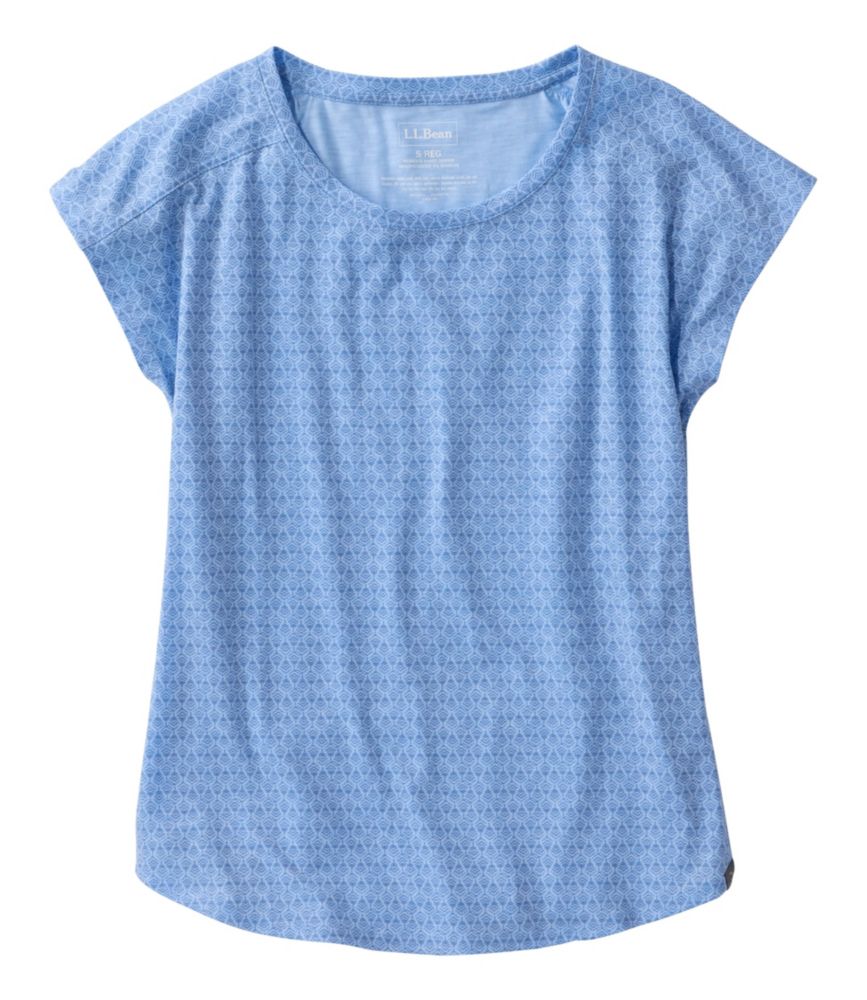
Women's Streamside Tee, Short-Sleeve Ruched Crew Print
L.L.Bean Women's Streamside Tee, Short-Sleeve Ruched Crew Print
A blue printed tee in ultrasoft polyester blend with moisture-wicking, quick-drying fabric and ruched sleeves.
(0)
$49.95 $29.99
SALE
$49.95 $29.99
SALE
Women's Camden Hills Tee, Three-Quarter-Sleeve
L.L.Bean Women's Camden Hills Tee, Three-Quarter-Sleeve
A red three-quarter-sleeve henley tee in soft TENCEL™ blend with a relaxed fit and high-low hem.
(0)
$54.95 $45.99
SALE
$54.95 $45.99
SALE
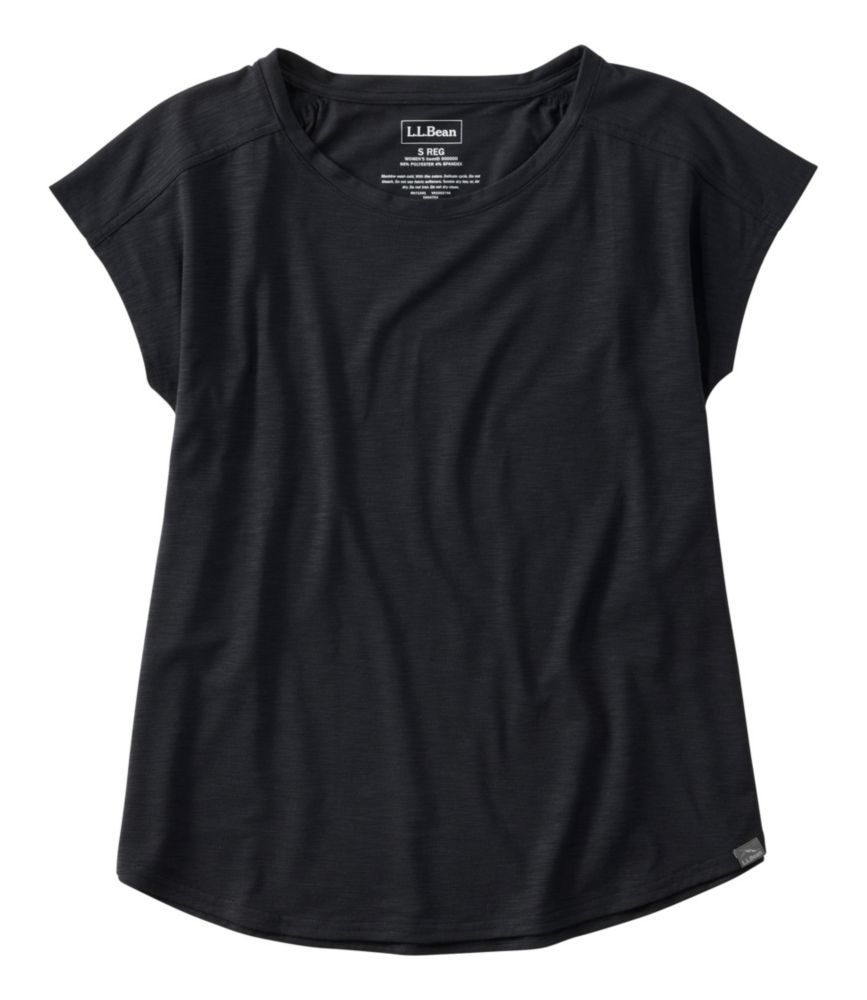
Women's Streamside Tee, Short-Sleeve Ruched Crew
L.L.Bean Women's Streamside Tee, Short-Sleeve Ruched Crew
A black polyester-blend tee with moisture-wicking, quick-drying performance, relaxed fit, and ruched short sleeves.
(0)
$44.95 $37.99
SALE
$44.95 $37.99
SALE

Ruched Tops

Ruched tops feature fabric gathered into small folds or ripples, creating a textured detail that becomes part of the top’s overall shape. Ruching can be a subtle accent or the main visual feature, depending on its placement and how closely the fabric is gathered. The detail gives the eye something to follow: a line of gathering, a cluster of folds, or a gently uneven hem. Placement makes a meaningful difference to the look. Gathering at the side draws attention to the outline of the top, while a centered detail creates a more symmetrical focal point. Ruching near a neckline frames the upper portion of the design, and gathering closer to the hem puts the emphasis lower down. These distinctions are useful when comparing styles that might look similar at first glance. The amount of gathering matters, too. Small, closely spaced folds have a different appearance from broader ripples, even when the overall silhouettes are alike. Neither approach is inherently better; the choice comes down to the amount of detail that feels right within an individual wardrobe. Neckline, sleeve shape, and hemline give that detail its setting. A simple neckline can leave the gathering as the main feature, while a more defined neckline adds another point of interest. In a solid color, the folds themselves may be the first thing noticed. With a pattern, the relationship between the print and the gathering becomes part of the design. Looking at the full silhouette, rather than the ruched section alone, helps reveal those differences. The appeal is often in that balance: a familiar top shape with a little more visual character, without needing an elaborate combination of details. For someone drawn to understated clothing, a small gathered accent may be enough. Someone who enjoys a more expressive silhouette may prefer the ruching to be more prominent.

Fit is a separate consideration from the appearance of the gathered detail. A ruched design does not replace the need to check measurements, length, and the shape of the garment as a whole. Size information is most useful when considered alongside the dimensions of a top that already fits as preferred. Bust measurements help establish a starting point, while shoulder position, sleeve length, and overall length add context that a size label alone cannot provide. The location of the ruching also deserves attention: a detail that appears near the waist in a photograph may sit differently depending on the wearer’s proportions. Front, side, and back views can help show how that detail relates to the rest of the top, especially when the hem is angled or the gathering appears on only one side. Personal preference matters just as much as measurements. Some people favor a clearly defined outline, while others prefer more room through the body; the most useful comparison is with shapes already enjoyed, rather than an assumed ideal. Outfit proportions offer another way to narrow the choice. A top’s hem can meet, overlap, or sit above the waistband of a chosen bottom, and each relationship changes the visual balance. If the gathering is concentrated near the hem, that detail may be partly hidden by a tuck. If it sits higher, the neckline and upper silhouette may remain the main focus. A familiar pair of straight-leg pants or a simple skirt can provide a helpful reference when picturing the complete outfit. The goal is not to follow a fixed styling formula, but to recognize which lines and details feel natural together. For a wider look at shapes and decorative details, Cute Tops offers a related place to browse. Ruching is one detail to consider alongside neckline, sleeve, length, and the overall balance of a design.

Fabric content, construction information, and care directions complete the picture when comparing ruched tops. Ruching describes the gathered detail, not a particular material, so the fiber information in an individual description remains important. Composition, garment measurements, and care instructions answer different questions, and none should be inferred from the gathered appearance alone. A close-up photograph may show the arrangement of the folds, but it cannot replace written information about the fabric or its care. This is particularly worth remembering when two tops have similar silhouettes: the visual resemblance does not establish that their materials or maintenance requirements are the same. Care labels are the right reference for washing, drying, and ironing directions, including any instructions that apply to decorative details. Established laundry habits can also help shape a practical choice. Someone who prefers a straightforward routine may want to compare care requirements before settling on a style, rather than discovering an unfamiliar instruction afterward. For construction and durability considerations, detailed views and descriptions are more informative than the amount of ruching itself. Seam finishing, stitching, and the way gathered sections meet the surrounding fabric are useful details to examine where that information is provided. More folds do not, by themselves, indicate better construction, just as a simpler appearance does not tell the whole story. The same thoughtful approach helps when choosing a gift. A recipient’s usual size is only part of the picture; preferred necklines, sleeve shapes, garment lengths, and appetite for decorative detail can make the choice more personal. A person whose wardrobe centers on clean lines may appreciate restrained gathering, while someone who often chooses distinctive shapes may be drawn to a stronger ruched detail. Familiar preferences are a better starting point than guessing at a completely different style. Taken together, the gathering, silhouette, measurements, and care information offer a clear basis for choosing a ruched top that feels consistent with the wearer’s own sense of style.

FAQs