It's time to upgrade your browser

Your current browser is no longer supported on llbean.com. Please upgrade to one of the following for a smoother, safer shopping experience with us:

Petite Linen Pants

Explore petite linen pants sized for shorter proportions, with the classic style of linen in a petite fit. Compare each pair’s sizing, inseam and cut to find the length and shape that suit your preferences.
Women's Premium Washable Linen Pull-On Pants
L.L.Bean Women's Premium Washable Linen Pull-On Pants
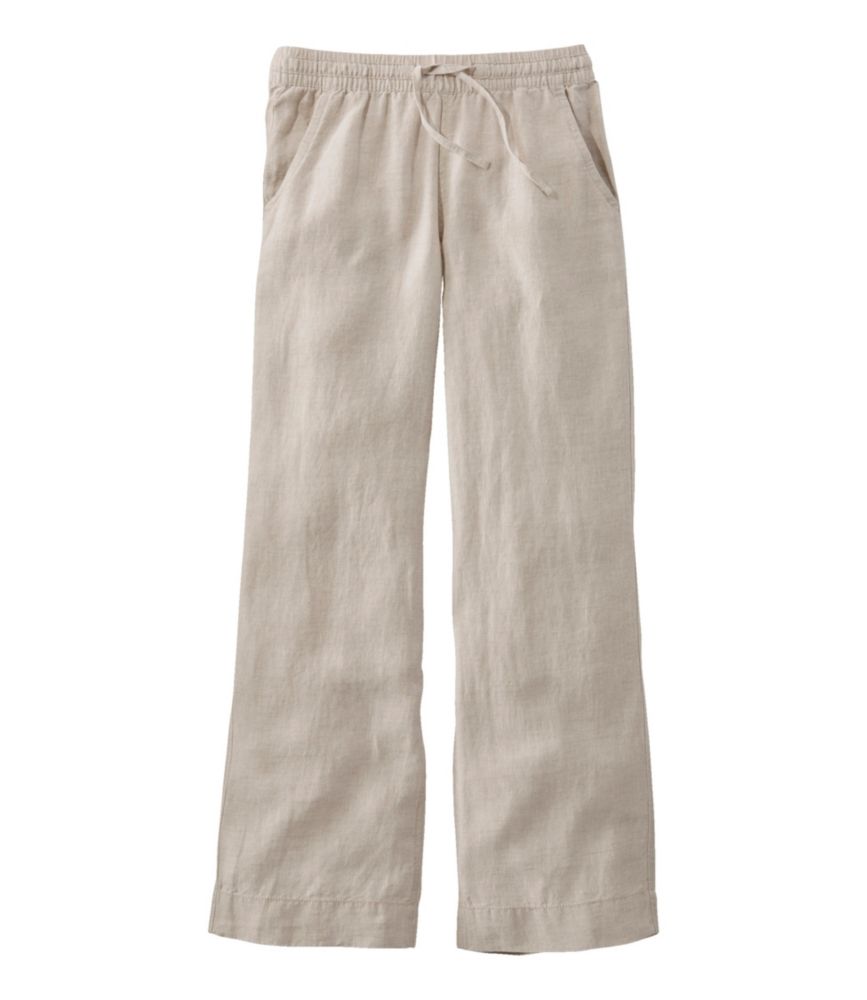
White linen pull-on pants with a relaxed straight-leg fit, elastic drawstring waist, and machine-washable softness.
(1,413)
$79.95 $79.95
SALE
What customers like:
Perfect fit
Softness
Great fabric quality
Versatile
Comfortable
$79.95 $79.95
SALE
Women's Premium Washable Linen Pull-On Pants, Stripe
L.L.Bean Women's Premium Washable Linen Pull-On Pants, Stripe
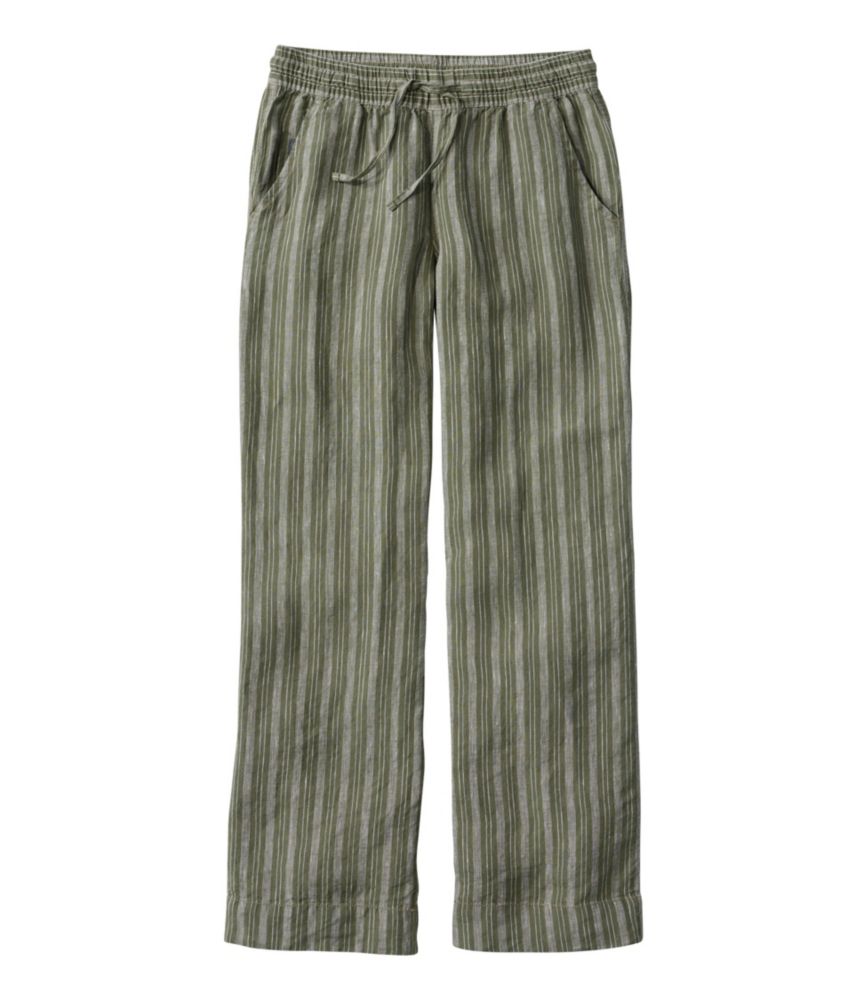
A green striped linen pull-on pant with relaxed straight-leg styling, elastic waistband, pockets, and washable fabric.
(681)
$89.95 $74.99
SALE
What customers like:
Durable quality
Versatile style
Soft fabric
Vibrant colors
Comfortable fit
$89.95 $74.99
SALE
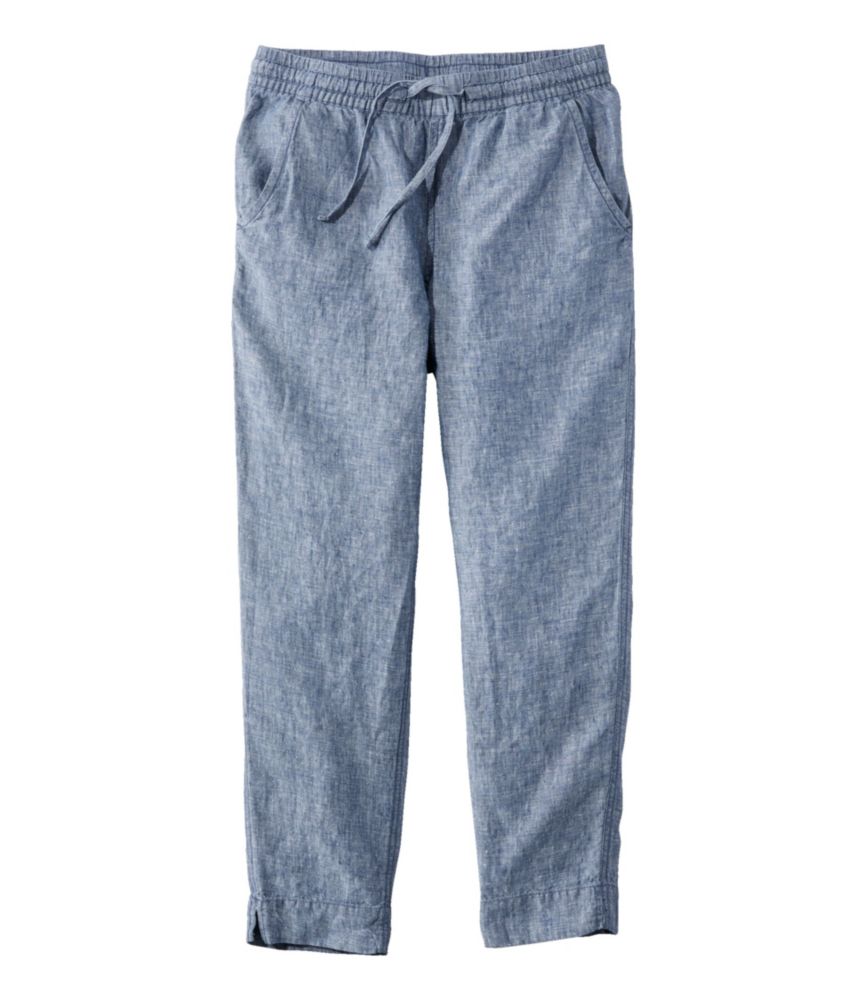
Women's Premium Linen Pull-On Ankle Pants, Mid-Rise Tapered-Leg
L.L.Bean Women's Premium Linen Pull-On Ankle Pants, Mid-Rise Tapered-Leg
Blue linen ankle pants with a mid-rise, tapered leg, elastic drawstring waist, and pull-on comfort.
(553)
$79.95 $54.99
SALE
What customers like:
Flattering appearance
Perfect fit
Very comfortable
Good quality fabric
Cute design
$79.95 $54.99
SALE
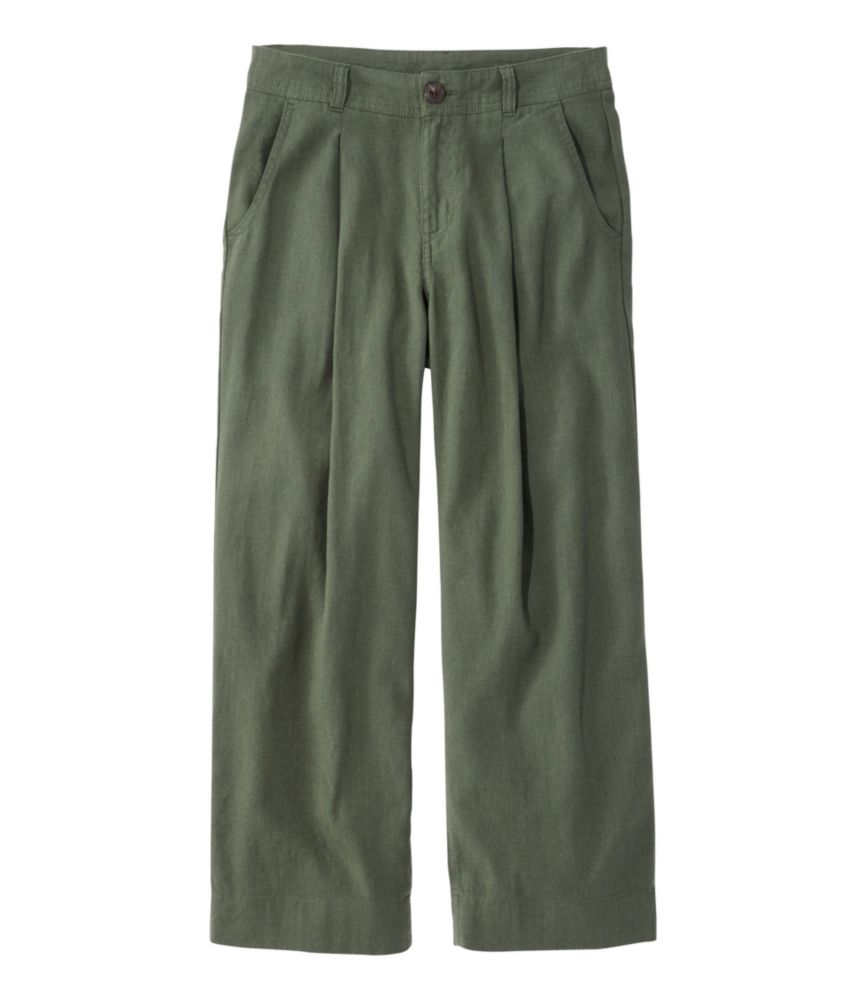
Women's Lakeside Linen-Blend Pants, Crop
L.L.Bean Women's Lakeside Linen-Blend Pants, Crop
A green linen-blend cropped pant with a relaxed fit and wide straight legs.
(0)
$89.95 $59.99
SALE
$89.95 $59.99
SALE
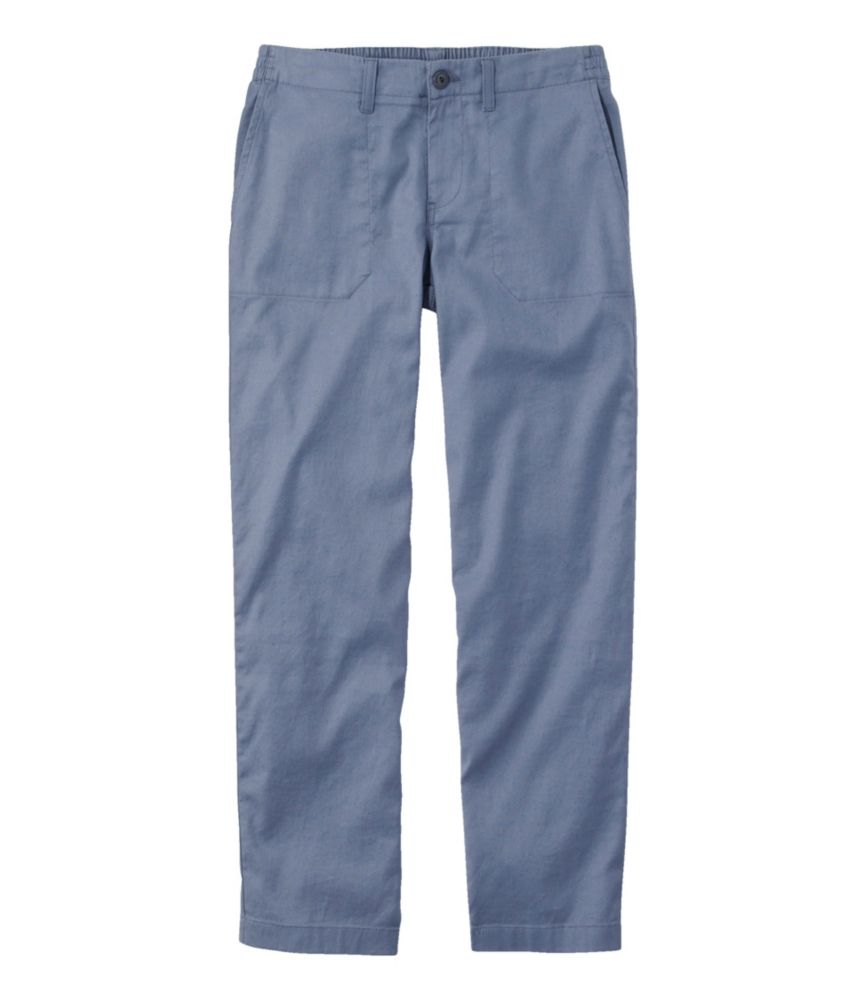
Women's Comfort Stretch Cotton/Linen Pants, High-Rise Ankle
L.L.Bean Women's Comfort Stretch Cotton/Linen Pants, High-Rise Ankle
An airy blue cotton-linen blend pant with stretch, a high-rise waist, straight-leg fit, and utility pockets.
(0)
$69.95 $34.99
SALE
$69.95 $34.99
SALE
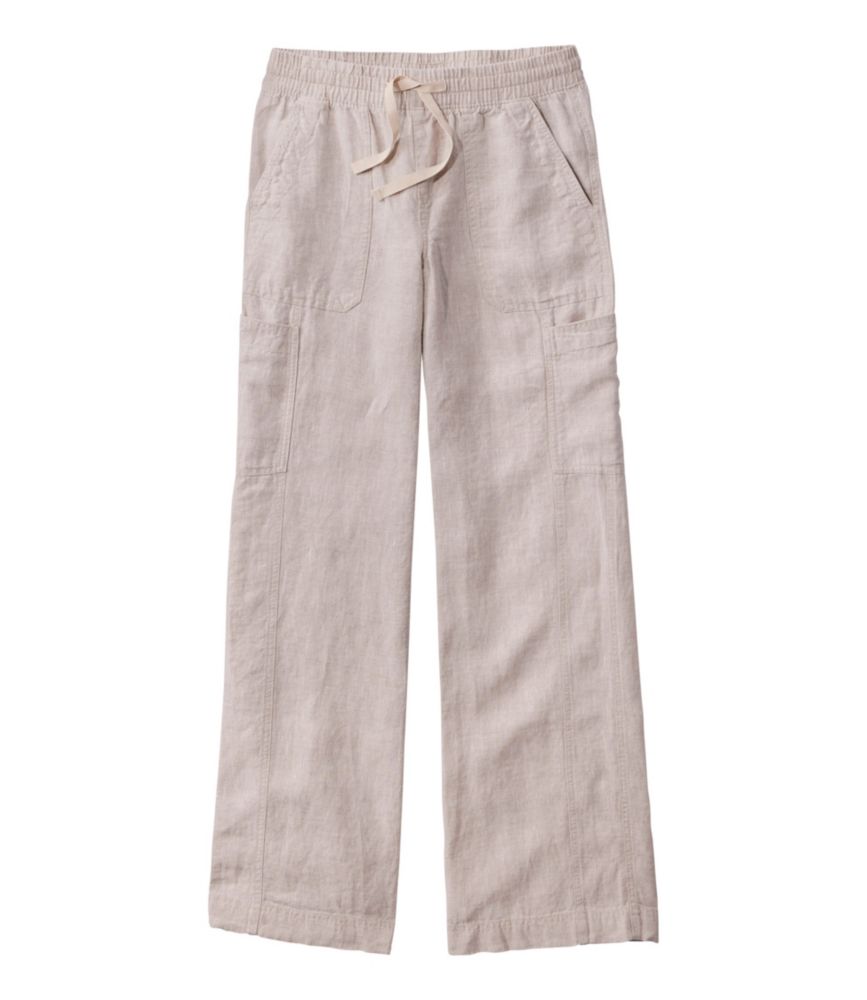
Women's Premium Linen Breezy Pull-On Utility Pants, Mid-Rise Wide-Leg
L.L.Bean Women's Premium Linen Breezy Pull-On Utility Pants, Mid-Rise Wide-Leg
A pair of white, wide-leg linen pants with a comfortable elastic waistband and utility pockets.
(0)
$79 $38.99
SALE
$79 $38.99
SALE
Women's Lakeside Linen-Blend Pants, Wide Straight-Leg
L.L.Bean Women's Lakeside Linen-Blend Pants, Wide Straight-Leg
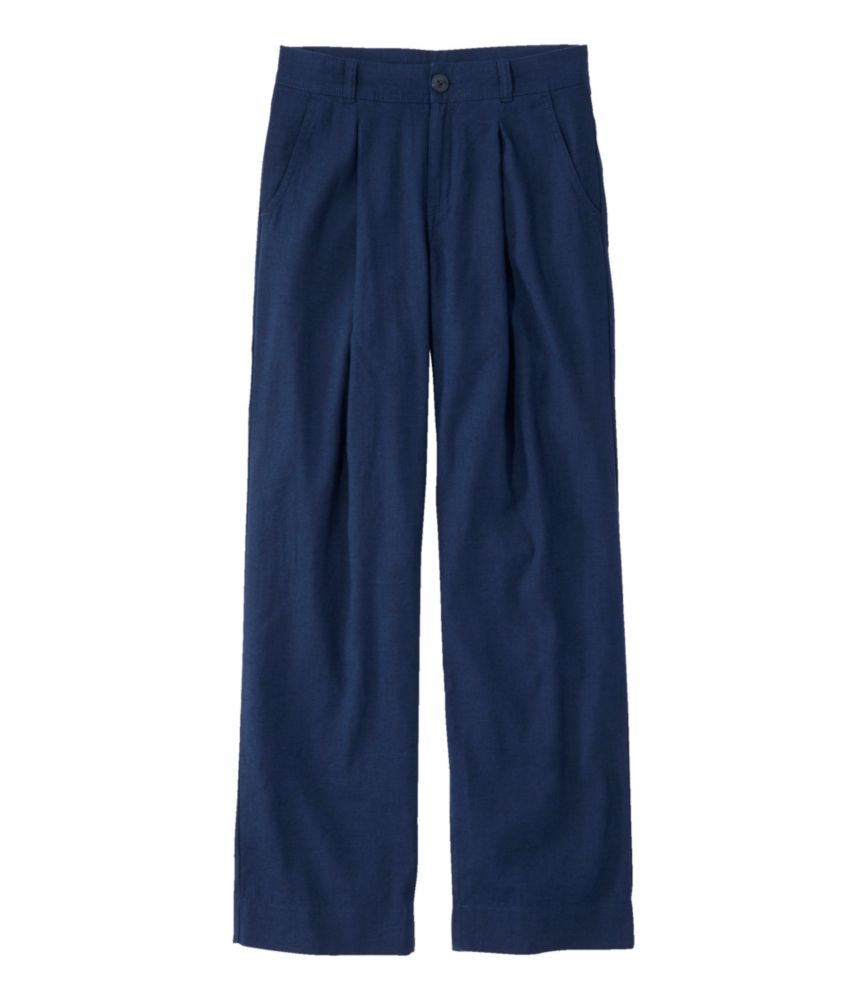
Blue linen-blend pants with a wide straight-leg silhouette, relaxed fit, pleats and subtle stretch.
(0)
$89.95 $59.99
SALE
$89.95 $59.99
SALE

Petite Linen Pants

Petite linen pants bring together a fabric choice and a fit category, with proportions that deserve as much attention as the size on the label. Petite sizing generally addresses a shorter frame, but it is not another name for a small size, and it does not describe one body shape. Depending on the design, petite proportions may involve the inseam, rise, or placement of shaping details rather than leg length alone. That distinction matters when pants fit at the waist but seem too long through the upper leg, or when a hem reaches the right spot while the rise still feels out of proportion. There is no single inseam that defines petite linen pants: the appropriate length depends on the intended silhouette, individual measurements, and where the hem is meant to fall. An ankle-length design and a full-length design should not be judged against the same measurement. The inseam measures the inside leg from the crotch seam to the hem, while the rise helps explain where the waistband will sit. Reading both measurements, when provided, offers a clearer picture than relying on a model photograph alone. A pair of pants that already fits well can be a useful reference, especially when measured flat and compared with the stated garment dimensions. Body measurements and garment measurements are different, so it is worth checking which kind a size chart uses. Waist and hip measurements remain important even when length is the main concern; choosing a smaller size solely to shorten the leg can leave the rest of the fit out of balance. The most useful comparison considers the whole shape: where the waistband rests, how the fabric lies across the hips, where the knee falls, and how the hem finishes the line of the leg. Petite proportions are about that relationship between details, not simply removing a few inches from the bottom.

Linen identifies the fabric category, but the individual description provides the fuller picture. Checking the stated linen content is more reliable than assuming every pair has the same composition, and fabric information belongs alongside measurements when comparing options. Neither a fabric name nor a petite label tells the entire story of a pair of pants. The cut, waistband, seams, and other design details all contribute to its appearance. A straight leg creates a different outline from a tapered leg, while a wider leg changes the balance between the waist and hem. These are style distinctions rather than rules about which body types should wear which shapes. Personal preference matters: some people favor a defined waist and a longer leg line, while others prefer a shorter hem or a less shaped silhouette. Photographs can help show those differences, particularly when there are views from the front, side, and back. Details such as pleat placement, pocket position, and the shape of the waistband are worth noticing when they are shown. A front view may suggest one silhouette, while the side view reveals more about the volume through the leg. Comparing the broader category of women's linen pants can also put petite sizing in context, especially when the comparison centers on stated proportions rather than size names alone. For a cohesive wardrobe, the useful question is how the shape relates to clothing already worn and enjoyed. A pronounced leg shape may become the defining element of an outfit, while a simpler outline can leave more room for other details. Neither approach requires following a passing trend. Timeless style often comes from choosing proportions that feel familiar and intentional, then paying attention to the finishing details. A hem that lands where expected and a waistband that sits as intended can make a more meaningful difference than a style label.

Care is another part of choosing petite linen pants thoughtfully, and the best source is the garment’s own care label. A general fabric description should not replace the stated washing, drying, or pressing directions. Before deciding, it helps to consider whether those requirements fit an established care routine, rather than assuming all linen pants can be treated alike. After purchase, following the label keeps care decisions tied to the actual garment. Any directions about washing temperature, drying method, or ironing should be read together, including restrictions that may be easy to overlook. Finishing preferences are personal, but pressing, when permitted, should follow the recommended settings rather than guesswork. Fit is also worth assessing before making alterations. Trying pants on with the waistband at its intended position provides a better starting point than pulling it higher or lower simply to change the hem length. Standing naturally, sitting down, and viewing the fit from more than one angle can reveal whether the issue is length, rise, or overall size. If only the hem needs adjustment, a tailor can explain what the alteration would involve; shortening the leg does not change the rise or reposition the pockets. Construction details deserve a close look as well. Even stitching, neatly finished edges, and closures that align properly are concrete things to examine rather than relying on a photograph’s overall impression. For someone buying petite linen pants as a gift, knowing the recipient’s preferred rise, usual inseam, and favored leg shape is more useful than knowing only a general size. Those preferences can be quite specific, even for someone who regularly wears petite clothing. A thoughtful choice brings fabric information, proportions, care requirements, and personal style together, with the details doing more of the work than the label alone.

FAQs