It's time to upgrade your browser

Your current browser is no longer supported on llbean.com. Please upgrade to one of the following for a smoother, safer shopping experience with us:

Mountaineering Mittens

Shop mountaineering mittens and compare available styles, sizes and product details to find the right pair for your gear list. Start with sizing information, then review each option’s features to make an informed choice.
Read More
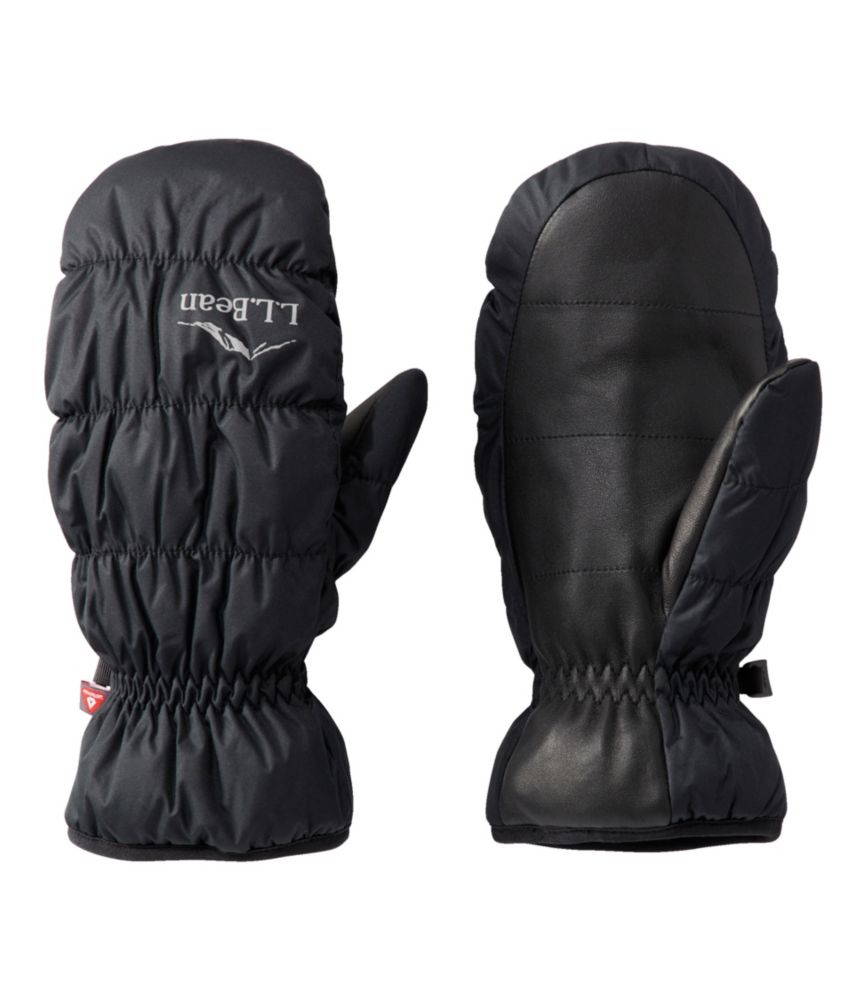
Adults' Puffer Mittens
L.L.Bean Adults' Puffer Mittens
A pair of lightweight, water-resistant mittens with recycled polyester and leather for excellent grip and warmth.
(0)
$64.95 $64.95
SALE
$64.95 $64.95
SALE
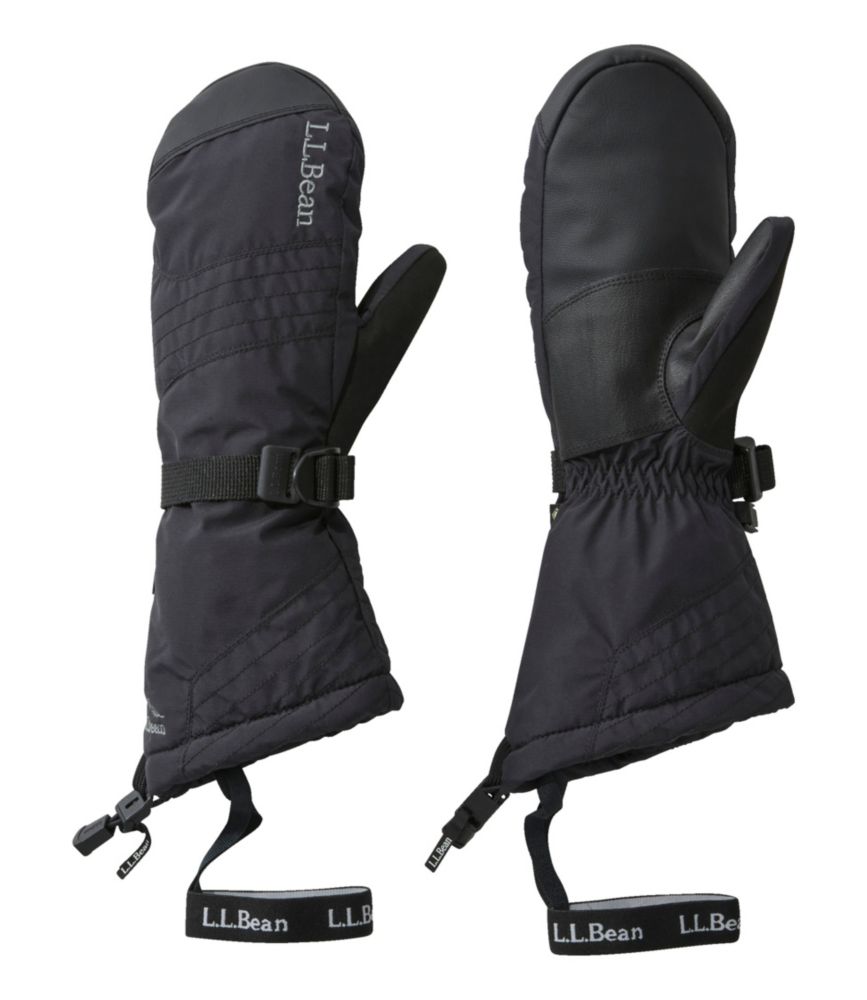
Women's L.L.Bean GORE-TEX PrimaLoft Ski Mittens
L.L.Bean Women's L.L.Bean GORE-TEX PrimaLoft Ski Mittens
A pair of black, waterproof ski mittens with PrimaLoft insulation and GORE-TEX liner for ultimate warmth.
(143)
$79.95 $79.95
SALE
$79.95 $79.95
SALE
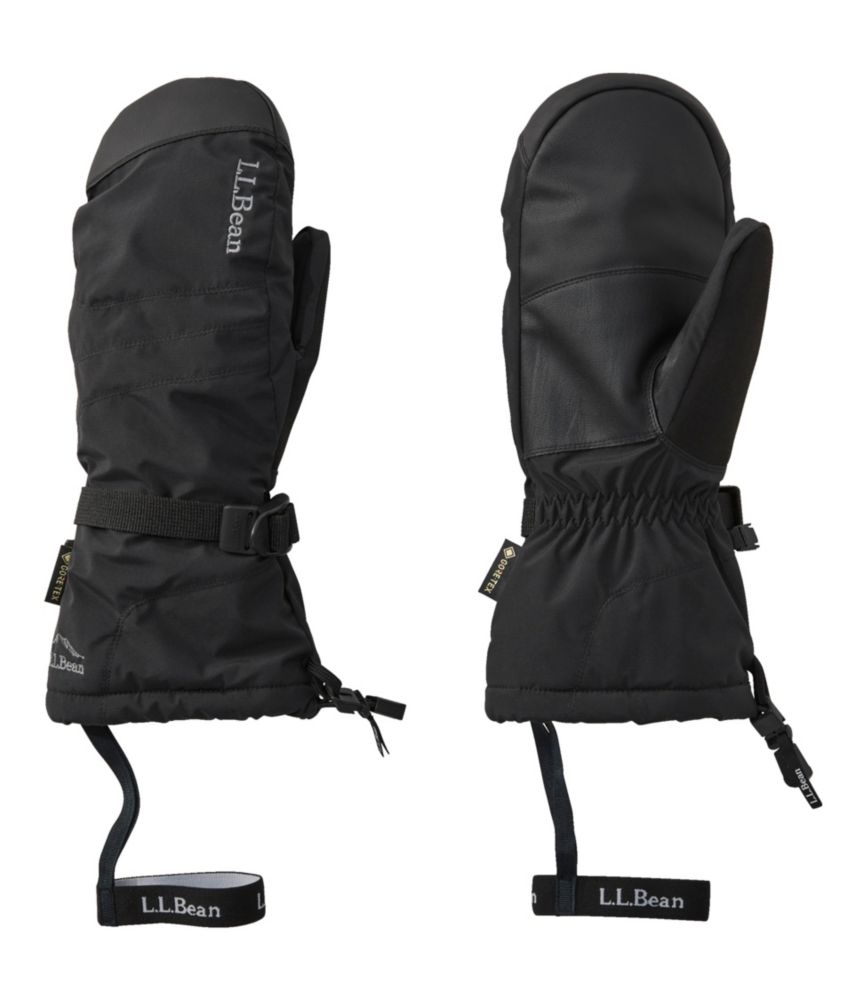
Men's L.L.Bean GORE-TEX PrimaLoft Ski Mittens
L.L.Bean Men's L.L.Bean GORE-TEX PrimaLoft Ski Mittens
A pair of black, waterproof ski mittens with PrimaLoft insulation and GORE-TEX liner for ultimate warmth.
(170)
$79.95 $79.95
SALE
$79.95 $79.95
SALE
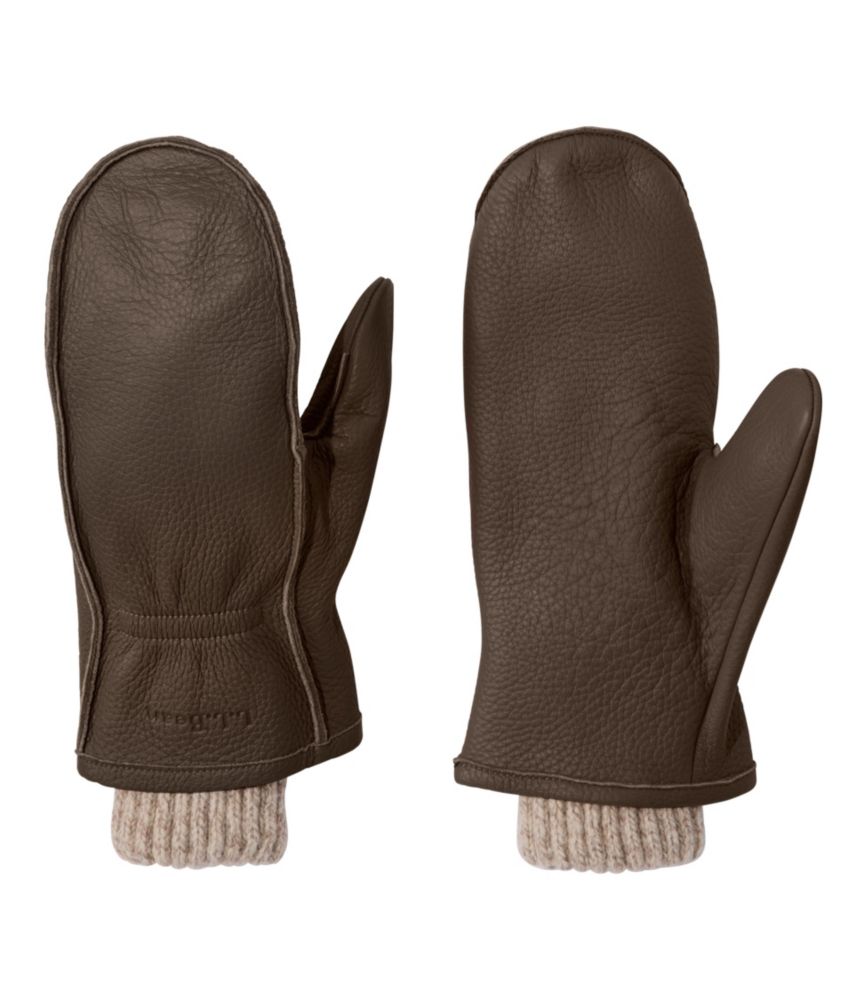
Men's Buckskin Chopper Mitts
L.L.Bean Men's Buckskin Chopper Mitts
A pair of durable, wind-resistant deerskin leather mitts with a warm wool/nylon inner layer.
(704)
$89.95 $89.95
SALE
What customers like:
Cushioned
High quality
Perfect fit
Cozy
Warm
$89.95 $89.95
SALE
Adults' Mainers Extreme Cold Mitts
MainersExtreme Adults' Mainers Extreme Cold Mitts
A pair of black mittens with 3M Thermolite insulation, GORE-TEX layer, and goat leather for extreme cold.
(30)
$229 $229
SALE
What customers like:
High quality
Exceptional warmth
Cute print
Lightweight design
Fast shipping
$229 $229
SALE
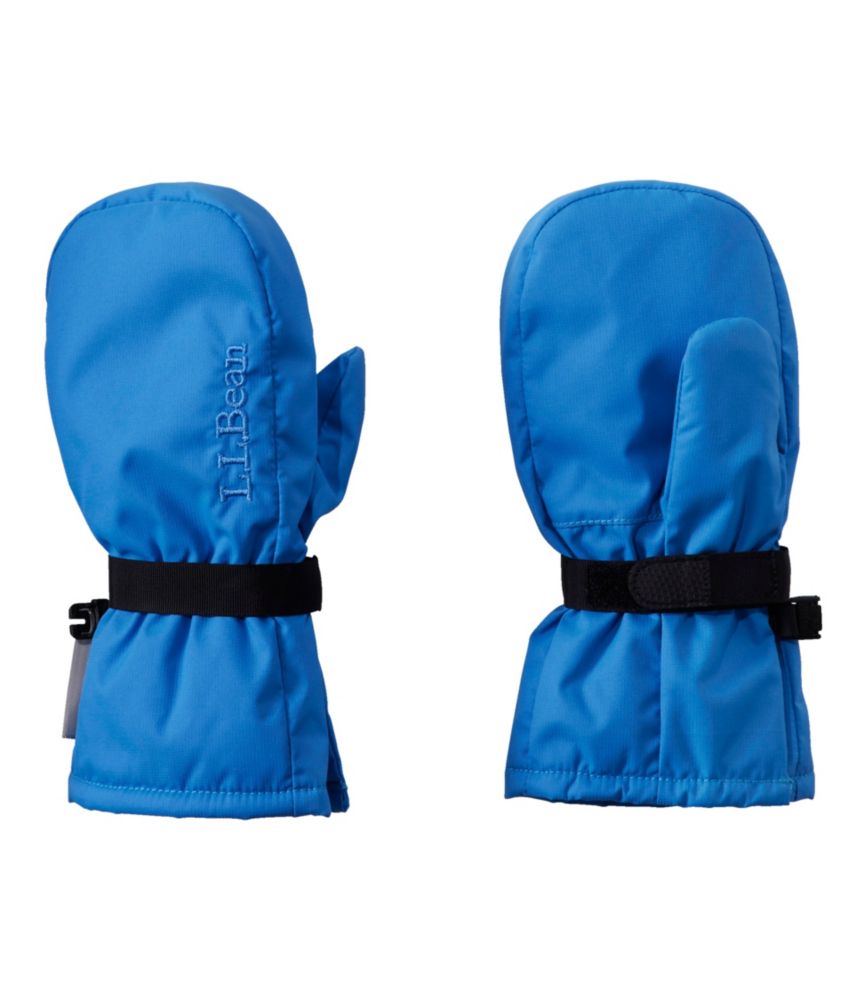
Women's PrimaLoft Packaway Mittens
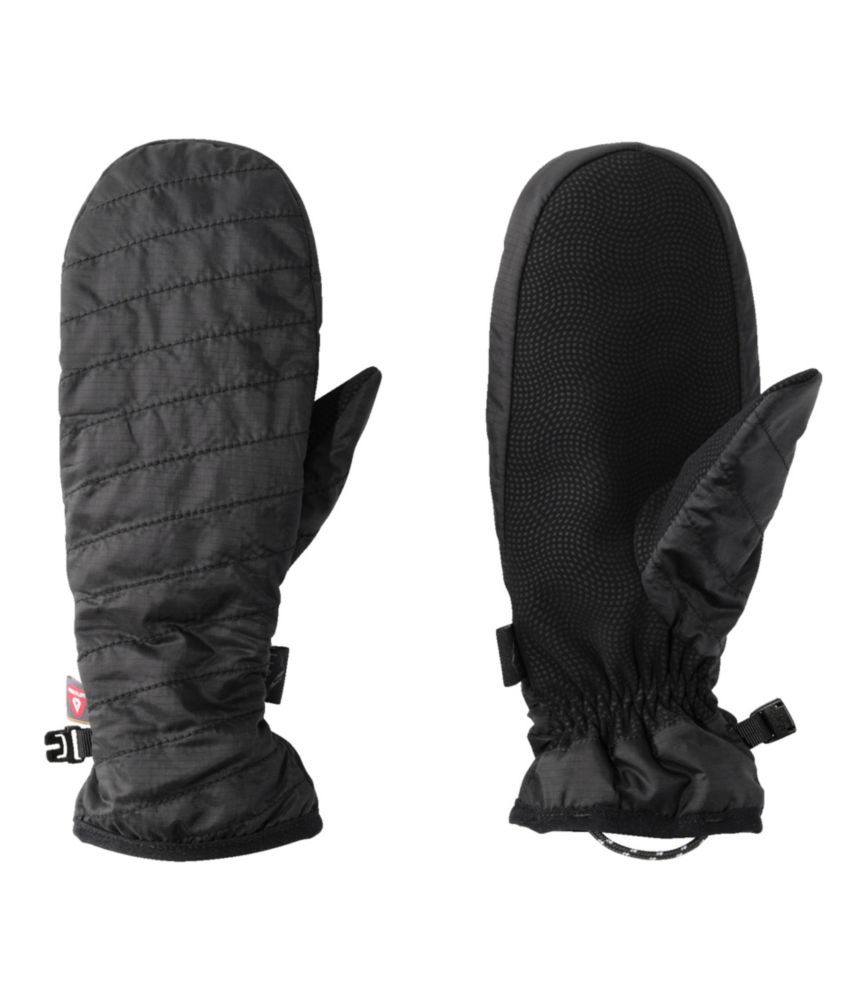
L.L.Bean Women's PrimaLoft Packaway Mittens
An ultralight blue mitten with PrimaLoft Gold insulation and a tough, wind- and water-resistant shell.
(0)
$54.95 $54.95
SALE
$54.95 $54.95
SALE

Mountaineering Mittens

Mountaineering mittens belong to a part of the outdoor wardrobe where personal preference and thoughtful selection matter. Mountain outings can begin with a map spread across a kitchen table, a conversation with a familiar companion, or the simple pleasure of setting aside time to be outside. Choosing handwear is one small part of that preparation, but it deserves more consideration than appearance alone. The mountaineering theme provides a starting point for browsing, while the details of each pair help establish whether it belongs in a particular person’s plans. A category name is not a substitute for a product’s stated purpose, and mittens grouped under the same theme should not be assumed to have identical features or capabilities. For shoppers comparing mountaineering mittens, the most useful distinctions are the ones clearly explained in the individual descriptions: sizing, construction, care requirements, and intended use. Those details make a more meaningful basis for selection than a photograph or a familiar size designation by itself. The mitten silhouette groups the fingers together in a main compartment, with a separate section for the thumb, creating a shape that feels different from a glove’s individual fingers. Preferences about that shape are personal, particularly for someone accustomed to another kind of handwear. Some shoppers arrive with a clear idea of the fit they like; others are replacing an old favorite and want to understand how a different pair compares. In either case, a considered choice starts with the actual product information rather than assumptions about everything in the category. The appeal is straightforward: finding a pair that suits the person, reflects the plans ahead, and feels like a sensible addition to an existing outdoor wardrobe. Timeless style and quality remain worthwhile considerations, alongside the practical details that distinguish one choice from another.

Fit is often where a broad selection becomes a personal one. Two people who usually buy the same clothing size may have different hand proportions, and a mitten’s overall appearance does not reveal exactly how it will sit across the palm or around the thumb. Published measurements and sizing directions offer a better point of reference than guessing from a general small, medium, or large label. The length of the hand, the measurement around it, and the way a particular size chart defines those measurements can all be relevant to the comparison. A familiar pair can provide useful context, too, especially when its fit has always felt either just right or slightly off. Perhaps there has been extra space beyond the fingertips, or the thumb placement has never quite matched the hand. Remembering those details makes browsing more purposeful without turning the choice into a search for a single fit that works for everyone. Any plans to combine mittens with other handwear should be checked against the sizing and use information supplied for the pair under consideration, rather than treated as a reason to automatically select a larger size. Materials and construction also deserve a close look at the description level. The listed composition identifies what a pair is made from; photographs alone cannot establish the fabric, interior construction, or care it requires. Where descriptions distinguish different parts of a mitten, those details can help shoppers understand what they are comparing without assuming that every pair shares the same design. Durability belongs in that same careful assessment. Documented construction information is more useful than a rugged-looking photograph, and the mountaineering label alone does not establish how a pair will hold up. This is a category where taking time with the particulars can make the final choice feel more grounded: not the pair with the most dramatic description, but the one whose documented details best match the shopper’s priorities.

Care is another part of choosing mountaineering mittens, not merely something to think about after bringing them home. A person who prefers a simple clothing-care routine may weigh care requirements differently from someone accustomed to following separate instructions for different pieces of outdoor gear. Neither preference is unusual, and knowing those requirements before choosing helps avoid surprises later. Cleaning and drying directions should come from the instructions for the actual pair; similar-looking mittens do not necessarily call for the same treatment. Keeping those directions accessible is useful when outdoor clothing is gathered for care after time away, especially in a household where several people’s gear ends up in the same place. Mountaineering mittens can also be a thoughtful gift for someone with an established interest in mountaineering, provided the choice reflects that person’s preferences rather than a general idea of what mountain equipment ought to look like. A shared conversation about sizing, a look at the recipient’s preferred handwear, or a specific request can make the selection more personal. The most meaningful gift may be the one that shows attention to small details: the size the person actually wears, the style they return to, or the care routine they prefer. For someone planning an organized mountain outing, any equipment requirements supplied by the organizer remain an important reference; a gift or category listing should not stand in for that information. Shoppers whose browsing also includes hiking can explore Hiking Mittens as a separate collection and compare the stated purpose of each pair. Different outdoor plans deserve their own consideration, even when the handwear looks similar at first glance. Whether selecting a first pair or replacing something familiar, the goal is a choice rooted in clear information and personal needs. That leaves room for the part of preparation people often enjoy most: talking through the route, arranging time with companions, and looking forward to a different view beyond the everyday.
Read More

FAQs