It's time to upgrade your browser

Your current browser is no longer supported on llbean.com. Please upgrade to one of the following for a smoother, safer shopping experience with us:

Moisture Wicking Beanie Hats

Find moisture wicking beanie hats that help move sweat away from your skin. Browse the selection for your preferred style, and compare individual product details for fit, fabric and care information to choose the right beanie for you.
Read More
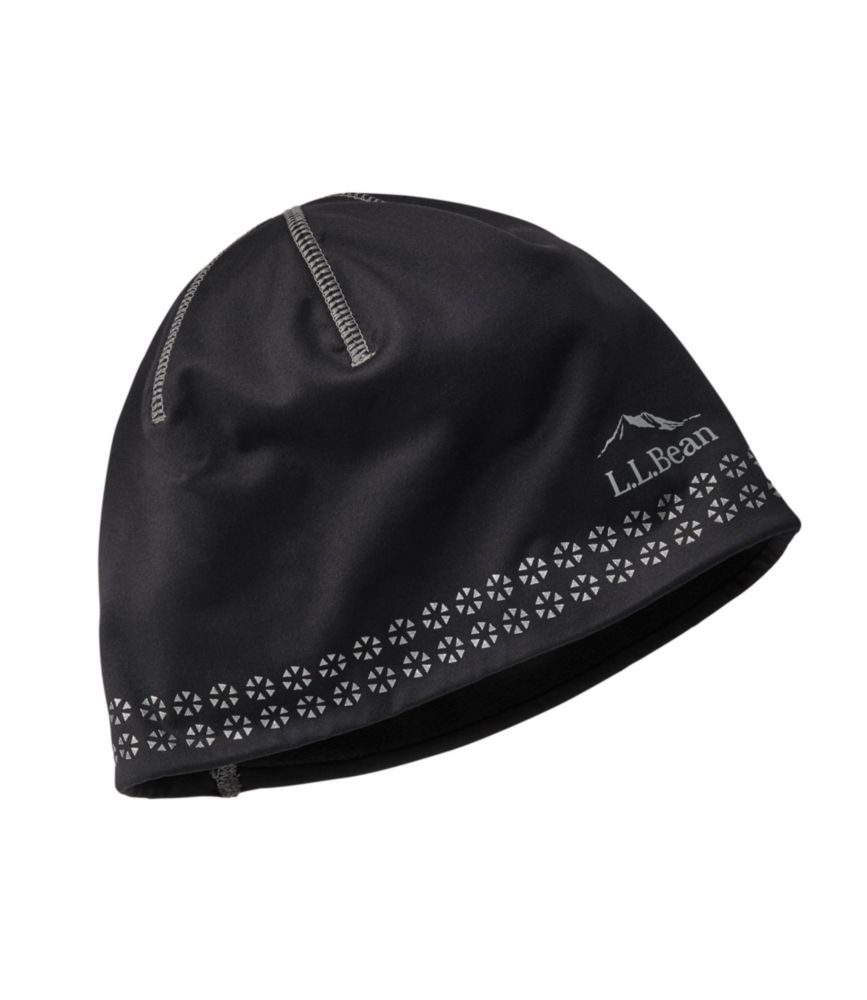
Adults' Bean Bright Cap
L.L.Bean Adults' Bean Bright Cap
A black unisex cap with 360-degree reflectivity, warm fleece lining, and UPF 50+ protection.
(97)
$32.95 $32.95
SALE
What customers like:
Great fit
High functionality
Comfortable to wear
Excellent warmth
$32.95 $32.95
SALE
Adults' L.L.Beanie, Solid
L.L.Bean Adults' L.L.Beanie, Solid
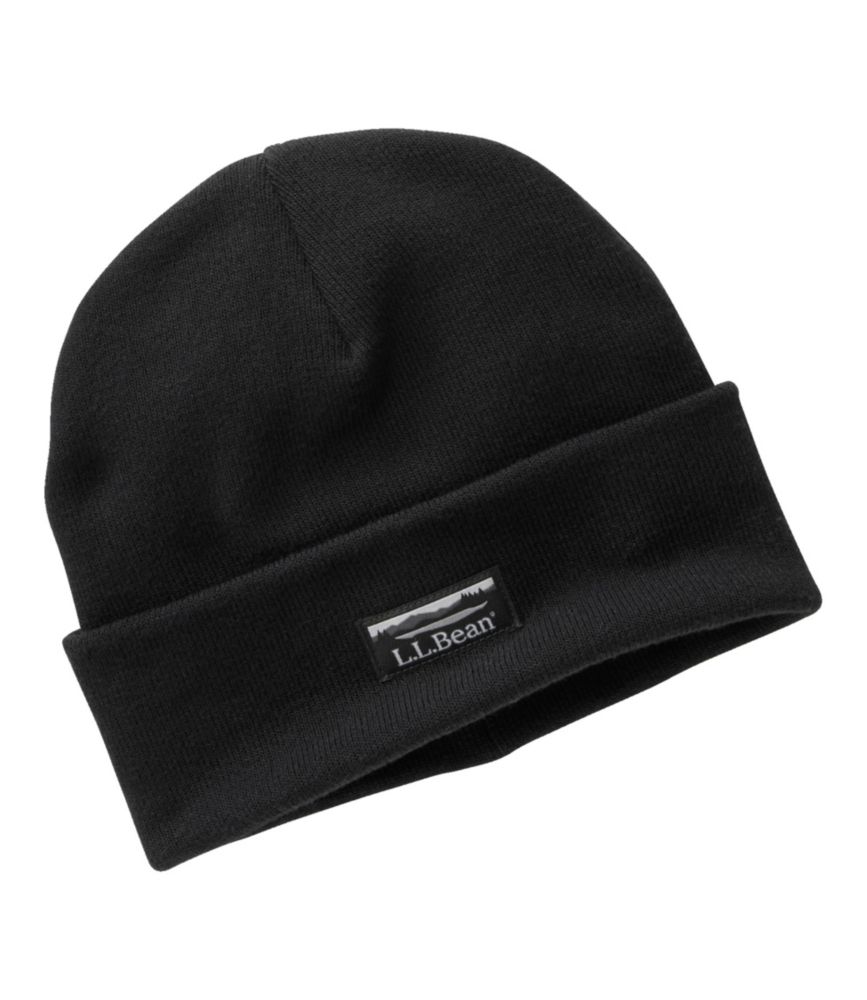
A form-fitting black beanie made from recycled polyester and spandex, perfect for cold weather.
(0)
$26.95 $26.95
SALE
$26.95 $26.95
SALE
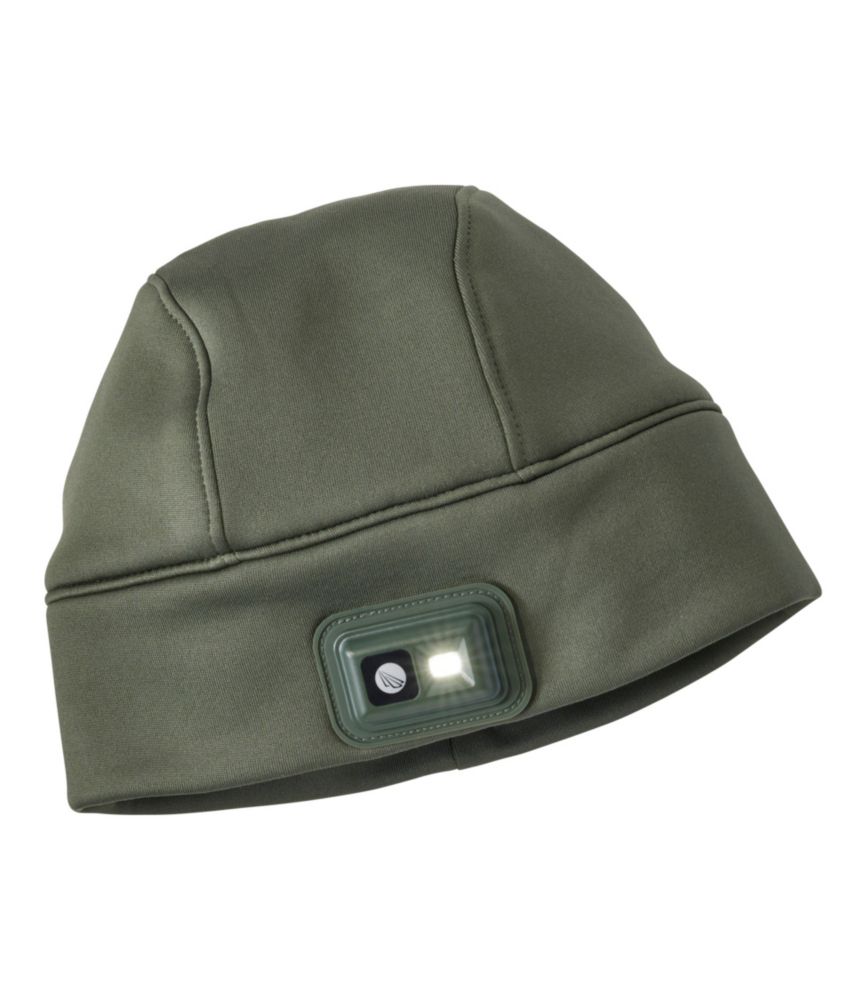
Adults' Pathfinder II Rechargeable Beanie
L.L.Bean Adults' Pathfinder II Rechargeable Beanie
A green synthetic fleece beanie featuring a rechargeable LED light, moisture-wicking lining, and water resistance.
(0)
$39.95 $39.95
SALE
$39.95 $39.95
SALE
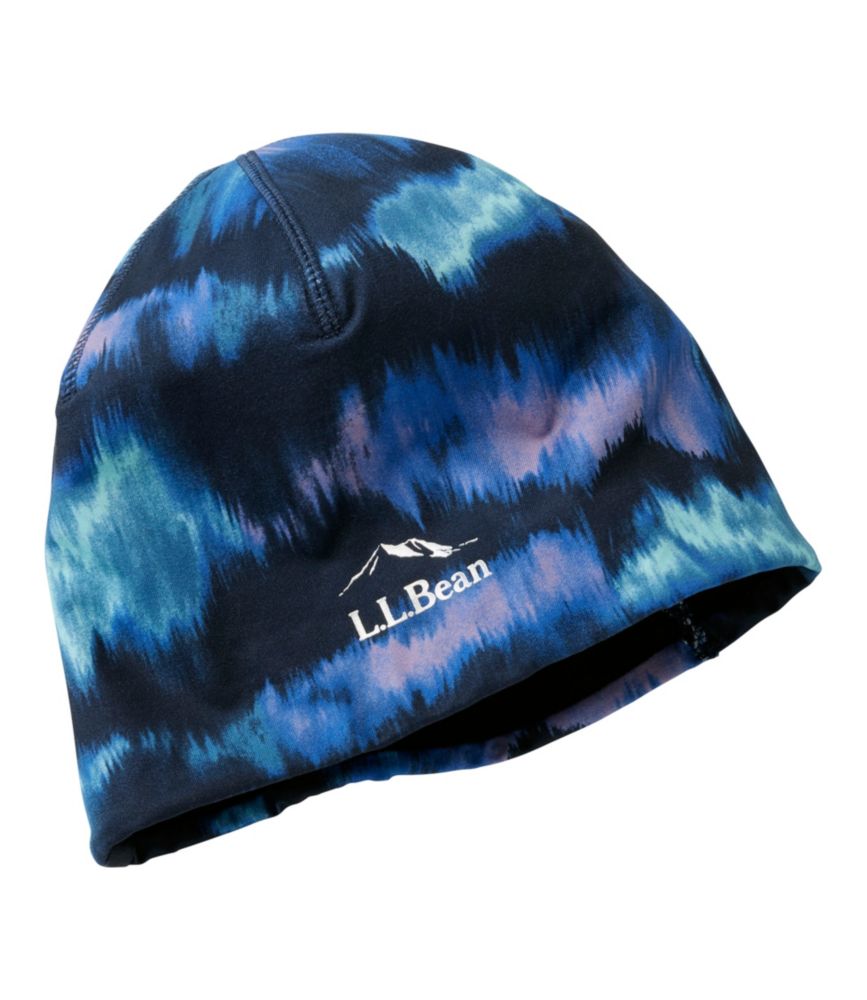
Adults' L.L.Bean Performance Beanie
L.L.Bean Adults' L.L.Bean Performance Beanie
A blue beanie made from recycled polyester and spandex with fleece lining, moisture-wicking and UPF 50+ protection.
(348)
$32.95 $32.95
SALE
$32.95 $32.95
SALE
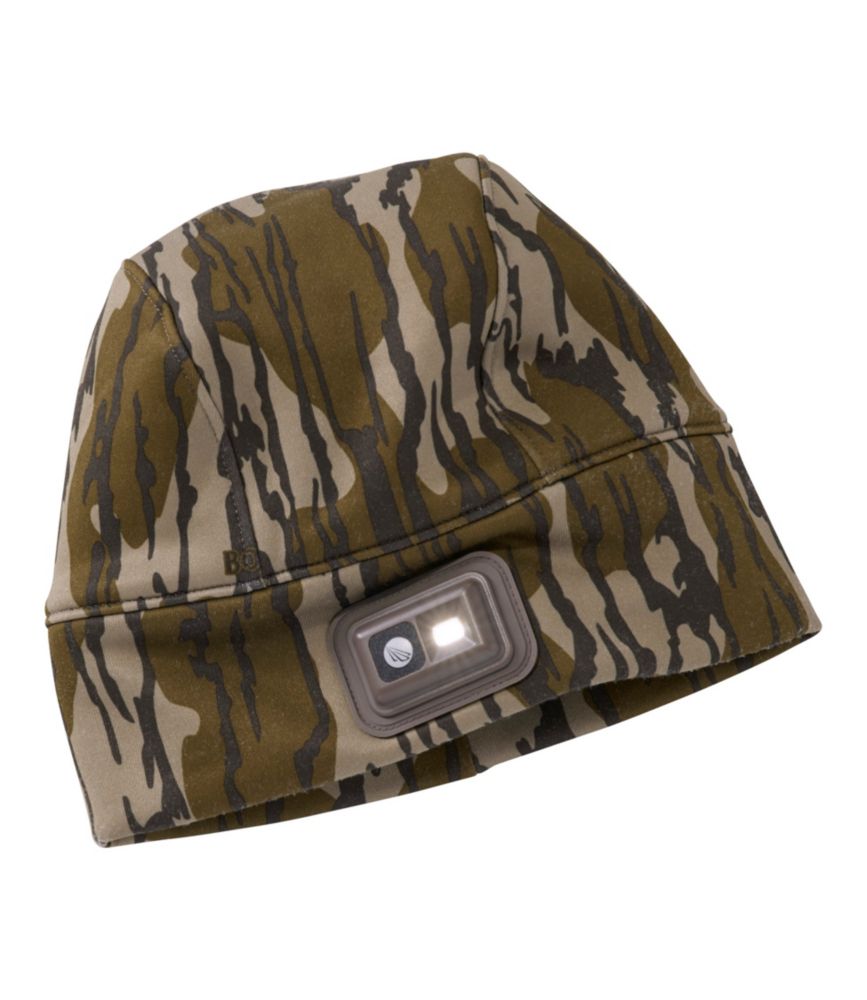
Adults' Pathfinder II Rechargeable Beanie, Camo
L.L.Bean Adults' Pathfinder II Rechargeable Beanie, Camo
A camo-patterned synthetic fleece beanie with built-in rechargeable LED light and moisture-wicking lining.
(0)
$39.95 $39.95
SALE
$39.95 $39.95
SALE

Moisture Wicking Beanie Hats

Moisture wicking beanie hats bring a practical feature to a familiar accessory: moisture wicking moves perspiration away from the skin through the fabric. That is the defining consideration in this collection, alongside the shape, fit, and appearance that make a hat feel like a natural part of a wardrobe. Wicking describes moisture movement, not every aspect of a hat’s performance, so it is worth reading the details of each design rather than assuming that all beanies feel or function alike. The familiar beanie silhouette offers a straightforward starting point, but proportions can make a noticeable difference. A hat that sits close to the crown has a different look from one with extra room at the top, and the placement of the lower edge changes how it frames the face. Consider whether the preferred shape follows the head or leaves a little space above it, and whether the edge should sit above the ears or extend farther down. Product photographs can help show those differences, especially when several views are provided. Color and surface texture matter, too: a shade that echoes a favorite jacket creates a coordinated look, while a contrasting shade makes the hat a more distinct part of the outfit. Neither approach needs to be complicated. An accessory that feels familiar and looks right with clothing already in the closet is often a more thoughtful choice than one selected for a single feature alone. For someone who enjoys time outside, a beanie can also reflect a personal connection to outdoor style without calling for a head-to-toe change of wardrobe. The best comparison starts with the moisture wicking feature, then gives equal attention to the details that distinguish one shape and fit from another. That balance keeps the selection focused on both the reason for choosing this category and the preferences of the person wearing the hat.

Fit deserves particular attention because small differences are easy to notice in something worn against the head. Start with the sizing information provided for the hat, using any head measurement instructions rather than treating a size label as the whole answer. If a measurement is requested, follow the indicated tape placement and compare the result with the relevant chart. Crown depth is another useful detail when it is listed: circumference alone does not describe how far a hat will sit down on the head. Personal preferences count here, including how much of the forehead should be covered and how the hat sits around the ears. Someone who wears glasses may want to pay attention to the point where the lower edge meets the frames, while someone with fuller hair may prefer a different amount of room through the crown. These are individual fit considerations, not reasons to assume that a particular silhouette works for everyone. Materials deserve the same careful reading. Check the listed fiber composition and construction information for each hat rather than expecting every moisture wicking beanie to share a particular fabric or feel. The category name identifies a feature, not a single material recipe. Close-up images may help show the surface and edge construction, but written details are the better place to confirm composition and measurements. When a cuff is shown, notice its proportions and read whether its position is adjustable; do not rely on a photograph alone to establish how the hat can be worn. Think about an existing favorite hat as a point of reference. The way its crown sits, the width of its edge, and its overall proportions can help clarify what to look for—or what to choose differently. For a coordinated wardrobe, Moisture Wicking Hoodies offer a related category to explore, with fit, fabric composition, and care details to compare separately. Choosing each piece on its own merits leaves room for a combination that suits personal taste.

Care and durability are also worth considering before choosing a moisture wicking beanie. Begin with the hat’s own care instructions, since the category name does not establish a shared washing or drying method. Check whether those directions fit comfortably into the recipient’s or wearer’s usual routine, and follow any stated requirements for washing, drying, and reshaping. A care label is more useful than a blanket rule about how all beanies should be treated. Likewise, appearance alone cannot establish how long a hat will last. Construction details, clear product information, and appropriate care provide a more grounded basis for evaluating quality than broad promises about durability. Take time to read about the edge and crown construction when those details are provided, and use close-up photographs to understand how the design is finished. Once the hat is in hand, keeping its care information accessible makes it easier to follow the same routine after repeated wear. A designated spot for hats also brings a little order to everyday preparations: beside other accessories on a closet shelf, for example, rather than tucked somewhere difficult to remember. As a gift, a beanie is a personal choice without needing an elaborate presentation. A partner who consistently chooses understated accessories, a friend drawn to distinctive textures, or a family member with a favorite color each offers a useful starting point. Pay attention to the hats that person already wears, especially their shape and how closely they sit. If sizing information is needed, confirm it rather than assuming that one fit will suit everyone. The moisture wicking feature can be part of the reason for the gift, but the recipient’s preferences should still lead the choice. The same approach works when selecting a hat for a personal wardrobe: look for clear information, compare the details that matter, and choose a style that feels like a natural fit. Moisture wicking beanie hats are best considered as a combination of a defined feature and individual design choices, with neither taking the place of thoughtful attention to fit, care, and personal style.
Read More

FAQs