It's time to upgrade your browser

Your current browser is no longer supported on llbean.com. Please upgrade to one of the following for a smoother, safer shopping experience with us:

Modern Farmhouse Decor

Explore modern farmhouse decor that brings together rustic character and clean, simple style. Browse decorative accents to complement your home, whether you’re adding a finishing touch or coordinating a room around the relaxed look of farmhouse style.
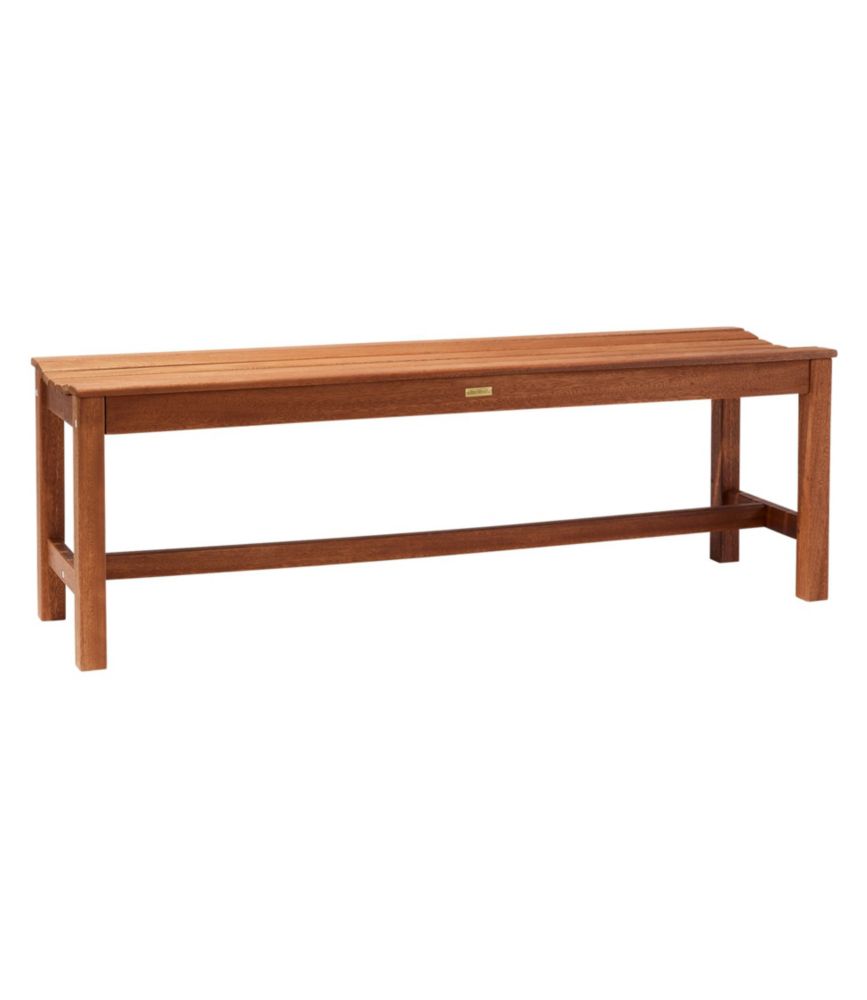
Eucalyptus Farmhouse Bench
Outdoor Interiors Eucalyptus Farmhouse Bench
A tan farmhouse bench crafted from sustainably harvested eucalyptus hardwood with stainless steel hardware.
(0)
$330 $330
SALE
$330 $330
SALE
Eucalyptus Farmhouse Table
Outdoor Interiors Eucalyptus Farmhouse Table
A tan eucalyptus farmhouse table with teak-like durability, weather resistance, and a center umbrella hole.
(0)
$630 $630
SALE
$630 $630
SALE
All-Weather Farmhouse Bench
L.L.Bean All-Weather Farmhouse Bench
A gray outdoor bench made from recycled HDPE lumber with rust-resistant stainless-steel hardware.
(57)
$500 $500
SALE
What customers like:
Attractive design
Comfortable seating
Perfect fit
Sturdy construction
Highly durable
$500 $500
SALE
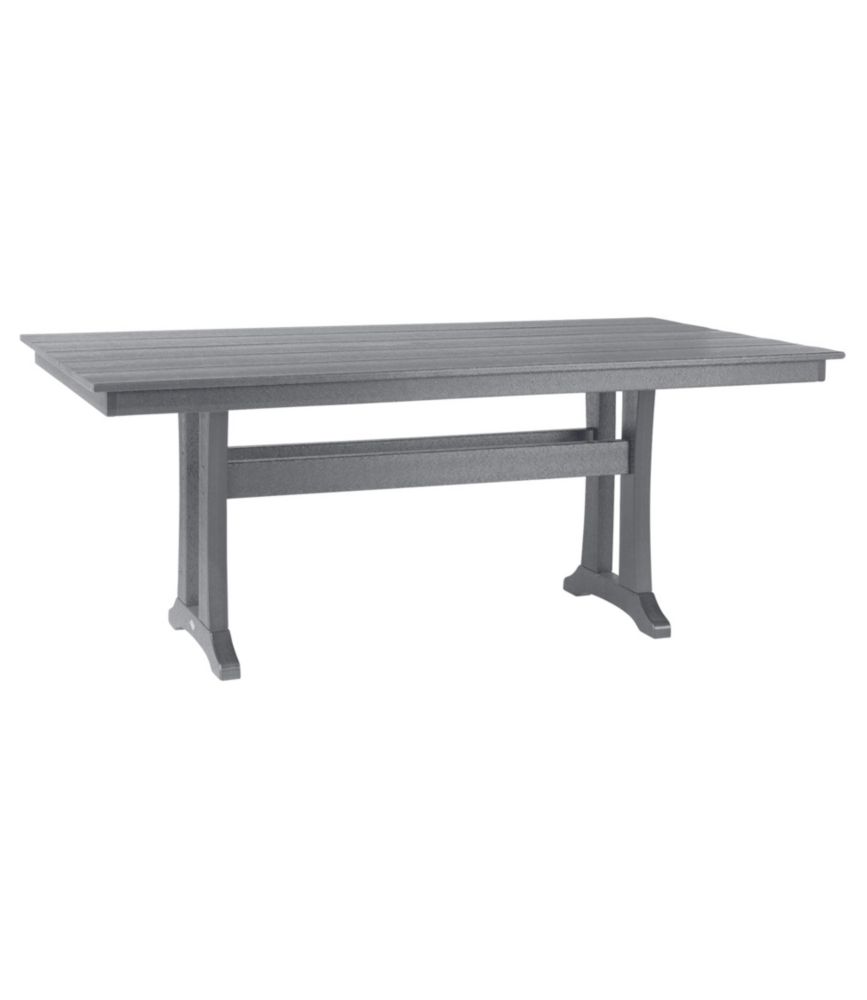
All-Weather Farmhouse Table, Large
L.L.Bean All-Weather Farmhouse Table, Large
A gray outdoor dining table made from durable HDPE lumber with marine-grade stainless-steel hardware.
(0)
$1100 $1100
SALE
$1100 $1100
SALE
All-Weather Farmhouse Table, Square, 8-Person
L.L.Bean All-Weather Farmhouse Table, Square, 8-Person
A white outdoor dining table made from durable recycled HDPE lumber with marine-grade stainless-steel hardware.
(0)
$1300 $1300
SALE
$1300 $1300
SALE
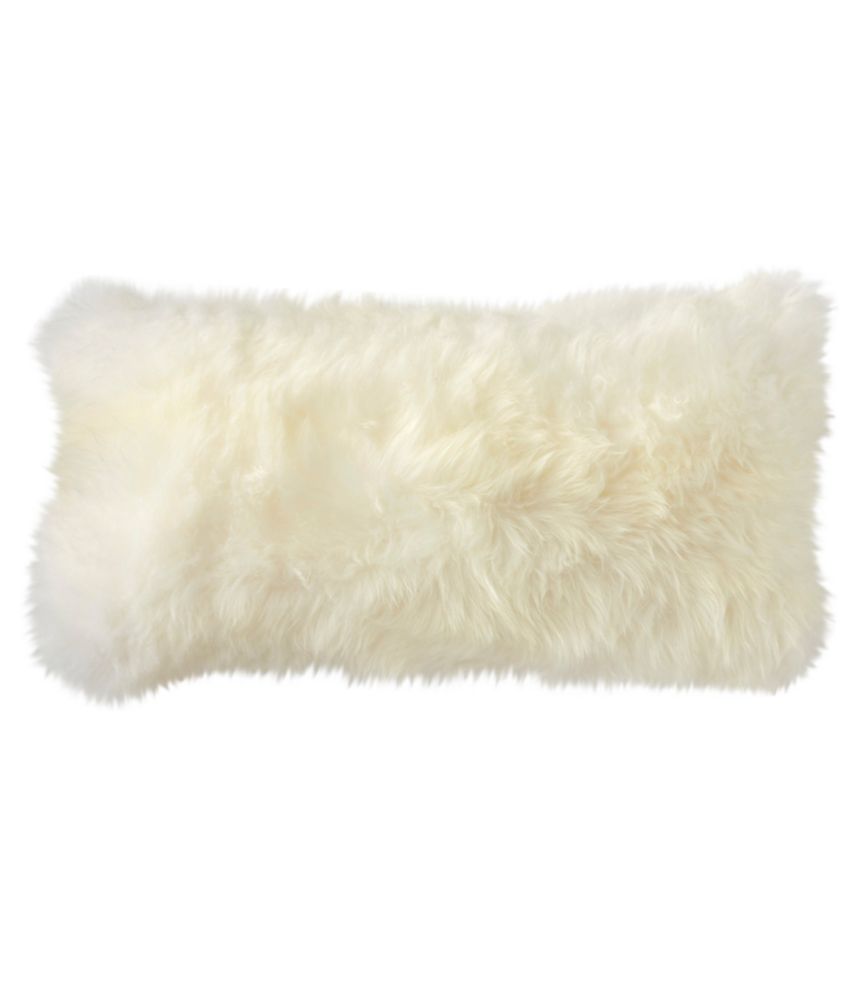
Sheepskin Throw Pillow, 11" x 22"
Auskin USA Sheepskin Throw Pillow, 11" x 22"
A white sheepskin pillow with genuine Australian or New Zealand sheepskin and a flax linen back.
(50)
$84.95 $84.95
SALE
What customers like:
Pairs well with plaids
Complements rustic decor
Soft texture
$84.95 $84.95
SALE

Modern Farmhouse Decor

Modern farmhouse decor brings together the welcoming character of traditional farmhouse style and the clean lines of contemporary design. Its appeal comes from that balance: familiar without feeling dated, simple without looking bare, and thoughtfully coordinated without making every detail match. A palette of warm white, cream, soft beige, mushroom gray, and muted earth tones gives the look its gentle foundation. Deeper shades add definition, especially when repeated sparingly rather than spread across every part of a room. The result is an approachable style that leaves room for individual taste, whether the setting is a country home, a suburban house, or a city apartment. Farmhouse influence does not have to mean an abundance of rustic details, and the modern side does not require sharp contrasts or a spare, formal atmosphere. Often, the most appealing balance is somewhere between the two, with straightforward shapes, subtle variation, and a few distinctive details. A room might have a mostly pale palette, for example, with darker outlines that echo the shape of a doorway or window. Another might lean toward earthy colors, using quieter patterns to keep the overall look settled rather than busy. These relationships are central to modern farmhouse decorating: light against dark, curved against straight, understated against expressive. Texture contributes visual depth, while open space gives those differences room to be noticed. The style feels especially personal when existing architectural details and meaningful belongings remain part of the picture. There is no need for every corner to announce a farmhouse theme. A restrained approach lets the character of the home show through and keeps the setting from feeling like a reproduction of someone else’s room. Modern farmhouse decor is less about recreating a particular place than finding a welcoming relationship between traditional character, contemporary simplicity, and the details that make a home recognizable to the people who live there.

Within that broad style, color, pattern, proportion, and finish offer useful points of comparison. Warm neutrals are a familiar starting point, but they are not interchangeable. A creamy shade can look noticeably different beside a crisp white background, while a gray with a brown undertone may sit more naturally within an earthy palette than one with a blue cast. Looking at the colors already present in a room helps narrow those choices without requiring an exact match. Repeating a color in a few places can create continuity; repeating every color and shape can make the arrangement feel overly planned. Pattern follows a similar principle. Smaller, quieter motifs bring a different visual rhythm than broad, bold designs, and the space between patterns matters as much as the patterns themselves. A room with plenty of architectural detail may call for a simpler decorative approach, while a plain setting can give a more expressive design room to stand out. Scale is equally important. Photographs can make proportions difficult to judge, so listed dimensions deserve attention alongside the overall appearance. A detail that seems modest on its own may feel prominent in a compact room, and something that looks substantial in a close-up image may disappear within a larger setting. Consider the view from the doorway as well as the view from a favorite seat; each reveals a different relationship between the decor and its surroundings. Where the larger elements of a room are part of the decision, Modern Farmhouse Furniture offers a related starting point for considering the overall look. Decorative choices can then relate to those larger shapes without copying them exactly. The aim is a shared visual language, not a perfectly matched arrangement. A curve can soften a room dominated by straight lines, a deeper tone can define a pale setting, and a less detailed design can give a more expressive one room to stand out. Those small differences help modern farmhouse interiors feel collected and individual rather than uniform.

Beyond appearance, a thoughtful choice starts with the details supplied for each design. Material information, measurements, construction details, and care directions are worth reviewing individually rather than assuming that a shared farmhouse aesthetic means shared characteristics. Similar-looking finishes may have different care requirements, and appearance alone does not establish durability or suitability for a particular location. A close look at the description helps separate the visual qualities that first catch the eye from the practical details that matter after a purchase. For a household with children, pets, or frequent visitors, those considerations may carry particular weight; the relevant care and placement information should come from the individual listing. Even in a quieter home, it helps to consider how much attention an addition will need and whether those expectations fit established routines. Style should feel personal, but choosing it need not become an elaborate project. An existing color scheme, a preferred level of detail, and a clear sense of proportion provide a useful foundation. Someone drawn to traditional interiors may prefer farmhouse character with just a few cleaner lines, while someone with a contemporary home may favor a subtler suggestion of the style. Both approaches belong within the same broad theme. Modern farmhouse decor can also be a thoughtful gift for someone who has expressed an interest in the look, especially when their preferences are familiar. A recipient’s existing palette and approach to decorating are more useful clues than the assumption that everyone interprets farmhouse style in the same way. When dimensions, placement, or care preferences are uncertain, those details deserve consideration before making a selection. Ultimately, the lasting appeal of this aesthetic lies in its openness to different homes and different tastes. It can make space for a familiar detail, a meaningful keepsake, or an unexpected color without losing its sense of balance. Clean lines establish order, traditional influences add character, and individual choices give the room its identity. Together, those elements create a look that feels considered without being formal, welcoming without being overly decorated, and connected to the people who call it home.

FAQs