It's time to upgrade your browser

Your current browser is no longer supported on llbean.com. Please upgrade to one of the following for a smoother, safer shopping experience with us:

Mid Rise Leggings

Find mid rise leggings with a waistline that sits below your natural waist. Explore the selection and compare individual fit, length and sizing details to choose a pair that matches your preferences.
Read More
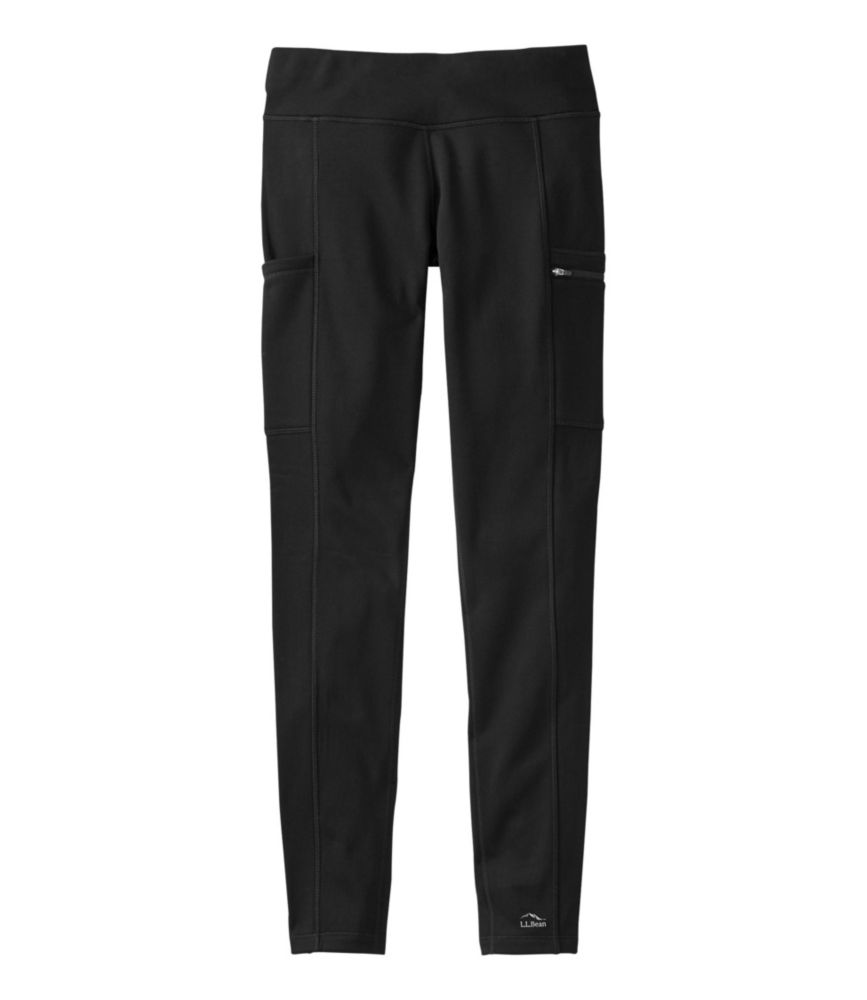
Women's PrimaLoft ThermaStretch Fleece Pocket Tights, Mid-Rise
L.L.Bean Women's PrimaLoft ThermaStretch Fleece Pocket Tights, Mid-Rise
A pair of mid-rise black fleece/nylon tights with plush interior and handy pockets for extra warmth.
(2,111)
$120 $120
SALE
What customers like:
Handy pockets
Warmth
Softness
Comfortable
Good fit
$120 $120
SALE
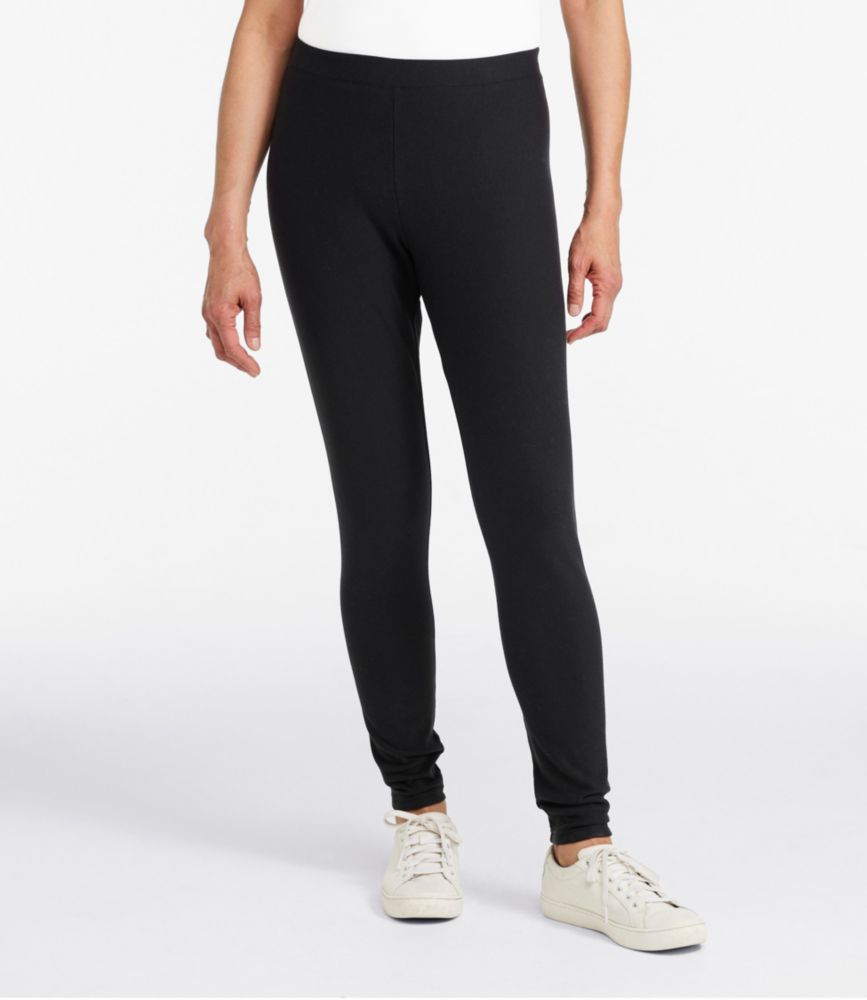
Women's Perfect Fit Pants, Fleece-Backed Leggings
L.L.Bean Women's Perfect Fit Pants, Fleece-Backed Leggings
A pair of mid-rise, fleece-backed leggings in black, made from a stretchy cotton blend for ultimate comfort.
(560)
$74.95 $74.95
SALE
What customers like:
High quality
Attractive color
Great warmth
Soft fabric
Comfortable fit
$74.95 $74.95
SALE
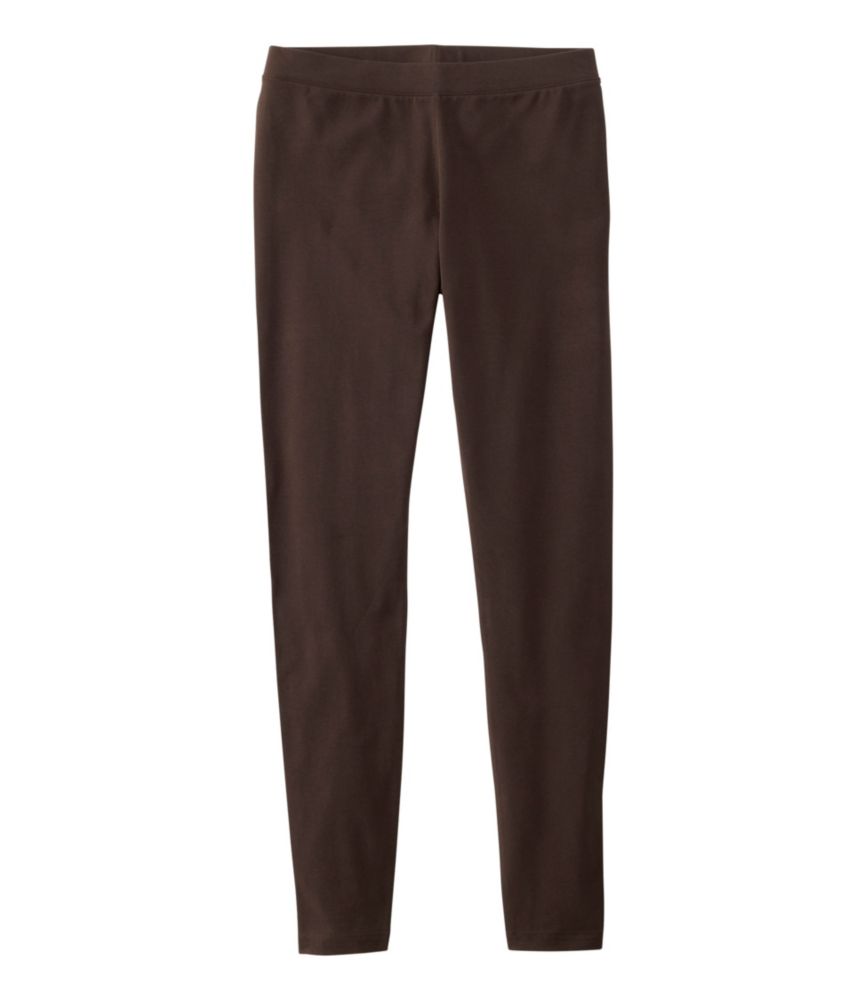
Women's Perfect Fit Pants, Leggings
L.L.Bean Women's Perfect Fit Pants, Leggings
A pair of brown jersey-knit cotton leggings with stretchy Lycra® for cling-free comfort and lasting shape.
(1,534)
$64.95 $64.95
SALE
$64.95 $64.95
SALE
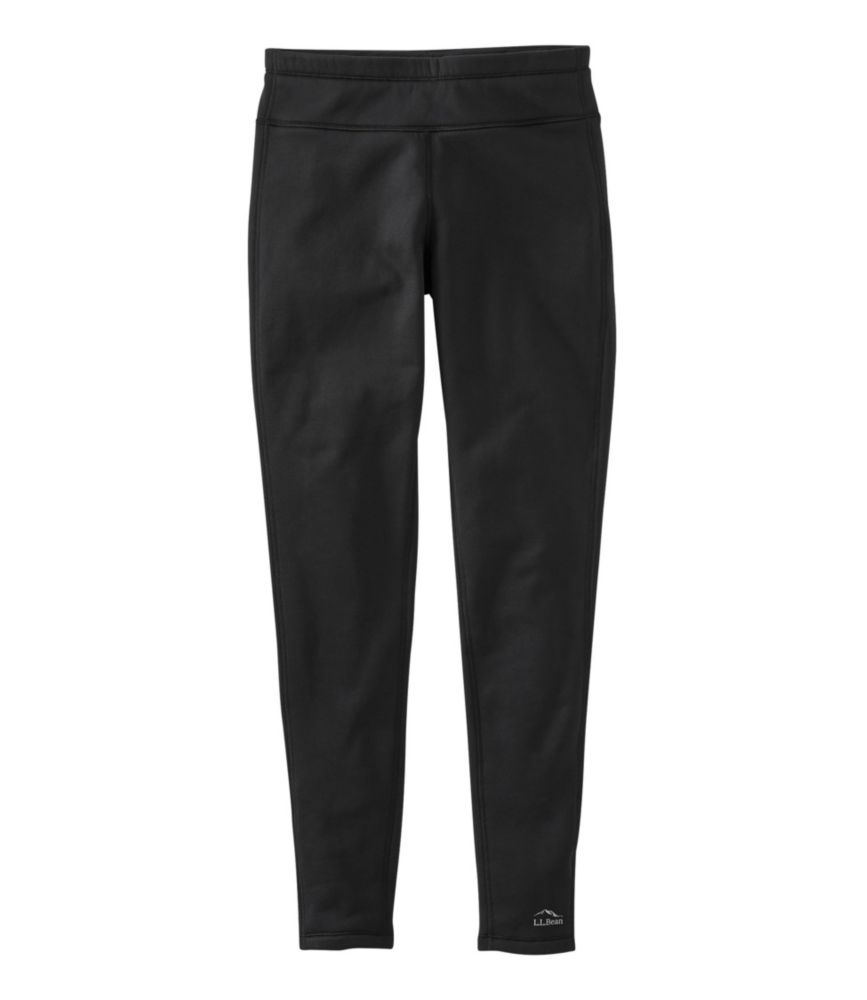
Women's PrimaLoft ThermaStretch Fleece Tights, Mid-Rise
L.L.Bean Women's PrimaLoft ThermaStretch Fleece Tights, Mid-Rise
A pair of mid-rise black fleece tights with PrimaLoft fabric, perfect for warmth and moisture control.
(1,413)
$110 $110
SALE
What customers like:
Great fit
Quality
Warmth
Softness
Comfortable
$110 $110
SALE

Mid Rise Leggings

Mid-rise leggings have a waistband that generally sits below the natural waist, often at or just below the belly button. That position falls between a lower rise at the hips and a higher rise that reaches farther up the waist, making it a useful starting point for anyone who prefers a waistband somewhere in the middle. The exact placement is personal: torso length, body proportions, and the garment’s measurements all affect where the top edge lands. A mid-rise description identifies the general cut, not a guaranteed position on every person. Two people wearing the same size may find that the waistband meets them at slightly different points. For that reason, the most helpful comparison is often a pair of leggings that already fits the way someone likes. Notice where its waistband rests, how that position relates to the natural waist, and whether the front and back sit at a pleasing height. Rise and waistband width are separate details, too. Rise describes the garment’s vertical measurement from the crotch seam toward the waist, while waistband width describes the depth of the band itself. A wider band does not automatically mean a higher rise, and a narrower band does not necessarily mean a lower one. Looking at both details gives a clearer picture than relying on the rise label alone. For someone with a shorter torso, that distinction may be especially helpful when comparing how much space a waistband occupies between the hips and ribs. People with longer torsos may interpret the same mid-rise shape differently. Neither proportion calls for one particular style; the goal is simply to find a waist position that matches individual preference. Mid-rise leggings belong in a wardrobe because that shape feels right to the person wearing them, not because one rise is universally better than another. Their appeal starts with a straightforward choice about fit and proportion.

The rest of the fit deserves just as much attention as the waistline. Size charts, inseam measurements, and garment descriptions offer different pieces of the picture, and none should have to do all the work alone. A size chart helps relate body measurements to a suggested size; an inseam indicates length along the inside of the leg. The rise then adds another dimension by describing the relationship between the crotch and waistband. Looking at those details together makes a comparison more meaningful, particularly when a familiar size label does not tell the whole story. If measurements fall between sizes, follow the garment’s own sizing guidance rather than assuming that a smaller size will solve a loose waistband or that a larger size will correct a rise that feels too low. Those adjustments can change the fit elsewhere without addressing the original concern. When trying leggings on, check the waistband while standing and sitting, then look at the fit through the hips and along the legs. A band that lands at the preferred height while standing may feel different in a chair, and excess length near the ankle can be easy to overlook in a full-length mirror. These small observations help separate a question of size from a question of cut. Fabric information is another part of an informed choice, but the term mid-rise does not identify a material, fabric weight, or particular performance feature. Look to the individual garment’s description for its composition and any stated characteristics instead of drawing conclusions from the silhouette or photographs. The same approach applies to intended use: a rise label describes waist placement, not whether a garment is appropriate for a particular activity. Any activity-specific expectations should come from the garment’s own details. Construction is worth examining on its own terms as well. Seams, waistband finishing, and care directions provide useful points of comparison, while durability should never be assumed from a mid-rise label. A thoughtful choice brings these details together without asking a single measurement or style name to answer every question.

Personal style adds another layer to the decision, especially where the waistband meets the rest of an outfit. The length of a top can change how the same leggings look: a hem that ends near the waistband leaves the rise more visible, while a longer hem shifts attention toward the shape and length of the legs. Neither approach requires a complicated outfit. Picture the pieces already in the closet and consider their proportions together, including where a shirt falls at the front and back and whether its hem lands where intended when seated. This is a more useful starting point than choosing a rise in isolation and hoping everything else will follow. Color can be considered separately from fit, too. For anyone drawn to a simple, understated palette, black leggings offer another way to explore the look while keeping preferred waist placement in mind. A familiar color does not replace a fit check, just as a familiar rise does not determine every other detail. Once a pair has been chosen, care should follow the attached label, including the specified washing and drying directions. Check those instructions before the first wash rather than treating all leggings alike, and consider whether the routine fits the way laundry is handled at home. There is no single care method implied by the words mid-rise. That practical detail also matters when considering leggings as a gift. Knowing the recipient’s usual size is helpful, but knowing their preferred rise and leg length makes the choice more personal. Someone who consistently chooses a waistband below the natural waist may appreciate that preference being noticed; someone whose fit preferences are unknown may be harder to choose for based on size alone. Whether selecting for a gift or refining a personal wardrobe, the strongest starting points remain the same: preferred waistband placement, measurements that make sense together, and clear garment-specific information. With those details in view, mid-rise becomes more than a label to filter by. It becomes a useful way to narrow the search toward a familiar shape and a style that feels like an individual choice.
Read More

FAQs