It's time to upgrade your browser

Your current browser is no longer supported on llbean.com. Please upgrade to one of the following for a smoother, safer shopping experience with us:

Men's White Button Down Shirts

Find men's white button down shirts in a timeless color that’s easy to pair with your wardrobe. Explore L.L.Bean’s selection and compare fit, sizing and design details on each product page to choose the shirt that’s right for you.
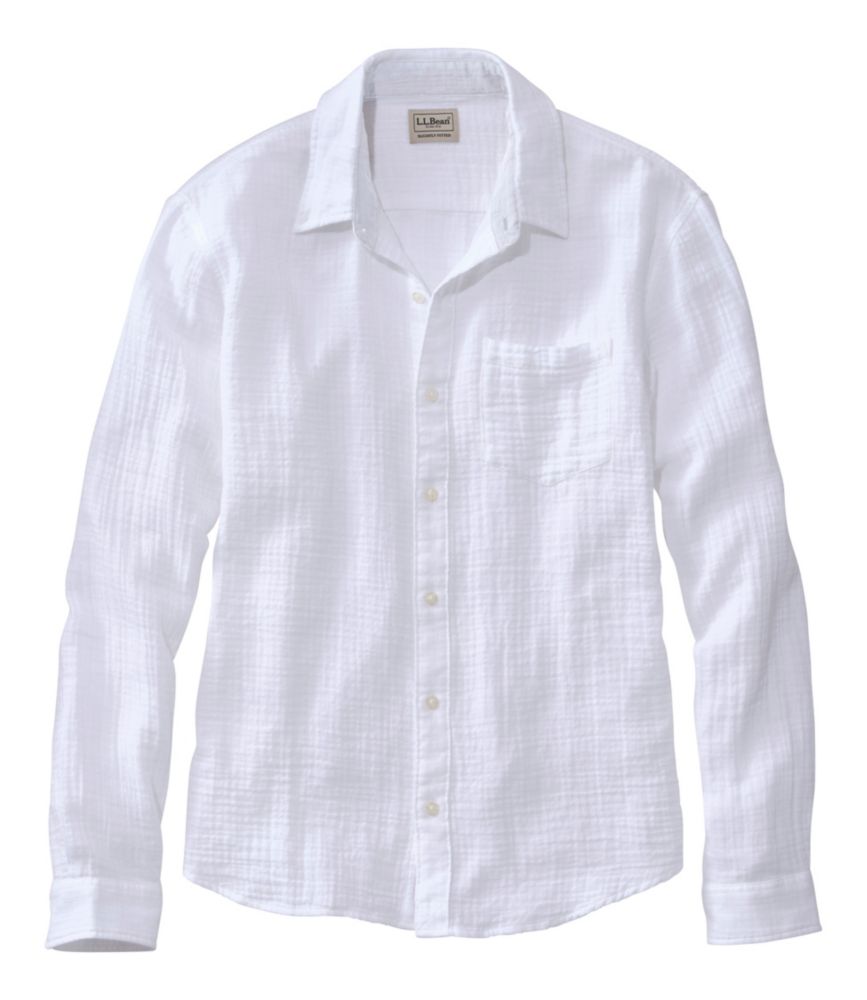
Men's Cloud Gauze Shirt, Slightly Fitted, Long-Sleeve
L.L.Bean Men's Cloud Gauze Shirt, Slightly Fitted, Long-Sleeve
A white long-sleeve shirt in lightweight, breathable cotton gauze with a crinkled texture, button-down collar, and chest pocket.
(0)
$69.95 $34.99
SALE
$69.95 $34.99
SALE
Men's 1933 Chamois Cloth Shirt, Slim Fit, Print
L.L.Bean Men's 1933 Chamois Cloth Shirt, Slim Fit, Print
A white slim-fit chamois flannel shirt with angled flap pockets and a vintage garment-washed feel.
(0)
$79.95 $79.95
SALE
$79.95 $79.95
SALE
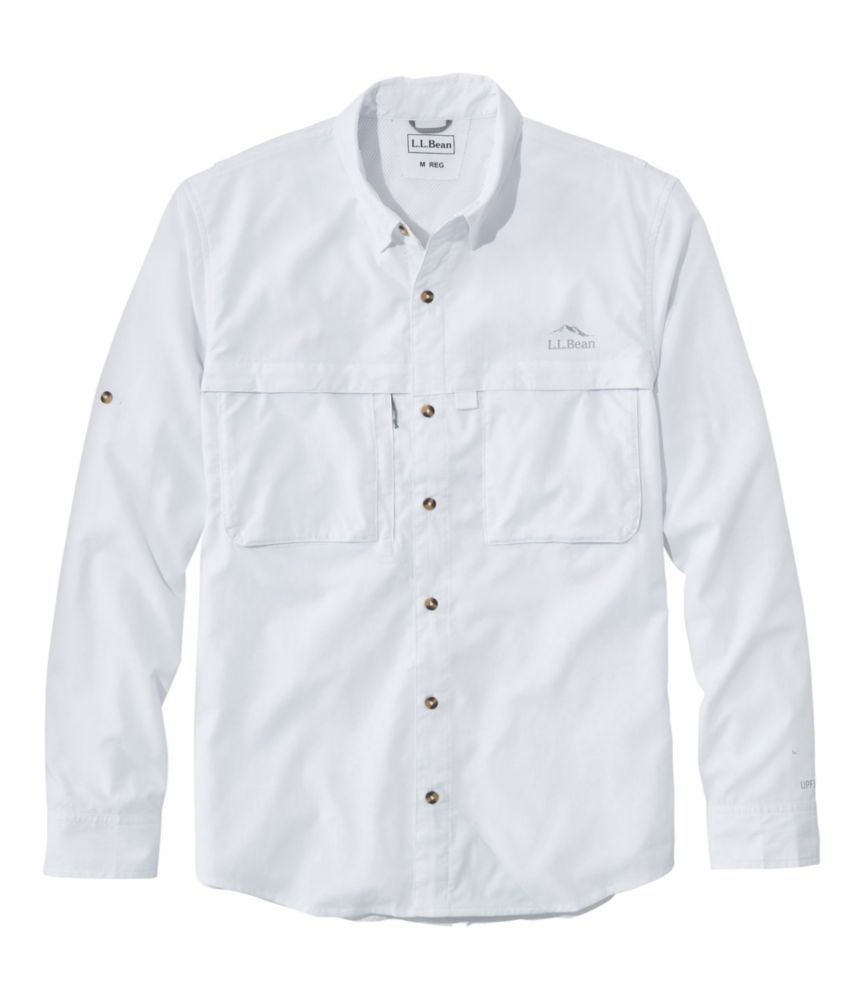
Men's Tropicwear Shirt, Long-Sleeve
L.L.Bean Men's Tropicwear Shirt, Long-Sleeve
A white long-sleeve shirt with UPF 50+ protection, stretch polyester-nylon fabric, venting and secure pockets.
(980)
$74.95 $74.95
SALE
$74.95 $74.95
SALE
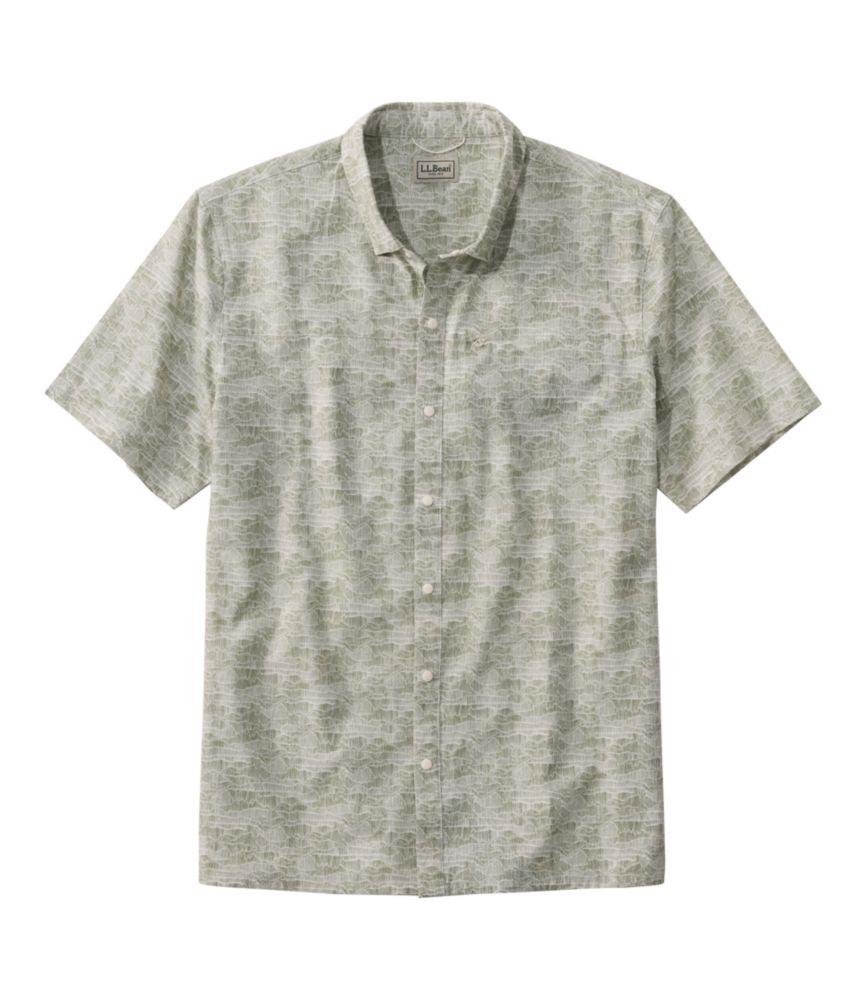
Men's Ultralight Trail Shirt, Short-Sleeve Print
L.L.Bean Men's Ultralight Trail Shirt, Short-Sleeve Print
A white short-sleeve trail shirt with breathable perforated recycled polyester, stretch, moisture-wicking performance, and zippered security pocket.
(0)
$79.95 $64.99
SALE
$79.95 $64.99
SALE
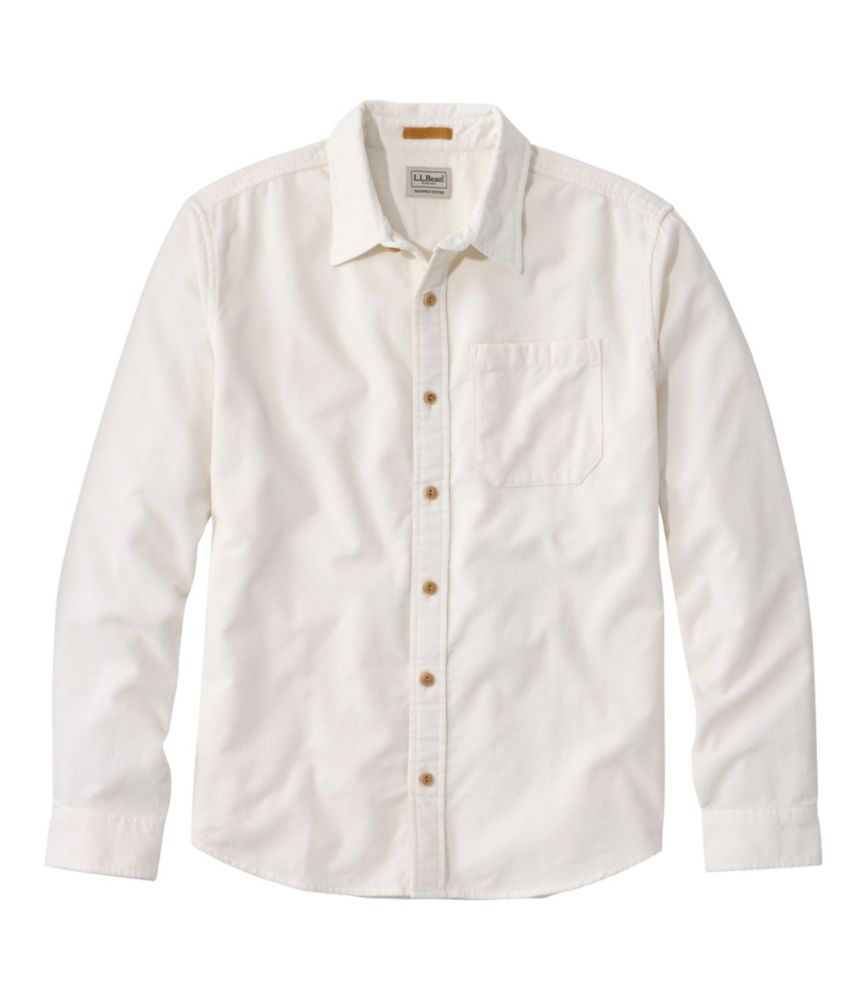
Men's Sunwashed Corduroy Shirt, Slightly Fitted
L.L.Bean Men's Sunwashed Corduroy Shirt, Slightly Fitted
A white cotton corduroy shirt with superlight texture, vintage appeal, and a comfortable untucked fit.
(0)
$64.95 $34.99
SALE
$64.95 $34.99
SALE

Men's White Button Down Shirts

Men's white button-down shirts bring a clean, classic look to a wardrobe, with collar shape, fit and finishing details giving a familiar style its individual character. White creates a clear contrast against darker colors and a quieter combination alongside lighter neutrals, leaving room for personal preference without relying on a bold pattern. The result can look understated or more defined depending on the proportions and colors around it. The terminology is worth a closer look, too: traditionally, a button-down shirt has collar points that fasten to the shirt with small buttons, while “button-front” describes the row of buttons down the front. Those terms are sometimes used interchangeably, making collar photographs and descriptions useful when comparing designs. Beyond that distinction, the shape of the collar, the spacing of the buttons and the outline of the hem all contribute to the shirt's appearance. A chest pocket adds another visible detail; a front without one presents a different arrangement of the same simple elements. Neither approach needs much decoration to have character. With a white shirt, these smaller choices become part of the overall impression rather than competing with a print. Collar proportions can draw attention upward, while the length of the shirt influences how the whole outfit looks from a distance. Looking at the front, side and back views gives a fuller sense of those proportions than a close-up alone. Personal style matters more than a rule about how a white shirt should look. A sharply defined outline and a looser silhouette express different preferences, even when the color stays the same. That is part of the appeal of this classic: the starting point is straightforward, but the details still leave room for individuality. Comparing men's white button-down shirts is less about finding one universal version and more about recognizing the collar, shape and finishing touches that feel right for the person wearing it.

Fit deserves the same attention as appearance, especially when shirts that look similar in photographs have different measurements. Size names are a starting point, not a complete picture of how a shirt will sit. Shoulder width, chest measurement, sleeve length and body length each contribute something different, and comparing those details with a shirt that already fits well can make the choice more concrete. The shoulder seam offers one reference point; the way the front hangs and the position of the cuffs offer others. A closer silhouette and a roomier shape are matters of preference, but neither should be judged from a size label alone. The relationship between the chest and waist measurements is also worth noting, since two shirts with the same stated size can have noticeably different outlines. For a button-down collar, the neck measurement deserves attention alongside the rest of the shirt, particularly if the top button will be fastened. Sleeve measurements should be compared using the method shown in the size chart rather than assuming every chart measures from the same place. Body length and hem shape matter to the finished look, too: the amount of shirt visible below the waist changes the proportions of an outfit, while a tucked hem creates a different outline from an untucked one. Photographs can help show the intended silhouette, but measurements provide the more useful comparison with a familiar shirt. These details are especially helpful when choosing for someone else. A known size, a preferred fit and a few measurements offer a better starting point than guessing from height alone. Familiar preferences can also guide smaller decisions, such as whether someone favors a plain front or a chest pocket. The most personal choice is often the one that reflects what a person already likes, with enough attention to the details to make the selection feel considered rather than generic. A white shirt may look simple, but getting its proportions right is a meaningful part of choosing it.

Fabric composition, construction details and care directions belong in that comparison as well. White describes the color, not the material or the upkeep, so those particulars should come from the individual shirt description and care label. The color alone does not establish whether a shirt can be machine washed, how it should be dried or whether pressing is recommended. Reading those directions before choosing helps put the shirt's appearance and its care requirements in the same picture. For an existing shirt, the garment label remains the reference for washing, drying and ironing, rather than a general assumption about white clothing. Collar edges, cuffs, seams and button attachments are useful details to examine when considering construction and condition; they offer something specific to look at beyond the overall photograph. Clear stitching and neatly finished details can also be appreciated as visual elements without turning a simple shirt into something overly formal. The broader White Button Downs collection offers another place to explore this familiar color and shirt style. Across the look, balance is often more important than adding extra detail. Repeating white elsewhere in an outfit creates a visual connection, while keeping it as the only light element draws more attention to the shirt itself. Navy, charcoal, tan and olive each create a different color relationship with white, giving the same starting point a different character. A collar worn open changes the line around the face; fastening it higher creates a more enclosed shape. These are small choices, but they help explain why a classic white shirt can remain distinctive without an elaborate design. The strongest selection brings those visual preferences together with clear sizing information and an understanding of the care directions. With men's white button-down shirts, the appeal lies in that combination of familiar style and considered detail: a straightforward color, a recognizable shape and proportions that reflect the wearer rather than a passing trend.

FAQs