It's time to upgrade your browser

Your current browser is no longer supported on llbean.com. Please upgrade to one of the following for a smoother, safer shopping experience with us:

Men's Spring Fashion Trends

Explore men's spring fashion trends with a focus on versatile clothing and timeless style. Whether you're updating a few favorites or putting together a new seasonal wardrobe, browse men's spring clothing for pieces that complement what you already own.
Read More
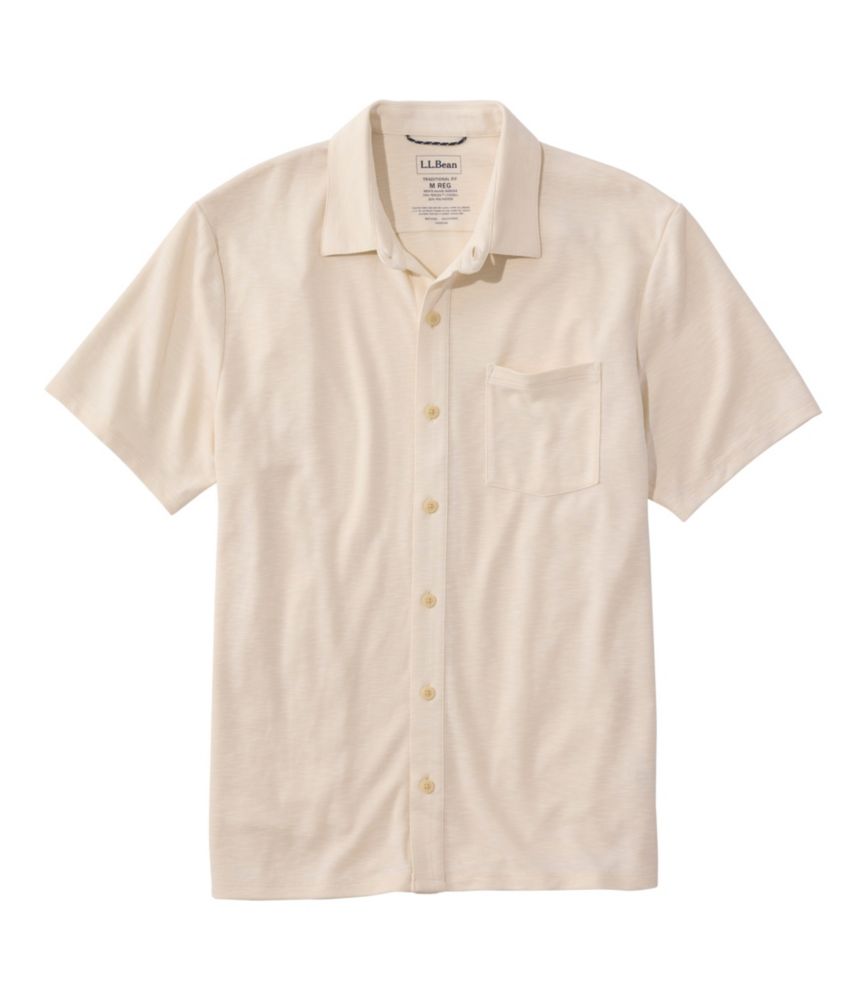
Men's Sunwashed Ultrasoft Button-Front Shirt, Short-Sleeve
L.L.Bean Men's Sunwashed Ultrasoft Button-Front Shirt, Short-Sleeve
A brown short-sleeve knit shirt in a soft TENCEL™ lyocell blend, with textured fabric and chest pocket.
(0)
$69.95 $54.99
SALE
$69.95 $54.99
SALE
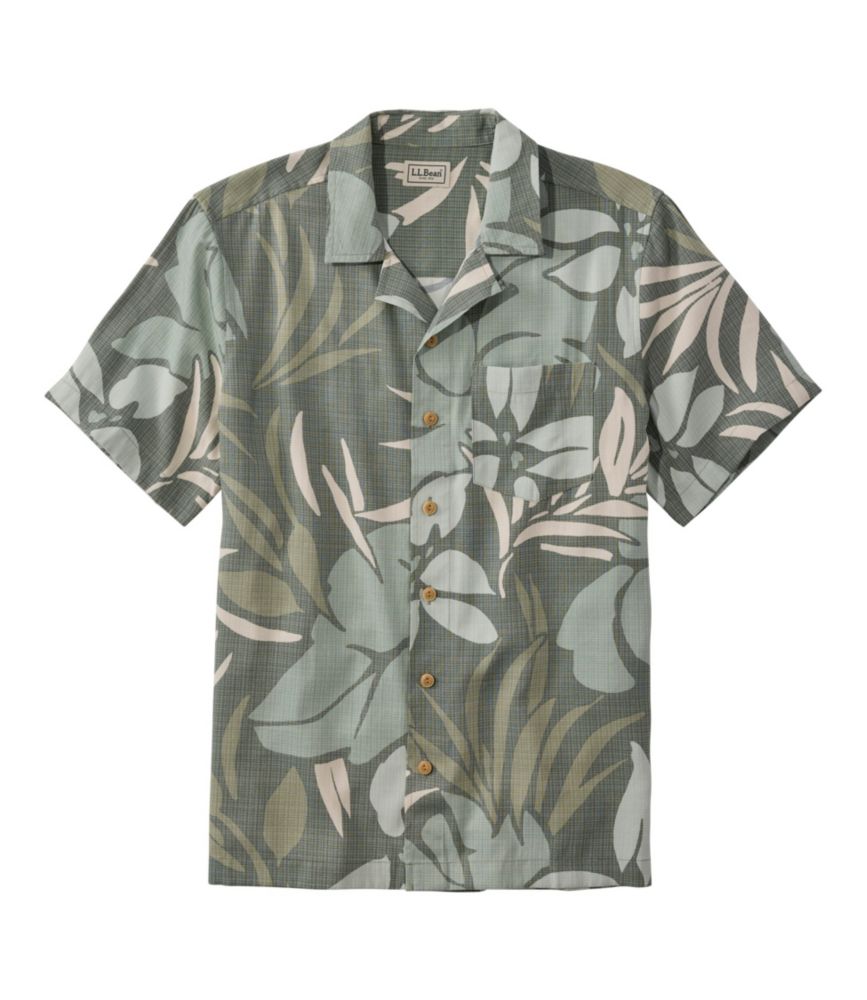
Men's Sunwashed Summer Shirt, Slightly Fitted
L.L.Bean Men's Sunwashed Summer Shirt, Slightly Fitted
A lightweight green camp-collar shirt in a soft textured blend, designed for easy untucked wear.
(0)
$69.95 $44.99
SALE
$69.95 $44.99
SALE
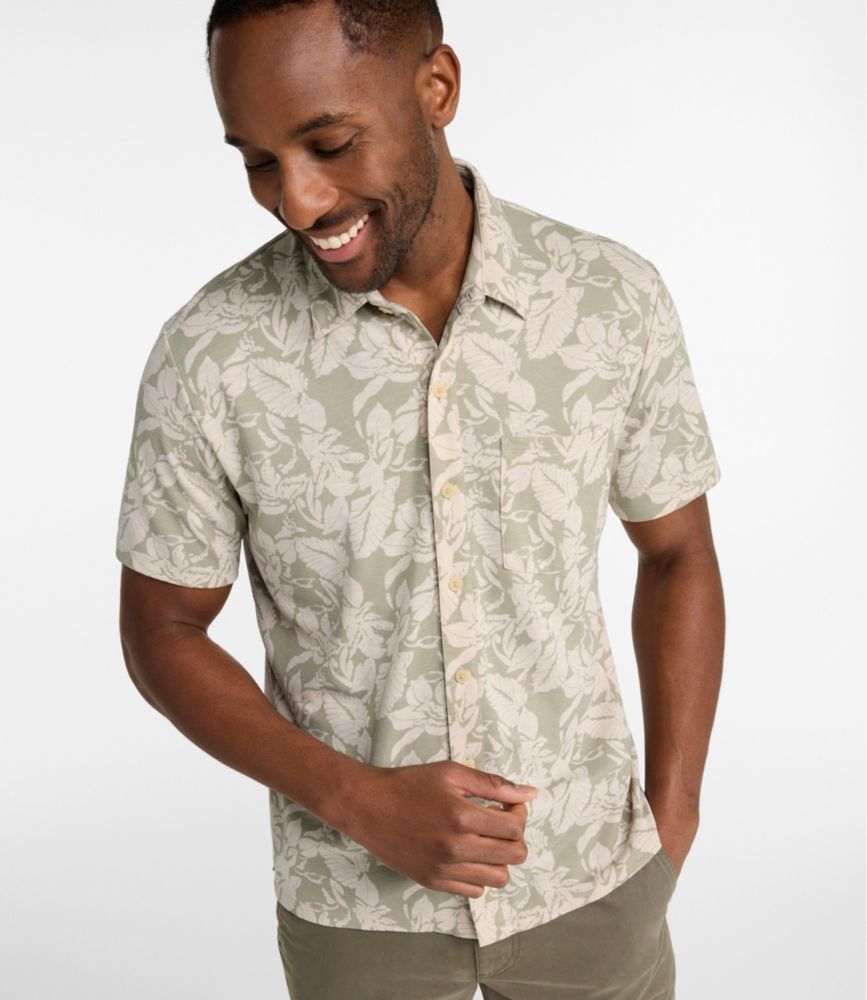
Men's Sunwashed Ultrasoft Button-Front Shirt, Short-Sleeve, Print
L.L.Bean Men's Sunwashed Ultrasoft Button-Front Shirt, Short-Sleeve, Print
A multicolor short-sleeve button-front shirt in ultrasoft TENCEL™ lyocell blend with textured knit and chest pocket.
(0)
$74.95 $49.99
SALE
$74.95 $49.99
SALE

Men's Spring Fashion Trends

Men’s spring fashion trends bring a fresh perspective to familiar style, with color, pattern and proportion offering room for personal expression. A spring wardrobe doesn’t need a completely different identity from the rest of the year. Often, its character comes from a softer palette, a more relaxed outline or a new combination of colors already in the closet. Muted greens, pale blues, warm grays and off-white shades suggest a spring direction without making an outfit feel tied to a passing moment. Nature offers an approachable reference point: the gray of a shoreline, the green of new leaves and the blue of an open sky belong together without needing an exact match. Deeper tones can provide contrast, giving those lighter shades a clear point of reference. Patterns bring another dimension to the same idea. Narrow stripes create a different impression from broad stripes, while a small repeating design reads differently from a large, widely spaced motif. The scale matters as much as the color. Someone who prefers understated clothing might choose a pattern with little contrast between its background and detail; someone drawn to a more expressive look might prefer a stronger distinction. Neither approach requires every part of an outfit to compete for attention. A single visual focus often gives the overall combination more clarity. Men’s spring style is less about choosing between classic and contemporary than finding where the two overlap. Familiar shapes can feel different beside a lighter color, and a simple palette can give a more generous silhouette a neat, considered appearance. For anyone browsing spring fashion, that balance offers a useful starting point: recognizable style with enough variation to feel personal. The most meaningful update is one that reflects the wearer’s preferences rather than asking him to adopt an entirely different look.

Fit and proportion give spring clothing much of its visual character, and the distinction between the two is worth keeping in mind. Fit concerns how a garment corresponds to the wearer’s measurements; proportion concerns how its shape and length relate to the rest of an outfit. A relaxed silhouette is an intentional design choice, not simply a reason to select a larger size. Likewise, a closer outline does not have to mean choosing the smallest size possible. Shoulder placement, sleeve length, the position of the waist and the amount of fabric through the body all contribute to the finished appearance. Two garments with the same size label may have different measurements or intended shapes, so individual size and fit details are more useful than the label alone. The overall outline also changes when lengths meet at different points. A shorter upper silhouette can create a different balance from a longer one, even when the colors stay exactly the same. These are small distinctions, but they help explain why an outfit can look natural on one person and feel visually unfamiliar on another. Personal preference remains central: some men favor clean, close lines, while others prefer a more generous shape. Materials and construction deserve a separate look at the individual product level. A photograph can show color and outline, but it cannot provide the full story about composition, fabric weight or care requirements. Those details belong in the product information, where shoppers can compare them with their own preferences. Durability is also a consideration best grounded in stated construction details rather than assumed from appearance. Care instructions matter for the same reason. Before choosing, it helps to understand whether the specified washing, drying and other care steps fit an established routine. A spring wardrobe feels more thoughtfully chosen when its appearance, sizing and upkeep receive equal attention, rather than allowing one appealing photograph to make the whole decision.

A cohesive spring wardrobe leaves room for differences in personality without needing a complicated set of rules. For men who enjoy a restrained look, closely related shades can create interest through subtle contrast: a pale tone beside a medium one, or a muted color against a deeper neutral. For those who prefer more distinction, a clear separation between light and dark brings definition to the overall shape. Repeating one color in small amounts can connect an outfit, while leaving other elements simple keeps the result from looking overly coordinated. There is no need for every color to be an exact match. Slight differences often make a combination feel more individual, particularly when the underlying tones are compatible. The same principle applies to patterns. One prominent pattern gives the eye a place to settle; several patterns call for closer attention to their scale and spacing. These considerations are useful when adding to an existing wardrobe because they focus on relationships rather than isolated choices. A color that looks appealing on its own may feel quite different next to the shades someone already prefers. Thinking about those familiar combinations can make browsing more purposeful without taking away the pleasure of finding something unexpected. When choosing a gift, the recipient’s habits provide a better starting point than the boldest interpretation of spring fashion. Favorite colors, preferred silhouettes, known measurements and established care preferences offer concrete clues. A man who consistently chooses understated designs may appreciate a subtle variation more than a dramatic departure, while someone who enjoys pattern may welcome a more distinctive visual detail. For a broader view of seasonal style, Fall Fashion Trends For Men offers another point of comparison. Across seasonal themes, personal style provides continuity: the colors a person returns to, the proportions he prefers and the details that make clothing feel like his own. Spring fashion can build on that foundation, bringing a fresh point of view while keeping the familiar character that makes a wardrobe personal.
Read More

FAQs