It's time to upgrade your browser

Your current browser is no longer supported on llbean.com. Please upgrade to one of the following for a smoother, safer shopping experience with us:

Mens Gore Tex Hiking Shoes

Browse men's GORE-TEX hiking shoes and compare options for your next hike. Check each pair’s product details and sizing guidance to understand the differences between styles and help choose the right hiking footwear for you.
Read More
Men's Access Hiking Shoes, Waterproof
L.L.Bean Men's Access Hiking Shoes, Waterproof
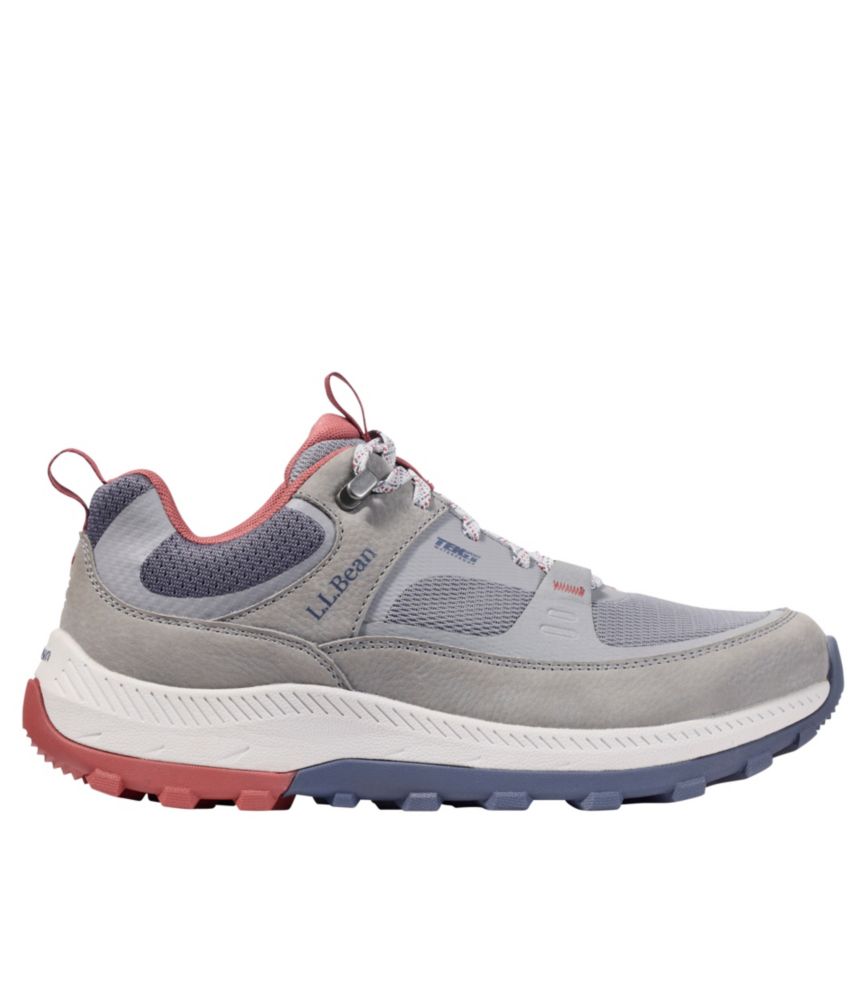
A gray waterproof hiking shoe with nubuck leather, recycled mesh, grippy rubber traction and EVA cushioning.
(0)
$140 $140
SALE
$140 $140
SALE
Men's Heritage Hiking Shoes, Waterproof
L.L.Bean Men's Heritage Hiking Shoes, Waterproof
A gray waterproof hiking shoe with nylon-and-rubber construction, cushioned comfort, and grippy trail traction.
(0)
$140 $94.99
SALE
$140 $94.99
SALE
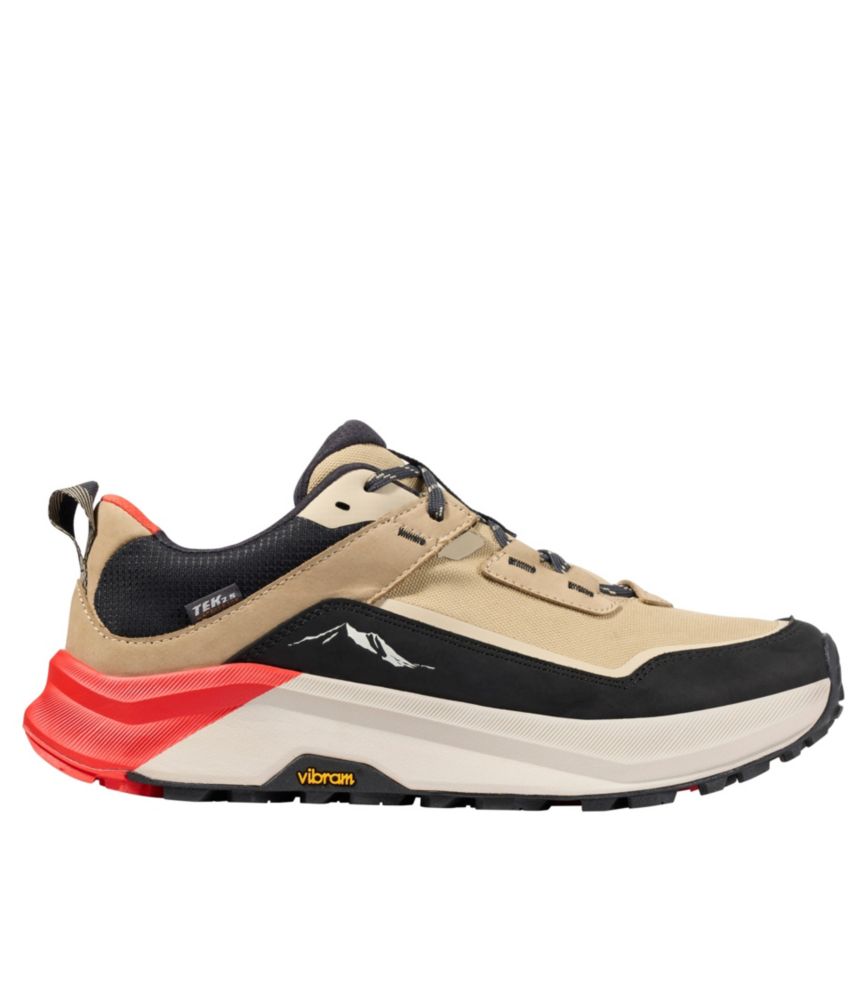
Men's NextVenture Hiking Shoes, Waterproof
L.L.Bean Men's NextVenture Hiking Shoes, Waterproof
A tan waterproof hiking shoe with leather, breathable membrane, cushioned EVA midsole, and Vibram rubber traction.
(0)
$150 $150
SALE
$150 $150
SALE
Men's Trail Model X Waterproof Hiking Shoes
L.L.Bean Men's Trail Model X Waterproof Hiking Shoes
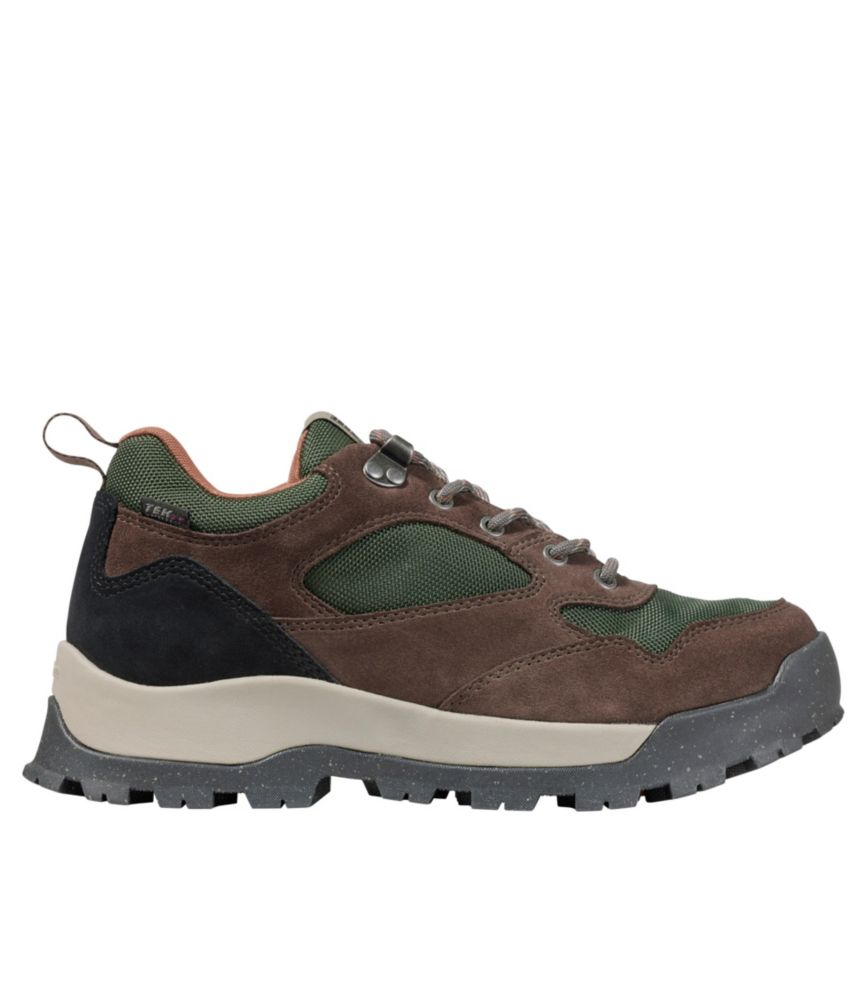
A brown suede hiking shoe with waterproof membrane, protective toe, cushioned midsole, and enhanced wet traction.
(0)
$110 $110
SALE
$110 $110
SALE
Men's Elevation Trail Shoes, Waterproof
L.L.Bean Men's Elevation Trail Shoes, Waterproof
A brown waterproof trail shoe with recycled mesh, ESS rock protection, and grippy rubber traction.
(0)
$130 $130
SALE
$130 $130
SALE
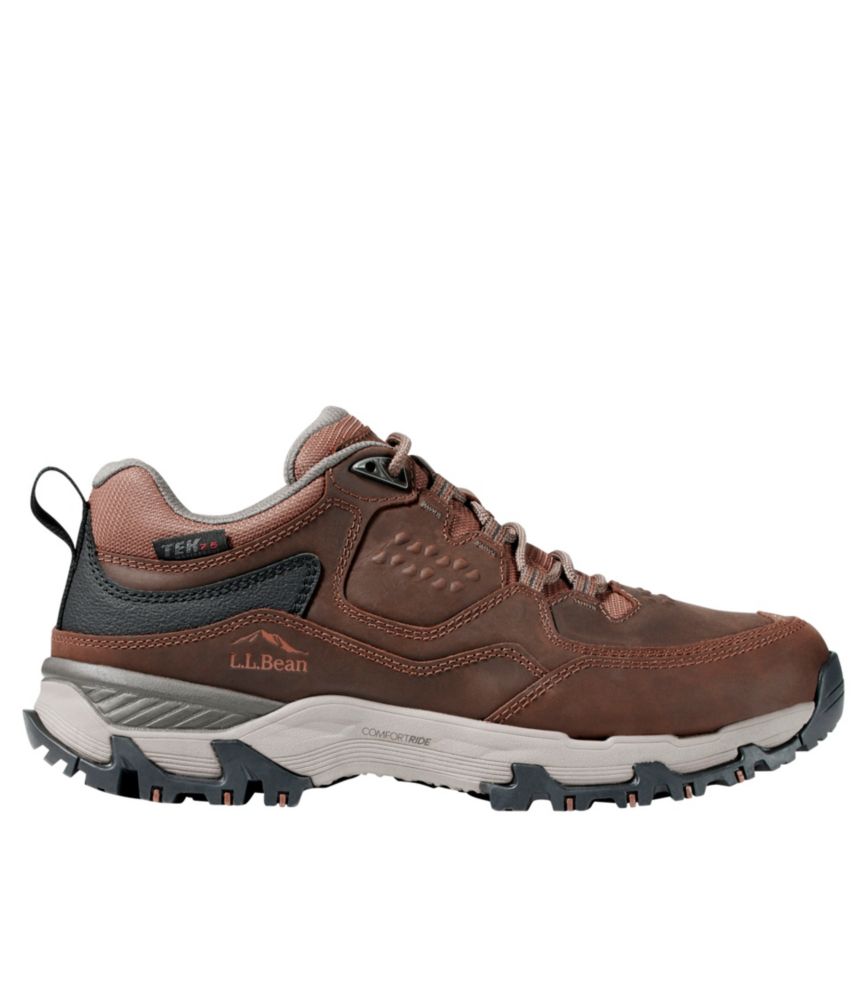
Men's Trail Model X Waterproof Hiking Shoes, Leather
L.L.Bean Men's Trail Model X Waterproof Hiking Shoes, Leather
A waterproof brown leather hiking shoe with breathable mesh, cushioned support, and enhanced wet-surface traction.
(0)
$120 $120
SALE
$120 $120
SALE
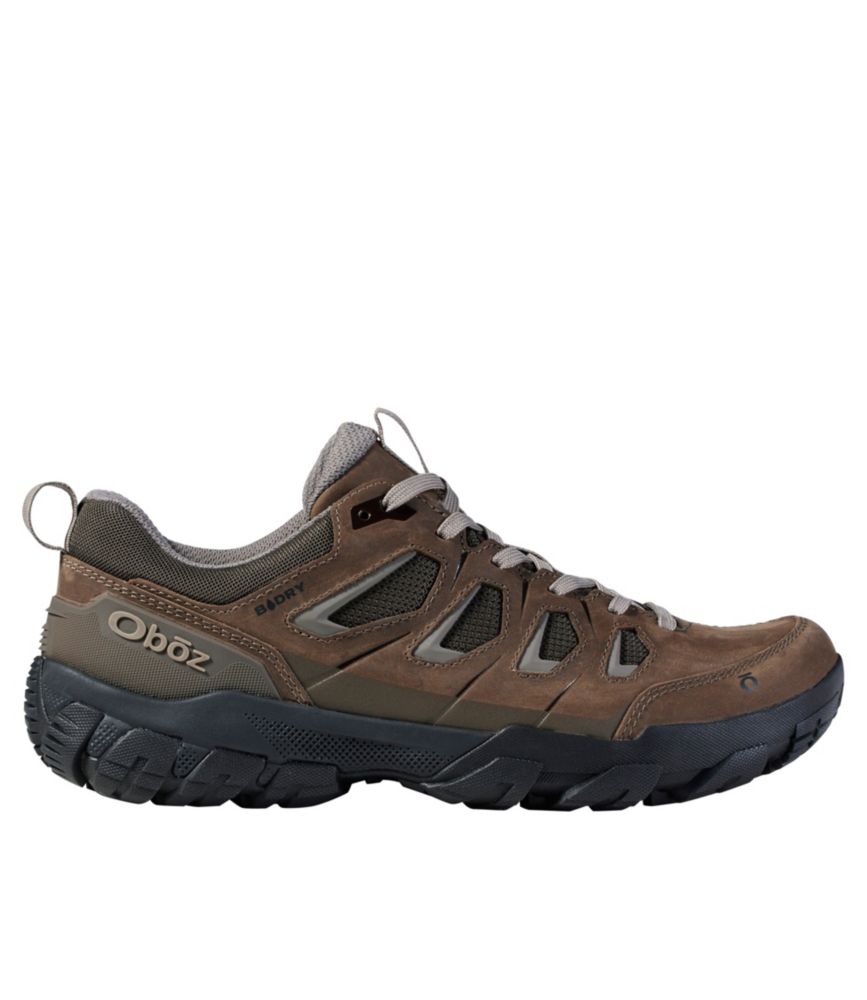
Men's Oboz Sawtooth X B-DRY Hikers, Low
Oboz Men's Oboz Sawtooth X B-DRY Hikers, Low
A brown low hiking shoe with waterproof lining, nubuck leather, and mud-shedding traction.
(0)
$185 $185
SALE
$185 $185
SALE
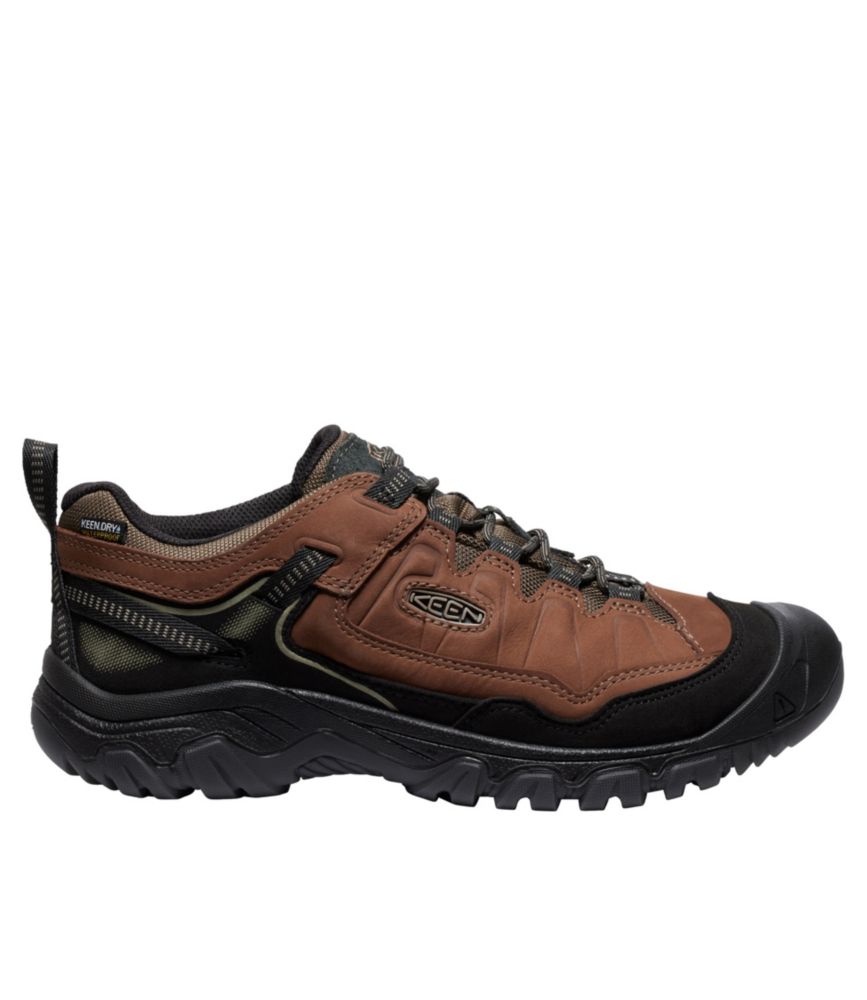
Men's Keen Targhee IV Waterproof Hiking Shoes
Keen Men's Keen Targhee IV Waterproof Hiking Shoes
A waterproof hiking shoe with premium nubuck leather, breathable mesh lining, and a grippy non-marking outsole.
(0)
$170 $170
SALE
$170 $170
SALE
Men's Access Hiking Boots, Waterproof
L.L.Bean Men's Access Hiking Boots, Waterproof
A gray waterproof hiking boot with leather-and-mesh construction, cushioned support, and grippy rubber traction.
(0)
$150 $150
SALE
$150 $150
SALE
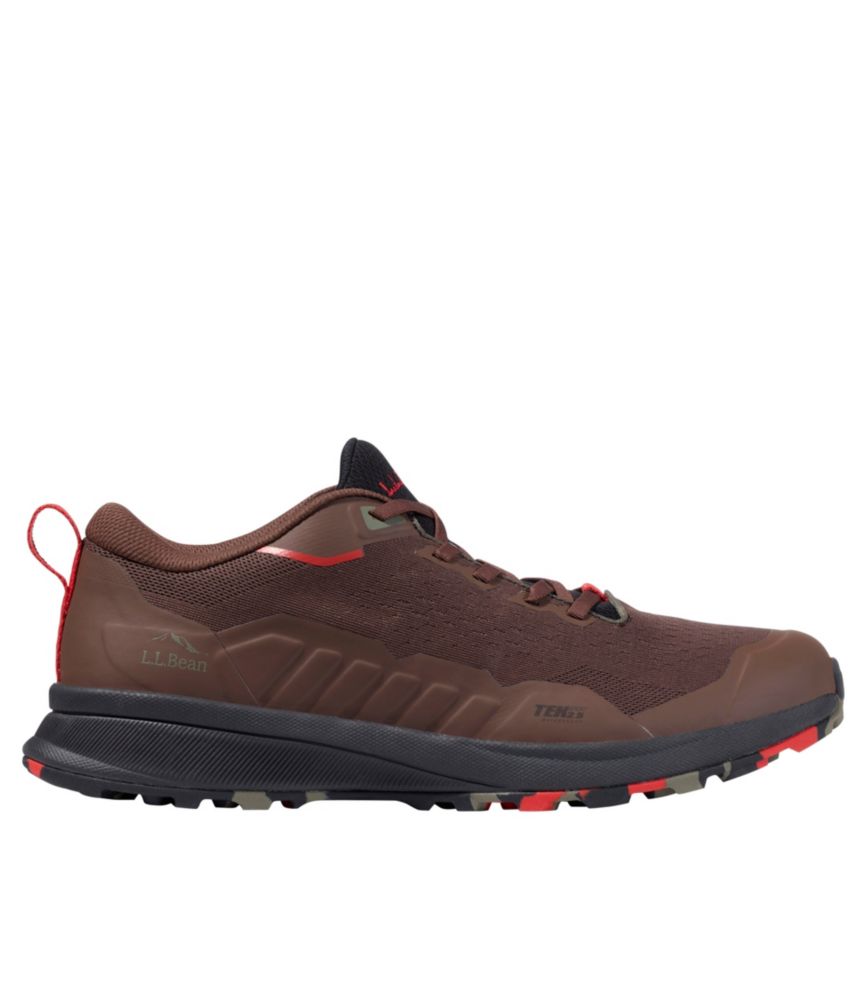
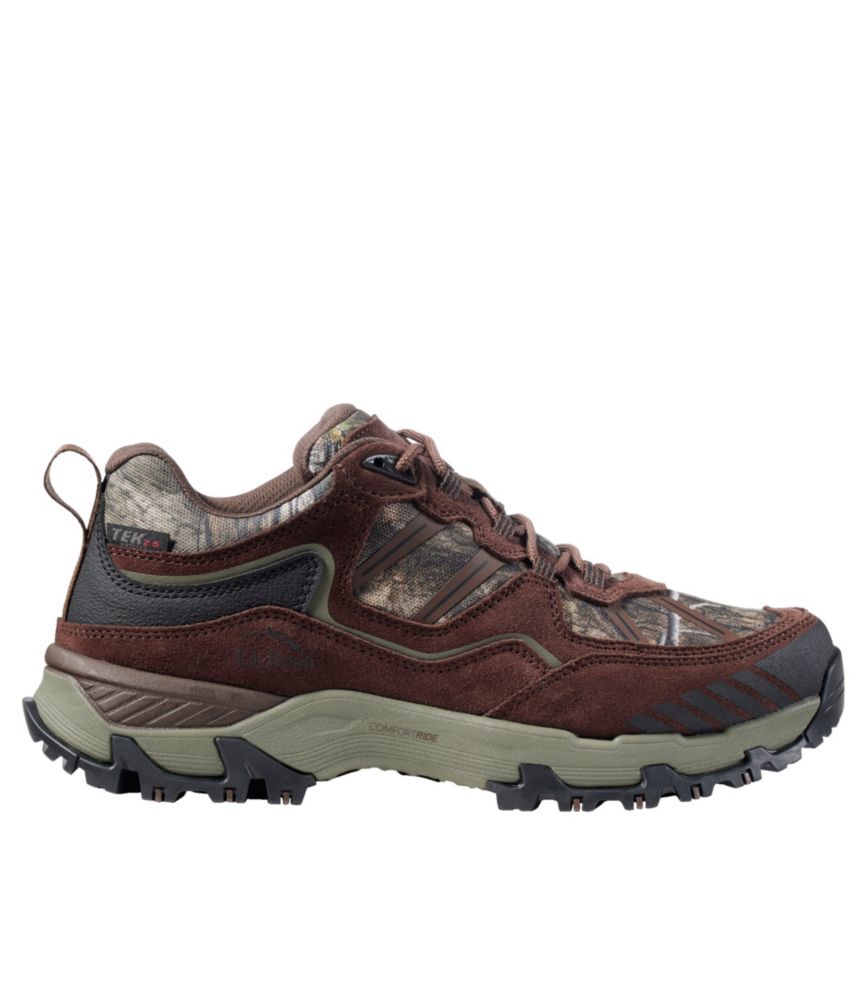
Men's Trail Model X Waterproof Hiking Shoes, Camo
L.L.Bean Men's Trail Model X Waterproof Hiking Shoes, Camo
A waterproof camo hiking shoe with suede leather, rock-plate protection and high-traction rubber outsole.
(0)
$110 $74.99
SALE
$110 $74.99
SALE
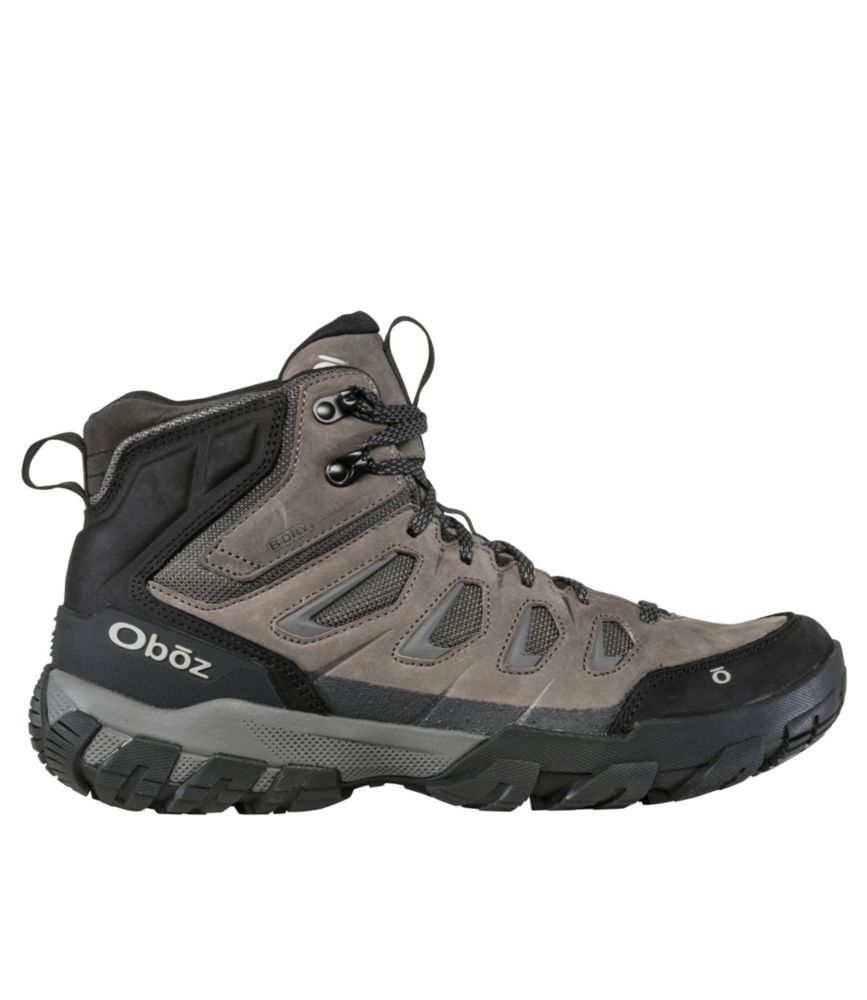
Men's Oboz Sawtooth X B-DRY Hikers, Mid
Oboz Men's Oboz Sawtooth X B-DRY Hikers, Mid
A gray mid-height hiking boot with waterproof lining, nubuck leather, supportive cushioning, and reliable wet-trail traction.
(93)
$200 $200
SALE
What customers like:
Great support
High comfort
Excellent fitting
Superior quality
$200 $200
SALE
Men's Heritage Hiking Boots, Waterproof
L.L.Bean Men's Heritage Hiking Boots, Waterproof
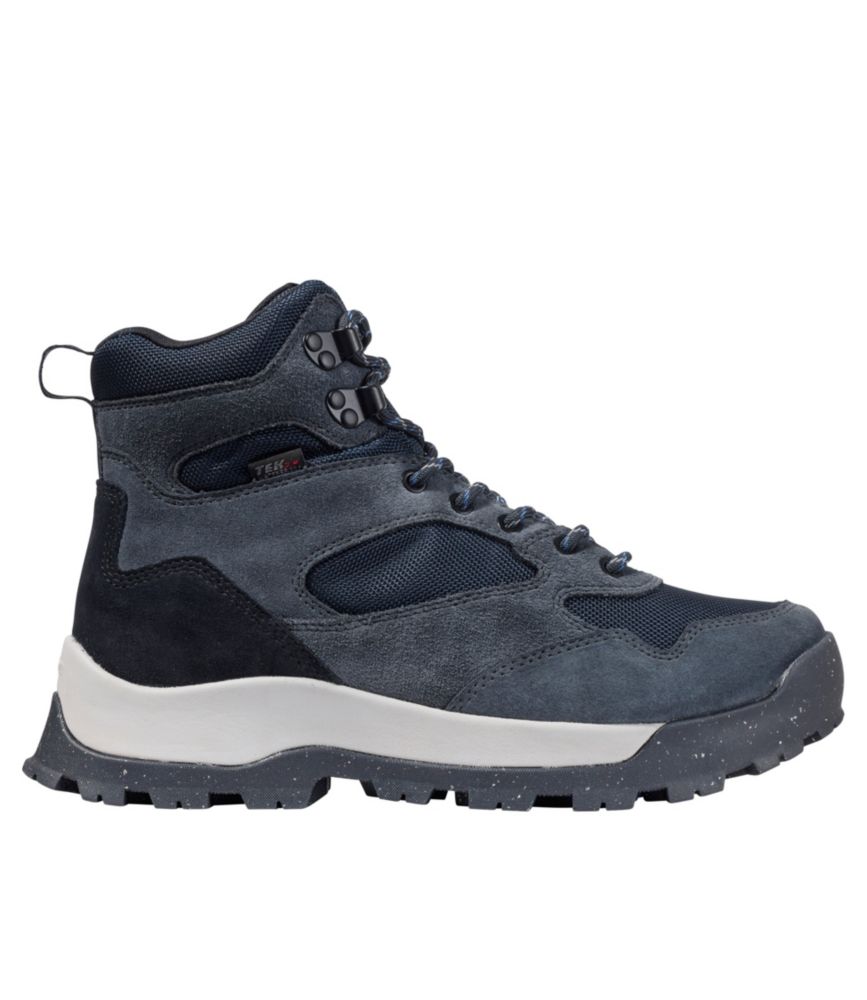
A gray waterproof hiking boot with suede-and-nylon construction, grippy rubber traction, and cushioned EVA support.
(0)
$150 $99.99
SALE
$150 $99.99
SALE
Men's Keen Targhee IV Mid Waterproof Hiking Boots
Keen Men's Keen Targhee IV Mid Waterproof Hiking Boots
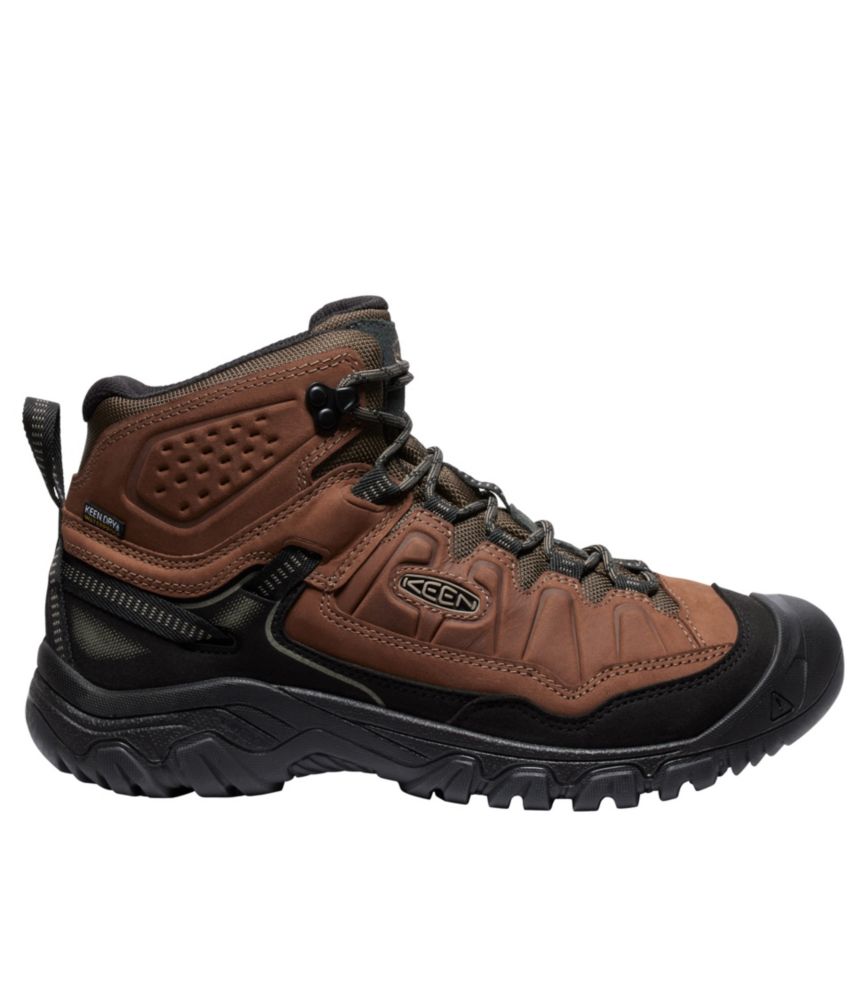
A waterproof mid hiking boot with nubuck leather and mesh, heel-capture stability, and durable multi-directional traction.
(0)
$180 $180
SALE
$180 $180
SALE

Mens Gore Tex Hiking Shoes

Men’s hiking shoes are part of getting ready for time on the trail, whether the plan is a familiar loop with a friend or a route that has been marked on the map for years. Choosing a pair is a personal decision, shaped by fit, preferred styling and the kind of hiking described in the individual shoe’s details. A favorite trail might begin at a neighborhood trailhead or somewhere farther from home, but the selection process starts with the same practical questions about size and shape. Length is only one part of fit; width, room around the toes and the way the heel sits deserve equal attention. A familiar size can be a useful starting point without being the final answer. The shape of a shoe matters, too, particularly for someone who has found that certain footwear feels crowded across the forefoot or loose around the heel. Descriptions and sizing information provide a better basis for comparison than appearance alone. Materials, construction and care information also belong in the decision, especially when a shopper has clear preferences based on a previous pair. Rather than assuming that every shoe in a category has identical details, consider each description on its own. For a broader look at the category, explore GORE-TEX hiking shoes, keeping individual fit information at the center of the choice. Style has a place in that decision as well. Some hikers prefer a simple, understated look, while others pay closer attention to the shape of the toe or the arrangement of the laces. Those preferences help narrow the choices without replacing the practical details. The aim is a considered purchase: hiking footwear chosen for the person who will wear it, rather than a pair selected only because it resembles something familiar.

Fit is easier to assess when the try-on reflects what will actually be worn on a hike. Having the intended hiking socks on hand makes the comparison more meaningful than trying shoes with whatever socks happen to be nearby. Anyone who already uses an insert should consider it during the fitting process and check the shoe’s information before making assumptions about compatibility. Both shoes deserve a full try-on, with attention to each foot rather than a quick check of just one. Standing, taking a few unhurried steps and noticing the fit around the toes, instep and heel can reveal details that are easy to miss while seated. The toes should not feel crowded, and the heel’s position is worth evaluating without relying on unusually tight lacing. Laces can help adjust fit, but pulling them tighter is not a substitute for choosing an appropriate size and shape. It is also useful to distinguish between a preference for a close fit and an area that feels pinched. If a shoe feels wrong during a careful try-on, the hope that it will eventually fit differently is not a sound reason to overlook that impression. Size charts, width information and any fit notes can help explain the choices without making the decision for the wearer. When comparing pairs, focus on one difference at a time: overall length, space across the forefoot or the fit over the instep. That makes it easier to remember why one option felt more suitable than another. A previous pair can offer useful reference points as well. Remembering where it felt too loose or too close gives the next purchase a more specific starting point than a size label alone. Taking time with these details keeps the choice grounded in the wearer’s experience, whether hiking is a longstanding interest or something being explored with family and friends.

Care and condition are part of the longer view of owning hiking shoes. Before choosing a pair, read its care information and consider how that routine fits into the way footwear is looked after at home. A cleaning method used for another pair should not automatically carry over, and machine washing, direct heat or a particular cleaning treatment should never be assumed appropriate without checking the instructions. Material and construction details matter here because they provide context for the recommended care, not because a category name tells the whole story. After a hike, setting aside a moment to look over the shoes creates an opportunity to notice their condition. Laces, eyelets, stitching, uppers and soles are all worth checking, particularly if something feels different from the last outing. Loose stitching, damaged laces or visible changes in wear deserve attention rather than being overlooked until the next trailhead stop. Questions about cleaning or repairs are best considered with the information for that particular pair in hand. For someone buying hiking shoes as a gift, these practical details matter just as much as the thought behind the gesture. A person who enjoys planning hikes, revisiting a favorite route or spending trail time with friends may appreciate footwear chosen with their preferences in mind. Fit, however, makes shoes a personal gift, so knowing the recipient’s usual size is only the beginning. Familiarity with preferred widths, previous fit concerns and styling choices can make the selection more thoughtful. If the gift does not need to be a surprise, choosing together gives the wearer a chance to weigh those details directly. The same approach applies when replacing a well-used pair: take stock of what was liked, what would be changed and what the next pair’s description actually says. Quality and timeless style offer a useful starting point, while careful attention to fit, care and individual details brings the decision back to the person heading out on the hike.
Read More

FAQs