It's time to upgrade your browser

Your current browser is no longer supported on llbean.com. Please upgrade to one of the following for a smoother, safer shopping experience with us:

Mens Adjustable Leather Belts

Find men’s adjustable leather belts with timeless style and a fit you can fine-tune. Browse the selection and compare sizing, belt widths and buckle details on individual product pages to choose the right match for your wardrobe.

Read More
Men's Essential Braided Leather Belt
L.L.Bean Men's Essential Braided Leather Belt
A brown full-grain leather belt with hand-braided detailing, an antiqued-brass buckle and customizable fit.
(780)
$69.95 $69.95
SALE
What customers like:
Seasonal discount
High quality
Helpful sizing advice
Good fit
Stylish print
$69.95 $69.95
SALE
Men's 1912 Jean Belt
L.L.Bean Men's 1912 Jean Belt
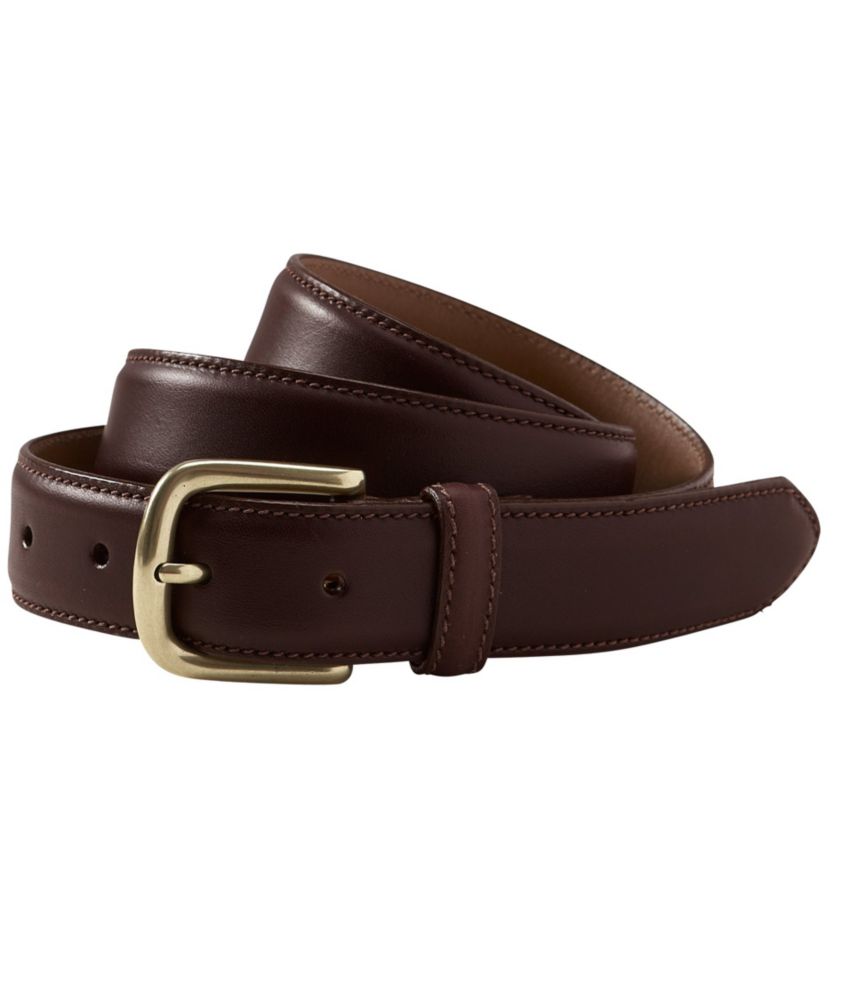
A supple brown full-grain leather belt, handfinished in England, with a durable brass-finish buckle.
(2,069)
$49.95 $49.95
SALE
What customers like:
Attractive and stylish
High quality leather
Versatile for casual wear
Comfortable fit
Well made and durable
$49.95 $49.95
SALE
Men's L.L.Bean Essential Leather Belt
L.L.Bean Men's L.L.Bean Essential Leather Belt
A versatile black full-grain leather belt with silvertone hardware, made in the USA for everyday wear.
(955)
$49.95 $49.95
SALE
What customers like:
High quality
Versatile design
Durable material
Well-made buckle
Comfortable fit
$49.95 $49.95
SALE
Men's Chino Belt
L.L.Bean Men's Chino Belt
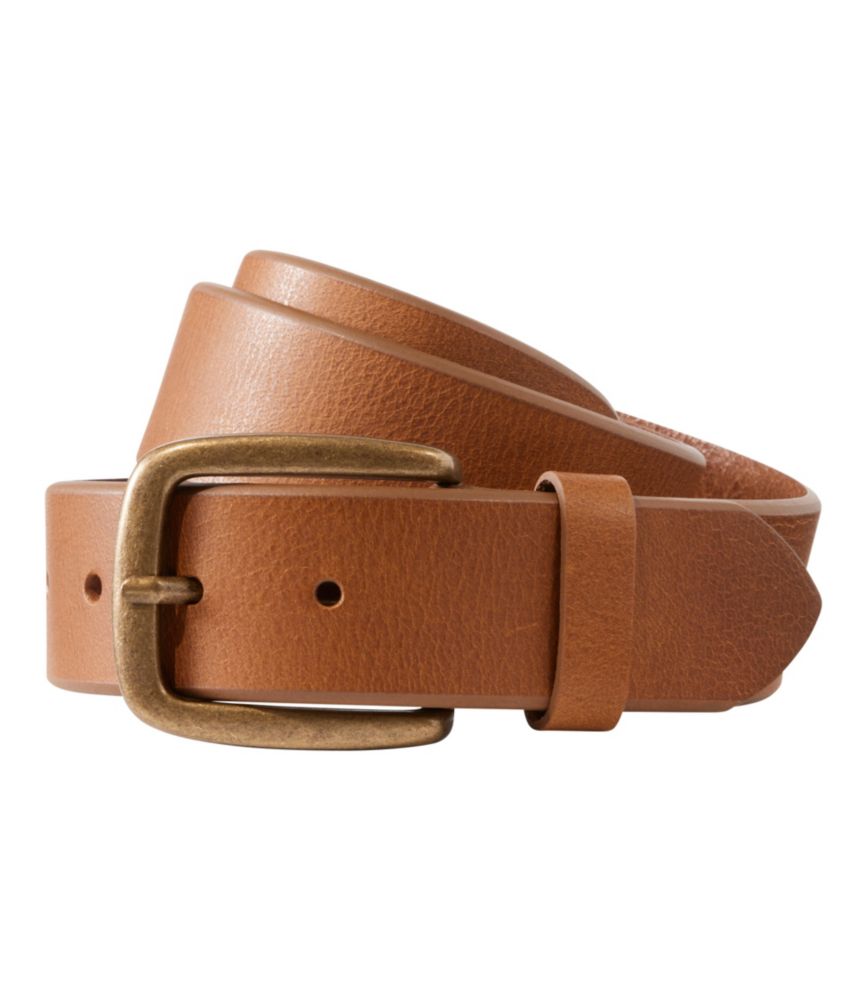
A versatile full-grain leather belt with a lightly waxed finish and brass-tone buckle.
(1,657)
$59.95 $59.95
SALE
What customers like:
Versatile color
Great quality
Durable
Stylish
Comfortable fit
$59.95 $59.95
SALE

Mens Adjustable Leather Belts

Men’s adjustable leather belts combine a familiar wardrobe essential with a fit that can be adjusted within the belt’s stated size range. The word adjustable describes that ability to change the fastening position; it does not, by itself, identify a ratchet, track-lock or cut-to-fit design. Traditional hole-and-prong closures and track-style closures are different adjustment systems, so the fastening details matter more than the category name alone. A leather strap, a buckle and a choice of fastening positions may seem straightforward, but the relationship between those elements makes each belt worth a closer look. Belt size, overall length and adjustment range are related measurements, not necessarily interchangeable ones. A size label also needs to be read alongside the sizing information for that belt rather than treated as an exact match for a pants waist measurement. For someone comparing a new belt with a familiar favorite, the relevant measurement points are especially important: total strap length is different from the distance to a fastening position. The amount of strap extending beyond the closure also contributes to the finished appearance. Some people prefer a shorter visible end, while others favor a little more length, provided it sits as intended through the keeper and belt loops. These small preferences are part of finding a belt that feels like a natural addition to an existing wardrobe. An adjustable design offers a choice of fastening positions, but that flexibility does not make every size equivalent. The stated range remains the clearest starting point. With fit information understood, attention can turn to the details that give a leather belt its character: the outline of the buckle, the proportions of the strap and the way the two look together. It is a simple accessory, but one that brings several thoughtful choices into a relatively small space.

The appeal of men’s adjustable leather belts also comes from their place in a wardrobe built around personal style rather than passing trends. Leather is central to that familiar look, while buckle shape, strap width and finishing details influence the overall impression. A buckle can be the first detail noticed, or it can remain a quieter part of the outfit. The strap can create a distinct line at the waist or blend more closely with the surrounding clothing. Neither approach needs to be complicated; the best point of reference is often the clothing already in the closet. A belt viewed on its own can look quite different when placed beside a favorite pair of pants and the shoes usually worn with them. Looking at those pieces together gives a fuller sense of proportion than considering the buckle alone. Belt-loop measurements matter here, too, because an adjustable fastening does not change the width of the strap. Width and waist adjustment are separate considerations, and both deserve attention in the product details. For a more specifically defined style category, men’s dress belts provide another point of comparison. Personal preference still has room to lead: a coordinated appearance does not have to mean every detail matches exactly. Repeated shapes, similar visual weight or a consistent level of detail can give an outfit a considered look without making it feel overly planned. Someone who favors understated clothing may be drawn to an equally understated belt, while someone who enjoys a more noticeable accessory may give the buckle greater importance. Clear photographs and descriptions help bring those distinctions into focus. Attention to the edges, the visible stitching where present and the relationship between strap and buckle can also help shoppers assess the details that matter to them. Quality is worth considering across the whole belt, rather than judging it by one decorative feature.

Care information belongs alongside sizing and style when comparing leather belts. Leather identifies the material, but it does not establish one cleaning or conditioning routine for every finish. The instructions supplied with a belt are the appropriate reference for cleaning products, conditioning recommendations and storage. A treatment used on another leather belonging is not automatically the right choice, and appearance alone is not enough to establish compatibility. Durability is likewise not something the word leather can promise by itself. Construction details, the fastening components and the maker’s care information offer more useful context than a broad assumption about the material. For someone replacing a familiar belt, the old one can provide a practical record of preferences: the width that looked right, the buckle shape that felt most natural and the fastening position used most often. Those observations can help narrow the choices without requiring an exact duplicate. For a gift, the same details can make the selection feel more personal. A partner, father, brother or friend may already have a clear preference for a certain buckle shape or strap proportion, even if belts rarely come up in conversation. An adjustable leather belt can be a thoughtful choice when the recipient’s size range and style preferences are known; adjustability should not be treated as a substitute for that information. A measurement from an existing belt is most helpful when it follows the sizing method specified for the replacement. Beyond fit, the recipient’s own wardrobe offers useful clues about whether a prominent buckle or a quieter design would be more welcome. The appeal lies in choosing something familiar enough to reflect their taste, with details selected thoughtfully. Whether replacing a well-used favorite or choosing a gift, a clear understanding of size, adjustment, leather care and personal style gives this straightforward accessory the consideration it deserves.
Read More

FAQs