
It's time to upgrade your browser

Your current browser is no longer supported on llbean.com. Please upgrade to one of the following for a smoother, safer shopping experience with us:

Luxury Bedding

Find bedding with a focus on quality and timeless style to make your bedroom feel thoughtfully put together. Explore the selection for designs that complement your space, and check each item’s size and care details to choose what works for your bed and everyday routine.
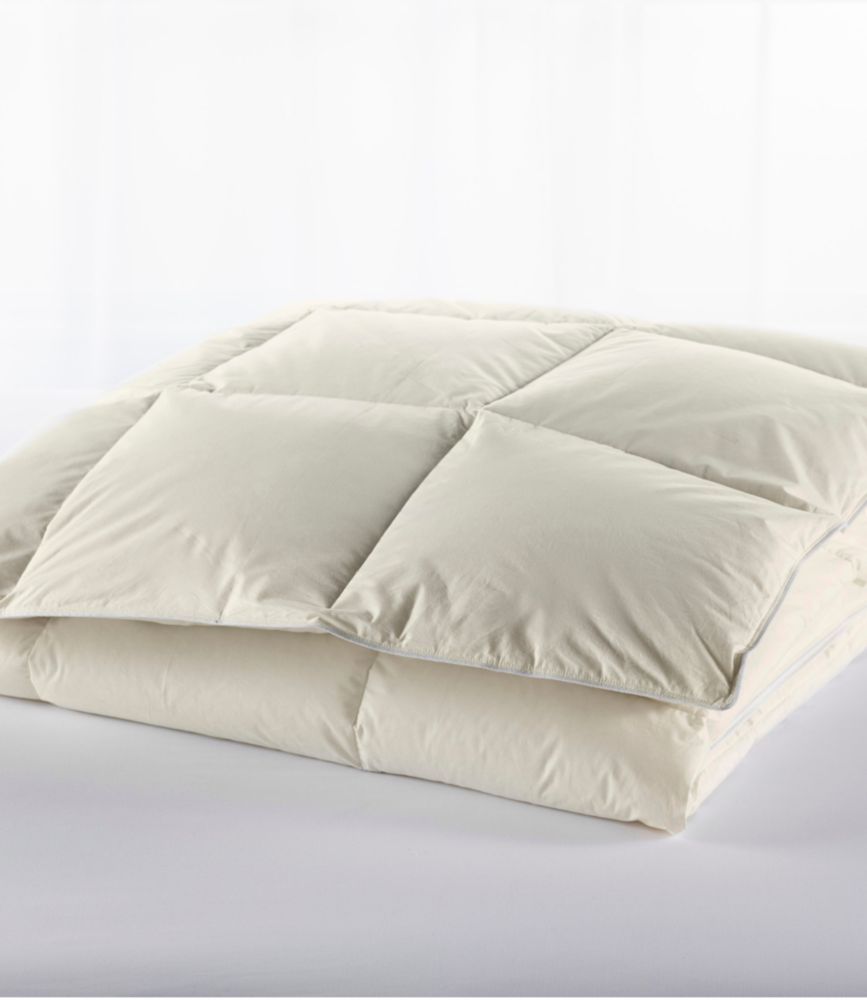
Box-Stitch Goose Down Comforter, Warmer
L.L.Bean Box-Stitch Goose Down Comforter, Warmer
A lightweight white goose down comforter with hypoallergenic 600-fill insulation, cotton shell, and versatile year-round warmth.
(0)
$410 $410
SALE
$410 $410
SALE
Premium Egyptian Percale Sheet Collection
L.L.Bean Premium Egyptian Percale Sheet Collection
A blue 400-thread-count sheet set in 100% Egyptian cotton percale, made in Portugal for lasting softness.
(1,088)
$330 $330
SALE
What customers like:
Virtually wrinkle-free
High quality
Crisp and smooth feel
Soft and luxe feel
Comfortable
$330 $330
SALE
Premium Egyptian Percale Sheet Collection, Satin Stitch
L.L.Bean Premium Egyptian Percale Sheet Collection, Satin Stitch
A white sheet set in 400-thread-count Egyptian percale cotton with an elegant satin-stitch hem.
(0)
$230 $230
SALE
$230 $230
SALE
Premium Egyptian Percale Comforter Cover Collection, Daisy
L.L.Bean Premium Egyptian Percale Comforter Cover Collection, Daisy
A white percale comforter cover with a daisy print, 400-thread-count Egyptian cotton, and hidden closures.
(0)
$220 $220
SALE
$220 $220
SALE

Luxury Bedding

Thoughtfully chosen bedding brings a bedroom together, giving its largest surface a clear place in the room’s overall design. The appeal is in the whole arrangement: the proportions of the bed, the relationship between colors, and the small details that make the setting feel personal rather than staged. A simple palette can draw attention to the shape of a headboard or the lines of a favorite bedside table. A patterned bed can become the room’s main visual feature, with surrounding furnishings taking a quieter role. Neither approach needs an elaborate arrangement. A neatly folded top layer, a balanced grouping of pillows, or a contrasting border may provide all the definition the space needs. Quality and timeless style are useful starting points, especially when personal taste matters more than recreating a showroom. Bedding has a close visual relationship with everything around it, from a painted wall to a framed landscape, so individual choices are best considered as part of that larger picture. A small-scale pattern creates a different impression from broad stripes, while a solid color gives decorative details elsewhere in the room more attention. Repeating one shade from an existing rug or piece of artwork can establish a connection without making every element match. There is also room for a less coordinated approach, with related colors and different patterns contributing to an arrangement that feels collected over time. The goal is not a prescribed look. It is a bed that belongs naturally in its surroundings, whether those surroundings include a substantial wooden frame, a simple upholstered headboard, or a favorite quilt displayed nearby. An appealing arrangement can be spare or layered, symmetrical or informal. What gives it character is a clear relationship among its parts, along with enough restraint to let the details stand out. Even the amount of bedding visible at the sides of the mattress changes the composition, making dimensions and proportions as relevant to appearance as the colors themselves.

Size, fit, and care information deserve the same attention as appearance when comparing bedding. A familiar bed-size name is a starting point, but individual measurements provide a fuller picture. Mattress length, width, and height are worth checking against the listed dimensions, particularly when a mattress topper is part of the bed. For top layers, the amount of coverage shown in a photograph may look different on another bed frame or mattress. Measuring the desired distance down each side makes that visual preference more concrete. A higher frame, a substantial footboard, and a mattress set close to the floor each present a different outline, even when the mattress size is the same. Pillow dimensions matter, too; the names used for pillows and their coverings should be checked alongside the actual measurements. These details help distinguish between an arrangement that looks deliberately tailored and one with more generous proportions. For a closer look at the sheet category, explore Luxury Bed Sheets and compare the individual descriptions with the measurements of the bed being dressed. Fabric content, construction details, and care directions belong in that comparison, rather than being assumed from a category name or photograph. A stated material composition provides specific information, while an image primarily communicates color, pattern, and styling. Care requirements are similarly individual: the relevant directions are those supplied for the particular piece. Checking washing, drying, and any additional care instructions before choosing bedding helps connect the purchase with an established household routine. Long-term expectations also call for attention to the actual product details, rather than relying on appearance alone. A decorative finish does not, by itself, establish durability, and a familiar material name does not replace the care label. Keeping those distinctions clear leaves more room to appreciate design without asking it to answer practical questions it cannot resolve. The most meaningful comparison brings the visual details and the documented specifications together, giving each its proper role in the decision.

A coordinated bed does not have to come from a single visual formula. Some people prefer a continuous field of color, with pillow coverings and top layers closely related; others like a distinct change between the sheets, the pillows, and the visible upper layer. Both approaches leave plenty of room for individual taste. In a room with patterned wallpaper, a quieter bed arrangement can keep the composition from feeling crowded. Against plain walls, a more noticeable pattern can give the bed a stronger presence. Scale is often the detail that makes the difference: a small repeated motif reads differently across a wide bed than it does on a single pillow, and a broad border becomes part of the bed’s outline. Looking at those relationships can be more helpful than treating every piece as a separate decorating decision. Existing favorites deserve a place in the picture as well. A framed family photograph, a painted dresser, or a treasured bedside lamp may offer a more personal starting point than an entirely matched room. Bedding can echo one of those details without repeating it exactly. The finished appearance also depends on arrangement. Pillows set upright create a different silhouette from pillows laid flat, while a folded upper layer introduces a horizontal line across the bed. There is no need to include every possible layer or decorative accent. Leaving some space around a favorite pattern can give it greater presence, and keeping the arrangement straightforward can make the room feel more like a home than a display. Personal preferences may favor precise edges, an informal fold, a single accent color, or several closely related shades. Those choices are part of the appeal of bedding: an everyday element with a significant role in a room’s character. With attention to individual specifications, appropriate care, and a visual style that feels familiar, the result can be thoughtful without becoming elaborate. A well-considered bed looks connected to the room and to the people who call it home.

FAQs